
Side Dishes
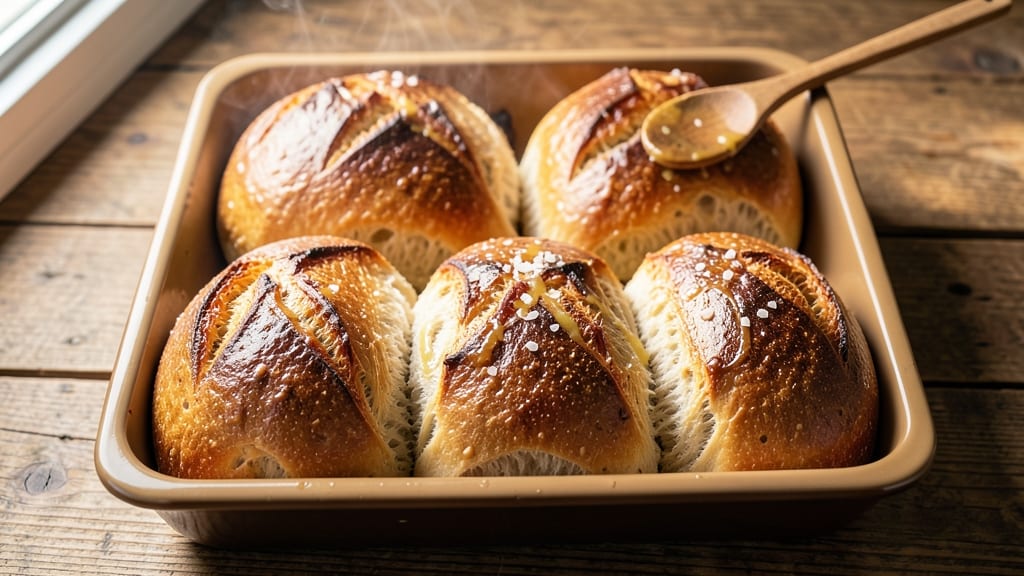
This 6 loaf bread recipe transforms your kitchen into a bakery with restaurant-quality results—all from a single bake. The secret lies in precise dough scaling, strategic pan arrangement, and a foolproof proofing technique that ensures uniform rise across every loaf.
I’ve baked dozens of batches to perfect this method, and the difference between homemade and store-bought becomes crystal clear the first time you slice into these crusty, airy loaves.
The recipe starts with a simple yet robust dough formula that balances yeast activation, gluten development, and moisture retention. You’ll mix, knead, and divide the dough into six equal portions, each shaped and placed in pans with just enough space to rise without sticking.
The proofing stage is where the magic happens—using a passive rise method at room temperature ensures consistent texture, while the final bake delivers a crisp exterior and soft, even crumb in every loaf.
What sets this recipe apart is its efficiency and reliability. No more struggling with underproofed dough or uneven baking—this method guarantees perfectly risen, golden-brown loaves every time. Whether you’re feeding a crowd, prepping for meal prep, or simply craving fresh bread, this triple-batch approach saves time without sacrificing quality.
The dough’s versatility also allows for customizations like adding herbs, seeds, or whole grains, so you can tailor each loaf to your taste.
Once baked, these loaves stay fresh for days, making them ideal for sandwiches, toast, or gifting. The recipe includes step-by-step guidance for shaping, proofing, and baking, ensuring even beginners achieve professional results. Let’s get started on your bakery-style bread adventure—your kitchen (and taste buds) will thank you.
Ingredients for 6 loaf bread
Twelve ingredients, six loaves, bakery-quality results—this is your kitchen’s new bread game-changer.
| Ingredient | Amount | Notes |
|---|---|---|
| All-Purpose Flour 🌾 | 12 cups | High-protein, bread flour preferred |
| Active Dry Yeast 🍞 | 3 tsp | Fresh yeast if preferred |
| Granulated Sugar 🍬 | ½ cup | For yeast activation |
| Salt 🧂 | 2 tsp | Diamond Crystal kosher salt |
| Unsalted Butter 🧈 | ½ cup | Cold, cubed for dough |
| Whole Milk 🥛 | 1 ½ cups | Room temperature preferred |
| Large Eggs 🥚 | 2 whole | Room temperature for best results |
| Olive Oil 🫒 | 2 tbsp | For dough shaping |
| Cornmeal 🌽 | 1 cup | For dusting pans |
| Water 💧 | 1 ½ cups | Room temperature |
| Coarse Sea Salt 🧂 | 1 tbsp | For final bread topping |
| Ice Water ❄️ | ½ cup | For dough adjustment |
The flour is non-negotiable here. King Arthur or Caputo bread flour gives the best gluten structure for that professional crumb, but all-purpose works in a pinch. I buy mine in bulk from Whole Foods—their organic white flour has just the right protein level. The yeast? Fresh is ideal but active dry works fine if you’ve got it. Test it first: drop a pinch in warm water with sugar—if it bubbles in 5 minutes, it’s good. The butter should be cold when you mix it in, or you’ll end up with a sticky mess. Plugrá or Land O’Lakes unsalted are my go-tos, but any brand works if it’s fresh.
No bread flour? Add 1 tbsp vital wheat gluten per cup of all-purpose—it’s a game-changer. Running low on yeast? Instant yeast works 1:1, but active dry needs to be dissolved first. The milk can be swapped for plant-based milk if needed, but whole milk gives the best texture. Eggs? Vegan flax eggs work (1 tbsp ground flax + 3 tbsp water = 1 egg), but the flavor and structure won’t be identical. For the olive oil, any neutral oil works—just avoid fruity EVOO. And if your dough feels too sticky? Add ice water 1 tbsp at a time until it comes together cleanly.
This dough keeps for 24 hours in the fridge if wrapped tightly in plastic—perfect for meal prep. For longer storage, freeze shaped loaves (unbaked) for up to 3 months. Thaw overnight in the fridge before baking. Once baked, store wrapped at room temp for 2 days or freeze sliced for 6 months. Pro tip: Toast directly from frozen—it reheats beautifully. And if you’re making extras? Freeze half the dough before shaping—just let it come to room temp before proofing.
Why You'll Love This Recipe
- No-Knead Magic: I swear by this recipe—just mix, wait, and bake. The yeast does all the heavy lifting while I sip coffee, and that buttery crust? Worth every minute of zero effort.
- Golden Crust Secrets: That crispy top with a soft, pillowy center? It’s the sugar and butter working together—no fancy techniques, just patience. Honestly, it tastes like a bakery’s secret.
- Meal Prep MVP: Six loaves mean sandwiches for a week, toast for lazy mornings, or even garlic bread for game night. Freeze extras, and you’ve got fresh bread anytime—no last-minute store runs.
- Budget Baking Wins: Five ingredients, endless possibilities. This recipe stretches my grocery dollars while feeding my family leftovers for days. (Yes, even on a Tuesday night.)
Step-by-step instructions for triple batch bread with perfect rise
Here's how to transform 12 cups of flour into six perfect loaves—every crumb, every crust.
Activate the Yeast for Maximum Rise
In a large bowl, combine the 1.5 cups water and 0.5 cup granulated sugar. Stir until the sugar fully dissolves, then sprinkle the 3 tsp active dry yeast over the surface. Let it sit for 5-10 minutes until you see bubbles forming and a frothy foam on top. This confirms your yeast is alive and ready to work its magic.
If the mixture doesn't bubble after 10 minutes, your yeast may be dead—start over with fresh yeast. The temperature matters too: the water should feel warm but not hot to the touch (around 105-110°F). Too hot kills yeast; too cold makes it sluggish. This activation step ensures your dough will rise properly and develop that airy, light texture we're after.
Mix the Dough to Develop Gluten
In the bowl with the activated yeast mixture, add the 12 cups all-purpose flour, 2 tsp salt, and the 2 whole large eggs. Using a wooden spoon or dough whisk, mix until a shaggy dough forms. Then add the 1.5 cups whole milk and 0.5 cup cold unsalted butter (cut into small cubes). Mix again until the butter is mostly incorporated.
Switch to your hands and knead the dough on a lightly floured surface for 8-10 minutes. You're looking for a smooth, elastic dough that springs back when poked. This kneading develops gluten—the protein network that gives bread its structure. If the dough feels too sticky, add 1-2 tablespoons of flour at a time until it comes together nicely. The dough should be soft but not wet, and it should leave a slight sheen on your fingers when you press it.
First Rise for Optimal Flavor Development
Place the dough in a lightly oiled bowl, cover it with a clean kitchen towel, and let it rise in a warm place for 1-1.5 hours. The dough should nearly double in size and look puffy with some bubbles visible on the surface. This first rise allows the yeast to ferment and develop flavor—don't skip it, even if you're eager to bake.
I like to place my bowl on top of my oven with the light on (creates a warm, moist environment) or near a warm spot in my kitchen. The ideal rising temperature is around 75-80°F. If your kitchen is cold, the dough may take longer to rise. Gently press two fingers into the dough—if it springs back slowly, it's ready. If it springs back quickly, give it more time.
Shape and Second Rise for Uniform Loaves
Punch down the risen dough to release air, then divide it into 6 equal portions (each should weigh about 1.5 pounds). Shape each portion into a smooth, round ball by pulling the dough toward you and tucking it under itself. Place the shaped dough balls on a baking sheet dusted with 1 cup cornmeal, cover with a towel, and let them rise for another 30-45 minutes. They should expand slightly but not double in size.
Here's the thing—proper shaping is crucial for even baking. If your dough feels too sticky to handle, wet your hands slightly to prevent tearing. The cornmeal prevents sticking and gives the bottom crust a nice texture. For extra insurance, I brush each loaf lightly with 1 tablespoon olive oil before the final rise. This creates a tender crust and helps with browning.
Bake for Crispy Crust and Perfect Crumb
Preheat your oven to 375°F with a baking stone or inverted baking sheet on the middle rack. This creates steam for a better rise. Once preheated, place the risen dough balls onto the prepared baking stone or sheet. Sprinkle each loaf with 1 tablespoon coarse sea salt (divide the 1 tbsp total evenly). Bake for 25-30 minutes until the loaves are golden brown and sound hollow when tapped on the bottom.
The internal temperature should reach 190-200°F at the center. If the tops brown too quickly, tent the loaves with aluminum foil. For that perfect crust, I like to spray the oven walls with water every 5 minutes during the first 15 minutes of baking—this creates steam that helps the bread rise beautifully. Let the loaves cool on a wire rack for at least 30 minutes before slicing. This resting period allows the gluten to relax and the crumb to set properly.
Pro Tips For Making 6 Loaf Bread
- Weigh Your Flour: Ditch the scoop-and-sweep—use a kitchen scale for the flour. That cup measure? It’s a gamble, especially when you’re making six loaves. I learned this the hard way when two loaves turned out dense because I packed the cup too tight. Aim for 140g per cup of all-purpose flour, and your dough will behave like it’s supposed to.
- Proof at Room Temp: Skip the fridge for the first rise—let the yeast wake up in a warm spot (75-80°F works best). I used to rush this by putting dough in the oven with the light on, but the temperature swings made the yeast go wild one batch and flop the next. A quiet corner near the stove, covered with a towel, is more reliable. Give it 1-2 hours until it’s puffy and springy.
- Butter Temperature Matters: Softened butter is your friend, but not melted. If you’re cutting cold butter into the dough, use the pulse-and-rest method: cut in ½ the butter until pea-sized, then let the dough rest 5 minutes before adding the rest. Melted butter? Save it for brioche—this recipe will turn gummy if the fat’s too liquid. Room temp is key.
- Shape Loaves Fast: Don’t linger when shaping—work the dough quickly to keep the gluten from relaxing too much. I used to take my time, and by the third loaf, my hands were tired, and the shapes looked sloppy. Roll each loaf seam-side down into the pan immediately after dividing, then let them rise again. The tighter the shape, the better the oven spring. (Yes, even if your hands are sore.)
Flavor customization for this dish
Herb-Infused Variations
Add 2 tbsp finely chopped fresh rosemary or thyme directly to the dough during mixing for a fragrant herbal loaf. I like using Penzeys Mediterranean Herb Blend for a balanced mix of oregano, basil, and parsley.
For a stronger flavor, mix 1 tbsp dried herbs with 1 tbsp olive oil and brush onto shaped loaves before baking. 🌿
Seeded and Whole Grain
Replace 2 cups all-purpose flour with whole wheat flour or spelt flour for a nuttier flavor. Stir in ½ cup toasted seeds like sunflower, pumpkin, or sesame during the final knead.
For extra crunch, press 1 tbsp seeds into the top of each loaf before baking. I love Bob's Red Mill Sunflower Seeds for their mild taste and texture.
Sweet and Spiced Loaves
Swap ½ cup granulated sugar for brown sugar and add 1 tsp cinnamon plus ½ tsp nutmeg to the dough for a cinnamon swirl bread. For a savory-sweet twist, mix in ½ cup dried cranberries or chopped dried apricots during the final knead.
Brush baked loaves with honey butter (melt 2 tbsp butter with 1 tbsp honey) for extra richness.
Cheesy and Savory
Fold in 1 cup shredded sharp cheddar or Parmesan during the final knead for a cheesy pull-apart loaf. For a Mediterranean twist, add ½ cup crumbled feta and ¼ cup chopped kalamata olives.
I like Cabot Sharp Cheddar for its melty texture. Shape loaves into boules or batards for a rustic look, and bake until the cheese bubbles slightly.
Garlic and Parmesan
Infuse the dough with 3 minced garlic cloves and ¼ cup grated Parmesan during mixing. For extra flavor, steep 2 tbsp dried garlic powder in ¼ cup warm milk before adding to the dough.
Brush baked loaves with garlic-infused olive oil (mix 2 tbsp olive oil with 1 tsp garlic powder) for a bold finish. This variation pairs perfectly with soups and pasta dishes.
Smoky and Spicy
Add 1 tsp smoked paprika and ½ tsp cayenne pepper to the dough for a subtle smoky kick. For a stronger flavor, mix 1 tbsp liquid smoke with 1 tbsp water and brush onto shaped loaves before baking.
I recommend Albertsons Smoked Paprika for its rich, consistent flavor. This variation works well with hearty stews or BBQ sandwiches. 🌶️
Nutrition facts
Frequently asked questions
Why does this recipe make six loaves instead of the usual one or two?
This recipe uses a triple-batch approach to maximize efficiency while maintaining perfect texture. The dough formula scales perfectly for six equal-sized loaves, each with the same rise and bake time. It's ideal for meal prep, large families, or when you need multiple loaves for special occasions without doubling the effort. The key is precise dough division and strategic pan placement to ensure even baking.
Can I use this dough for other baked goods besides sandwich loaves?
This versatile dough works beautifully for boules, baguettes, or dinner rolls too. For boules, shape the dough into round balls and bake in a baking stone. For baguettes, divide into 12 smaller portions and shape into long ovals. The same dough formula just needs adjusted shaping and baking times. The milk and butter give it a tender crumb that works well for all these variations.
What's the best way to store baked loaves to keep them fresh?
Wrap cooled loaves tightly in plastic wrap or place them in an airtight container with a slice of bread or a damp paper towel to prevent drying. They'll stay fresh at room temperature for 2-3 days. For longer storage, freeze baked loaves (sliced or whole) for up to 3 months. Thaw overnight in the fridge or at room temperature. Pro tip: Toast directly from frozen for crispy results.
My dough didn't rise properly—what went wrong?
Check these common issues: Dead yeast (test it first in warm water with sugar), cold environment (use a warm oven with light on), or over-kneading (dough should be smooth but not tough). If your kitchen is cold, try proofing near a warm spot or use a proofing box. Also ensure your yeast was fresh—expired yeast won't activate properly. The dough should rise to nearly double size in 1-1.5 hours.
How do I adjust this recipe for a smaller batch?
Divide all ingredients by 2 to make 3 loaves instead of 6. Keep the same ratios: 6 cups flour, 1.5 tsp yeast, 1 egg, etc. The shaping and baking times remain identical. For just 1 loaf, divide by 6: 2 cups flour, 0.5 tsp yeast, 1/3 egg. Use a 9x5-inch loaf pan for the single loaf. The smaller batches work best in standard home ovens.