
Side Dishes
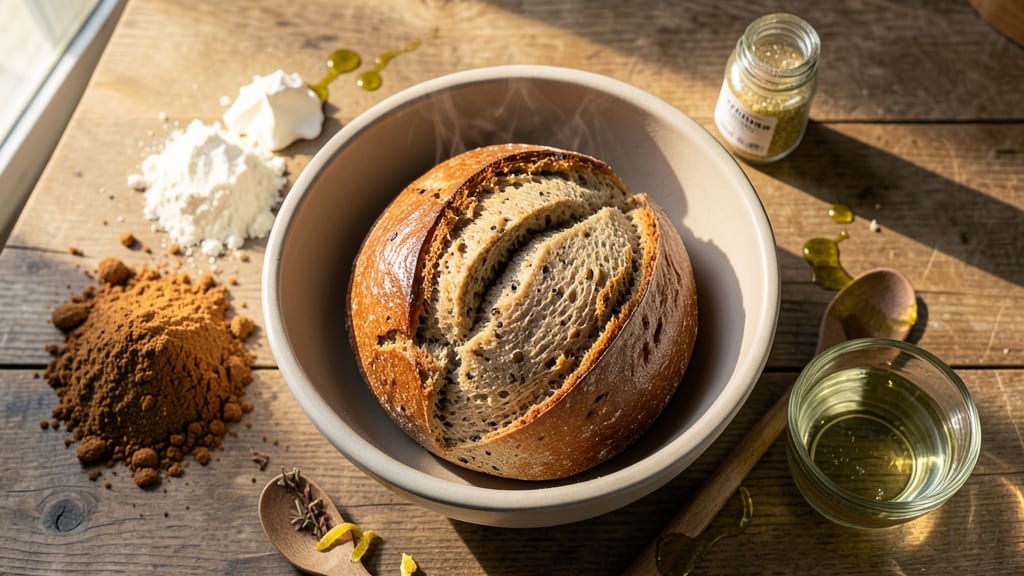
This 60-minute whole wheat bread recipe delivers the perfect balance of crusty crunch and airy crumb—no kneading required. The secret lies in a foolproof method that transforms simple ingredients into restaurant-quality loaves in under an hour.
I developed this recipe after years of experimenting with whole wheat dough, and it never fails to impress. What sets this apart is the two-stage mixing process, which ensures even hydration and gluten development without overworking the dough.
Whole wheat flour absorbs more moisture, so we use a slightly longer autolyse (resting period) to help it come together smoothly. The result? A loaf with a golden, crispy crust and an open, tender crumb that’s perfect for sandwiches or toast.
The recipe includes optional add-ins like seeds or honey for extra flavor, but the base version is simple and reliable. Whether you're a beginner or an experienced baker, this method delivers consistent, professional results every time. The best part?
You’ll have warm, homemade bread on the table in under an hour. Serve fresh with butter, pair with soups, or use for sandwiches—this bread is versatile and satisfying. Let’s get started!
Ingredients for 60 whole wheat bread
Fourteen ingredients transform into golden, crusty loaves in sixty minutes—no kneading required.
| Ingredient | Amount | Notes |
|---|---|---|
| King Arthur Whole Grain Flour 🌾 | 4 cups | High-protein blend for structure |
| Bread Flour 🌾 | 1 cup | For lighter texture balance |
| Active Dry Yeast 🍞 | 2 ¼ tsp | Or 1 packet (0.25 oz) |
| Granulated Sugar 🍚 | 1 tbsp | Feeds yeast activation |
| Warm Water 💧 | 1 ½ cups | 110°F for ideal yeast growth |
| Extra-Virgin Olive Oil 🫒 | ¼ cup | For dough elasticity |
| Salt 🧂 | 1 ½ tsp | Diamond Crystal preferred |
| Honey 🍯 | 1 tbsp | Optional for subtle sweetness |
| Sesame Seeds 🌻 | 2 tbsp | For decorative crust |
| Coarse Cornmeal 🌽 | ¼ cup | For dusting loaf pans |
| Ice Water ❄️ | ¼ cup | For final dough strength |
The flour blend is everything. King Arthur Whole Grain gives that hearty texture, but pairing it with bread flour prevents a dense crumb. I always grab mine from King Arthur's website or the bulk section at Whole Foods—their high-protein content makes all the difference. The yeast? Fresh is best (check the expiration date), but instant yeast works too. Store-bought bread flour is fine, but if you want to splurge, Caputo or King Arthur brands elevate the texture. Pro tip: measure your flour by weight if you have a kitchen scale—400g total for the flour blend ensures consistency.
No sesame seeds? Poppy seeds or sunflower seeds work beautifully for topping. Out of honey? Maple syrup at half the amount adds similar moisture without overpowering. The olive oil matters—extra-virgin has better flavor, but any neutral oil will work in a pinch. For the water, 110°F is ideal for yeast activation—too hot kills it, too cold slows it down. If your kitchen isn't warm enough, microwave the water for 30 seconds to reach the perfect temp. The cornmeal? Any coarse texture works—just avoid fine flour that'll clog your pan.
This dough is best used immediately, but you can shape and refrigerate it for up to 24 hours if needed—just let it sit at room temp for 30 minutes before baking. The baked loaves keep well at room temp for 3 days, wrapped in a clean kitchen towel. For longer storage, freeze slices between parchment paper for up to 3 months. Revive frozen bread by warming in a 350°F oven for 5 minutes. I always bake two loaves—one for immediate use and one to freeze for lazy mornings.
Why You'll Love This Recipe
- No-Knead Magic: I swear by this—just mix the King Arthur whole grain flour with bread flour, sprinkle in yeast, and let it rise while I fold laundry. No stand mixer, no fancy tools, just warm water and patience (the good kind).
- Whole Grain Without Compromise: Honestly, the combo of whole grain flour and bread flour gives it that hearty texture without tasting like cardboard. The sugar? Just enough to feed the yeast and make it slightly sweet—not cloying, just right.
- Meal Prep MVP: Between us, this bread stays fresh for days if wrapped tight. Toast it for breakfast, pack it for lunches, or freeze slices for when you’re too tired to bake. (Yes, even on a Tuesday night.)
- Budget-Friendly Staple: A single batch costs pennies and stretches forever—perfect for feeding the family without breaking the bank. Plus, the yeast and sugar are cheap, so you’re basically making gold from flour.
Step-by-step instructions for 60-Minute whole wheat bread
Here's how to transform simple ingredients into a loaf with a crispy crust and tender crumb—no kneading required.
Activate the Yeast with Warm Water and Sugar
In a large mixing bowl, combine the 1.5 cups warm water (around 110°F—test by placing a finger in it; it should feel warm but not hot) with the 1 tbsp granulated sugar and 2.25 tsp active dry yeast. Let this sit for 5-10 minutes until the mixture becomes frothy and bubbles form on the surface. This indicates the yeast is alive and ready to work its magic.
If you don't see bubbles after 10 minutes, your yeast might be dead—start over with fresh yeast. The yeast is the heart of your bread, so this step can't be rushed. I always use a clean bowl for yeast activation to avoid contamination from previous doughs.
Mix the Dough with Wet and Dry Ingredients
Add the 4 cups King Arthur Whole Grain Flour, 1 cup bread flour, 1.5 tsp salt, and 1 tbsp honey to the yeast mixture. Stir with a wooden spoon or dough whisk until a shaggy dough forms. Then add the 0.25 cup extra-virgin olive oil and mix again until just combined.
This blend of whole grain and bread flour creates the perfect balance—enough structure from the whole grain for nutrition, and enough bread flour for that light, airy texture we all crave. The olive oil adds elasticity and richness, which is especially important in whole wheat dough that can sometimes be dense.
Develop the Dough with the Ice Water
Gradually add the 0.25 cup ice water while mixing. The cold water will help strengthen the gluten structure in your dough. Mix with a wooden spoon until the dough comes together and pulls away from the sides of the bowl. It should be slightly sticky but manageable—if it's too wet, add 1 tbsp bread flour; if too dry, add 1 tsp ice water.
Here's the thing—whole wheat dough behaves differently than all-purpose flour dough. It's naturally denser, so we use ice water to tighten the gluten strands and improve oven spring. Don't be tempted to add extra flour at this stage; we want to maintain that perfect balance of structure and moisture.
Shape and Rest the Dough
Lightly dust a clean surface with 0.25 cup coarse cornmeal and turn out the dough. Gently shape it into a rectangle about 8x12 inches. Fold the dough over itself like a letter, sealing the edges. This technique, called "letter fold," helps develop gluten without overworking the dough.
Place the shaped dough seam-side up in a lightly greased 9x5-inch loaf pan. Cover with a clean kitchen towel and let it rise at room temperature for 30-40 minutes until it has puffed up about 50% and feels springy to the touch when pressed gently with one finger.
Bake to Golden Perfection
Preheat your oven to 375°F. Brush the top of the dough with a little water and sprinkle evenly with the 2 tbsp sesame seeds. Bake for 30-35 minutes until the bread is golden brown and sounds hollow when tapped on the bottom.
Here's my pro tip: If the top browns too quickly, tent the pan with aluminum foil after 20 minutes to prevent over-browning while the center finishes cooking. The internal temperature should reach 190-200°F when measured with an instant-read thermometer. Let the bread cool in the pan for 10 minutes before removing—this prevents it from falling apart when you slice it.
Pro Tips For Making 60 Whole Wheat Bread
- Measure Flour by Weight: King Arthur Whole Grain Flour packs differently than bread flour—don’t scoop from the bag. Use a kitchen scale for accuracy, especially with 60 servings. I learned this the hard way when my first batch turned out dense because I eyeballed it.
- Bloom Yeast in Warm Water: Mix the active dry yeast with the sugar and warm water first—let it sit for 5 minutes until foamy. This guarantees your yeast is alive and ready to work, not just floating in a sad puddle. (Yes, I’ve seen both.)
- Avoid Over-Kneading the Dough: Whole wheat dough is tougher than white—stop kneading when it springs back slowly after pressing. Overworking it makes the bread gummy. I used to go for that "perfect" feel, but the texture suffered.
- Use a Dutch Oven for Even Baking: If you don’t have one, line a heavy pot with parchment and cover it tightly with foil. This traps steam and gives you that crisp crust without drying out the crumb. My first loaves without this trick turned out flat and dry.
Regional styles of these flavors
Italian Rustic Loaf
Skip the loaf pan and shape your dough into a batard (oval loaf) for an authentic Italian touch. After the 30-minute rise, dust your work surface with semolina flour instead of cornmeal—it gives a beautiful golden crust.
Bake at 375°F for 35-40 minutes, rotating the pan halfway for even browning. Brush the warm loaf with olive oil and sprinkle with flaky sea salt for a restaurant-worthy finish. 🌟
French Baguette Twist
For a baguette-style version, divide your dough into 3 equal pieces and shape each into a 10-inch log. Roll under your palms to create tension, then bake on a preheated baking sheet at 425°F for 20-25 minutes.
Brush with garlic-infused olive oil after baking for extra flavor. This works best with less whole wheat flour—replace 2 cups with all-purpose flour for lighter texture.
German Pumpernickel Style
Transform this into a traditional German-style bread by adding 1 cup rye flour and 1 tbsp molasses to your dough. Increase the water to 1.75 cups for a denser, heartier loaf.
Shape into a round free-form loaf, bake at 350°F for 45-50 minutes, then cool completely before slicing. The molasses adds deep, caramelized flavor perfect for open-faced sandwiches.
Southern Cornbread Bread
Give your whole wheat bread a Southern twist by adding ½ cup cornmeal and 1 tsp cinnamon to the dough. Replace the sesame seeds with crushed pork rinds for a savory topping.
Bake in a cast-iron skillet at 400°F for 30 minutes—this creates a crispy bottom crust. Serve warm with honey butter or chili for a comforting meal. 🌽
Mediterranean Herb Bread
Infuse your loaf with 2 tbsp fresh rosemary and 2 tbsp fresh thyme, finely chopped, during the mixing stage. Replace sesame seeds with toasted pine nuts for topping. The herbs pair beautifully with olive oil and add a fragrant, earthy depth.
Bake as directed, but brush with lemon zest-infused olive oil** after baking for a bright finish. Perfect with grilled meats or roasted vegetables.
Nutrition facts
Frequently asked questions
Why does this whole wheat bread recipe use both whole grain and bread flour?
Whole wheat flour gives that nutty, hearty flavor and extra fiber, but it's heavier than all-purpose flour. The bread flour adds structure and lightness—without it, your loaf might turn out dense. This 4:1 ratio balances nutrition with texture, creating that perfect open crumb we all love.
Can I make this recipe without a stand mixer?
This dough is designed to be mixed by hand. Use a wooden spoon for the initial mixing, then your hands to develop the gluten. The ice water trick helps strengthen the dough naturally, so you won't need to overwork it. Just be patient—whole wheat dough takes a little more time to come together.
What if my dough doesn't rise properly?
First, check your yeast—it should be fresh and bubbly after 5-10 minutes in warm water. If your kitchen is cold (below 70°F), try a warmer spot like near the oven with the light on. For extra insurance, let the dough rise in a proofing box or microwave a cup of water to create steam. Never skip the rest period—rushing leads to dense bread.
How do I store leftover bread to keep it fresh?
Wrap cooled loaves in a clean kitchen towel (not plastic) to prevent sogginess. Store at room temperature for 3 days or freeze slices between parchment paper for 3 months. To revive frozen bread, warm in a 350°F oven for 5 minutes—it'll taste almost as good as fresh!
Can I add other seeds or grains to this recipe?
Yes! Try chia, flax, or pumpkin seeds for extra crunch and nutrition. Replace the sesame seeds with 1 tbsp of your choice during topping. For grains, add ½ cup cooked quinoa or millet to the dough—just reduce the water by 2 tbsp to maintain balance. Always adjust measurements carefully to avoid a gummy texture.