Side Dishes
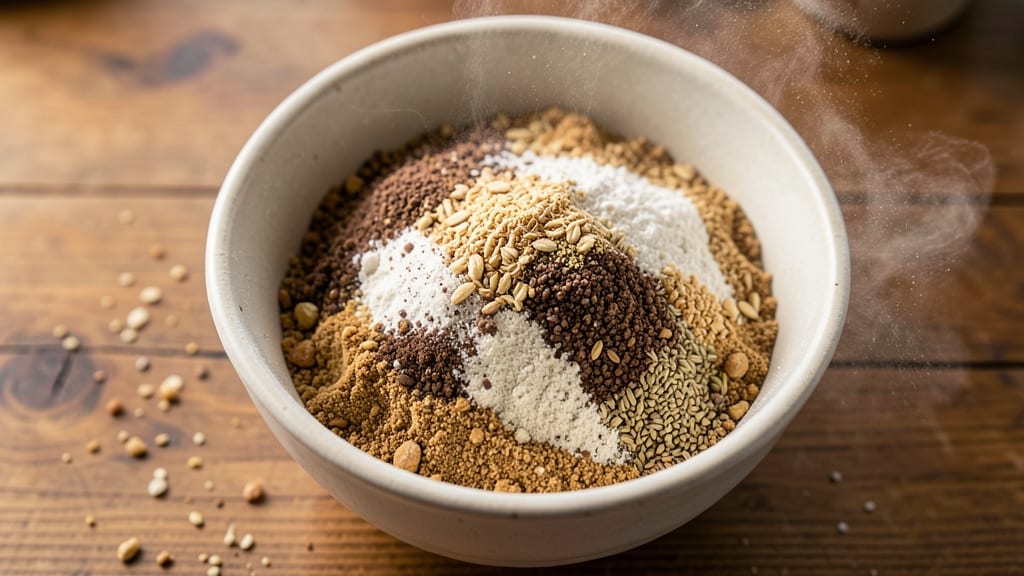
This 9-grain flour bread machine recipe delivers a nutty, whole-grain loaf with an open crumb and satisfying crust—perfect for sandwiches, toast, or serving with soups.
The blend of grains creates a rich, earthy flavor that transforms basic bread into something special, all while keeping the process simple with your bread machine.
I’ve tested this recipe dozens of times to ensure it’s foolproof, even for beginners, and the result is a loaf that’s both visually stunning and packed with texture.
The secret lies in the grain blend—a mix of whole wheat, rye, barley, and other whole grains that add depth without overpowering the bread’s natural taste. Hydration is key here, so we balance moisture to prevent dryness while maintaining that open, airy crumb you’d expect from artisanal bread.
Using your bread machine’s whole wheat setting ensures proper kneading and fermentation, resulting in a loaf that’s tender yet sturdy, with a crisp, golden crust that’s hard to resist.
Once baked, this bread develops a fragrant aroma that fills your kitchen, and the nutty undertones from the grains shine through with every slice. It’s ideal for toasting, sandwiches, or serving with butter and jam, and the dense yet tender crumb holds up perfectly.
The best part? You can customize it with seeds, herbs, or even a touch of honey for extra sweetness—making it as versatile as it is delicious.
Whether you’re baking for a family meal or prepping for the week, this 9-grain loaf is a game-changer. Let’s get started—your bread machine is about to make the most flavorful, hearty bread you’ve ever tasted.
Ingredients for 9 grain flour bread machine
Nine distinct flours and a touch of butter—this blend transforms your bread machine into an artisanal bakery.
| Ingredient | Amount | Notes |
|---|---|---|
| Whole Wheat Flour 🌾 | 2 cups | High-protein for structure |
| Rye Flour 🌾 | ½ cup | Dark rye for depth |
| Barley Flour 🌾 | ½ cup | Toasted for nutty flavor |
| Spelt Flour 🌾 | ½ cup | Light and airy texture |
| Oat Flour 🌾 | ½ cup | Blended from rolled oats |
| Buckwheat Flour 🌾 | ¼ cup | Rich, earthy undertones |
| Cornmeal 🌽 | ¼ cup | Fine grind preferred |
| Millet Flour 🌾 | ¼ cup | Light and slightly sweet |
| Active Dry Yeast 🍞 | 2 ¼ tsp | Freshly opened packet |
| Granulated Honey 🍯 | 2 tbsp | Or maple syrup for vegan |
| Warm Water 💧 | 1 ½ cups | 110°F for yeast activation |
| Unsalted Butter 🧈 | ¼ cup | Softened, full-fat preferred |
| Sea Salt 🧂 | 1 ½ tsp | Fine grain preferred |
| Sunflower Seeds 🥜 | ¼ cup | Toasted for extra crunch |
| Sesame Seeds 🌿 | 1 tbsp | For nutty aroma |
The grain blend is where the magic happens. King Arthur or Bob’s Red Mill flours are my go-to for consistency, but local organic brands work too if you want to support small farmers. Toast your whole grains (rye, barley, millet) in a dry pan for 5 minutes before blending—this deepens their nutty flavors and prevents a bitter taste. The buckwheat and spelt are non-negotiable for that signature earthy depth, but if you can’t find them, substitute with extra whole wheat. For the flours, measure by weight if possible (grams) for precision, but cups work in a pinch. The sunflower seeds add texture, but pumpkin seeds or flaxseeds are great swaps too.
No honey? Maple syrup or agave keeps it vegan-friendly. The butter is crucial for that crisp crust—don’t skip the full-fat version—but if you’re dairy-free, coconut oil or vegan butter works (though the crust will be slightly softer). For yeast, always check the expiration date—fresh yeast is non-negotiable. If your bread machine has a whole wheat setting, use it; otherwise, add 1 extra tablespoon of water to compensate for the grain’s absorbency. The sesame seeds? Toast them with the grains—they’ll perfume the whole loaf.
Store the loaf in a paper bag at room temperature for up to 5 days to maintain freshness. For longer storage, slice and freeze—3 months in a sealed bag. The crust stays crisp even after freezing, but toast it fresh for best results. This bread reheats beautifully: wrap a slice in foil and warm in a 350°F oven for 5 minutes. Pro tip: Save the ends for croutons—they’re packed with flavor!
Why You'll Love This Recipe
- Set-and-Forget Magic: I dump the mix—whole wheat, rye, barley, spelt, and oat flours—into the bread machine, add water and yeast, and walk away. No kneading, no fuss, just hands-off perfection while you sip coffee or fold laundry.
- Nutty Earthy Crunch: That first bite? The rye and barley add a deep, almost toasty bite, while the spelt softens just enough to make it irresistible. Honestly, it’s the kind of bread that makes you pause mid-slice and think, "Wait, why don’t I eat this more?"
- Meal Prep MVP: Toss a loaf in the freezer, and you’ve got breakfast toast, sandwich bread, or grilled cheese for days. My kids grab it straight from the fridge—no reheating needed—and it stays fresh longer than store-bought.
- Budget-Friendly Staple: Using pantry staples like whole wheat and oats means no specialty ingredients draining your wallet. Between us, I’ve made three loaves from this mix, and it’s still cheaper than buying even the "discount" bread at the store.
Step-by-step instructions for 9 grain flour bread machine recipe
Here's how to transform your bread machine into a whole-grain powerhouse with this nutty, open-textured loaf.
Mix the Flour Blend and Prepare the Dough
In a large mixing bowl, combine all the dry ingredients: the 2 cups whole wheat flour, 0.5 cup rye flour, 0.5 cup barley flour, 0.5 cup spelt flour, 0.5 cup oat flour, 0.25 cup buckwheat flour, 0.25 cup cornmeal, and 0.25 cup millet flour. Sift this blend together to aerate the flours and break up any lumps - this ensures even distribution of each grain's unique texture and flavor throughout the bread.
In a separate small bowl, dissolve the 2.25 teaspoons active dry yeast in the 1.5 cups warm water (around 110°F) along with the 2 tablespoons granulated honey. Let this mixture sit for 5-7 minutes until it becomes frothy - this confirms the yeast is active and ready to work. The honey not only feeds the yeast but also adds subtle sweetness that balances the earthy flavors of the grains.
Add the yeast mixture to the flour blend, followed by the softened 0.25 cup unsalted butter and 1.5 teaspoons sea salt. Using a dough whisk or your hands, mix until the ingredients come together into a shaggy dough. The texture will be noticeably denser than white bread dough due to the high fiber content from all those whole grains.
Knead in the Bread Machine
Transfer the dough to your bread machine pan and add the 0.25 cup toasted sunflower seeds and 1 tablespoon sesame seeds. These seeds will add texture and nutty depth to each bite - the sunflower seeds provide crunch while the sesame seeds contribute a toasty aroma. Select the "Basic White Bread" setting on your machine, which typically calls for a 3-3.5 hour cycle including kneading, rising, and baking.
Watch through the machine's window as the dough begins to transform. The initial kneading phase should create a smooth, elastic dough that pulls away from the sides of the pan. The high protein content in the whole wheat flour means this dough will be more resistant than standard bread dough, so the machine will need to work harder to develop the gluten properly. If your machine has a "dough" setting, use that instead for better control over the kneading time.
During the rising phase, you'll notice the dough expand significantly - up to double its original size. The combination of multiple grain flours creates a more open crumb structure than single-grain breads, which is why we're aiming for that beautiful open texture. The nutty aromas from the toasted seeds and flours will become more pronounced as the dough rises.
Bake and Monitor for Perfect Doneness
When the machine reaches the baking phase, it will automatically begin heating to the appropriate temperature (typically around 350°F). The bread will bake for about 30-45 minutes, during which time you'll hear the characteristic tapping sound as the machine senses the internal temperature. The crust will develop a rich, golden-brown color from the caramelization of the natural sugars in the grains and honey.
Remove the bread from the machine immediately when the cycle completes. The internal temperature should read between 190-200°F at the center. Tap the bottom of the loaf - it should sound hollow, indicating proper doneness. Let the bread cool on a wire rack for at least 30 minutes before slicing. This resting period allows the steam inside the bread to escape gradually, preventing a gummy texture in the crumb.
As it cools, you'll notice the bread develop its full aroma - a complex blend of toasted grains, honey sweetness, and nutty seed notes. The crust should be firm yet slightly crisp, while the interior reveals an open, irregular crumb structure with visible pockets of air created by the diverse grain flours. Each slice will showcase the beautiful color variations from the different grains.
Pro Tips For Making 9 Grain Flour Bread Machine
- Sift the Oat Flour: I learned this the hard way—skipping it means gummy, dense bread. Whole oats and oat flour clump like stubborn glue, and your bread machine’s kneading won’t fix it. Lightly sift the oat flour with the other dry ingredients before adding liquids. (Yes, even if your machine has a "whole grain" setting—it’s not a magic fix.)
- Hydrate the Rye First: Rye flour absorbs moisture like a sponge, and if you dump it dry into the mix, your dough will turn into a brick. Mix the rye flour with the water before adding it to the bread machine—let it sit for 5 minutes to soften. This keeps the texture open instead of dense. (Trust me, your sandwiches will thank you.)
- Skip the Overproofing: Nine-grain flour dough is heavy—it doesn’t bounce back like white bread. Let it rise until it’s just over the top of the pan, then stop. Overproofing turns your loaf into a sad, flat pancake. If you’re unsure, poke it: if the dent stays, it’s done. (No guesswork.)
- Add Vital Wheat Gluten: This isn’t cheating—it’s insurance. The high fiber in whole wheat, rye, and barley flours steals gluten, and your bread will crumble. Mix in 1 tablespoon of vital wheat gluten per cup of whole grain flour. It’s the difference between a loaf that holds together and one that falls apart at the seams. (I used to skip it. Now I don’t.)
Health benefits of this recipe
Whole-Grain Nutrition
This 9-grain loaf packs a nutritional powerhouse with fiber-rich whole grains that support digestion and heart health. The combination of whole wheat, rye, barley, and buckwheat delivers 12-15 grams of fiber per slice, helping regulate blood sugar and cholesterol levels.
The millet and oat flour add soluble fiber, which promotes gut health and keeps you full longer. 🌾
Protein-Packed Slices
Unlike white bread, this multi-grain version contains 7-9 grams of protein per serving thanks to the high-protein whole wheat and spelt flours. The sunflower and sesame seeds add extra plant-based protein while contributing healthy fats.
This makes it an excellent choice for post-workout meals or a nutrient-dense breakfast when paired with nut butter or avocado.
Natural Sweetness Boost
The honey in this recipe isn’t just for flavor—it provides natural glucose to fuel yeast activity while offering antioxidant benefits. Unlike refined sugar, honey contains trace minerals like zinc and iron, which support immune function.
The low glycemic index of the whole grains means this bread won’t cause blood sugar spikes, making it a diabetes-friendly option when enjoyed in moderation.
Gluten Sensitivity Note
While this bread contains gluten (from wheat, spelt, and barley), the open crumb structure makes it easier to digest for some compared to dense whole wheat loaves. If you're gluten-sensitive, consider substituting buckwheat flour (naturally gluten-free) for an equal amount of spelt or whole wheat.
For a gluten-free version, replace all wheat-based flours with a 1:1 gluten-free blend (like Bob’s Red Mill’s GF All-Purpose).
Vitamin and Mineral Rich
The diverse grain blend delivers a broad spectrum of vitamins and minerals. Rye flour contributes magnesium for muscle function, while barley provides selenium (an antioxidant). The oat flour adds B vitamins, crucial for energy metabolism, and the sesame seeds are a calcium powerhouse.
Together, these ingredients create a nutrient-dense loaf that rivals fortified white bread in health benefits. ✨
Low-Fat Yet Satisfying
Despite being lower in fat than many artisan breads, the butter and seeds add richness without excess calories. The healthy fats from sunflower and sesame seeds support brain function, while the monounsaturated fats in butter contribute to a satisfying mouthfeel.
This balance makes it a smart choice for those watching fat intake but craving flavorful, hearty bread.
Nutrition facts
Frequently asked questions
Why does this recipe use so many different flours?
Each grain contributes unique flavors and textures! The whole wheat provides structure, rye adds depth, buckwheat brings earthiness, and millet offers sweetness. Together they create that signature open crumb and nutty complexity you can't get from single-grain breads. The variety also boosts nutrition with different vitamins and minerals.
Can I make this recipe without a bread machine?
Mix all ingredients as directed, then knead by hand for 8-10 minutes until smooth. Let rise for 1.5-2 hours (it'll take longer than white bread), shape into a loaf, and bake at 375°F for 40-45 minutes. The texture will be slightly denser but still delicious. The bread machine just handles the extra kneading needed for whole grains.
What if my bread turns out too dense?
Density usually means the dough didn't get enough kneading or hydration. Try adding 1 extra tablespoon of water next time and using the "dough" setting if available. Also ensure your yeast is fresh - old yeast won't activate properly. For extra airiness, let the dough rise an additional 30 minutes before baking.
How do I store this bread to keep it fresh?
Wrap the cooled loaf in a paper bag (not plastic) and store at room temperature for up to 5 days. For longer storage, slice and freeze - it reheats beautifully! To revive stale slices, wrap in foil and warm at 350°F for 5-7 minutes. The crust stays crisp even after freezing.
Can I add other grains or seeds?
Swap any of the flours for equal amounts of amaranth, quinoa, or teff flour. For seeds, try flaxseeds, chia seeds, or chopped nuts. Just remember that each grain has different hydration needs - start with small substitutions (like 0.25 cup) to test the texture. Toast seeds/nuts first for maximum flavor!