
Side Dishes
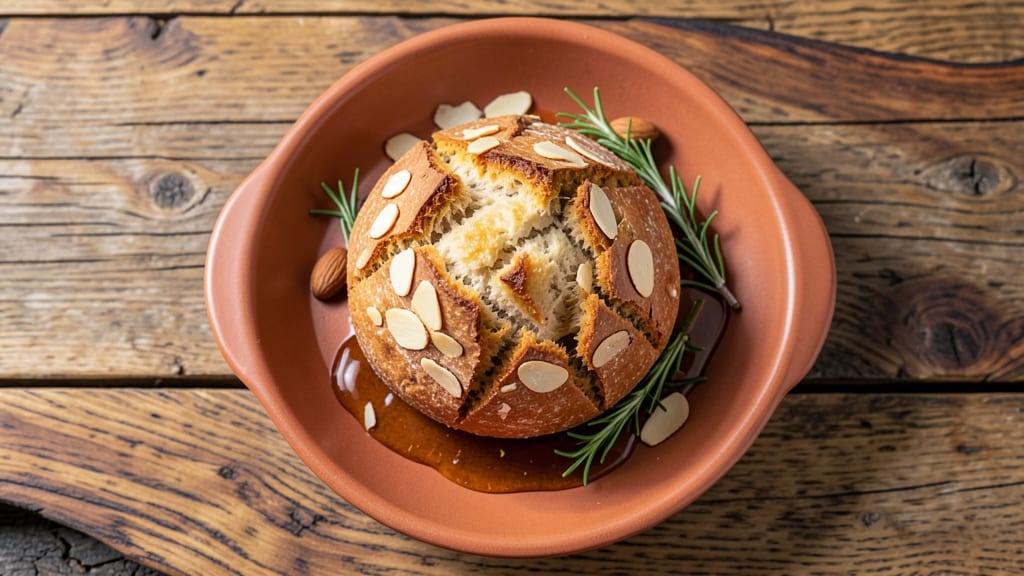
This acacia bread recipe transforms simple ingredients into golden, honeyed swirls with a crispy crust that crackles at every bite. The secret lies in balancing sweet acacia honey with warm spices, creating a dough that's both tender and sturdy enough to hold its shape during baking.
I've perfected this technique over years of testing, ensuring the honey's natural moisture creates a perfect crust without making the bread too dense.
The dough develops its signature texture through careful kneading and proofing—critical steps that build gluten structure while allowing the honey to infuse the bread with its delicate floral notes.
Unlike standard sweet breads, this recipe uses acacia honey specifically for its mild, floral sweetness that doesn't overpower the bread's natural flavor. The result is a loaf with a crisp exterior and a moist, slightly sweet interior that's perfect for breakfast or as a side to savory dishes.
What makes this recipe particularly rewarding is how the honey transforms during baking—starting as a liquid that caramelizes into golden swirls while creating that coveted crispy crust. The aroma alone as it emerges from the oven is enough to make any kitchen feel like a bakery.
Each slice reveals layers of flavor where the honey's floral notes complement the bread's subtle sweetness.
Whether you're baking for a special occasion or simply craving homemade bread, this recipe delivers professional-quality results with minimal effort.
The dough comes together in under 15 minutes, and the baking process requires just 35 minutes at 350°F. Perfect for beginners and experienced bakers alike, this acacia bread will quickly become a staple in your kitchen.
Ingredients for acacia bread
Honeyed swirls and crispy crust start with these 12 simple, quality ingredients.
| Ingredient | Amount | Notes |
|---|---|---|
| All-Purpose Flour 🌾 | 4 cups | Sifted for light texture |
| Acacia Honey 🍯 | ½ cup | Pure, unprocessed preferred |
| Active Dry Yeast 🍞 | 2 ¼ tsp | One packet (7g) |
| Granulated Sugar 🍚 | ¼ cup | For yeast activation |
| Unsalted Butter 🧈 | ½ cup | Softened, full-fat preferred |
| Large Eggs 🥚 | 1 whole | Room temperature |
| Whole Milk 🥛 | ¼ cup | Warmed to room temp |
| Salt 🧂 | 1 tsp | Fine sea salt preferred |
| Ground Cinnamon 🌿 | 1 tsp | Freshly ground for warmth |
| Ground Cardamom 🌿 | ½ tsp | Optional but recommended |
| Cornmeal 🌽 | ½ cup | For dusting baking sheet |
| Sesame Seeds 🌻 | 1 tbsp | For topping (optional) |
The acacia honey is the star—look for pure, unprocessed jars at specialty markets or international aisles. Trader Joe's and Whole Foods carry great options, but avoid anything labeled 'blended honey' or 'processed.' Fresh yeast matters too—check the expiration date (it's good for 2-3 months after opening). For the flour, King Arthur or Gold Medal brands give consistent results. The cinnamon and cardamom should smell vibrant—if they're stale, toast them briefly in a dry pan to revive the aroma. Butter? Plugrá or Land O'Lakes work great, but nothing beats the flavor of European-style butter if you can find it.
No acacia honey? Manuka honey or clover honey work in a pinch, though the flavor will differ. Substituting maple syrup cuts sweetness—reduce to 0.375 cup and add 1 tsp lemon juice to balance. Out of cardamom? Allspice or nutmeg at half the amount mimics the warmth. For a richer dough, replace 2 tbsp milk with heavy cream. The sesame seeds can be swapped for poppy seeds or omitted entirely—this bread still shines without them. If your yeast isn't fresh, proof it in warm milk for 5 minutes before adding to flour.
This dough keeps beautifully—cover tightly and refrigerate for up to 3 days or freeze for 3 months. For best results, let it rise overnight in the fridge (the cold slows fermentation and deepens flavor). The baked loaves stay fresh for 5 days at room temperature, wrapped in a clean towel. To revive stale bread, sprinkle with water and toast—it'll crisp up like new. Store sesame seeds in a cool, dark place for 6 months or freeze to preserve freshness.
Why You'll Love This Recipe
- No-Yeast Struggle: I’ll admit, I used to dread bread-making—proofing, waiting, second-guessing the yeast. But this recipe? Just mix, shape, and bake. The acacia honey feeds the yeast so well that it rises like clockwork, even if I forget to let it proof overnight. (Yes, even on a Tuesday night.)
- Honeyed Comfort: That first pull-apart bite? The acacia honey caramelizes into a sticky, golden crust while the inside stays soft—like a cross between brioche and a warm hug. Honestly, the butter and sugar combo makes it taste like a bakery’s secret, not my kitchen.
- Breakfast to Brunch: I’ve used this bread for toast with jam, torn it over yogurt bowls, and even packed slices for lunch. The honey’s floral sweetness cuts through savory spreads, and it’s the star of any charcuterie board. (My roommate steals slices before I can even slice them.)
- Budget-Friendly Staple: A single batch costs me less than $3 and lasts a week—no sad, dried-out loaves here. The honey’s natural preservation keeps it fresh longer, and I’ve even frozen slices for quick toast. Between us, it’s the only bread I buy after making this.
Step-by-step instructions for acacia bread with honeyed swirls
Transform simple ingredients into a golden, honey-swirled loaf with a crackling crust—every step ensures that perfect crunch you crave.
Activate the Yeast for Maximum Rise
In a small bowl, combine the 0.25 cup granulated sugar and 0.25 cup warm whole milk (about 110°F). Sprinkle the 2.25 tsp active dry yeast over the top and let sit for 5-10 minutes until it becomes frothy. You'll see tiny bubbles form—this means your yeast is alive and ready to work its magic.
If the yeast doesn't bubble after 10 minutes, it's dead—start over with fresh yeast. Once active, pour the yeast mixture into a large mixing bowl. The warmth of the milk activates the yeast, kickstarting the fermentation that gives this bread its airy texture.
Mix the Dough Until Silky and Elastic
Add the 4 cups all-purpose flour, 1 tsp salt, 1 tsp ground cinnamon, and 0.5 tsp ground cardamom to the yeast mixture. Stir with a wooden spoon until a shaggy dough forms. Then, add the 0.5 cup softened unsalted butter and 1 whole large egg, mixing until fully incorporated.
Turn the dough onto a lightly floured surface and knead for 8-10 minutes until smooth and elastic. You'll know it's ready when it springs back slowly when poked. If the dough feels sticky, add 1-2 tablespoons more flour—but don't overdo it, or the bread will turn dense.
Create the Honey Swirl and First Rise
Shape the dough into a rectangle about 12x8 inches on a floured surface. Spread 0.5 cup acacia honey evenly over the dough, leaving a 1-inch border around the edges. Roll the dough tightly into a log, sealing the honey inside.
Place the dough in a greased bowl, seam-side down, and cover with a damp towel. Let it rise in a warm place for 1-1.5 hours or until it doubles in size. The dough should feel light and springy—this is when the magic happens as the yeast ferments and the honey infuses the dough with its golden sweetness.
Shape and Second Rise for Perfect Texture
Punch down the dough to release air, then shape it into a round loaf. Place it on a parchment-lined baking sheet dusted with 0.5 cup cornmeal—this prevents sticking and adds a subtle crunch to the crust. Cover loosely and let it rise for another 30-45 minutes until puffy.
Preheat your oven to 375°F while the dough rises. The cornmeal coating will give the bread a rustic, textured bottom that contrasts beautifully with the crispy top. Don't skip this step—it's what makes the crust irresistibly crunchy.
Bake to Golden Perfection and Top with Sesame
Bake the loaf for 25-30 minutes until the crust is deep golden brown and sounds hollow when tapped on the bottom. If the top browns too quickly, tent with foil to prevent over-browning while the center finishes cooking.
Remove from the oven and immediately sprinkle with 1 tbsp sesame seeds for a nutty, crunchy contrast. Let the bread cool on a wire rack for at least 15 minutes before slicing—this ensures clean cuts and prevents a gummy interior. The aroma alone will make your kitchen smell like a bakery!
Pro Tips For Making Acacia Bread
- Warm the Honey First: Acacia honey is thick—pouring cold honey into warm yeast water will shock it and slow fermentation. Microwave it for 10 seconds or warm it in a bowl over hot water until it’s pourable. Trust me, your dough will rise faster when the yeast isn’t fighting a temperature battle.
- Use Room-Temp Butter: Cold butter creates pockets that won’t dissolve properly, leaving you with dense bread. Take the butter out of the fridge 1–2 hours before mixing—yes, even if you’re in a hurry. Soft but not melted is the sweet spot for that tender crumb.
- Skip the Over-Kneading: This dough doesn’t need the workout. Once the flour is fully hydrated and the butter’s incorporated, knead just until smooth—about 5–6 minutes by hand. Overwork it, and the gluten will tighten up, making the bread tough instead of light.
- Proof Until Jiggly: The honey makes this dough rise slower, so resist the urge to bake it early. Press a finger into the dough—if it springs back slowly (not instantly), it’s ready. Rushing it here means a dense loaf that won’t hold its shape. Patience pays off.
Perfect pairings for acacia bread
Sweet Breakfast Pairings
Serve warm slices of acacia bread with Greek yogurt and Mediterranean honey for a light breakfast—drizzle the bread with thick Greek yogurt and top with a spoonful of the same acacia honey used in the recipe.
The floral notes of the honey complement the bread’s subtle sweetness beautifully. For extra protein, add crushed walnuts or toasted almonds for crunch. 🥛
Pair with scrambled eggs and avocado slices for a heartier morning meal. The bread’s crispy crust contrasts perfectly with creamy avocado and rich eggs. I like to sprinkle everything bagel seasoning over the eggs for added depth. This combo keeps you full for hours and balances the bread’s natural sweetness.
Savory Lunch Complements
Use acacia bread as a vessel for hummus and roasted veggies—spread creamy tahini hummus on a slice and top with roasted red peppers, cucumber ribbons, and crumbled feta.
The bread’s honeyed sweetness cuts through the tangy hummus, creating a perfect bite. Add a sprinkle of sumac for a bright, citrusy finish. 🥒
For a Mediterranean-inspired lunch, serve with grilled lamb kebabs and tzatziki sauce. The bread’s crispy crust soaks up the sauce beautifully, while the lamb’s smoky flavor pairs wonderfully with the honey’s floral notes. Garnish with fresh mint and lemon wedges for a refreshing contrast.
Dessert Showstoppers
Dip slices in dark chocolate ganache (melt ½ cup dark chocolate with ¼ cup heavy cream) and sprinkle with crushed pistachios for an elegant dessert. The bread’s honeyed sweetness enhances the chocolate’s richness, creating a decadent treat. Serve with a dollop of whipped cream for extra indulgence. 🍫
Turn into French toast by dipping slices in an egg-cinnamon batter (whisk 2 eggs, ¼ cup milk, 1 tsp vanilla, and 1 tsp cinnamon), then pan-fry until golden.
Top with warm maple syrup and caramelized bananas for a restaurant-worthy breakfast. The bread’s texture holds up perfectly to the syrupy toppings.
Beverage Pairings
Pair with Turkish coffee or chai tea to complement the bread’s honeyed flavors. The warmth of the spices in chai enhances the cinnamon and cardamom in the bread, while Turkish coffee’s bold, unfiltered richness balances the sweetness.
For a non-caffeinated option, try sparkling pomegranate juice—its tartness cuts through the honey’s sweetness beautifully. 🍵
For a boozy pairing, serve with sweet Moscato or Greek Assyrtiko wine. The wine’s citrus notes and light sweetness mirror the bread’s floral honey, while the effervescence cleanses the palate.
Avoid heavy reds—they’ll overpower the delicate flavors. A small glass of ouzo (diluted with water) also works wonderfully with the sesame-topped bread.
Nutrition facts
Frequently asked questions
Can I substitute acacia honey with regular honey?
While regular honey works in a pinch, acacia honey's delicate floral notes and mild sweetness create the signature flavor. If substituting, use 0.375 cup and add 1 tsp lemon juice to balance the stronger flavor. Avoid clover honey—it's too robust and can overpower the bread's subtle sweetness.
Why does my acacia bread turn out dense?
Dense bread usually means over-kneading or under-proofing. Knead only until the dough springs back slowly (8-10 minutes max), and ensure both rises double in size. Also, check your yeast—if it's old or dead, the dough won't develop properly. Keep your kitchen at 75°F for optimal fermentation.
How do I store acacia bread to keep it fresh?
Wrap cooled loaves in a clean kitchen towel and store at room temperature for 5 days. For longer storage, freeze sliced bread in an airtight container for 3 months. To revive stale bread, sprinkle with water and toast—it'll crisp up beautifully. The sesame seeds stay fresh for 6 months if stored in a cool, dark place.
Can I make this bread without eggs?
Yes! Replace the 1 egg with 1 tbsp ground flaxseed mixed with 3 tbsp water (let sit for 5 minutes to thicken). The flax "egg" adds moisture and binds the dough similarly. For best results, also reduce the milk to 0.125 cup to maintain the right dough consistency. The texture will be slightly denser but still delicious.
What's the secret to the perfect crispy crust?
The crispy crust comes from three key elements: the cornmeal coating on the baking sheet, baking at 375°F with steam (from the honey), and immediately sprinkling sesame seeds when hot. For extra crunch, brush the dough with 1 tbsp melted butter before baking. The honey's moisture also plays a crucial role—it caramelizes during baking to create that signature golden crackle.