
Side Dishes
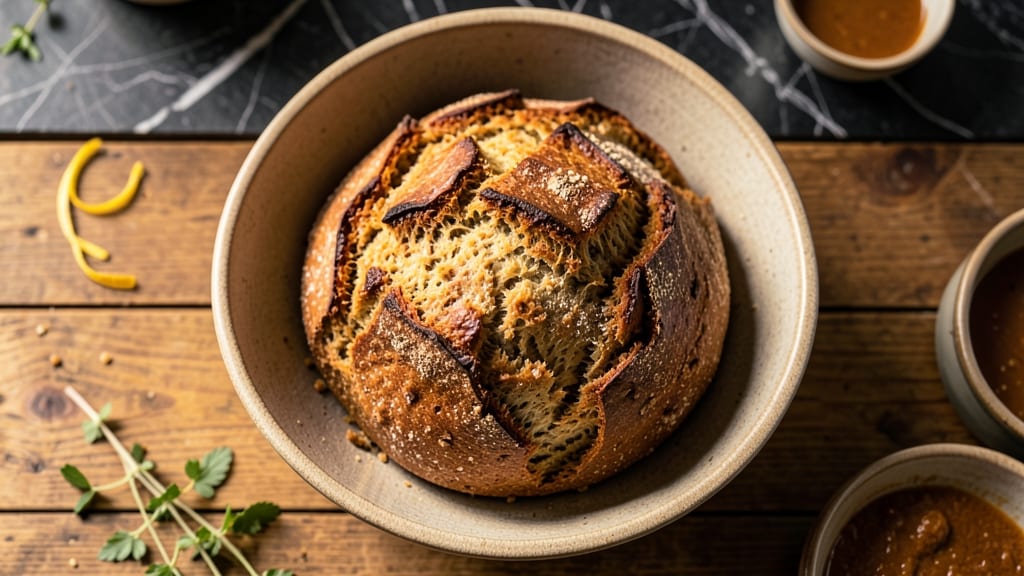
This active dry yeast whole wheat bread delivers the perfect balance of nutty flavor, open crumb structure, and satisfying seed texture—all without compromising nutrition. The key lies in proper yeast activation and dough development, which transforms dense whole wheat into light, airy loaves with a crisp golden crust.
Unlike commercial breads, this recipe uses traditional methods to preserve flavor while maximizing digestibility through proper fermentation.
Whole wheat flour absorbs moisture differently than white flour, so we'll adjust hydration slightly and extend the kneading time to develop gluten properly. The active dry yeast requires precise activation—too hot and it dies; too cool and it won't work.
This recipe includes both traditional kneading and a modern no-knead option, giving you flexibility based on your schedule and skill level. The result? Bread with an open, even crumb that's perfect for sandwiches or toast.
What makes this recipe stand out is the nutty crust and seedy texture that come from whole wheat's natural oils and added seeds. The dough proofing stage is critical—patience here determines whether your bread rises properly or collapses.
We'll guide you through each step to ensure you achieve that ideal balance of flavor and texture that whole wheat bread deserves. Ready to bake bread that's as nutritious as it is delicious?
Whether you're making bread for daily sandwiches or special occasions, this recipe delivers consistent results. The active dry yeast ensures reliable fermentation, while the whole wheat flour provides fiber and nutrients without sacrificing taste. Let's get started on creating bread that's truly whole grain through and through.
Ingredients for active dry yeast whole wheat bread
Whole wheat flour needs extra care—here's what transforms it into light, nutty bread with perfect crumb and crust.
| Ingredient | Amount | Notes |
|---|---|---|
| Active Dry Yeast 🍞 | 2 ¼ tsp | Ensure yeast is fresh and viable |
| Whole Wheat Flour 🌾 | 4 cups | High-protein for better gluten development |
| All-Purpose Flour 🌾 | 1 cup | Balances whole wheat density |
| Warm Water 💧 | 1 ½ cups | 110°F for optimal yeast activation |
| Granulated Sugar 🍚 | 1 tbsp | Feeds yeast for fermentation |
| Unsalted Butter 🧈 | ¼ cup | Softened for proper mixing |
| Large Egg 🥚 | 1 whole | Enhances structure and browning |
| Salt 🧂 | 1 ½ tsp | Diamond Crystal preferred |
| Sesame Seeds 🌰 | 2 tbsp | For nutty texture and crust |
| Sunflower Seeds 🌻 | 2 tbsp | Adds crunch and visual appeal |
| Poppy Seeds 🌼 | 1 tbsp | Optional for extra flavor |
| Olive Oil 🫒 | 1 tbsp | Extra-virgin for richness |
The whole wheat flour is the foundation, but it behaves differently than white flour—it absorbs moisture more slowly and requires extra kneading to develop gluten properly. King Arthur or Bob's Red Mill are excellent choices for their high protein content. The active dry yeast is non-negotiable here; instant yeast won't give you the same rise control. For the butter, Plugrá or Land O'Lakes work perfectly, but make sure it's unsalted so you can control the final saltiness. The seeds are what give this bread its signature texture and flavor—Trader Joe's has great bulk bins for these, or grab them at any well-stocked grocery store. If you're using a stand mixer, the dough will be sticky but manageable with a dough hook.
No sesame seeds? Toasted flaxseeds or pumpkin seeds work beautifully—just adjust the amount to maintain the same visual appeal. Running short on whole wheat flour? Substitute up to half with white whole wheat flour for a lighter texture, but don't go beyond that or the structure will suffer. The olive oil can be swapped for avocado oil if you prefer a neutral flavor, but stick with extra-virgin for that rich taste. For the yeast activation, if your kitchen runs hot, use slightly cooler water (105°F) to prevent killing the yeast. The dough will be denser initially but will rise beautifully once proofed properly. If you're in a hurry, you can use the no-knead method, but kneading develops more gluten for that perfect open crumb.
This dough keeps well in the fridge for up to 3 days, wrapped tightly in plastic. For longer storage, freeze shaped loaves for up to 3 months—thaw at room temperature before baking. The seeds on top stay fresh for about 2 weeks if stored in an airtight container. Leftovers? Toast them within 2 days for maximum freshness. The bread freezes beautifully too—just wrap it well and reheat in a 350°F oven for 5-10 minutes to restore that fresh-baked aroma. Make a double batch and freeze one loaf for when you need a quick sandwich fix.
Why You'll Love This Recipe
- No-Fuss Mixing: I swear by the 5-minute knead—just toss in the warm water, yeast, and sugar first, let it foam, then fold in the flours. No stand mixer, no stress, just your hands and a bowl.
- Nutty Rich Crust: That whole wheat flour gives it a deep, earthy bite, but the all-purpose keeps it tender inside. Toast it? Golden perfection. Eat it fresh? Still crave-worthy.
- Weeknight Workhorse: Sandwiches for lunch, toast for breakfast, or dinner rolls—it handles everything. (Yes, even when I forget to plan ahead.)
- Budget-Friendly Staple: A single batch costs less than store-bought, lasts a week in the freezer, and turns stale bread into croutons. No waste, all wins.
Step-by-step instructions for artisan whole wheat bread
Here's how to craft a rustic loaf with a nutty crust, open crumb, and satisfying seed-studded texture.
Activate the Yeast and Create the Dough
In a large mixing bowl, combine the 1.5 cups warm water (about 110°F), 1 tbsp granulated sugar, and 2.25 tsp active dry yeast. Let it sit for 5-10 minutes until the mixture becomes frothy and bubbly—this confirms your yeast is alive and ready to work. If it doesn't bubble, your yeast may be inactive, and you'll need to start over.
Once bubbly, add the 4 cups whole wheat flour, 1 cup all-purpose flour, 1.5 tsp salt, and 0.25 cup softened unsalted butter to the bowl. Mix with a wooden spoon or dough whisk until a shaggy dough forms. The whole wheat flour will be dense, so don't worry if it looks dry at first. Gradually add the 1 tbsp olive oil and mix until fully incorporated.
Knead Until Elastic and Smooth
Turn the dough onto a lightly floured surface and knead for 8-10 minutes by hand, or use a stand mixer with a dough hook on medium speed for 5-6 minutes. You're looking for a dough that's smooth, elastic, and slightly tacky but not sticky. The whole wheat flour requires more kneading than all-purpose to develop gluten properly for that open crumb structure.
Test for readiness by performing the "windowpane test": stretch a small piece of dough thin enough to see light through it without tearing. If it passes, your dough is ready. If not, knead for another 2-3 minutes. Once done, place the dough back in the bowl, cover with a damp towel, and let it rise in a warm place for 1-1.5 hours or until doubled in size.
Shape and Second Rise
Punch down the risen dough to release air, then divide it into 2 equal portions. Shape each portion into a smooth, round boule by pulling the edges toward the center and sealing tightly. Place the shaped dough onto a baking sheet lined with parchment paper, cover with the damp towel, and let rise again for 30-45 minutes until puffy and nearly doubled.
While the dough rises, preheat your oven to 375°F. In a small bowl, mix the 2 tbsp sesame seeds, 2 tbsp sunflower seeds, and 1 tbsp poppy seeds. Once the dough has risen, brush the tops with the 1 whole large egg (beaten lightly with a fork), then sprinkle generously with the seed mixture. This will give your bread that beautiful crunchy crust and nutty flavor.
Bake to Golden Perfection
Bake the bread for 30-35 minutes until the crust is deep golden brown and the internal temperature reaches 190-200°F. The bread should sound hollow when tapped on the bottom. For even browning, you can also place a small baking dish filled with water on the lower oven rack to create steam during the first 10 minutes of baking.
Remove the bread from the oven and let it cool on a wire rack for at least 15 minutes before slicing. The crust will firm up as it cools, and the crumb will develop that satisfying open texture. Slice into thick pieces to enjoy the full nutty, seedy experience—this bread is best served fresh from the oven when the crust is still crisp and the interior is warm and tender.
Pro Tips For Making Active Dry Yeast Whole Wheat Bread
- Bloom the Yeast First: Skip mixing the yeast directly into dry flour—it’s lazy and unreliable. Instead, dissolve it in warm water (110°F) with sugar first, then wait 5–10 minutes until it’s foamy and bubbly. Whole wheat flour’s density can kill sluggish yeast, so this step guarantees it’s alive and ready to work.
- Mix Wet Ingredients Only: Combine the warm water, yeast, sugar, and a pinch of salt in your mixing bowl first, then add the flours. This prevents dry pockets in the dough, which is especially critical with whole wheat’s heavier texture. Stir until the flours absorb the liquid—no need to overwork it.
- Knead Less, Rest More: Whole wheat dough is sticky and tough to handle, so resist the urge to knead like white bread. After mixing, let it rest under a damp towel for 20 minutes while you prep the pan. The gluten will relax, and the dough will be easier to shape without overworking the protein.
- Use a Dutch Oven for Crust: Whole wheat bread dries out faster, so bake it in a preheated Dutch oven for the first 20 minutes. The steam traps moisture, giving you a crisp crust without burning. If you don’t have one, spray the loaf pan with oil and cover it tightly with foil before baking.
Wine and beer pairings for this dish
Crisp White Wine
For this hearty whole wheat bread, a dry Riesling or Sauvignon Blanc from New Zealand cuts through the nutty richness beautifully. The crisp acidity in these wines refreshes your palate between each seed-studded bite.
I love pairing it with a 2022 Kim Crawford Sauvignon Blanc—its citrus notes complement the sesame and sunflower seeds perfectly. 🍷
Malty Amber Ale
A German-style amber ale like Weihenstephaner Hefeweissbock adds a caramel sweetness that balances the whole wheat's earthiness. The subtle maltiness in this beer enhances the bread's crust while the effervescence cleanses your palate.
For a lighter option, try a Belgian witbier—the coriander and orange peel notes create an interesting contrast.
Rustic Red Options
If you prefer red wine, a light Pinot Noir with earthy undertones works surprisingly well. Look for a Willamette Valley Oregon Pinot with 20-25% ABV—it won't overpower the bread's nutty character. The red fruit flavors in these wines complement the whole wheat's natural sweetness without competing with the seeds.
Beer with a Twist
For beer lovers, a wheat beer with a dark twist like Schneider Aventinus (a Dunkelweizen) adds depth to each bite. The dark malt enhances the bread's crust while the wheat base mirrors the whole wheat flavor.
For a bold choice, try a smoked porter—the smoky notes create an unexpected but delicious pairing with toasted seeds. 🍺
Non-Alcoholic Pairings
Don't drink alcohol? A sparkling apple cider like Martinelli's adds effervescence that cleanses your palate between bites. For something more substantial, try a cold-brewed hibiscus tea—its tartness complements the bread's nutty crust beautifully. Both options enhance the bread's natural flavors without overpowering them.
Nutrition facts
Frequently asked questions
Why does my whole wheat dough feel so dense compared to white bread dough?
Whole wheat flour contains bran and germ, which absorb more moisture and require extra kneading to develop gluten properly. The dough will feel heavier initially but becomes elastic with 8-10 minutes of kneading. Using a mix of whole wheat and all-purpose flour (as in this recipe) helps balance the texture while keeping it nutritious.
Can I substitute instant yeast for active dry yeast in this recipe?
Not recommended for this recipe—active dry yeast requires activation in water first, which creates better control over fermentation. Instant yeast can be used in a pinch (reduce by 25%), but you may get uneven rising. For best results, stick with active dry yeast and follow the 5-10 minute activation step carefully.
How do I fix dough that didn't rise properly?
If your dough didn't rise, check these first: 110°F water (too hot kills yeast; too cool slows it), fresh yeast (test with the sugar/water mix), and proper proofing environment (warm spot, 1-1.5 hours). If it's still flat, try adding 1 extra tsp yeast and letting it rise again in a warm oven with the light on.
What's the best way to store leftover whole wheat bread?
Wrap cooled loaves tightly in plastic wrap, then place in a paper bag to prevent staling. Store at room temperature for 2-3 days or freeze for up to 3 months. To revive, warm frozen bread in a 350°F oven for 5-10 minutes—it'll taste almost fresh-baked!
Can I make this bread without seeds?
Skip the seeds and brush the top with extra olive oil or melted butter instead. For flavor, try sprinkling everything bagel seasoning or coarse sea salt before baking. The bread will still have that nutty whole wheat character—just without the crunchy texture.