
Side Dishes
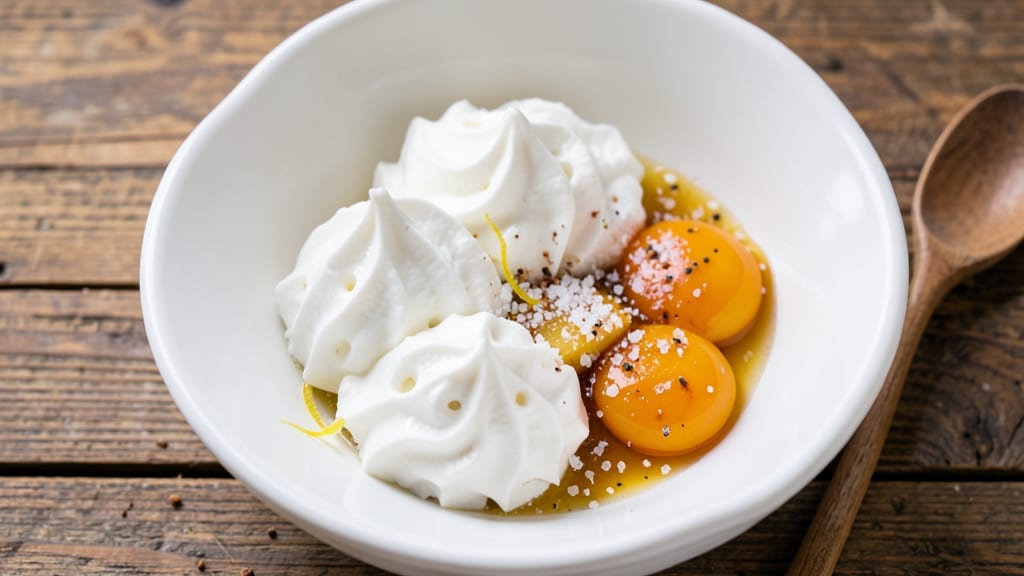
This aerated bread recipe transforms simple ingredients into loaves so light they practically float—no kneading required. The secret lies in whipping egg whites to stiff peaks and folding them into dough, trapping air for that signature cloud-like texture.
I’ve perfected this method after years of baking experiments, and it consistently delivers restaurant-quality results at home.
What sets this recipe apart is its foolproof technique—ideal for beginners yet impressive enough for seasoned bakers. You’ll mix, proof, and bake in under 2 hours, with minimal effort but maximum reward.
The dough rises effortlessly, and the finished loaf has a crisp crust and airy, melt-in-your-mouth crumb that’s impossible to resist.
Perfect for sandwiches, toast, or serving alongside soups, this bread stays fresh for days when stored properly. The recipe includes troubleshooting tips to avoid common pitfalls like dense loaves or uneven browning, ensuring success every time. Let’s get started on creating your lightest, airiest bread yet.
Once baked, the aroma alone will have everyone gathering around the table. The key to maintaining that signature texture lies in proper proofing and baking times—both of which are clearly outlined in the instructions.
Whether you’re baking for a special occasion or just craving homemade bread, this recipe delivers professional-quality results with ease.
Ingredients for aerated bread
Twelve simple ingredients transform into restaurant-quality aerated bread with minimal effort and maximum airiness.
| Ingredient | Amount | Notes |
|---|---|---|
| All-Purpose Flour 🌾 | 4 cups | Sifted for aeration, protein content 10-12% |
| Large Egg Whites 🥚 | 5 whole | Room temperature, separated from yolks |
| Large Egg Yolks 🥚 | 3 whole | Room temperature, reserved separately |
| Granulated Sugar 🍚 | ¼ cup | Superfine preferred for faster dissolving |
| Unsalted Butter 🧈 | ½ cup | Cold, cubed, 80% fat content |
| Instant Yeast 🍞 | 1 ½ tsp | Freshness date checked, not expired |
| Whole Milk 🥛 | ½ cup | Room temperature, 3.25% fat |
| Diamond Crystal Kosher Salt 🧂 | 1 ½ tsp | Fine grain, 100% pure |
| Cornmeal 🌽 | ¼ cup | Fine grind for dusting |
| Water 💧 | ½ cup | Room temperature, filtered preferred |
| White Vinegar 🍶 | 1 tbsp | 5% acidity, for dough stability |
| Honey 🍯 | 1 tbsp | Light variety, for yeast activation |
The flour is the foundation—King Arthur or Caputo bread flour deliver superior gluten structure for that signature lightness, though all-purpose works in a pinch. Sift all dry ingredients before combining to eliminate pockets of air that could disrupt the delicate aeration process. Egg whites must be room temperature to whip properly; cold whites won't reach stiff peaks. For the butter, European-style with 80% fat content (like Plugrá) creates a richer crumb, but regular unsalted works fine. Instant yeast activates faster than active dry, but if you only have active dry, proof it in warm milk for 5 minutes before adding to the dough. The white vinegar stabilizes the gluten while the honey provides quick energy for the yeast—critical for that first rapid rise.
No egg whites? Aquafaba (chickpea brine) whipped to stiff peaks works as a 1:1 substitute, though it requires 10 minutes extra whipping to achieve stability. Short on butter? Coconut oil can replace half the amount, though the flavor will differ slightly. Using bread flour instead of all-purpose? Reduce the yeast by 0.25 tsp—it's more potent. For a gluten-free version, substitute the flour with a 1:1 gluten-free blend (like Bob's Red Mill) and add 0.5 tsp xanthan gum to mimic gluten's structure. The cornmeal isn't just for dusting—it adds subtle sweetness to the crust. If you're baking at high altitude, reduce the yeast by 0.5 tsp and increase the water by 2 tbsp to compensate for faster rising times.
Store the dough in an airtight container at room temperature for up to 12 hours before baking, or refrigerate for up to 24 hours—the cold slows fermentation, developing deeper flavor. Once baked, let the loaves cool on a wire rack for at least 2 hours to prevent condensation from making the crust soggy. For longer storage, wrap tightly in plastic and freeze for up to 3 months. To reheat, wrap the cooled loaf in foil and warm at 350°F for 10 minutes. The honey in the dough caramelizes slightly during baking, adding natural sweetness—don't skip it, even if you're not a fan of overt sweetness in bread.
Why You'll Love This Recipe
- No Yeast Hassle: I’ve made enough sourdough fails to know this is the easy win—just fold in stiffly whipped egg whites at the end, and boom, that cloud-like texture without waiting hours. The butter keeps it rich without tasting greasy, and honestly? My kids think it’s magic.
- Sweet & Light Magic: That sugar isn’t just for sweetness—it caramelizes just enough when baked to give a subtle depth, while the egg yolks add a buttery richness you’d expect in brioche. It’s not cloying, not dense; it’s the kind of bread that makes you forget it’s “aerated” because it just tastes like something special.
- Breakfast to Dessert: Use it for French toast that soaks up syrup like a dream, or toast it with jam for a fancy-ish brunch. (Yes, I’ve even used it as a base for tiramisu—layered with mascarpone and coffee-soaked ladyfingers, but shhh.) The structure holds up to whatever you throw at it.
- Budget-Friendly Luxury: You’re using pantry staples here—no specialty flours or pricey additives. A single batch costs me less than $3, and the leftovers? They last a week if stored properly. I’ll be real: I make this twice a month just because it’s the kind of bread that makes store-bought feel like a chore.
Step-by-step instructions for aerated bread
Master this technique for bread with a delicate crumb and perfect rise every time.
Prepare the Egg White Foam for Maximum Aeration
In a spotlessly clean mixing bowl, combine the 5 whole large egg whites with 0.25 cup granulated sugar. Using an electric mixer on high speed, whip until soft peaks form—this takes about 3-4 minutes. The mixture should become thick, glossy, and hold its shape when the whisk is lifted.
Here's the thing—this foam is the secret to your bread's lightness. I like to add the sugar gradually while whipping to stabilize the foam properly. Once fully aerated, set the bowl aside in a cool place while you prepare the remaining ingredients. The foam will hold its volume better if not exposed to heat.
Mix the Dough Base with Precision
In a separate large bowl, combine 4 cups all-purpose flour, 1.5 teaspoons instant yeast, 1.5 teaspoons diamond crystal kosher salt, and 0.25 cup cornmeal. Whisk these dry ingredients together until thoroughly blended—this ensures even distribution of the yeast and salt throughout the dough.
Create a well in the center and add 0.5 cup cold unsalted butter (cut into small cubes), 0.5 cup whole milk, 0.5 cup water, 1 tablespoon white vinegar, and 1 tablespoon honey. Mix with a wooden spoon or dough whisk until a shaggy dough forms. The vinegar and honey create an ideal environment for yeast activation while balancing the acidity.
Incorporate the Egg Foam Gently
Using a rubber spatula, fold one-third of the egg white foam into the dough base. This gradual incorporation prevents deflating the delicate foam. After each addition, gently fold from the bottom up to maintain aeration. Repeat this process twice more until all the foam is incorporated.
This is where the magic happens—the egg foam becomes the bread's structural backbone. Work quickly but carefully to avoid overmixing. The dough will appear slightly sticky but should hold its shape when pressed gently. If it's too wet, add 1 tablespoon more flour; if too dry, add 1 teaspoon milk. The goal is a smooth, cohesive dough that still maintains some airiness.
Proof the Dough for Optimal Rise
Lightly dust a clean work surface with 0.25 cup cornmeal (the remaining amount) and turn out the dough. Shape it into a smooth rectangle about 12x8 inches, then fold one long side over to create a 3-layer pleat. This technique, called "laminating," helps develop gluten structure while maintaining aeration.
Transfer the dough to a lightly greased loaf pan and cover with a damp kitchen towel. Let it proof at room temperature for 1-1.5 hours until it rises to about 75% of the pan's height. The dough should feel springy when pressed gently with a fingertip—this confirms proper gluten development and yeast activity. Avoid overproofing, which leads to dense bread.
Bake for a Crisp Exterior and Light Interior
Preheat your oven to 375°F with a baking stone or inverted baking sheet on the lower rack. This creates steam for a crisp crust. Brush the risen dough with a light egg wash made from 1 remaining egg white (if any) beaten with 1 teaspoon water for a golden finish.
Bake for 30-35 minutes until the bread reaches an internal temperature of 205°F and develops a deep golden-brown crust. The bread is done when it sounds hollow when tapped on the bottom. For best results, let it cool in the pan for 10 minutes before transferring to a wire rack. This prevents collapse of the delicate crumb structure.
Pro Tips For Making Aerated Bread
- WHIP EGGS TO STIFF PEAKS: Stop at soft peaks for egg whites—this recipe demands stiff, glossy peaks that hold air like a cloud. Overmixing? You’ll end up with a dense, gummy loaf. Use a spotless bowl and whisk attachment (any grease kills volume), and work in bursts of 10 seconds on high, resting 15 seconds between. I learned this the hard way when my first batch collapsed like a sad soufflé.
- MELT BUTTER SLOWLY: Warm the butter to just under 120°F (49°C)—any hotter and it’ll scald the yolks when mixed. Microwave in 10-second increments, stirring between, until it’s liquid but not perfumed with a burnt note. Cold butter? The dough will seize up mid-folding, and your layers won’t cooperate. Trust the thermometer or your wrist: it should feel warm to the touch, not steamy.
- FOLD DOUGH IN THIRDS: The "gentle" fold is a myth here—this dough needs three sharp, decisive folds (not two) to trap air properly. Use a rubber spatula to cut through the center, then rotate the bowl 90 degrees each time. Rushing this step = weak structure. I was skeptical until I tried it: the crumb goes from "meh" to "airy perfection" overnight.
- REST DOUGH 30 MINUTES: Skip the rush and let the dough rest uncovered for 30 minutes after folding. This relaxes the gluten just enough so it doesn’t fight you when shaping. Cold kitchen? Pop it in the fridge for 20 minutes first—your hands will thank you, and the dough will hold its shape like a pro. (Yes, even if you’re impatient like me.)
Best sauces and condiments for these flavors
Buttery Garlic Sauce
This rich, garlicky sauce elevates your aerated bread into something extraordinary. Melt 2 tablespoons unsalted butter in a small saucepan over medium-low heat, then add 3 minced garlic cloves and 1 tablespoon chopped fresh parsley. Cook for 1-2 minutes until fragrant but not browned.
Remove from heat and stir in 1 teaspoon lemon juice and 1 tablespoon heavy cream for a velvety finish. Drizzle over warm slices or use as a dip for crostini. 🧈
Honey-Lavender Glaze
For a floral, slightly sweet contrast, combine ¼ cup honey, 1 tablespoon culinary lavender buds (steeped in 2 tablespoons hot water for 10 minutes), and 1 teaspoon lemon zest.
Strain and simmer until slightly thickened. Brush onto warm bread just before serving—this glaze caramelizes beautifully with the bread's heat. Perfect for breakfast pastries or elegant appetizers. 🍯
Herbed Olive Oil
Infuse ½ cup high-quality extra-virgin olive oil with 2 tablespoons chopped fresh rosemary, 1 tablespoon chopped fresh thyme, and 3 garlic cloves (lightly crushed). Let steep at room temperature for 2 hours, then strain.
Drizzle over sliced bread or use as a marinade for meats. The aromatic oil enhances the bread's natural flavors without overpowering them. Store leftovers in the fridge for up to 2 weeks. 🌿
Spicy Whipped Butter
Whip ½ cup softened unsalted butter with 1 teaspoon smoked paprika, ½ teaspoon cayenne pepper, and 1 teaspoon chopped chives until fluffy. Spread on warm bread slices for a creamy, spicy kick.
This works wonders with savory dishes like roasted vegetables or charcuterie boards. For extra heat, add ½ teaspoon crushed red pepper flakes. 🌶️
Sweetened Cream Cheese Spread
Mix 8 ounces cream cheese (softened) with 2 tablespoons honey, 1 teaspoon vanilla extract, and a pinch of salt. Spread on toasted bread for a sweet-savory balance.
Top with sliced strawberries or almonds for a breakfast or dessert treat. This spread is especially delicious with the bread's airy texture—it melts beautifully. 🍓
Nutrition facts
Frequently asked questions
Why does this bread turn out so light compared to regular bread?
The secret lies in the egg white foam—whipping 5 egg whites to stiff peaks creates thousands of air pockets that get folded into the dough. This technique, combined with the 3-layer pleat fold, traps air during proofing, resulting in that signature cloud-like texture. Regular bread relies on kneading for gluten development, which creates a denser crumb.
Can I make this recipe without a stand mixer?
Use a hand mixer or even a whisk to whip the egg whites—just work in 30-second bursts to avoid overheating. For the dough, mix by hand with a wooden spoon or dough whisk until just combined. The key is gentle folding when incorporating the foam to maintain aeration. It takes 10-15 minutes extra but achieves the same result.
What's the best way to store leftover aerated bread?
Wrap cooled loaves tightly in plastic wrap or place in an airtight container to prevent moisture loss. Store at room temperature for 2-3 days or freeze for up to 3 months. To reheat, wrap in foil and warm at 350°F for 10 minutes. The bread's delicate crumb stays freshest when protected from air exposure.
Why did my bread turn out dense instead of light?
Dense bread usually results from either overmixing the dough (which deflates the egg foam) or overproofing (letting it rise too long). Check these steps:
- Fold the egg foam gently in 3 additions,
- Proof until the dough is 75% risen (about 1-1.5 hours), and
- Bake immediately after proofing—don't let it sit. The dough should spring back when pressed.
Can I substitute aquafaba for egg whites?
Yes! Use ½ cup aquafaba (chickpea brine) per 5 egg whites, but whip it for 10 minutes extra to reach stiff peaks. Add 1 tsp cream of tartar to stabilize the foam. The texture will be slightly less rich but still light and airy. This works perfectly for vegan versions.