
Desserts
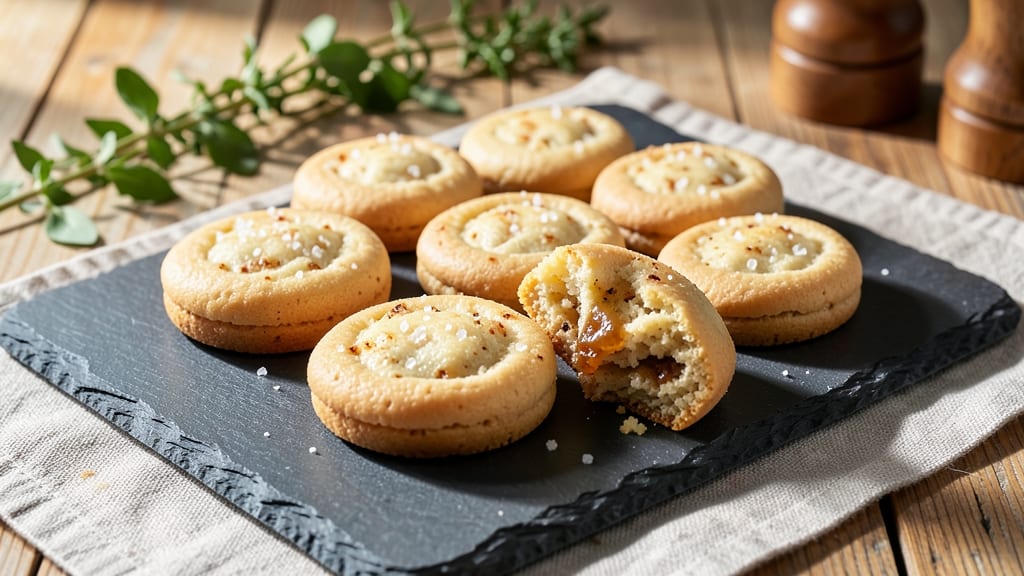
Alison Roman’s shortbread cookies recipe delivers buttery, crumbly perfection with a signature vanilla bean and brown sugar swirl that sets them apart. The secret lies in precise measurements and a 325°F oven—too hot, and they’ll bake too fast; too cool, and they’ll stay doughy.
I’ve baked these dozens of times, and the difference between a good shortbread and a great one comes down to patience and technique.
This recipe starts with a simple dough of butter, flour, and sugar, but the magic happens in the swirl of vanilla bean paste and brown sugar before baking. Chilling the dough for at least 2 hours ensures clean cuts and prevents spreading, while rolling it evenly guarantees uniform thickness.
The result? A cookie with a delicate crumb and a melt-in-your-mouth texture that’s impossible to resist.
Once baked to a pale golden hue, these cookies cool quickly and develop that signature crispness. The vanilla bean adds a subtle depth, while the brown sugar swirl caramelizes slightly, creating pockets of sweetness in every bite.
They’re sturdy enough to hold their shape but tender enough to crumble at the edges—perfect for gifting, holiday baking, or simply enjoying with tea.
For extra flair, dust with powdered sugar or a sprinkle of flaky salt before serving. Store in an airtight container for up to a week, though they rarely last that long. Let’s get baking—your kitchen will smell like heaven in no time.
Ingredients for alison roman shortbread cookies
Buttery perfection with a swirl of vanilla and brown sugar—these cookies need just seven ingredients.
| Ingredient | Amount | Notes |
|---|---|---|
| Unsalted Butter 🧈 | 1 cup | Cold, cubed for even mixing |
| All-Purpose Flour 🌾 | 2 cups | Sifted for light texture |
| Granulated Sugar 🍚 | ¼ cup | Standard white sugar |
| Light Brown Sugar 🍯 | ¼ cup | Packed for swirl |
| Vanilla Bean Paste 🌿 | 1 tbsp | High-quality for depth |
| Fine Sea Salt 🧂 | ¼ tsp | Flaky salt preferred |
| Powdered Sugar 🍚 | 2 tbsp | For dusting |
The butter is non-negotiable here. Plugrá or Land O’Lakes unsalted are my go-tos—they’re cold enough to handle without melting. Look for blocks, not tubs, and keep them in the fridge until ready to use. The flour matters too: King Arthur or Gold Medal are consistent, but if you’ve got a local mill, freshly milled flour adds a subtle nuttiness. Brown sugar should be packed—don’t scoop it. And vanilla bean paste? Nielsen-Massey is the gold standard, but any high-quality brand with visible specks works. Pre-made vanilla extract won’t cut it for that signature depth.
No vanilla bean paste? Pure vanilla extract at double the amount is a decent swap, but you’ll miss the specks. Short on brown sugar? Substitute white sugar plus 1/4 tsp molasses for caramel notes. The flaky salt is optional but worth it—Maldon is the best, but any good sea salt in flakes or crystals works. For the powdered sugar, Domino is reliable, but if you’re feeling fancy, use confectioners’ sugar with a bit of cornstarch for extra crispness. The dough is delicate, so handle it gently—don’t overwork it after mixing.
Chill the dough for at least 2 hours—overnight is ideal. Store wrapped in plastic between parchment paper in the fridge for up to 3 days. For longer storage, freeze shaped cookies on a tray, then transfer to a bag for up to 3 months. Once baked, keep in an airtight container with a slice of bread to maintain freshness. These cookies are best enjoyed at room temperature, so let them sit for 10 minutes before serving.
Why You'll Love This Recipe
- Butter-Creamy Magic: I swear by that cold butter cut into flour—it’s the secret to those melt-in-your-mouth layers. No food processor? No problem. Just your fingers and a pinch of patience for that perfect crumb.
- Vanilla Bomb: That little vanilla bean paste isn’t just flavor—it’s the star. One taste and you’ll understand why I double it. Sweet, rich, and just a whisper of depth that makes these cookies ridiculously hard to stop eating.
- No-Bake Flexibility: Honestly, these are my go-to for holidays, teacher gifts, or when I need a last-minute treat. Shape them into logs, cut into squares, or even press into a pan—same effort, same magic.
- Budget-Friendly Luxury: Four ingredients, one pantry staple. The butter and sugars do all the heavy lifting, and they keep for weeks in an airtight container. My wallet and my taste buds win.
Step-by-step instructions for Alison Roman's shortbread cookies
Here's how to achieve the signature swirls and tender crumb Alison Roman makes famous.
Cut and Mix the Butter
Place the 1 cup unsalted butter in a food processor and pulse until it forms coarse crumbs. This texture is crucial—it creates pockets of fat that melt during baking, resulting in that signature tender crumb. Cold butter works best, so if your kitchen is warm, chill the butter for 10-15 minutes before starting.
Add the 0.25 cup granulated sugar and 0.25 cup light brown sugar to the food processor. Pulse again until the sugars are evenly distributed among the butter crumbs. You're looking for a crumbly mixture that resembles wet sand. This step ensures even distribution of sugar throughout the dough, which prevents sweet spots and creates uniform flavor.
Add Wet Ingredients and Process
Add the 1 tablespoon vanilla bean paste and 0.25 teaspoon fine sea salt to the food processor. Pulse just until combined—you want the vanilla to coat the butter and sugar without overworking the mixture. Over-processing at this stage can develop gluten in the flour, leading to tough cookies.
With the food processor running, gradually add the 2 cups all-purpose flour. Pulse until the dough just comes together when pressed between your fingers. It should be crumbly but hold its shape when squeezed. Avoid overmixing—this is where texture control happens. The dough should resemble wet sand that clumps together when pressed.
Divide and Shape the Dough
Turn the dough out onto a lightly floured surface and gently press it into a 1-inch thick rectangle. This thickness ensures even baking and prevents the cookies from spreading too much. Wrap the dough in plastic wrap and refrigerate for 30 minutes to firm up. Chilling is non-negotiable—it prevents the butter from melting during shaping and helps maintain the signature shortbread texture.
After chilling, use a sharp knife to cut the dough into 4 equal rectangles (about 3x4 inches each). This size yields cookies that bake evenly without over-spreading. Wrap each rectangle tightly in plastic wrap and refrigerate for another 15 minutes before baking. The cold dough holds its shape better and results in cleaner edges.
Create the Signature Swirls
Preheat your oven to 350°F and line a baking sheet with parchment paper. Unwrap one rectangle of dough and place it on the prepared baking sheet. Using a sharp knife or offset spatula, gently spread the dough to about ⅛-inch thickness. This thin layer is key for achieving the delicate texture.
Sprinkle a thin layer of powdered sugar over the dough, leaving a ½-inch border around the edges. Using the tip of a butter knife, carefully drag the sugar through the dough to create zigzag patterns without cutting through to the baking sheet. This technique creates those beautiful swirls that become caramelized during baking. Repeat with the remaining dough rectangles, spacing them 2 inches apart on the baking sheet.
Bake to Golden Perfection
Bake the cookies for 12-15 minutes until the edges are golden brown and the centers look slightly underbaked. They'll continue cooking as they cool. The key is to watch closely—they go from perfect to overdone quickly. Rotate the baking sheet halfway through for even baking.
Remove the cookies from the oven and let them cool on the baking sheet for 5 minutes before transferring to a wire rack. While still warm, the cookies will be delicate, so handle them carefully. The swirls should be visible and slightly caramelized, with a tender crumb that melts in your mouth. For best results, serve within 2 days—these cookies are best enjoyed fresh from the oven.
Pro Tips For Making Alison Roman Shortbread Cookies
- Chill the Dough Properly: Alison Roman’s recipe relies on a cold, firm dough for those signature cracks—don’t skimp on the fridge time. Spread it into a single even layer on parchment, cover it loosely (no tight wrap), and let it rest for at least 4 hours, or overnight. I learned this the hard way after cutting dough that stuck to my rolling pin like glue, ruining the shape.
- Use Cold Butter, Not Soft: The butter in this recipe should be cold enough to hold its shape but pliable enough to mix—think "firm but not stubborn." Cut it into small cubes and let it sit at room temp for just 10-15 minutes before creaming. Soft butter makes the dough greasy, and you’ll end up with cookies that spread too much.
- Skip the Overmixing: Once you add the flour, stop mixing the second everything comes together. Overworking the dough develops gluten, and those cookies will turn out dense instead of tender. Stir just until the dry ingredients disappear—about 10-12 strokes max.
- Press for Even Thickness: For consistent baking, use a bench scraper or the bottom of a measuring cup to press the dough into the pan. Aim for about ¼-inch thickness—any thicker, and the edges won’t get crispy; any thinner, and they’ll burn before setting. My first batch had uneven cookies because I eyeballed it, and the thinner ones turned into sad, flat pancakes.
Perfect pairings for these flavors
Tea Pairings
Earl Grey is my go-to tea for these shortbread cookies—the bergamot notes cut through the butter richness beautifully. I steep a high-quality loose-leaf blend (like Twinings) for 3-4 minutes to bring out its floral complexity.
For a cozy afternoon, try chamomile tea—its mild sweetness complements the vanilla swirls without overpowering them. 🌿
If you prefer something stronger, a Darjeeling first flush with its delicate muscatel flavors creates a luxurious pairing. Serve it at 180°F to preserve its floral aroma.
For a festive touch, a spiced chai latte (with 1 tsp cinnamon and ½ tsp cardamom) adds warmth that enhances the brown sugar caramelization.
Coffee Complements
A light roast coffee like Ethiopian Yirgacheffe balances the sweetness perfectly. I recommend brewing it with a pour-over method (using Hario V60) to highlight its bright acidity.
For espresso lovers, a flat white with 1 shot of espresso and steamed oat milk creates a creamy contrast to the cookies' crumbly texture. 💛
If you enjoy bold flavors, try a cold brew with vanilla syrup—the vanilla echoes the cookie's signature flavor while the cold temperature refreshes your palate. For a dessert-style pairing, a mocha latte (with 1 tbsp chocolate syrup) adds a chocolatey depth that pairs wonderfully with the buttery shortbread.
Seasonal Adaptations
In winter, I love pairing these cookies with mulled wine—the spices like cinnamon and clove enhance the brown sugar swirls. For summer, a sparkling peach tea (infused with peach slices and a splash of San Pellegrino) adds a refreshing twist.
The effervescence cleanses the palate between bites of rich shortbread. ✨
For holiday gatherings, serve with hot buttered rum—the butter ties into the cookie's texture while the rum adds warmth. For a non-alcoholic option, a spiced apple cider (simmered with 1 cinnamon stick and 2 star anise pods) creates a cozy autumn pairing that highlights the cookie's caramelized edges.
Nutrition facts
Frequently asked questions
Can I substitute vanilla extract for vanilla bean paste?
Yes, but you'll lose the signature depth of flavor. Use 2 tablespoons vanilla extract instead of 1 tablespoon vanilla bean paste. For best results, choose high-quality pure vanilla extract with visible specks. The swirls will still caramelize beautifully, though the flavor will be slightly less complex.
Why do my shortbread cookies spread too much?
Over-spreading usually happens when the dough isn't chilled long enough or the butter melts too quickly. Always chill the dough for at least 2 hours before shaping, and use cold butter straight from the fridge. A 350°F oven is ideal—too hot and they'll bake too fast. For extra insurance, roll the dough to ⅛-inch thickness and bake on the middle rack.
How do I store these cookies for maximum freshness?
Store in an airtight container at room temperature for up to 5 days. For longer storage, freeze baked cookies between parchment paper for up to 3 months. Thaw at room temperature for 30 minutes before serving. To maintain crispness, place a slice of bread in the container—it absorbs moisture better than nothing.
Can I make these cookies gluten-free?
Yes, but texture will differ. Replace the all-purpose flour with a 1:1 gluten-free flour blend (like Bob's Red Mill) plus ½ teaspoon xanthan gum. Chill the dough longer (3-4 hours) and bake at 325°F for 15-18 minutes. The cookies will be slightly denser but still delicious. For best results, use a gluten-free flour mix designed for baking.