Side Dishes
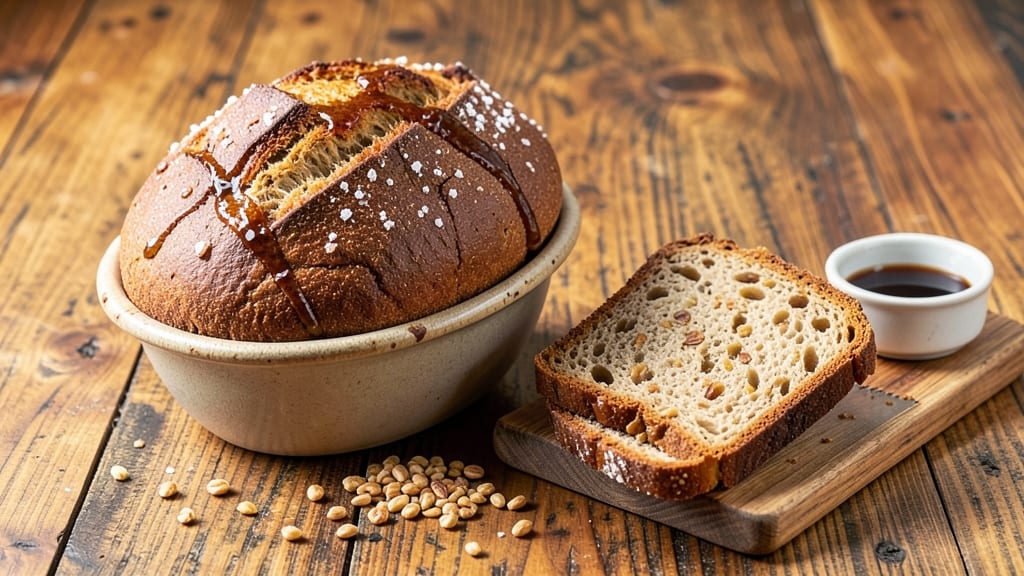
This All Bran brown bread recipe delivers a hearty, fiber-rich loaf with deep molasses flavor and satisfying chew—perfect for sandwiches or toast. 💛 The secret lies in combining whole wheat flour with All-Bran cereal for a dense, nutty texture that stays fresh for days.
I developed this recipe after years of searching for a bread that packed both nutrition and flavor without sacrificing taste.
What sets this bread apart is the balance of ingredients: yeast activates slowly for a well-developed crumb, while molasses adds richness without overpowering. The All-Bran cereal contributes a satisfying crunch and boosts fiber content, making each slice a wholesome choice.
With just five simple ingredients and one hour of hands-on time, you'll have a loaf that rivals artisanal bakery bread.
The result is a dense yet tender loaf with a golden crust and aromatic molasses notes that linger. The All-Bran adds subtle nuttiness, while the whole wheat flour ensures a hearty texture.
This bread freezes beautifully for up to three months, so you can bake a batch and enjoy it all season long.
Ideal for breakfast toast, sandwiches, or pairing with soups, this recipe is a game-changer for anyone seeking a nutritious yet delicious homemade bread. The slow fermentation process develops deep flavor, while the All-Bran keeps it satisfyingly substantial. Let's get baking!
Ingredients for all bran brown bread
Five core ingredients transform simple pantry staples into a nutrient-dense loaf with artisanal depth.
| Ingredient | Amount | Notes |
|---|---|---|
| All-Bran Original Cereal 🥣 | 1 ½ cups | Toasted lightly for enhanced nuttiness |
| Whole Wheat Flour 🌾 | 4 cups | Unbleached preferred for authentic flavor |
| Unsweetened Molasses 🍯 | ½ cup | Dark, rich variety for depth |
| Active Dry Yeast 🍞 | 2 ¼ tsp | Freshly measured for optimal activation |
| Granulated Sugar 🍚 | ¼ cup | Balances molasses sweetness |
| Salt 🧂 | 1 ½ tsp | Diamond Crystal preferred for accuracy |
| Warm Water 💧 | 1 ½ cups | 110°F for ideal yeast activation |
| Extra-Virgin Olive Oil 🫒 | 2 tbsp | For tender crumb development |
| Milk 🥛 | ½ cup | Warmed to enhance gluten structure |
| Honey 🍯 | 1 tbsp | Complements molasses flavor profile |
The All-Bran cereal is non-negotiable for this recipe—its fiber content creates that signature satisfying chew while adding subtle nuttiness. Kellogg's All-Bran Original works best, but any whole-grain cereal with bran will suffice. Toast it lightly in a dry pan before adding to enhance its flavor profile. For the flour, King Arthur Unbleached Whole Wheat Flour yields the best texture, though any quality whole wheat flour in your pantry will work. The molasses should be unsweetened and dark—Goya or Brer Rabbit brands deliver that rich, robust flavor without overpowering the bread's natural sweetness. Measure the yeast carefully; it's the catalyst for that well-developed crumb structure.
No All-Bran cereal? Substitute with extra whole wheat flour plus 1/2 cup rolled oats for texture, though the fiber content will differ slightly. Running short on molasses? Maple syrup at half the amount works in a pinch, though it lacks the depth of molasses. The honey can be swapped for agave nectar if preferred, though honey adds subtle floral notes that complement the molasses beautifully. For the milk, any variety works—dairy, almond, or oat milk all contribute to the bread's tender crumb. The olive oil is essential for that moist, artisanal texture; avoid vegetable oil substitutes as they lack the fruity complexity that enhances the molasses flavor.
Store the loaf wrapped in a clean kitchen towel inside an airtight container at room temperature for up to 5 days. For longer storage, freeze the cooled loaf for up to 3 months. To revive, wrap in foil and warm in a 350°F oven for 10-15 minutes. The bread's dense texture actually improves with a day or two of resting, allowing flavors to meld. For optimal freshness, bake only what you'll consume within a week—this bread freezes beautifully, so consider making a double batch for future toast sessions.
Why You'll Love This Recipe
- I’ll be real: this recipe costs me pennies to make. All-Bran and whole wheat flour are cheap, molasses lasts forever, and a packet of yeast stretches into multiple loaves. It’s the kind of bread that doesn’t break the bank but still feels like a treat—especially when you’re feeding a crowd or just trying to save a few bucks.
- No Mixer Needed: I swear by this—just toss the All-Bran and flour together in a bowl, add warm water, and let the yeast do its magic. No stand mixer, no food processor, just your hands and a little elbow grease. Honestly, it’s the kind of recipe that makes me feel like I’ve earned my bread without actually working for it.
- Molasses Magic: That unsweetened molasses? It’s the secret weapon here—deep, caramel-like sweetness that lingers with every bite. The yeast and sugar give it a subtle lift, but it’s the molasses that makes this bread ridiculously good with butter, jam, or even on its own. (Yes, even on a Tuesday night.)
- Weeknight Workhorse: This bread is my go-to for sandwiches, toast, or even French toast—it holds up like a champ. Between us, I’ve used the leftovers for three days straight, and it’s still fresh enough to slice. The All-Bran keeps it dense but not dry, so it’s perfect for meal prep without turning into a brick.
Step-by-step instructions for All Bran brown bread
This method delivers a dense, fiber-rich loaf with perfect molasses depth and tender crumb.
👨🍳 Step 1: Prepare the All-Bran Base
Toast the 1.5 cups All-Bran Original Cereal in a dry skillet over medium heat for 3-4 minutes, stirring constantly, until it turns a deeper golden brown and smells nutty. This enhances the cereal's flavor and prevents it from absorbing too much moisture later. Let it cool completely before using—warm cereal will kill the yeast.
While the cereal cools, combine the 2.25 tsp Active Dry Yeast with the 1.5 cups Warm Water (about 110°F) in the bowl of a stand mixer fitted with the dough hook. Let this mixture sit for 5-10 minutes until it becomes frothy. This confirms the yeast is active and ready to work. If it doesn't foam, your yeast may be dead—start over with fresh yeast.
👨🍳 Step 2: Mix Wet and Dry Ingredients
In the same mixer bowl, add the 4 cups Whole Wheat Flour, 0.25 cup Granulated Sugar, 1.5 tsp Salt, the toasted All-Bran cereal, 2 tbsp Extra-Virgin Olive Oil, 0.5 cup Milk, and 1 tbsp Honey. Mix on low speed for 2 minutes until the ingredients begin to combine. The dough will look shaggy at first—this is normal with whole wheat flour.
Gradually add the 0.5 cup Unsweetened Molasses while mixing on low speed. The molasses will make the dough sticky, but resist the urge to add more flour. Whole wheat flour needs the extra moisture to develop gluten properly. Mix for an additional 3-4 minutes until the dough pulls away from the sides of the bowl and forms a smooth, elastic texture. If it's still too sticky, wet your hands and knead it gently by hand for 1-2 minutes—this helps the gluten develop without adding extra liquid.
🥘 Step 3: Knead and Rest the Dough
Increase the mixer speed to medium and knead the dough for 5-7 minutes until it becomes smooth and elastic. You'll know it's ready when it springs back slowly when poked and leaves a clean window on the surface. The dough should feel slightly tacky but not wet—this is ideal for a moist, tender loaf.
Transfer the dough to a lightly oiled bowl, cover it with a damp kitchen towel, and let it rise in a warm place (like a turned-off oven with a bowl of hot water) for 1-1.5 hours, or until it has doubled in size. The dough should feel light and airy when pressed gently—this indicates the yeast has done its job. If it doesn't rise, check your yeast activity again and troubleshoot the environment (it needs warmth and humidity to activate properly).
🔥 Step 4: Shape and Proof the Loaf
Punch down the risen dough to release air, then turn it out onto a lightly floured surface. Gently shape it into a 9x5-inch loaf pan, pressing down lightly to fill the pan completely. The dough will be sticky, but don't add extra flour—this can dry out the crumb. Cover the pan with a damp towel and let the dough proof for an additional 30-45 minutes, until it rises about 1 inch above the pan.
Preheat your oven to 350°F while the dough proofs. This gentle second rise ensures a light, airy texture. If the dough doesn't rise during this time, it may need more time—check it every 10 minutes until it's ready. Once proofed, place the loaf pan in the oven and bake for 50-55 minutes, until the top is deep golden brown and a toothpick inserted into the center comes out clean. The internal temperature should reach 190-195°F—this ensures the bread is fully cooked without drying out.
⏰ Step 5: Cool and Slice for Maximum Freshness
Remove the bread from the oven and let it cool in the pan for 10 minutes, then transfer it to a wire rack to cool completely for at least 1 hour. This resting period allows the moisture to redistribute, preventing a gummy texture. The bread will firm up as it cools—this is a good sign that the crumb is developing properly.
Slice the loaf into 8 even servings and serve warm or at room temperature. The bread should have a dense, moist crumb with a slightly chewy texture from the All-Bran cereal, and a rich, molasses-forward flavor that balances the earthiness of the whole wheat. Store any leftovers in an airtight container for up to 5 days, or freeze for up to 3 months for maximum freshness.
Pro Tips For Making All Bran Brown Bread
- STEAM THE ALL-BRAN: If you skip soaking the All-Bran in warm water first, your bread will taste like a cereal box and crumble like a stale cracker. Toss it in a bowl with just enough hot water to dampen (about 1 cup per 1 cup of cereal), let it sit 10 minutes, then drain—this softens the bran and keeps your loaf from turning into a dense brick.
- WEIGH THE FLOUR: Scooping whole wheat flour from the bag packs it down, and you’ll end up with a gummy mess. Use a kitchen scale for precision—this bread needs about 3 cups, but volume measurements lie. (Yes, even if you’ve made it before, humidity changes everything.)
- PROOF UNTIL JIGGLY: That yeast won’t wake up just because you think it’s ready. Poke the dough with a finger—if it springs back slowly (not instantly), it’s not done. Give it another 20–30 minutes in a warm spot. Rushing this step means a flat, sad loaf that tastes like it’s still asleep.
- MOLASSES FIRST: Mix the molasses into the wet ingredients before adding the yeast—this balances the sugar and prevents the yeast from getting a sugar rush and dying mid-proof. (I learned this after my first batch rose like a balloon and collapsed like one too.) Stir it in with the warm water, then add everything else.
Serving suggestions for leftovers
Breakfast Toast
This dense, fiber-rich bread is perfect for breakfast toast—spread with almond butter and a drizzle of honey for a protein-packed morning. I love adding sliced banana and a sprinkle of cinnamon for extra warmth.
The molasses depth shines through when toasted, creating a caramelized crust that pairs beautifully with your favorite toppings. 🍯
Sandwich Bread
Use thick slices for hearty sandwiches—try turkey or ham with Swiss cheese, mustard, and lettuce for a classic combo. The All-Bran adds satisfying texture that holds up to wet ingredients like mayo or avocado.
For a vegetarian option, layer with hummus, roasted red peppers, and spinach for a Mediterranean-inspired sandwich. The bread's density prevents sogginess, even with juicy fillings.
Soup Companion
Serve warm slices alongside soups like lentil or minestrone—the bread's hearty texture soaks up broth beautifully. I often toast slices lightly and top with olive oil, flaky sea salt, and fresh rosemary for an elevated touch.
The molasses notes complement the earthiness of vegetable-based soups perfectly, creating a balanced bite. ✨
Dessert Pairing
Drizzle cooled slices with melted butter and sprinkle with dark chocolate chips for a simple dessert. The bread's subtle sweetness pairs wonderfully with Greek yogurt and berries for a light, fiber-rich treat.
For a gourmet twist, spread with ricotta cheese and a touch of maple syrup—the All-Bran adds a satisfying crunch to every bite.
Meal Prep Slices
Pre-slice the loaf and store in an airtight container with a paper towel to absorb moisture. These make perfect grab-and-go snacks—pack with peanut butter and apple slices or cream cheese and smoked salmon for quick lunches.
The bread's dense texture holds up well in meal prep, staying fresh for up to 5 days when stored properly.
Garnish Ideas
Enhance any serving with simple garnishes: sprinkle with toasted sesame seeds for nutty crunch, or dust with powdered sugar for a sweet contrast. A drizzle of balsamic glaze adds tangy brightness, while chopped walnuts bring extra texture. These finishing touches elevate the bread's natural flavors without overpowering them.
Nutrition facts
Frequently asked questions
Why does my All Bran brown bread turn out dense instead of light?
The All-Bran cereal and whole wheat flour create a naturally dense texture—this is normal! For a slightly lighter crumb, ensure your yeast is active (it should foam in 5-10 minutes in warm water) and proof the dough in a warm environment (75-80°F). Over-kneading can also make the bread tough, so knead just until smooth and elastic (5-7 minutes).
Can I make this bread without a stand mixer?
Mix the ingredients by hand in a large bowl, then knead on a lightly floured surface for 8-10 minutes until smooth. The dough will be sticky, so wet your hands frequently. For best results, use a dough scraper to help fold and turn the dough without adding extra flour.
How do I store leftovers to keep them fresh?
Wrap cooled slices in a clean kitchen towel, then place in an airtight container. Store at room temperature for 5 days or freeze for up to 3 months. To revive frozen bread, wrap in foil and warm in a 350°F oven for 10-15 minutes. The All-Bran stays crisp even after freezing!
What can I substitute if I don’t have All-Bran cereal?
Use 1/2 cup rolled oats plus 1/2 cup extra whole wheat flour for texture, though the fiber content will differ slightly. For a nuttier flavor, toast the oats first. Avoid bran flakes—they lack the chewy texture of All-Bran cereal.
Why does my bread crack on top while baking?
This happens when the oven is too hot or the dough isn’t proofed enough. Preheat your oven to 350°F and ensure the dough rises 1 inch above the pan before baking. A light spray of water on the dough before baking can also create a smoother crust.