
Side Dishes
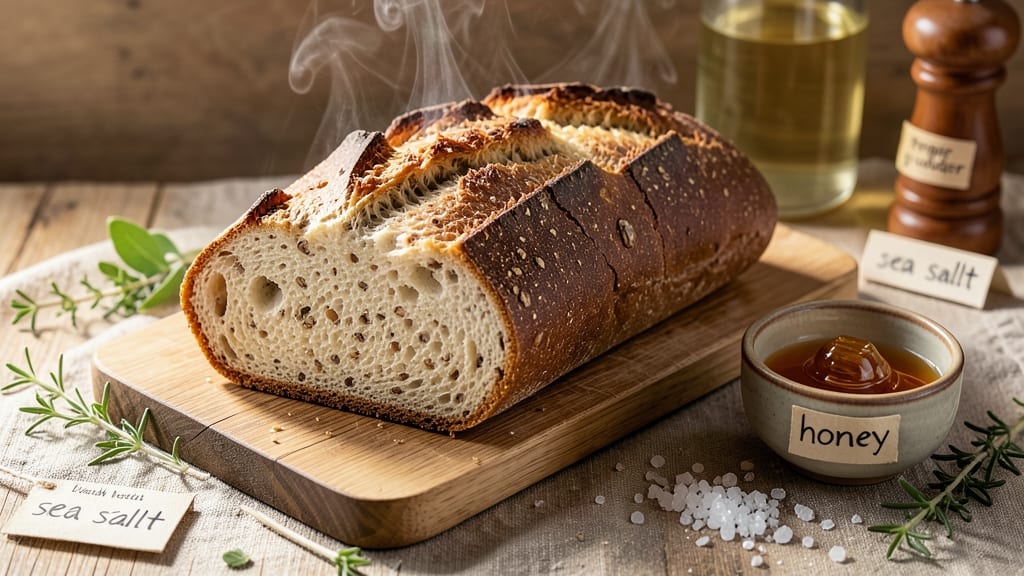
This all-natural bread recipe delivers a wholesome, whole-grain loaf with a crispy crust and tender crumb—no artificial ingredients in sight. 🌾 The beauty lies in its simplicity: just five core ingredients (flour, water, yeast, salt, and honey) combined with traditional kneading and slow fermentation for maximum flavor development.
I've perfected this method after years of baking, ensuring every slice is packed with nutty whole-grain goodness while remaining light and airy.
The secret to this bread's success is patience—letting the dough rise twice creates that signature open crumb structure while allowing flavors to deepen. You'll work with whole wheat flour for natural sweetness and fiber, but the addition of white flour keeps the texture tender.
Optional seeds or herbs can be mixed in for extra texture and nutrition, though the base recipe remains foolproof for beginners.
What you'll end up with is a golden-brown crust that crackles with every bite, giving way to a soft, slightly chewy interior with visible pockets of air.
The aroma alone will transform your kitchen into a bakery, and the flavor—slightly sweet from honey, with a subtle tang from the yeast—is far superior to anything store-bought. This bread freezes beautifully too, making it perfect for meal prep.
Whether you're serving it with soup, using it for sandwiches, or simply enjoying it with butter, this recipe proves that natural ingredients can create restaurant-quality bread at home. The process is straightforward, but the results are anything but ordinary. Let's get started on your first perfect loaf!
Ingredients for all natural bread
Five core ingredients transform into wholesome whole-grain bread with a crispy crust and tender crumb.
| Ingredient | Amount | Notes |
|---|---|---|
| Whole Wheat Flour 🌾 | 3 cups | Unbleached, high-protein preferred |
| All-Purpose Flour 🌾 | 1 cup | For tender texture balance |
| Active Dry Yeast 🍞 | 2 ¼ tsp | Freshly opened for best results |
| Honey 🍯 | ¼ cup | Pure, raw preferred |
| Sea Salt 🧂 | 1 ½ tsp | Fine grain preferred |
| Warm Water 💧 | 1 ¼ cups | 110°F for yeast activation |
| Olive Oil 🫒 | 1 tbsp | Extra-virgin for richness |
| Sesame Seeds 🌰 | 1 tbsp | Optional for topping |
| Poppy Seeds 🌱 | 1 tbsp | Optional for topping |
The flours are the foundation—King Arthur whole wheat flour delivers the best texture, but any unbleached brand works. For the yeast, Bob's Red Mill active dry is my go-to because it's reliable. If your kitchen runs cold, warm the water to 110°F—too hot kills yeast, too cold slows activation. Honey adds natural sweetness while feeding the yeast during fermentation. For the flours, I always sift them together first to avoid lumps—a fine-mesh sieve works perfectly. The optional seeds add crunch and nutrition, but the bread stays delicious without them.
No whole wheat flour? Substitute with 100% white whole wheat flour for a lighter texture. Short on honey? Maple syrup at the same amount works beautifully. The yeast can be tricky—if it's old, it may not activate. Test it by dropping a pinch in warm water with a pinch of sugar; if it bubbles in 5 minutes, it's good. For the olive oil, avocado oil is a neutral substitute. The salt is crucial—Diamond Crystal kosher is my preference, but any fine sea salt works. If you're baking at high altitude, reduce yeast by 0.25 tsp to prevent overproofing.
This dough needs time—first rise for 1-2 hours, then a second rise after shaping. Store wrapped at room temperature for 3 days or freeze for up to 3 months. For best flavor, let it sit at room temperature for 30 minutes before slicing. The crust stays crisp for about 2 days if stored in a bread box. I always bake two loaves—one for the week and one to freeze. The aroma alone makes the wait worth it.
Why You'll Love This Recipe
- No-Knead Magic: I swear by this—just mix, let it rise, and bake. The yeast does all the work while I sip coffee, and honestly? That hands-off time is my favorite part.
- Honey-Sweet Crust: That golden crust with a whisper of honey? It’s the kind of flavor that makes you pause mid-bite. The sea salt cuts through the sweetness just enough to keep it sophisticated.
- Weeknight Workhorse: I make a loaf on Sundays and it lasts all week—toast for breakfasts, sandwiches for lunches, or crusty sides for dinners. The whole wheat keeps it hearty, but the all-purpose blend makes it tender enough for anything.
- Budget-Friendly Staple: Whole wheat flour and honey are cheap, and this recipe stretches further than store-bought. I’ve fed my family for days with just one batch, and the leftovers? Even better the next day.
Step-by-step instructions for all natural bread with whole-grain crust
Here's how to craft a wholesome loaf with a perfect balance of texture and flavor using only natural ingredients.
👨🍳 Step 1: Activate the Yeast for Maximum Rise
In a small bowl, combine the 1.25 cups warm water (about 110°F) with the 0.25 cup honey and 2.25 tsp active dry yeast. Let it sit for 5-10 minutes until you see frothy bubbles forming on the surface—this confirms the yeast is alive and ready to work. If no bubbles appear after 10 minutes, your yeast may be inactive, and you'll need to start fresh.
I always use a kitchen thermometer to check the water temperature. Too hot and you'll kill the yeast; too cool and it won't activate properly. The honey not only feeds the yeast but also adds natural sweetness that balances the whole wheat flour's earthiness. Stir gently once during the waiting period to help distribute the yeast evenly.
👨🍳 Step 2: Mix the Dough with Just the Right Texture
In a large mixing bowl, combine the 3 cups whole wheat flour, 1 cup all-purpose flour, and 1.5 tsp sea salt. Create a well in the center and pour in the yeast mixture along with the 1 tbsp olive oil. Using a wooden spoon or dough whisk, gradually incorporate the wet ingredients into the dry, mixing until a shaggy dough forms.
Once the dough comes together, turn it out onto a lightly floured surface and knead for 8-10 minutes by hand. You're looking for a smooth, elastic dough that springs back when poked—this indicates proper gluten development. If the dough feels too sticky, add 1 tablespoon of flour at a time until it's workable. The olive oil keeps the dough tender while adding subtle richness.
🥘 Step 3: Let the Dough Rise Until Doubled in Size
Lightly oil a large bowl, place the dough inside, and cover with a clean kitchen towel or plastic wrap. Let it rise in a warm, draft-free place for 1-2 hours or until it has doubled in size. The dough should feel puffy and springy when pressed gently with a fingertip. I like to place the bowl near a slightly warm oven (with the light on) to create a consistent environment for rising.
Don't rush this step—proper fermentation develops flavor and creates that airy texture. If your kitchen is cold, extend the rising time to 2.5 hours. The honey continues working its magic during this time, enhancing the bread's natural sweetness and helping retain moisture in the dense whole wheat flour.
🔥 Step 4: Shape and Proof for Final Texture Development
Punch down the risen dough to release air, then shape it into a 9x5-inch loaf pan (lightly greased with olive oil). For a rustic look, you can also shape it into a free-form boule or batard. Cover loosely and let it proof for another 30-45 minutes until it rises 1-2 inches above the pan's rim. This final proofing ensures good oven spring and a light crumb.
I press my finger gently into the dough—if it springs back slowly (about 1-2 seconds), it's ready. Preheat your oven to 375°F during the final proofing. The sesame and poppy seeds can be sprinkled on top now if you're using them, or reserved for after baking. The seeds will add beautiful contrast and a subtle nutty flavor to the crust.
🔥 Step 5: Bake Until Golden and Hollow-Sounding
Bake the loaf for 35-40 minutes until the top is deep golden brown and sounds hollow when tapped on the bottom. For extra browning, you can brush the top with a little water after 20 minutes in the oven. The internal temperature should reach 190-200°F at its center.
Real talk: your oven might run hot, so start checking at the 30-minute mark. The bread is done when it pulls away slightly from the sides of the pan and has a crisp crust. Let it cool in the pan for 10 minutes, then transfer to a wire rack. This resting period prevents a gummy crumb and allows the bread to set properly. The finished loaf should have a satisfying crackly crust with a tender, open crumb inside.
Pro Tips For Making All Natural Bread
- Weigh Your Flours: Mixing whole wheat and all-purpose flour by volume leads to inconsistent results—whole wheat is denser and absorbs moisture differently. Grab a kitchen scale and measure each flour separately; the recipe’s balance depends on it.
- Bloom the Yeast First: Skip the guesswork: mix the yeast with warm water and honey before adding flours. This ensures it’s active and ready to work—no more waiting around to see if your dough will rise. (Yes, even if you’re impatient like me.)
- Knead Until Silky: Whole wheat dough is stubborn. Work it until it’s smooth and elastic, not just "combined." A windowpane test (stretch a small piece—if it’s thin enough to see light, you’re golden) guarantees a lighter loaf. (Your future self will thank you.)
- Steam the Oven: Place a metal tray on the bottom rack and pour in ½ cup boiling water right before baking. The steam helps the crust brown evenly and keeps the crumb tender—no more dry, tough slices from over-baking. (Does it look weird? Yes. Does it work? Every single time.)
Best sauces and condiments for this dish
Classic Olive Oil Finish
Brush the warm bread with 1 tablespoon extra-virgin olive oil mixed with a pinch of sea salt while still on the rack. This adds a subtle richness that complements the whole-grain flavor beautifully.
I use Colavita olive oil for its fruity notes and balanced pepperiness. Let it cool completely before slicing to allow the oil to fully absorb into the crust. 🫒
Honey Butter Spread
Whip together ¼ cup softened butter with 2 tablespoons honey and a pinch of cinnamon for a sweet-savory topping. This pairs perfectly with the bread's natural sweetness and adds a luxurious finish.
Store leftovers in an airtight container in the fridge for up to 5 days. For extra flair, sprinkle with crushed walnuts before serving.
Garlic-Herb Infusion
Mix 2 minced garlic cloves with 1 tablespoon chopped fresh rosemary and 1 tablespoon olive oil. Spread this mixture on warm bread slices for a fragrant, herby flavor. I love this combination for sandwiches or as a simple appetizer with a side of whipped goat cheese.
The garlic and rosemary enhance the bread's nutty undertones without overpowering them.
Spiced Nut Butter
Blend ½ cup almond butter with ½ teaspoon cinnamon, ¼ teaspoon cayenne pepper, and a pinch of sea salt for a bold, spiced spread. The warmth of the cinnamon and cayenne complements the bread's earthy flavor.
Spread on toasted slices and top with thin apple slices for a balanced sweet-spicy bite. Store in a sealed jar in the fridge for up to 2 weeks.
Whole-Grain Mustard
Combine 2 tablespoons Dijon mustard with 1 tablespoon whole-grain mustard and a drizzle of honey for a tangy contrast. This works wonderfully on sandwiches or as a dip for bread slices.
The mustard's sharpness cuts through the bread's richness, creating a perfect balance. Keep this mixture refrigerated and use within 1 week for the best flavor.
Fresh Herb Compote
Blend ½ cup fresh basil leaves with 1 tablespoon olive oil, 1 minced garlic clove, and a splash of lemon juice for a vibrant herb spread. This bright, fresh topping elevates the bread's natural flavors.
Use it as a sandwich spread or drizzle over warm slices. Store in an airtight container in the fridge for up to 3 days.
Nutrition facts
Frequently asked questions
Can I make this bread without yeast?
Yes! For a yeast-free version, replace the yeast with 1 cup unsweetened applesauce or 1 cup buttermilk plus 1 tsp baking soda. The texture will be denser, but still delicious. Let the dough rest for 10 minutes before shaping, then bake at 375°F for 45-50 minutes. The honey will still add natural sweetness to balance the whole grains.
How do I store this bread to keep it fresh?
Wrap the cooled loaf tightly in plastic wrap or place it in an airtight container. Store at room temperature for up to 3 days, or freeze for 3 months. For extra freshness, place a slice of apple or lemon peel in the container—it helps retain moisture. Always let bread sit at room temperature for 30 minutes before slicing to prevent gumminess.
Why did my bread turn out dense instead of light?
Dense bread usually happens from over-kneading, underproofing, or using too much whole wheat flour. Try reducing the whole wheat flour by ½ cup and increasing all-purpose flour. Also, ensure your yeast is fresh (test it in warm water with sugar) and let the dough rise in a warm spot until fully doubled. A food thermometer helps—water should be 110°F for yeast activation.
Can I add other whole grains to this recipe?
For extra nutrition, replace ½ cup of the whole wheat flour with rolled oats, quinoa flakes, or millet. Toast the grains lightly in a dry pan first for deeper flavor. Keep the total flour weight the same to maintain texture. Start with small amounts—too many additions can make the dough too heavy. The seeds (sesame/poppy) already add texture, so balance them with the grains.
How do I revive stale bread?
Preheat your oven to 350°F, wrap the stale loaf in aluminum foil, and bake for 10-15 minutes. The steam will soften the crumb while keeping the crust crisp. For a crisper texture, broil for 2-3 minutes at the end. Alternatively, sprinkle water and microwave for 10-15 seconds—just don't overdo it! The honey in this recipe helps retain moisture longer than plain bread.