
Side Dishes
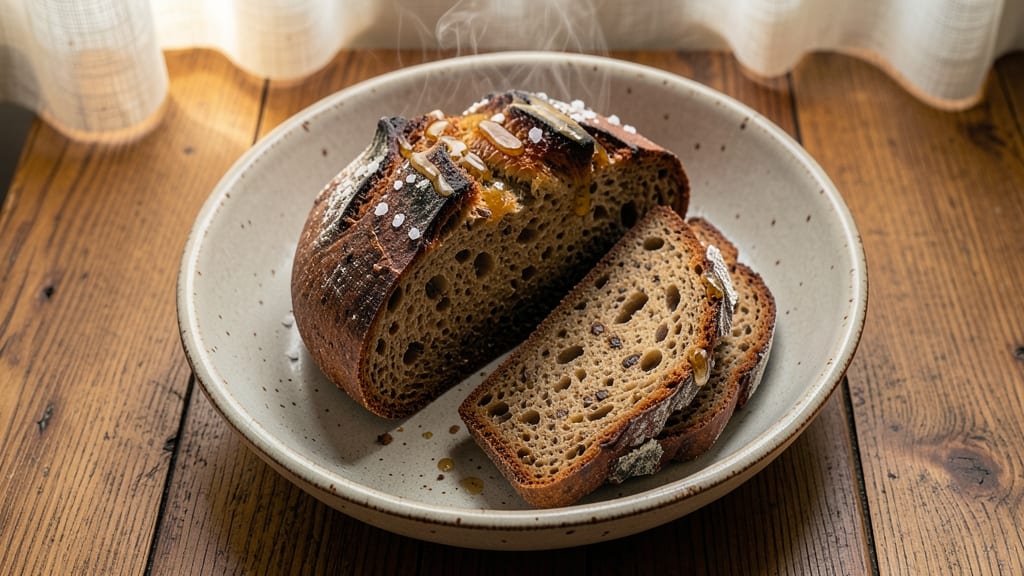
This all rye sourdough bread recipe delivers a dense, flavorful loaf with a deep fermented crust and open, airy crumb—perfect for sandwiches or toast. The key lies in balancing rye's natural acidity with a long fermentation that develops complex flavors.
I've refined this method over years to ensure consistent results, whether you're a beginner or experienced baker.
The process begins with a robust rye starter, which adds tangy depth and improves digestibility. Hydration levels and bulk fermentation times are critical—too much water makes the dough sticky, while too little yields a dense loaf.
Using a Dutch oven creates steam for that signature oven spring, while overnight cold proofing enhances flavor development without extra effort.
What sets this recipe apart is the open crumb structure, achieved through precise shaping and proofing techniques. The crust develops a satisfying crack and crisp texture, while the interior remains tender with pockets of air.
Each step builds on the last, ensuring a loaf that's both visually impressive and packed with flavor.
Ready in 24 hours (including starter prep), this bread is ideal for weekend baking projects. The long fermentation not only improves taste but also makes the rye more digestible. Once baked, the aroma alone will have everyone asking for seconds—trust me, it's worth the wait.
Ingredients for all rye sourdough bread
Four cups of rye flour kickstart this dense, flavorful loaf with a signature open crumb structure.
| Ingredient | Amount | Notes |
|---|---|---|
| Rye Flour 🌾 | 4 cups | Dark rye for maximum flavor |
| All-Purpose Flour 🌾 | 1 cup | For structural balance |
| Active Rye Starter 🍞 | 2 cups | 100% hydration, bubbly |
| Water 💧 | 2 ½ cups | Lukewarm, filtered preferred |
| Honey 🍯 | 1 tbsp | Feeds starter fermentation |
| Salt 🧂 | 1 ½ tsp | Diamond Crystal preferred |
| Instant Yeast 🍞 | ¼ tsp | Optional for extra rise |
| Olive Oil 🫒 | 1 tbsp | Extra-virgin for richness |
| Cornmeal 🌽 | ½ cup | For dusting Dutch oven |
| Ice Water ❄️ | 1 cup | For final dough shaping |
The rye flour is non-negotiable here—King Arthur Dark Rye or Bob's Red Mill deliver the best flavor and texture. If you're new to sourdough, King Arthur's sourdough starter guide is invaluable for troubleshooting. The starter must be active with visible bubbles; if sluggish, feed it 1:1:1 (flour:water:honey) 12 hours before using. For the flours, store them in airtight containers away from light to preserve freshness. The all-purpose flour acts as a structural anchor, preventing an overly dense loaf. White Lily or Gold Medal are reliable choices for consistency.
No active starter? King Arthur's sourdough starter kit gets you going in 5 days. Running low on rye flour? Substitute 1 cup whole wheat flour, but expect a slightly denser crumb. The honey can be swapped for maple syrup at the same ratio. For yeast-free versions, omit entirely and rely on the starter's strength. If your dough feels too sticky, add 1 tbsp more all-purpose flour gradually. The ice water during shaping is crucial—it tightens the gluten structure for that signature open crumb. For a gluten-free version, replace flours with a 1:1 GF blend like Cup4Cup, though texture will differ significantly.
Fermented dough keeps best in the fridge for up to 48 hours before baking, allowing flavors to develop further. Once baked, store the loaf wrapped in a clean kitchen towel inside a paper bag at room temperature for 3-5 days. For longer storage, slice and freeze portions—6 months works perfectly. The Dutch oven is essential; if unavailable, use a heavy baking sheet with a water tray on the bottom rack. Always preheat the Dutch oven for 30 minutes to create proper steam. The crust will continue crisping as it cools, so resist the urge to slice immediately.
Why You'll Love This Recipe
- No-Knead Magic: I swear by this—just mix, let it rise overnight, and bake. The rye starter does all the heavy lifting while you sleep, so you’re not stuck slaving away on a weekday afternoon.
- Earthy Honey Crunch: That touch of honey caramelizes into a subtle sweetness, while the rye flour gives it a deep, almost coffee-like richness. The crust? Crisp enough to hold up to jam or butter without falling apart.
- Weeknight Workhorse: I make a loaf every Sunday because it’s perfect for sandwiches, toast, or even French toast later in the week. The rye starter keeps it fresh longer than regular bread, so it’s always ready for whatever life throws at me.
- Budget-Friendly Staple: Rye flour is cheap, and a small starter goes a long way. Between us, this is the bread that actually lasts—no more sad, stale loaves gathering dust. Plus, the honey adds just enough luxury without breaking the bank.
Step-by-step instructions for all rye sourdough bread
Mastering this deep-fermented rye sourdough requires patience and precision—here's how to achieve that signature open crumb and flavorful crust.
Mix the Dough and Develop Gluten
In a large mixing bowl, combine the 4 cups rye flour and 1 cup all-purpose flour. Add the 2 cups active rye starter, 2.5 cups lukewarm water, 1 tbsp honey, 1.5 tsp salt, and 0.25 tsp instant yeast. Stir with a wooden spoon until just combined—don't overmix at this stage.
Cover the bowl with a damp towel and let it rest for 30 minutes. This initial hydration period allows the rye flour to absorb moisture fully. After resting, add the 1 tbsp olive oil and mix thoroughly by hand for 5-7 minutes until the dough becomes cohesive and slightly sticky. The rye flour's high fiber content makes this dough more challenging to handle than wheat-based doughs, so resist the urge to add extra flour—hydration is key for that open crumb structure.
Bulk Ferment for Maximum Flavor Development
Shape the dough into a loose ball and place it back in the bowl, covering it tightly with plastic wrap. Let it ferment at 70-75°F for 8-12 hours, depending on your starter's activity. You're looking for 50-75% increase in volume—the dough should be bubbly and jiggly when gently shaken.
During this long fermentation, the rye's natural acids develop complex flavors while the gluten structure forms. Check the dough every 2 hours after the first 4 hours of fermentation. If the surface develops a thick skin, dimple it gently with your fingers to prevent cracking. The longer fermentation time is what gives this bread its distinctive deep flavor and open crumb—don't rush this step.
Pre-Shape, Bench Rest, and Final Shape
After bulk fermentation, turn the dough onto a lightly floured surface and perform a pre-shape by folding the edges toward the center to form a loose round. Let it rest for 20-30 minutes while you prepare your Dutch oven. This bench rest relaxes the gluten, making the final shaping easier.
After resting, perform the final shape by tightly tucking the edges into the center to form a round boule. The tension on the surface creates those beautiful cracks during baking. Place the shaped dough seam-side up in a bowl lined with a floured towel, cover with plastic wrap, and let it proof at room temperature for 1-2 hours or until it has nearly doubled in size. The dough should spring back slowly when gently poked with a finger—this indicates proper proofing.
Score and Bake for Crisp Crust
Preheat your oven to 450°F with a Dutch oven inside for 45 minutes. While the oven heats, dust the dough with 0.5 cup cornmeal—this creates a barrier that prevents sticking and adds texture. Using a sharp razor blade or lame, score the dough with ½-inch deep cuts in a crosshatch or simple line pattern. This controlled release of steam during baking creates the open crumb structure characteristic of great rye bread.
Carefully transfer the scored dough to the hot Dutch oven. Bake covered for 30 minutes, then remove the lid and bake for an additional 15-20 minutes until the crust is deep golden brown and the internal temperature reaches 205-210°F. The bread is done when it sounds hollow when tapped on the bottom. Let it cool on a wire rack for at least 1 hour before slicing—this resting period allows the crumb to set properly and prevents a gummy texture.
Final Touches and Serving
Once cooled, slice the bread to reveal that beautiful open crumb structure. The exterior should have a dark, crisp crust with a slightly chewy texture, while the interior reveals an airy, slightly dense crumb with pockets of steam. For best results, store wrapped in a bread bag at room temperature for up to 3 days or freeze for longer storage.
This all-rye sourdough delivers that authentic Scandinavian rye flavor profile with a perfect balance of tang and sweetness. The long fermentation and high hydration create a bread that's both rustic and refined—ideal for sandwiches, toast, or simply enjoyed with butter and jam. The key to success lies in patience during fermentation and precision in shaping and scoring.
Pro Tips For Making All Rye Sourdough Bread
- Autolyse First: Mix the rye flour, all-purpose flour, and water (skip the starter and honey for now) and let it sit for 30-60 minutes. This step hydrates the rye properly—it’s dense stuff and needs the time to soften, or your dough will fight you later.
- Weigh Your Starter: Use a scale for your active rye starter—100% hydration means equal parts starter to water by weight, not volume. I learned this the hard way when my dough turned out too sticky and collapsed during proofing.
- Skip the Over-Knead: Rye dough doesn’t need much handling—just a few gentle stretches and folds during bulk fermentation. Overwork it, and you’ll develop the gluten too much, making the bread dense instead of light and airy.
- Steam the Oven: Place a metal tray on the oven rack before preheating, then add ice cubes or spray water when loading the loaf. The steam mimics a bakery oven and guarantees a crisp crust—no sad, flat tops here.
Regional styles of all rye sourdough bread
Scandinavian Dark Rye
This style uses 100% rye flour with a long fermentation—often 24-48 hours—for a deep, tangy flavor. I recommend King Arthur Dark Rye for its robust maltiness. The dough is typically very wet, with hydration levels around 80-90%, creating a dense yet open crumb.
Bake in a heavy ceramic pot instead of a Dutch oven for a thicker crust. 🌾
German Pumpernickel
German bakers achieve Pumpernickel's signature dark color through coarse rye flour and extended baking times—sometimes 12-24 hours at low temperatures (300°F). The dough includes molasses or treacle for sweetness and a long bulk fermentation (12-16 hours).
Shape into a long loaf and bake wrapped in foil for the first hour to trap steam. The result is a dense, slightly sweet loaf perfect for open-faced sandwiches.
Russian Borodinsky
This rustic style combines rye and wheat flours (typically 2:1 ratio) with a short bulk fermentation (4-6 hours) and high oven spring. The dough includes sunflower oil instead of olive oil, and the loaf is baked in a round shape with a thick crust.
A key trick is adding 1 tbsp ground coffee to the dough for depth. Serve with smoked fish or caviar for an authentic Russian spread.
Swedish Limpa
Limpa is a sweet, spiced rye bread often baked during Christmas. It incorporates cardamom, cinnamon, and cloves alongside honey or sugar and sometimes dried fruits. The dough ferments for 8-12 hours and is shaped into a round loaf with decorative cuts.
Bake at 375°F for 45-50 minutes—the spices caramelize beautifully, creating a fragrant, slightly sweet loaf perfect with coffee.
American-Style Rye
This lighter version often includes all-purpose flour (20-30%) to improve rise and texture. American bakers like Dave's Killer Bread popularized this style with a shorter fermentation (6-8 hours) and instant yeast for reliability.
The dough is easier to handle and produces a lighter crumb. For a modern twist, add seeds (sunflower, pumpkin) or whole grains to the dough before baking.
Polish Rye with Caraway
Polish rye often features caraway seeds for a distinctive anise-like flavor. The dough uses rye and whole wheat flour with a long fermentation (12-16 hours) and includes sour cream or buttermilk for tenderness.
Shape into a round loaf and bake in a cast-iron skillet for a crisp bottom crust. Serve with sausage or pickled vegetables for a hearty meal.
Nutrition facts
Frequently asked questions
Why does my all-rye sourdough dough feel too sticky?
Rye flour absorbs more water than wheat flour, making the dough naturally sticky. The recipe's 80% hydration is intentional for that open crumb, but if it's unbearable, add 1 tbsp all-purpose flour gradually while mixing. Avoid over-flouring—it can make the final loaf dense. Wet hands help handle the dough without adding extra flour.
Can I make this without a Dutch oven?
Yes! Use a heavy baking sheet with a water tray on the bottom rack to create steam. For extra crust development, bake in a cast-iron skillet or commercial baking stone preheated for 45 minutes. The texture will differ slightly, but you'll still get a flavorful loaf. Just expect a less dramatic oven spring.
How do I know when the starter is ready?
Your rye starter should be bubbly, doubled in size, and have a slightly tangy aroma—like yogurt or vinegar. If it's sluggish, feed it 1:1:1 (flour:water:honey) 12 hours before using. For best results, maintain your starter at 75-78°F—a warm spot like the oven with the light on works well. Fresh starter (under 24 hours old) gives the best flavor.
Why did my bread turn out dense instead of open?
Density often comes from underproofing or over-kneading. The dough should nearly double in bulk fermentation and spring back slowly when poked. If you rushed the process, try extending fermentation by 2-4 hours next time. Also check your starter strength—weak starter can't develop enough gas for proper rise. For extra lift, add 0.25 tsp extra yeast to the dough.
Can I substitute whole wheat flour for rye?
You can replace up to 1 cup of rye with whole wheat, but expect a denser crumb and stronger flavor. For best results, use a 1:1 ratio of rye to whole wheat, but reduce hydration by 5-10% since whole wheat absorbs less water. The color will be lighter, and the texture will be more compact. For a lighter version, try pumpernickel rye flour instead.