
Side Dishes
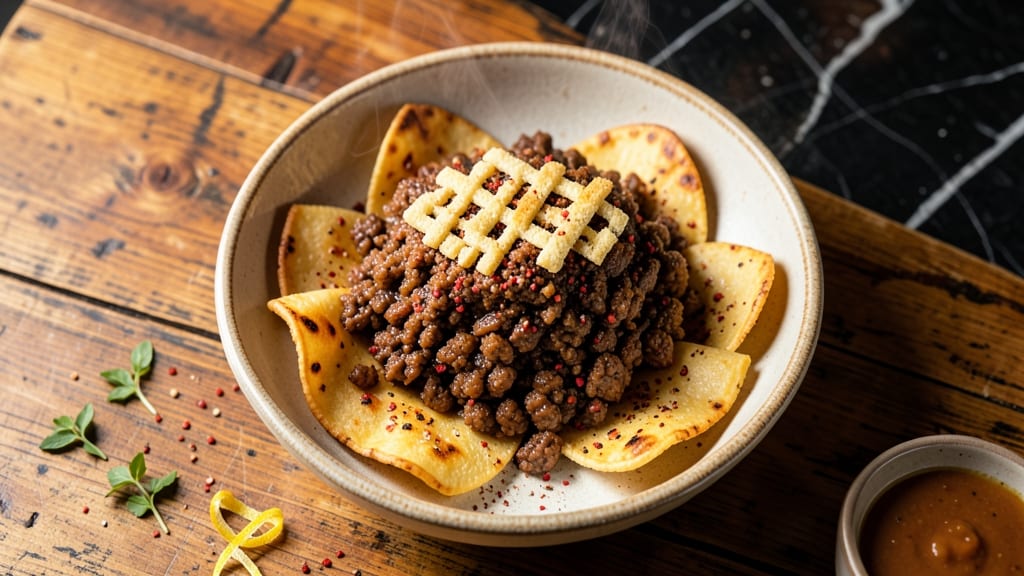
This alligator bread recipe delivers bold Southern flavors with crispy tortilla shells wrapped around tender, spiced alligator meat. The Cajun-inspired filling transforms a unique protein into a restaurant-worthy side dish that stands out at any table.
Proper preparation—from cleaning the meat to achieving that perfect golden crust—makes all the difference in texture and taste.
The secret lies in the breading technique: a light coating of seasoned flour and panko creates that satisfying crunch while keeping the inside juicy. This recipe combines traditional Louisiana flavors with a crispy, handheld presentation that’s perfect for game day or special occasions.
Handling raw alligator requires care, but the results are worth every step.
By the time you’re done, you’ll have golden-brown alligator bread with a crisp exterior and flavorful, tender filling inside. The Cajun seasoning adds depth, while the tortilla shells provide structure without overpowering the meat. Serve with remoulade or hushpuppies for the full Southern experience.
This dish highlights the versatility of alligator in modern cuisine, proving it’s more than just a novelty ingredient. With the right technique, it becomes a standout centerpiece that’s as impressive as it is delicious. Let’s get started on this flavorful creation.
Ingredients for alligator bread
Fourteen ingredients transform raw alligator into crispy, Cajun-spiced handheld bites perfect for game day.
| Ingredient | Amount | Notes |
|---|---|---|
| Alligator Meat 🦎 | 1 ½ lb | Freshly cleaned, boneless pieces |
| Large Tortilla Shells 🌯 | 4 whole | Flour or corn, 10-inch diameter |
| All-Purpose Flour 🌾 | ½ cup | For breading, sifted |
| Japanese Panko Breadcrumbs 🍞 | ½ cup | Light and crispy preferred |
| Cajun Seasoning 🌶️ | 2 tbsp | Homemade or store-bought blend |
| Garlic Powder 🧄 | 1 tsp | Freshly ground preferred |
| Onion Powder 🧅 | 1 tsp | For depth of flavor |
| Smoked Paprika 🌶️ | ½ tsp | Adds smoky richness |
| Salt 🧂 | 1 tsp | Diamond Crystal preferred |
| Black Pepper 🌶️ | ½ tsp | Freshly cracked |
| Large Eggs 🥚 | 2 whole | For binding breading |
| Vegetable Oil 🫒 | ½ cup | For frying tortillas |
| Lemon Wedges 🍋 | 2 whole | For serving, optional |
The alligator meat requires careful handling—source it from a trusted seafood supplier like Seafood Market or Whole Foods, where it's properly cleaned and packaged. Look for pieces with minimal fat, as this ensures a cleaner texture. The tortilla shells should be 10-inch diameter for optimal size—corn tortillas add a subtle sweetness that pairs beautifully with the Cajun flavors. Panko breadcrumbs are essential here; Japanese-style provides that perfect crunch without weighing down the tortillas. For the Cajun seasoning, homemade blends offer more control, but Tony Chachere's is a reliable shortcut that delivers authentic flavor.
No Cajun seasoning? Mix smoked paprika, garlic powder, onion powder, cayenne, and salt in equal parts for a homemade alternative. Short on tortillas? Flour tortillas work in a pinch, though corn tortillas provide that traditional texture. The alligator meat can be substituted with chicken or shrimp for a pescatarian-friendly variation, though the dish loses its signature Southern flair. For extra crispiness, double the breading on the tortillas before frying. The vegetable oil should be kept at 350°F for frying—any hotter and the tortillas burn before the filling cooks through.
Store any leftover alligator meat in an airtight container in the fridge for up to 2 days before using. The breaded tortillas can be prepped ahead and refrigerated for 12 hours before frying, though they're best served immediately after cooking. Once fried, these keep for 3-4 hours at room temperature, making them perfect for game day appetizers. For a restaurant-quality presentation, serve with remoulade sauce or hot sauce on the side, and garnish with fresh parsley or lemon wedges.
Why You'll Love This Recipe
- No-Fuss Assembly: I swear, this comes together faster than a Mardi Gras parade. Just sear the alligator, stuff it into tortillas with that crispy panko crust, and slap it in the oven—no fancy techniques, no stress.
- Cajun Crunch Magic: That panko crust? Oh, it’s everything—golden and shattering with every bite, while the Cajun seasoning on the meat adds this smoky kick that lingers. Honestly, I’ve never had alligator taste so good.
- Tailgate or Tuesday: Serve it warm with a side of remoulade for a game-day showstopper, or pack leftovers for lunch the next day—it reheats like a dream. (Yes, even on a Tuesday night.)
- Leftovers That Don’t Suck: Unlike some fried dishes, this stays crispy when reheated (thanks to that flour-panko combo), and the alligator stays tender. I’ve had it for breakfast, lunch, and dinner—no one complains.
Step-by-step instructions for crispy alligator bread
Master this technique and you'll achieve perfectly crispy tortilla shells with a flavorful, spiced alligator filling every time.
Prepare the Alligator Filling
In a food processor, pulse the 1.5 lb alligator meat until it reaches a fine, ground texture resembling coarse crumbs. Transfer this to a mixing bowl and add the 2 tbsp Cajun seasoning, 1 tsp garlic powder, 1 tsp onion powder, 0.5 tsp smoked paprika, 1 tsp salt, and 0.5 tsp black pepper. Mix thoroughly until all the spices are evenly distributed throughout the meat.
This step is crucial for flavor development. The spices should cling to the meat particles, creating a cohesive filling. If the mixture appears too dry, add 1 tablespoon of water at a time until it forms a moist but not sticky paste. The filling should hold together when pressed gently—this ensures it stays compact inside the tortillas during frying.
Create the Breading Station
In a shallow dish, whisk together the 2 whole large eggs until the yolks and whites are fully combined. In a second shallow dish, combine the 0.5 cup all-purpose flour and 0.5 cup Japanese panko breadcrumbs. This creates a two-stage breading that delivers both a light, crispy exterior and structural integrity.
I like to separate the flour and panko into different stages—first dredging the tortillas in flour creates a barrier that prevents the filling from breaking through during frying. The panko adds that signature crunch we're after. Keep these stations close to your frying area to maintain efficiency during the breading process.
Assemble and Bread the Tortillas
Take each of the 4 large tortilla shells and divide the alligator filling evenly among them, creating a 3-inch diameter mound in the center of each tortilla. Fold the tortillas in half to encase the filling completely, then press the edges firmly to seal. This creates a neat, compact package that will fry evenly.
Dip each sealed tortilla first into the egg wash, allowing excess to drip off, then press gently into the flour-panko mixture, coating all surfaces thoroughly. The breading should adhere firmly—if it crumbles off, lightly mist the tortilla with water before re-coating. Arrange the breaded tortillas on a wire rack to keep them separate while you prepare the oil.
Fry to Golden Perfection
Heat the 0.5 cup vegetable oil in a deep skillet over medium-high heat until it reaches 350°F. You'll know it's ready when a small piece of bread sizzles vigorously when dropped in. Fry the tortillas in batches of two, being careful not to overcrowd the pan—this maintains even heat distribution.
Fry for 2-3 minutes per side until they achieve a deep golden brown color with crispy edges. The tortillas should feel firm to the touch and develop a satisfying crunch. If they brown too quickly, reduce the heat slightly to 325°F and extend the cooking time. Drain on paper towels to remove excess oil.
Serve Immediately with Lemon
Transfer the fried tortillas to a serving platter and cut each in half through the center to reveal the spiced alligator filling. The exterior should be crispy with a satisfying crunch, while the interior remains tender and flavorful. Serve immediately with the 2 whole lemon wedges on the side for a bright contrast to the rich, spicy filling.
This dish delivers the perfect balance of textures—crispy exterior, tender filling, and the zesty tang of lemon. Each bite should offer that satisfying crunch we promised, with the alligator's unique flavor shining through the Cajun spices. The lemon not only enhances the flavor but also cuts through the richness of the fried tortillas.
Pro Tips For Making Alligator Bread
- Trim the Meat First: Alligator meat is tougher than it looks—don’t skip trimming excess fat or connective tissue before breading. I learned this the hard way when my first batch turned chewy instead of tender; a sharp knife and 10 minutes of prep make all the difference.
- Toast the Panko: Dry your Japanese panko in a 350°F oven for 3-5 minutes before breading—it’ll stick better and create a crispier crust. I was skeptical until I tried it; now I never skip this step.
- Don’t Overfill the Tortillas: Stuffing too much meat into the tortilla shells makes them split when frying. Aim for a ¾-inch-thick filling, then press gently to seal—this keeps the shape intact and the breading even.
- Fry in Batches: Crowding the pan drops the oil temperature, leading to greasy, unevenly cooked bread. Work in pairs—two at a time max—and keep the oil between 350-375°F for that perfect golden crust. (Yes, even if you’re impatient like me.)
Best sauces and condiments for alligator bread
Cajun Remoulade
This tangy, spicy sauce is a must-have for alligator bread—it cuts through the richness while enhancing the Cajun flavors.
Mix ½ cup mayonnaise, 2 tbsp ketchup, 1 tbsp Dijon mustard, 1 tbsp hot sauce (like Crystal), 1 tsp Worcestershire sauce, 1 tsp lemon juice, ½ tsp smoked paprika, and ½ tsp garlic powder.
Stir in 1 tbsp finely chopped pickles for extra zing. Serve warm for best flavor contrast. 🌶️
Spicy Aioli
For a creamy, garlicky dip, blend ½ cup mayonnaise, 2 cloves roasted garlic, 1 tbsp lemon juice, 1 tsp Cajun seasoning, and ½ tsp cayenne pepper until smooth.
Add 1 tbsp hot sauce for extra heat. This sauce pairs perfectly with the crispy tortillas and spiced filling, balancing textures beautifully. 💛
Honey Mustard Glaze
Sweet and tangy, this glaze adds a delightful contrast to the spicy alligator. Whisk together ¼ cup honey, 3 tbsp Dijon mustard, 1 tbsp apple cider vinegar, and ½ tsp smoked paprika.
Drizzle over the fried alligator bread just before serving. The honey caramelizes slightly, creating a sticky, flavorful coating. ✨
Hot Sauce Options
For a quick and easy pairing, serve your alligator bread with a selection of hot sauces. Crystal Louisiana Hot Sauce adds classic Cajun heat, while Tabasco offers a sharper kick. For a smoky twist, try Cholula. Let guests customize their heat level—this dish is all about balancing flavors. 🔥
Buttermilk Ranch Dip
Cool down the spice with a creamy buttermilk ranch dip. Mix ½ cup sour cream, ¼ cup mayonnaise, 2 tbsp buttermilk, 1 tbsp chopped fresh dill, 1 tsp garlic powder, ½ tsp onion powder, and ½ tsp salt.
This dip adds a refreshing contrast to the crispy, spicy alligator bread. 🥗
Nutrition facts
Frequently asked questions
Can I use alligator tail meat instead of the regular pieces?
Alligator tail meat works beautifully for this recipe, but you'll need to adjust the preparation. Tail meat is more fibrous and lean, so pulse it slightly longer in the food processor to break it down into smaller pieces. For extra tenderness, marinate the tail meat in 1 tbsp lemon juice and 1 tsp olive oil for 30 minutes before processing. The texture will be slightly different but still delicious with the Cajun seasoning.
How do I store leftover alligator bread?
Store leftover alligator bread in an airtight container at room temperature for up to 3-4 hours (ideal for game day!). For longer storage, refrigerate for up to 2 days, but reheat only in a skillet or oven to restore crispiness. Freezing isn't recommended—the breading loses its crunch when thawed. Instead, reheat from room temp or frozen in 375°F oven for 5-7 minutes until warmed through.
What if I can't find Japanese panko?
No problem! Use regular panko or even crushed cornflakes for a similar texture. For extra crunch, toast your panko substitute in a dry skillet over medium heat for 2-3 minutes before mixing with flour. Avoid breadcrumbs that aren't labeled "panko"—they'll make the coating soggy. The key is light, airy breading that stays crispy during frying.
Is alligator bread safe to eat if the tortillas get slightly undercooked?
Only if the alligator filling reaches an internal temperature of 165°F. The tortillas should be fully cooked through with no soft spots, but the filling's safety depends on proper cooking time. When frying, cut into one piece to check—if the center is still cool, return to the pan for 30-60 seconds. Never serve undercooked alligator meat, as it may contain harmful bacteria. The tortillas will continue cooking slightly after removal from heat.
Can I make this recipe ahead of time for a party?
Yes! Prep the alligator filling and bread the tortillas up to 12 hours ahead, then refrigerate on a wire rack. Keep them separated so they don't stick. When ready to cook, fry directly from the fridge—just add 30 seconds to the cooking time per side. For a crowd, double the recipe and use two skillets to maintain even heat. Serve with extra sauce stations to keep guests happy while you fry batches.