Main Courses
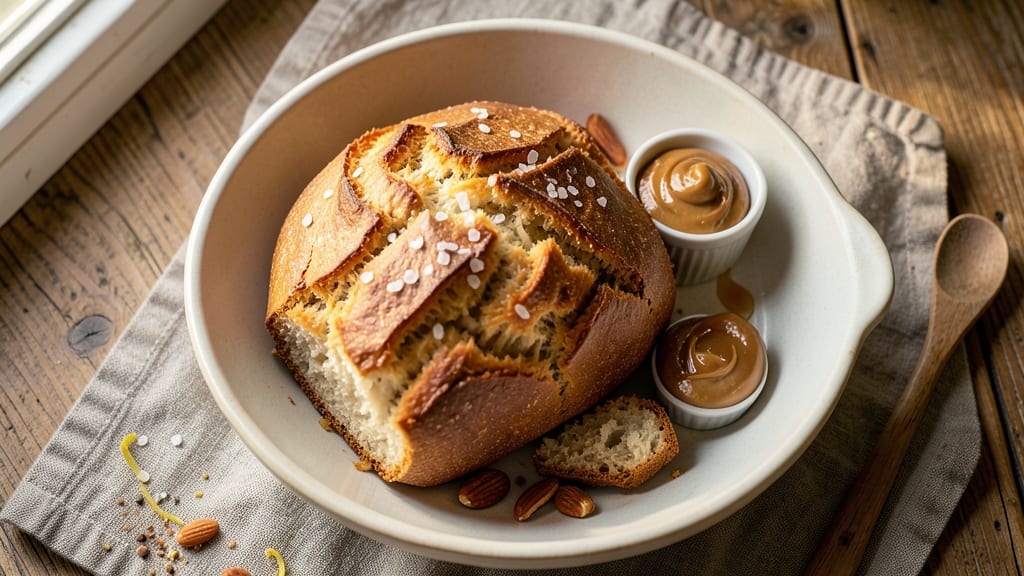
This almond bread recipe with yeast delivers the perfect balance of nutty sweetness and pillowy rise—every slice reveals tender crumb and rich almond flavor in every bite.
The secret lies in proper yeast activation and gentle kneading, which develops gluten for that signature soft texture while keeping the almond swirls intact. I've perfected this recipe over years of baking, ensuring it never turns out dense or dry.
What sets this apart is the two-stage mixing process: first combining wet ingredients with activated yeast, then folding in almond butter and flour for a seamless swirl pattern.
Proofing times are critical here—patience pays off with that airy, golden-brown crust and light interior. The recipe yields a single loaf that's perfect for breakfast, dessert, or gifting.
By the time it emerges from the oven, you'll have a loaf with crisp edges, a tender crumb, and almond flavor infused throughout. The aroma alone makes this bread worth the effort, and it stays fresh for days when stored properly.
Whether you're a beginner or experienced baker, this recipe delivers professional-quality results with simple techniques.
Serve warm with butter or jam, or enjoy it toasted with a sprinkle of powdered sugar. The versatility makes it ideal for any occasion—breakfast, brunch, or holiday gatherings. Here's how to achieve that perfect almond bread every time.
Ingredients for almond bread recipe with yeast
Twelve simple ingredients transform into a loaf of nutty, pillowy perfection—every bite packed with almond flavor and golden swirls.
| Ingredient | Amount | Notes |
|---|---|---|
| Active Dry Yeast 🍞 | 2 ¼ tsp | Freshly opened for best activation |
| Granulated Sugar 🍚 | ¼ cup | For yeast activation |
| Warm Water 💧 | ½ cup | 110°F for yeast activation |
| Unsalted Butter 🧈 | ½ cup | Softened but not melted |
| Large Eggs 🥚 | 2 whole | Room temperature preferred |
| Almond Butter 🥜 | ¾ cup | Natural, no added sugar |
| All-Purpose Flour 🌾 | 3 ½ cups | Plus extra for dusting |
| Powdered Sugar 🍚 | ½ cup | For sweetness and texture |
| Baking Powder 🍞 | 1 tsp | For lift and tenderness |
| Salt 🧂 | ½ tsp | Kosher or sea salt |
| Vanilla Extract 🌸 | 1 tsp | Pure vanilla for flavor |
| Almond Slices 🌰 | 1 cup | Thinly sliced for topping |
The yeast is non-negotiable here—Bob's Red Mill active dry yeast works best, but check the expiration date (old yeast equals flat bread). For the almond butter, Kirkland Signature or Maranatha are my go-tos—they're smooth and free from additives. The almond slices? Trader Joe's or Costco sell pre-sliced ones for convenience, but if you're feeling fancy, thinly slice a whole almond yourself. Flour matters too—King Arthur or Gold Medal give the best rise. Keep everything at room temperature before mixing, especially the eggs and butter—cold ingredients slow yeast activation.
No almond butter? Almond flour plus a little oil works in a pinch, though the texture will differ. Running out of powdered sugar? Granulated sugar blended into a powder is a decent swap, but it won't be as light. The baking powder is crucial—double-check it's fresh (old baking powder loses potency). For vanilla, imitation won't cut it—pure vanilla extract is worth the splurge. Want extra richness? Add 1 tbsp sour cream to the wet ingredients. The almond slices can be swapped for chopped walnuts or pecans if you prefer a different nutty flavor. Proofing is where magic happens—don't rush it!
This loaf keeps beautifully—3 days at room temperature wrapped in a towel, or 1 week refrigerated in an airtight container. For longer storage, slice and freeze—3 months is doable. The best part? It reheats perfectly—wrap slices in foil and warm for 10 seconds in the microwave, or toast in a 350°F oven for 5 minutes until golden. I always bake an extra loaf—it disappears fast around here. The aroma alone makes this bread worth the effort, and the swirls? Absolutely essential for that restaurant-quality look.
Why You'll Love This Recipe
- No-Fuss Rise: I swear by the yeast here—just toss it with warm water and sugar, let it sit for 10 minutes, and boom. No fancy proofing, no waiting hours. That butter gets incorporated in seconds, and the dough comes together faster than my coffee brews.
- Buttery Almond Bliss: The moment the warm butter melts into the dough, you know you’re onto something. The almonds add a nutty crunch, but the real magic? That soft, pillowy crumb with a whisper of sweetness from the sugar—like a hug in bread form.
- Breakfast or Snack Hero: This bread is my go-to for toast in the morning (with jam or peanut butter) or as a side for dinner (think charcuterie boards or sandwiches). Honestly, I’ve even sliced it thin for French toast—because why not? It’s that versatile.
- Budget-Friendly Staple: A loaf costs me pennies to make, yet it feeds my family for days. The yeast and sugar are cheap, the butter stretches far, and the leftovers? They last longer than my willpower to resist cutting another slice. (Yes, even on a Tuesday night.)
Step-by-step instructions for almond bread with yeast
Here's how to create a loaf with golden swirls and a tender crumb—no fancy tools required.
Activate the Yeast for Maximum Rise
In a small bowl, whisk together the 2.25 tsp active dry yeast and 0.25 cup granulated sugar with the 0.5 cup warm water (about 110°F). Let it sit for 5-10 minutes until it becomes frothy and bubbly—this tells you the yeast is alive and ready to work. If it doesn't bubble, your yeast might be old, and you'll need to start over.
While waiting, take the 0.5 cup unsalted butter and let it soften at room temperature. You want it pliable but not melted—press your finger into it; if it leaves a slight indent, it's perfect. This butter will create that signature tender crumb and rich flavor we're after.
Mix the Dough Until Just Combined
In a large mixing bowl, combine the 3.5 cups all-purpose flour, 1 tsp baking powder, 0.5 tsp salt, and 1 tsp vanilla extract. Give it a quick stir to distribute the dry ingredients evenly. Then add the softened butter, 2 whole large eggs, 0.75 cup almond butter, and 0.5 cup powdered sugar to the yeast mixture.
Using a wooden spoon or dough whisk, mix everything together until just combined—you should still see some flour streaks. Overmixing develops gluten, which can make the bread tough. The dough will be sticky but manageable. Here's the thing: don't be tempted to add extra flour yet. The almond butter and butter already provide enough fat to keep things together.
Knead and Shape for Perfect Swirls
Lightly flour a clean surface and turn out the dough. Knead it gently for 2-3 minutes until it comes together into a smooth, cohesive ball. You're not trying to develop gluten here—just enough to bring everything together. Shape the dough into a 9x5-inch loaf pan by pressing it down firmly to fill the pan completely.
Now for the signature swirls: spread 0.75 cup almond butter evenly over the top of the dough. Then sprinkle the 1 cup almond slices over the almond butter, pressing them down gently so they stick. This layering ensures those beautiful nutty swirls bake right into the bread.
Proof the Dough for Maximum Flavor
Cover the loaf pan tightly with plastic wrap and let it rise at room temperature for 1-1.5 hours, or until it's puffed about 1 inch above the rim of the pan. The kitchen should smell amazing—like warm almonds and fresh-baked bread. If the dough doesn't rise much, try placing the pan in a slightly warmer spot (like near a turned-off oven light) to help it along.
Once it's puffed, preheat your oven to 350°F. The dough will be light and airy, with just a hint of springiness when you press it gently. This proofing step is crucial—it develops the bread's texture and flavor. Don't skip it, even if you're eager to bake!
Bake to Golden Perfection
Bake the loaf for 45-50 minutes until the top is golden brown and a toothpick inserted into the center comes out clean. The edges should pull away slightly from the pan, and the almond slices should be toasted to a beautiful golden color. If the top browns too quickly, tent the pan loosely with foil to prevent over-browning.
Let the bread cool in the pan for 10 minutes, then transfer it to a wire rack to cool completely. This resting period ensures the crumb sets properly, preventing a gummy texture. Once cooled, slice it into 12 even pieces—each one will be packed with almond flavor and a tender, pillowy bite. Serve warm with a pat of butter or a drizzle of honey for the ultimate treat.
Pro Tips For Making Almond Bread Recipe With Yeast
- Test Yeast First: I learned this the hard way—skipping the test means wasting time and dough. Mix 1 packet yeast, 1 tsp sugar, and ¼ cup warm water (110°F). If it bubbles within 5-10 minutes, your yeast is alive. No bubbles? Toss it and grab fresh.
- Whisk Butter Until Pale: Cold butter in almond bread means dense, greasy results. Beat the unsalted butter with sugar until it’s almost white—about 3-4 minutes. This incorporates air, making your bread lighter. (Yes, it’ll look weirdly fluffy, but that’s the goal.)
- Don’t Overmix the Dough: After adding flour, stop mixing the second the dough clumps together. Overworking it develops gluten, and almond bread should stay tender, not chewy. Use a spatula to gently fold in the last bit—this keeps the texture right.
- Add Almonds Last: I was skeptical until I tried it: fold in the almonds after the dough comes together. This keeps them evenly distributed and prevents them from sinking to the bottom. Sprinkle them on top too—it’s the easiest way to get that classic crunch.
Dietary considerations for these flavors
Gluten-Free Adaptations
For a gluten-free version, replace the 3.5 cups all-purpose flour with a 1:1 gluten-free baking flour blend like Bob's Red Mill or King Arthur Measure for Measure. Add 1 extra tablespoon of xanthan gum to mimic gluten's binding properties, but omit the baking powder since most blends include it.
The dough will be stickier, so use a silicone spatula to scrape every bit into your loaf pan. Proofing time may extend by 15-20 minutes due to the different gluten structure. 💡
Vegan-Friendly Swaps
To make this bread vegan, substitute the 2 large eggs with 2 tablespoons ground flaxseed mixed with 6 tablespoons water (let it sit for 5 minutes to thicken).
Replace the 0.5 cup unsalted butter with 0.5 cup vegan butter like Miyoko's or Earth Balance, and use almond milk instead of water for the yeast activation. The texture stays tender, though the crumb may be slightly denser. 🌱
Nut-Free Alternatives
Skip the almond butter and almond slices by using ½ cup sunflower seed butter (for nut-free kitchens) and topping with 1 cup crushed cornflakes or oat crumbs for crunch. For extra sweetness, add 2 tablespoons maple syrup to the wet ingredients.
The flavor shifts to nutty-sweet without actual nuts, making it safe for those with nut allergies. Always check labels—some sunflower seed butters contain almond cross-contamination. 🌰
Lower-Sugar Options
Reduce the 0.5 cup powdered sugar to 0.25 cup and replace the rest with 0.25 cup coconut sugar for a lower-glycemic option. Use unsweetened applesauce instead of 0.25 cup granulated sugar in the yeast activation.
The bread will still be sweet but with natural sugars and fewer refined carbs. Pair it with unsweetened almond butter for dipping to keep it balanced. 🍯
Dairy-Free Modifications
For a dairy-free version, swap the 0.5 cup unsalted butter for 0.5 cup coconut oil (melted and cooled slightly). Use dairy-free vanilla extract (like Annie's) and ensure your almond butter is certified dairy-free.
The texture remains moist, though coconut oil adds a subtle tropical note that complements the almond flavor. Test the dough consistency—coconut oil can make it slightly softer. ❄️
Nutrition facts
Frequently asked questions
Why does my almond bread turn out dense instead of pillowy?
Overmixing the dough develops too much gluten, which makes the bread tough. Mix just until combined (you'll still see flour streaks), and knead gently for only 2-3 minutes. Also, ensure your yeast is fresh—old yeast won't activate properly, leading to poor rise. Always proof the dough until it's puffed about 1 inch above the pan.
Can I make this bread without a loaf pan?
Yes! Shape the dough into a round or oval on a parchment-lined baking sheet. For extra flair, brush with egg wash and sprinkle with almond slices before baking. The baking time will be 35-40 minutes at 350°F, rotating the pan halfway for even browning. The texture will be slightly denser than pan-baked, but still delicious.
How do I store almond bread to keep it fresh?
Wrap the cooled loaf in a clean kitchen towel and store at room temperature for 3 days. For longer storage, slice and freeze in an airtight container for up to 3 months. To reheat, wrap slices in foil and warm in a 350°F oven for 5 minutes or microwave for 10 seconds—the bread reheats beautifully!
Can I use almond flour instead of almond butter?
Not directly—almond flour has a very different texture and won't create the signature swirls. However, you can blend ½ cup almond flour with ¼ cup neutral oil to mimic some of the richness, though the flavor will be less intense. For best results, stick with the almond butter in the recipe for that authentic nutty taste and moist crumb.
What's the secret to getting those perfect almond swirls?
Spread the almond butter evenly over the dough before adding almond slices, then press them down gently so they stick. When shaping the dough, press it firmly into the pan to create a flat base—this prevents the swirls from sinking into the bread. Bake until the almond slices are golden (about 45-50 minutes) for that restaurant-quality look.