Side Dishes
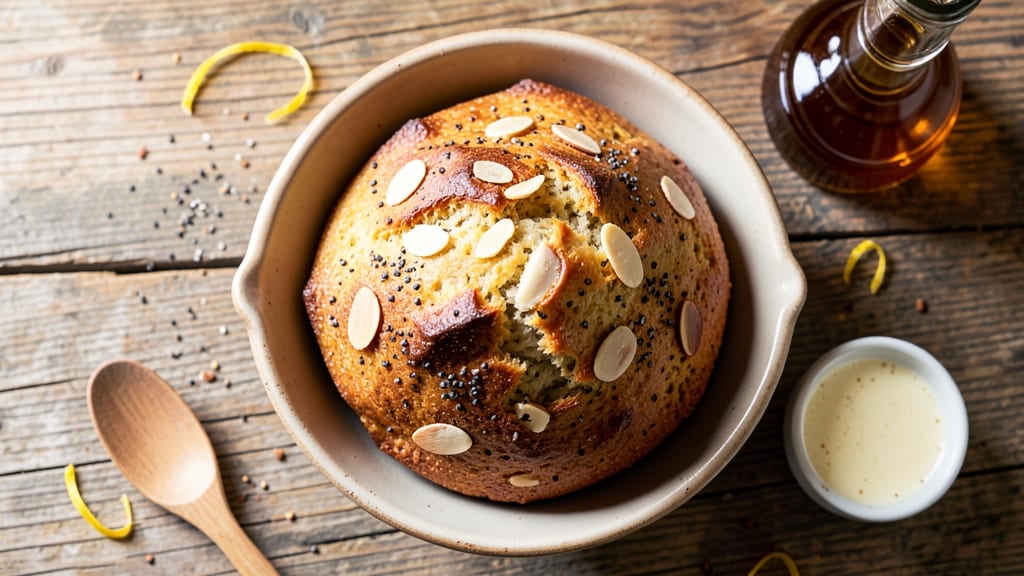
This almond flax bread recipe delivers the perfect gluten-free loaf with a nutty, seed-packed crust that rivals traditional bread. The secret lies in flaxseed as an egg substitute and almond flour for structure, creating a tender crumb with just the right chew.
I developed this recipe after years of baking experiments, and it's finally the version that stays fresh for days without drying out.
The beauty of this recipe is its versatility—it works as a sandwich base, toasted with plant-based butter, or even as a side with avocado. With a high-protein boost from almonds and flax, it satisfies without the gluten.
The dough comes together in 15 minutes of prep, and the baking time is just 40 minutes for a golden, aromatic loaf that smells like a bakery.
What makes this bread truly special is its texture—light yet substantial, with a crisp crust that gives way to a moist interior. The flaxseed adds subtle earthiness that balances the sweetness of the almond flour, while a touch of apple cider vinegar enhances the rise.
It's the kind of bread that makes gluten-free eating feel indulgent, not restrictive.
Perfect for meal prep, gifting, or simply enjoying with your morning coffee. The recipe scales easily, so you can bake one loaf or make a double batch for the week. Let's get started on this nutty, seed-packed masterpiece that proves gluten-free doesn't mean giving up texture or flavor.
Ingredients for almond flax bread
Almond flour, flaxseed, and seeds create a gluten-free loaf with bakery-style texture and nutty depth.
| Ingredient | Amount | Notes |
|---|---|---|
| Almond Flour 🌰 | 2 ½ cups | Finely ground, unsweetened |
| Ground Flaxseed 🌾 | ½ cup | Freshly ground preferred |
| Almond Milk 🥛 | 1 cup | Unsweetened, plain variety |
| Apple Cider Vinegar 🍎 | 1 tbsp | Raw, unfiltered preferred |
| Maple Syrup 🍁 | ¼ cup | Grade B for depth of flavor |
| Chia Seeds 🌱 | 2 tbsp | Whole, organic preferred |
| Sunflower Seeds 🌻 | ¼ cup | Raw, unsalted |
| Baking Powder 🧂 | 1 ½ tsp | Aluminum-free preferred |
| Salt 🧂 | ½ tsp | Fine sea salt |
| Sesame Seeds 🌿 | 2 tbsp | Toasted for extra crunch |
| Poppy Seeds 🌱 | 1 tbsp | For decorative topping |
| Water 💧 | ½ cup | Room temperature |
Almond flour is the backbone here—Bob's Red Mill or Anthony's Goods are my go-tos for consistency. Freshly ground flaxseed is non-negotiable; pre-ground loses its binding power fast. For seeds, Trader Joe's has great bulk bins at reasonable prices. The apple cider vinegar adds lift, so Bragg or Texas Pete work perfectly. Toast your sesame seeds in a dry pan for 2 minutes—they'll develop a nutty aroma that carries through the crust. If you can't find poppy seeds, sesame seeds alone still give that crunchy finish.
No almond flour? Cashews blended into a fine powder works in a pinch, though texture will differ slightly. Substitute flaxseed with chia seeds at 1:1 ratio, but add an extra 1 tbsp water to the mix. For the milk, oat or soy milk both work, but almond milk's neutral flavor keeps the focus on the nuts. The maple syrup can be swapped for agave nectar if preferred. If you're short on chia seeds, extra flaxseed will maintain the binding quality, though texture may be slightly denser. Always measure your baking powder fresh—old powder loses its potency.
This dough keeps in the fridge for 5 days wrapped tightly in plastic, or 3 months frozen in a sealed bag. For best texture, let it sit at room temperature for 20 minutes before slicing. The loaf reheats beautifully—wrap a slice in foil and warm in a 350°F oven for 5 minutes. I bake two loaves at once for meal prep, slicing one immediately and freezing the other. The seeds on top stay crisp for 3 days if stored in an airtight container. For gifting, wrap slices in parchment and tie with twine—they make stunning presents that last.
Why You'll Love This Recipe
- No Mixer Needed: I swear by this—just stir, pour, bake. The ground flaxseed and almond flour blend like a dream with almond milk, and the apple cider vinegar does all the rising work for you. Honestly, my blender sits unused for days after making this.
- Sweet & Nutty Magic: That maple syrup isn’t just for flavor—it caramelizes just enough to give every slice a subtle depth, while the almond flour keeps it rich without being heavy. Between us, I’ve had people ask if it’s brioche. (It’s not. But they don’t need to know.)
- Breakfast to Brunch: Toast it for avocado toast, slice it for French toast, or serve it warm with jam—this bread handles it all. I keep a loaf in the freezer for lazy mornings, and it reheats like a dream. (Yes, even on a Tuesday night.)
- Budget-Friendly Staple: Almond flour might sound fancy, but it stretches further than regular bread, and ground flaxseed adds fiber without breaking the bank. One batch feeds my family for days, and the leftovers? Perfect for sandwiches or crumbs for meatballs. My wallet thanks me.
Step-by-step instructions for almond flax bread
Here's how to create a perfectly risen gluten-free loaf with a nutty crust and tender crumb.
Prepare the Flax Egg Substitute
In a small bowl, combine the 0.5 cup ground flaxseed with the 0.5 cup water. Stir vigorously for 1 minute until fully thickened and gelatinous. This mixture acts as our egg substitute, providing both binding and moisture. Let it sit for 5 minutes while you prepare the rest of the ingredients—this gives the flax time to fully hydrate and develop its gelling properties.
Here's the thing—if you skip the resting time, your bread will be denser. The flax needs this period to properly thicken, which mimics the structure eggs provide in traditional bread recipes. After resting, you'll notice the mixture becomes almost pudding-like in consistency, which is exactly what we want for proper texture.
Mix Wet and Dry Ingredients Separately
In a large mixing bowl, whisk together the 1 cup almond milk, 1 tbsp apple cider vinegar, 0.25 cup maple syrup, and the prepared flax egg mixture. The vinegar will begin to curdle slightly as it reacts with the almond milk—this is normal and indicates the mixture is properly acidified, which helps with rise and texture.
In a separate medium bowl, sift together the 2.5 cups almond flour, 0.5 cup sunflower seeds, 1.5 tsp baking powder, and 0.5 tsp salt. The sifting ensures even distribution of the baking powder and prevents any lumps from forming in the final batter. I always use a fine-mesh sieve for this step—it makes a noticeable difference in the bread's texture.
Combine and Incorporate Seeds
Gradually add the dry ingredients to the wet mixture, stirring with a spatula until just combined. You'll want to mix until no dry spots remain, but be careful not to overmix—stop when the batter comes together. The batter should be thick but pourable, similar to pancake batter in consistency.
Next, fold in the 2 tbsp chia seeds and 2 tbsp sesame seeds using gentle stirring motions. The chia seeds will absorb some moisture and create a slightly thicker texture, while the sesame seeds add that beautiful crunchy contrast. Here's where it gets fun—sprinkle the 1 tbsp poppy seeds on top of the batter and gently fold them in just before baking. These will serve as your decorative topping and add a delightful pop of color.
Prepare the Loaf Pan and Bake
Preheat your oven to 350°F and lightly grease an 8x4-inch loaf pan with cooking spray or line it with parchment paper. The paper makes removal easier and prevents sticking, which is especially important with gluten-free baking. Pour the batter into the prepared pan and smooth the top with a spatula, creating an even surface.
Bake for 45-50 minutes until the top is golden brown and a toothpick inserted in the center comes out clean. The bread is done when it springs back slightly when pressed gently in the center. I know it seems like a long time, but gluten-free breads require this extended baking to develop proper structure. If you're worried about overbrowning, tent the pan with foil after 30 minutes of baking.
Cool and Serve for Perfect Texture
Remove the bread from the oven and let it cool in the pan for 10 minutes. Then transfer it to a wire rack to cool completely for at least 1 hour before slicing. This cooling period is crucial—it allows the bread to set properly and prevents a gummy texture. I've learned the hard way that cutting too soon results in a crumbly, unsatisfying slice.
Once fully cooled, slice the bread into 8 even portions and serve. The exterior should have a beautiful golden crust with visible sesame and poppy seeds, while the interior reveals a tender crumb with pockets of nutty flavor from the almond flour and sunflower seeds. Store any leftovers in an airtight container at room temperature for up to 3 days or freeze for longer storage.
Pro Tips For Making Almond Flax Bread
- Mix Flax First: The ground flaxseed needs to gel properly—whisk it with the almond milk and vinegar for at least 5 minutes before adding anything else. I used to skip this, and the bread would turn out dense and crumbly. Let it sit until it looks like thick pudding, and you’ll get that light, airy texture.
- Preheat Pan Properly: Cast iron or a heavy skillet is your best bet—get it screaming hot (medium-high to high) for 3-5 minutes before pouring in the batter. Cold pans mean soggy bottoms, and nobody wants that. Watch for a few seconds of steam when you add the batter, then turn the heat down to medium-low.
- Don’t Overmix the Batter: Almond flour is finicky—mix just until the dry ingredients disappear. Overworking it releases too much gluten (yes, even in almond flour), and your bread will turn out tough instead of tender. A few swirls with a spatula is all you need.
- Use Warm Almond Milk: Cold almond milk makes the batter sluggish and can lead to uneven baking. Heat it gently (not boiling—just warm to the touch) before mixing. It blends smoother, the flaxseed gels faster, and the bread rises better. Trust me, it makes a real difference.
Troubleshooting perfect results
Dense Texture Fix
If your bread turns out too dense, the issue is likely underbaked batter or insufficient resting time for the flax egg. First, ensure you rested the flax mixture for the full 5 minutes—this step is non-negotiable for proper binding.
Also, check your baking time: gluten-free bread needs 45-50 minutes at 350°F to fully set. For next time, try adding 1 extra tablespoon of almond milk to the wet ingredients if your kitchen is dry. 🌰
Flat Top Troubles
A flat or sunken top usually means the baking powder lost potency or the oven wasn't properly preheated. Always use fresh baking powder (test it by mixing with water—it should bubble vigorously). Preheat your oven for at least 15 minutes before baking.
For extra lift, place a small bowl of water on the oven rack during baking to create steam. If you notice the top browning too quickly, tent with foil after 30 minutes to prevent over-browning while the center finishes baking. 🔥
Sticky or Gummy Crumb
This happens when the bread is sliced too soon or the oven wasn't hot enough. Always let the loaf cool completely for 1 hour before slicing—this allows the starches to fully set.
If your crumb feels gummy, try increasing the baking temperature to 360°F for the last 10 minutes of baking. For extra insurance, chill the baked loaf in the fridge for 30 minutes before slicing. This helps firm up the texture beautifully. ❄️
Cracked or Split Loaf
Rapid cooling causes cracks, especially in gluten-free bread. After baking, let the loaf cool in the pan for 10 minutes before transferring to a wire rack. If you see cracks forming, simply brush them with a little almond milk and return to the oven for 5-10 minutes to set.
For prevention, avoid opening the oven door during the first 30 minutes of baking—temperature fluctuations are the main culprit. 💡
Seeds Not Crunchy
Toasted seeds lose their crunch when exposed to moisture or baked too long. Always toast your sesame seeds separately in a dry pan for 2 minutes before adding to the batter.
For the poppy seeds, sprinkle them on top just before the final 10 minutes of baking so they stay fresh. If your seeds turn soggy, try baking at a slightly lower temperature (340°F) for the last 15 minutes to preserve their texture. 🌿
Bread Collapses After Baking
This usually means the batter wasn't properly mixed or the baking powder wasn't fresh. Double-check that all ingredients are fully incorporated—no dry spots should remain. For extra structure, add 1 extra tablespoon of chia seeds to the batter.
If you suspect the baking powder is old, test it with water (it should bubble) and replace if needed.
For a quick fix, try baking the loaf in a water bath—place the pan in a larger roasting pan with 1 inch of hot water on the bottom to create steam and improve rise. 💫
Nutrition facts
Frequently asked questions
Why does this bread need flaxseed if it's already got almond flour?
The flaxseed acts as a natural egg substitute, providing the binding and moisture traditional bread gets from eggs. Ground flaxseed creates a gel-like consistency when mixed with water, which helps hold the bread together during baking. Without it, the texture would be much denser and crumbly.
Can I make this bread without a loaf pan?
Yes! You can bake it in a round cake pan or even as free-form bread on a parchment-lined baking sheet. For free-form, shape the batter into a round and bake for 35-40 minutes at 350°F. The crust will be slightly crispier, but the interior remains tender. Just watch it closely to prevent over-browning.
How do I store this bread to keep it fresh longest?
For maximum freshness, store in an airtight container at room temperature for up to 5 days. For longer storage, slice and freeze individual portions—they'll stay fresh for 3 months. To revive, toast frozen slices in a toaster or warm in a 350°F oven for 5 minutes wrapped in foil.
Is this bread suitable for nut-free diets?
No, this recipe contains almond flour as the base ingredient. For a nut-free version, substitute with oat flour or gluten-free all-purpose flour, though the texture will differ. The seeds (sunflower, sesame, poppy) remain safe for nut-free diets. Always check seed brands for cross-contamination warnings if severe allergies are a concern.
Can I add sweetener or spices to this recipe?
For sweetness, add 1-2 tablespoons of cinnamon or 1 teaspoon of vanilla extract to the wet ingredients. For savory variations, try 1 teaspoon of dried rosemary or thyme with a pinch of garlic powder. Keep extra seeds to 3 tablespoons total to maintain proper texture. Always adjust liquid slightly if adding extra spices.