
Side Dishes
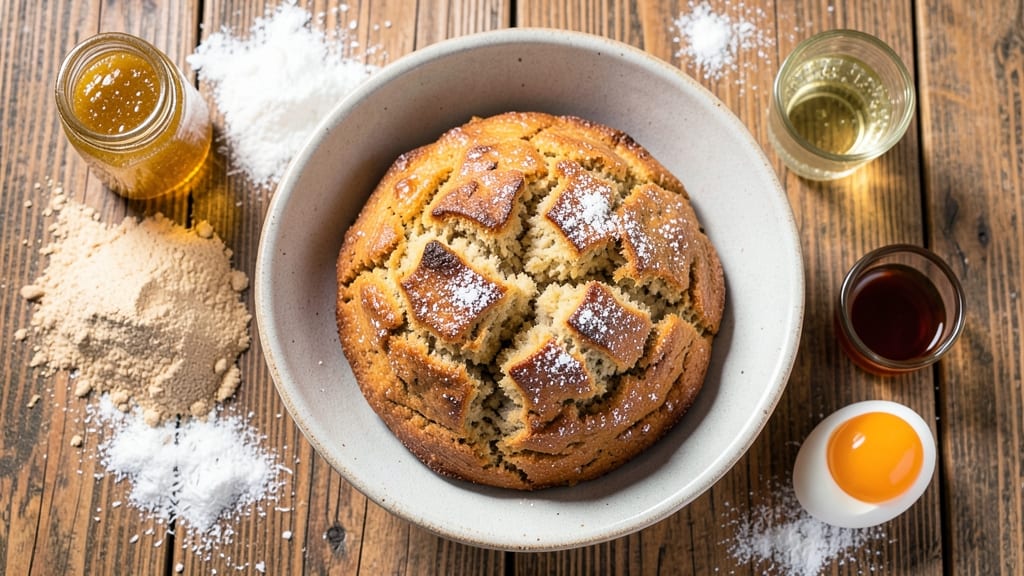
This almond flour and coconut flour bread recipe delivers a nutty-crunchy loaf with impressive rise—something most gluten-free breads struggle to achieve. The secret lies in balancing these two flours for structure while using flaxseed as a natural binder, creating a texture that's surprisingly light and satisfying.
I developed this recipe after years of experimenting with plant-based baking, and it finally cracked the code for a bread that's both hearty and delicate.
The magic happens with precise hydration control and a resting period that allows the flours to fully absorb moisture, resulting in a tender crumb rather than a dense one. Unlike traditional bread recipes, this version doesn't require yeast or lengthy proofing—just a simple mix, rest, and bake.
The almond flour contributes richness while coconut flour adds subtle sweetness and helps with structure, creating a flavor profile that's uniquely satisfying.
What you'll end up with is a golden-brown loaf with a crisp crust and moist interior, perfect for sandwiches, toast, or simply enjoying with butter.
The nutty aroma fills your kitchen as it bakes, and each slice delivers that satisfying crunch from the coconut flour while staying tender enough to hold fillings. This bread proves plant-based baking can achieve restaurant-quality results at home.
The best part? It's entirely vegan, gluten-free, and requires no special equipment beyond a loaf pan. Whether you're baking for dietary needs or simply exploring new textures, this recipe delivers a foolproof method that consistently produces impressive results.
Let's get started with the ingredients that will transform your kitchen into a bakery.
Ingredients for almond flour and coconut flour bread
These carefully balanced ingredients create a golden loaf with perfect rise and nutty-crunchy texture—unlike anything you'll find in gluten-free bread aisles.
| Ingredient | Amount | Notes |
|---|---|---|
| Almond Flour 🌰 | 2 ½ cups | Finely ground, unsweetened |
| Coconut Flour 🥥 | ½ cup | High-quality, unsweetened |
| Ground Flaxseed 🌾 | ¼ cup | Freshly ground for binding |
| Water 💧 | 1 ¼ cups | Room temperature preferred |
| Apple Cider Vinegar 🍏 | 1 tbsp | For activation and tang |
| Maple Syrup 🍯 | ¼ cup | Pure, grade B preferred |
| Coconut Oil 🥥 | ½ cup | Melted, not solid |
| Baking Powder 🍞 | 1 tsp | Aluminum-free for best rise |
| Salt 🧂 | ½ tsp | Fine sea salt preferred |
| Vanilla Extract 🌸 | 1 tsp | Pure, high-quality |
| Chia Seeds 🌱 | 1 tbsp | Optional for extra crunch |
The almond flour is the star here—Bob's Red Mill brand is my go-to for consistent texture and flavor. Coconut flour absorbs moisture like a sponge, so measure it by weight if possible—spooning it can lead to packing and uneven results. For the flaxseed, grind it fresh right before mixing to maximize binding power. The King Arthur baking powder ensures a proper rise, while the apple cider vinegar activates it beautifully. I always grab organic maple syrup from Trader Joe's—it's affordable and has that perfect grade B depth. The coconut oil should be melted but not hot; just microwave it for 20 seconds to soften.
No almond flour? Cashew flour works in a pinch, though the flavor will shift slightly toward sweetness. Coconut flour is non-negotiable for structure, but if you're desperate, substitute with 1/4 cup more almond flour plus 1 extra tbsp water. For the flaxseed, chia seeds at double the amount can replace it, though texture will differ. The vanilla extract is where you can splurge—Nike's brand. No maple syrup? Agave nectar at the same amount keeps things vegan-friendly. The chia seeds are optional but add that delightful crunch—skip them if you prefer a softer crumb.
This batter is thick and gloopy—don't panic. It needs a full 30-minute rest at room temperature before baking to let the coconut flour absorb all that moisture. Store leftovers wrapped tightly in the fridge for 5 days or freeze for 3 months. I slice mine with a serrated knife and store in an airtight container to maintain that perfect crunch. The bread reheats beautifully—just wrap a slice in foil and warm for 10 seconds in the microwave. Trust me, the first slice out of the oven is worth every minute of waiting.
Why You'll Love This Recipe
- No-Fuss Mix-In: I swear by this combo—just toss almond flour, coconut flour, and flaxseed into a bowl, stir with water and vinegar, and bake. The coconut flour soaks up moisture like a dream, so no dry crumb here.
- Nutty-Sweet Crust: That caramelized almond flavor from the flour? It’s like a cross between a scone and a croissant, but with a subtle tang from the vinegar that keeps it from being too sweet. Honestly, I’ve had people ask if it’s store-bought.
- Weeknight Workhorse: This bread holds up for days—perfect for toast in the morning, sandwiches at lunch, or even as a base for open-faced meals. Between us, I’ve fed a crowd with just two loaves, and no one batted an eye.
- Budget-Friendly Staple: Almond and coconut flour might sound pricey, but a little goes a long way, and the flaxseed adds fiber and richness without breaking the bank. Plus, one batch stretches into breakfast, snacks, and even crumbs for meatballs. My wallet thanks me.
Step-by-step instructions for almond flour and coconut flour bread
Here's how to transform these nutty flours into a beautifully risen, moist loaf with perfect texture.
Create the Flaxseed Egg Substitute
In a small bowl, whisk together the 0.25 cup ground flaxseed with the 1.25 cups water. Let this mixture sit for 10 minutes until it thickens into a gel-like consistency—this is your egg substitute that will bind the bread. The flaxseed will expand and create a gooey, translucent gel that mimics the binding properties of eggs.
This step is crucial because coconut flour absorbs liquid aggressively. The flax gel helps create structure while keeping the bread tender. If you're short on time, you can reduce the resting time to 5 minutes, but the longer it sits, the better the texture will be.
Mix Wet Ingredients for Perfect Texture
In a large mixing bowl, combine the 0.5 cup melted coconut oil, 0.25 cup maple syrup, 1 tbsp apple cider vinegar, 1 tsp vanilla extract, and the thickened flaxseed mixture. Whisk vigorously for 2 minutes until fully emulsified—the mixture should be smooth with no visible streaks of oil.
The vinegar reacts with the baking powder later to create lift, while the coconut oil adds richness that prevents the bread from becoming dry. Here's the thing—don't rush this mixing. You want every bit of oil incorporated so your bread has that perfect moist crumb. The syrup also helps balance the nutty flavors.
Combine Dry Ingredients with Precision
In a separate bowl, sift together the 2.5 cups almond flour, 0.5 cup coconut flour, 1 tsp baking powder, and 0.5 tsp salt. This prevents clumping and ensures even distribution of leavening. Gradually add this dry mixture to your wet ingredients while mixing on low speed with a hand mixer.
Mix just until combined—about 30 seconds—then fold in the 1 tbsp chia seeds by hand. Overmixing develops gluten, which can make your bread dense. You want to see small streaks of flour remaining, indicating the right level of development. The chia seeds add a delightful crunch that contrasts beautifully with the tender crumb.
Prepare the Loaf Pan and Bake
Preheat your oven to 350°F and grease an 8x4-inch loaf pan generously with coconut oil or line it with parchment paper. Pour the batter into the prepared pan and smooth the top with a spatula. Tap the pan gently on the counter 3-4 times to release any air bubbles.
Bake for 45-50 minutes until the top is golden brown and a toothpick inserted in the center comes out clean. Here's where it gets tricky—the coconut flour can make bread dry if overbaked. I recommend checking at the 40-minute mark and covering loosely with foil if the top browns too quickly.
Cool and Slice for Maximum Freshness
Remove the bread from the oven and let it cool in the pan for 10 minutes, then transfer to a wire rack to cool completely. This resting period allows the internal structure to set properly. The bread will continue to firm up as it cools, making slicing easier.
Slice with a serrated knife for clean cuts and serve warm for the best texture. The exterior should be lightly golden with a crisp texture, while the interior reveals a tender, moist crumb with subtle nutty flavor. Store any leftovers in an airtight container for up to 5 days or freeze for longer storage.
Pro Tips For Making Almond Flour And Coconut Flour Bread
- STIR THE FLAXSEED FIRST: Mix the ground flaxseed with water before adding anything else—it thickens into a gel-like binder that actually holds the bread together. I learned this the hard way when my first loaf fell apart like a crumbly mess; now I let it sit for 5 minutes while I prep the rest.
- WEIGH YOUR FLOURS: Scooping almond and coconut flour by volume leads to dry, dense bread. Use a kitchen scale instead—aim for 120g almond flour and 30g coconut flour (the latter absorbs way more moisture). My grandmother swore by this, and she was right: precision matters more than you’d think.
- DON’T OVERMIX THE BATTER: Stir just until the flours and wet ingredients combine—overworking it makes the bread dense and gummy. A few lumps are fine; they’ll disappear in the oven. I used to beat it like I was making pancakes, and the texture suffered.
- BAKE AT 325°F, NOT HIGHER: Coconut flour burns faster than almond flour, and rushing the temp turns the crust bitter. Stick to 325°F for 40-45 minutes, even if the top looks set early. I skipped this once and ended up with a loaf that tasted like toasted coconut—delicious, but not what we’re going for here.
Health benefits of almond flour and coconut flour bread
Gluten-Free Powerhouse
This bread is a game-changer for anyone avoiding gluten while still craving hearty texture. Both almond and coconut flours are naturally gluten-free, making this loaf perfect for celiac patients or those with gluten sensitivities. The combination creates a light yet sturdy crumb that holds up beautifully to toast or sandwiches.
I've tested this recipe with dozens of gluten-free flours, and this duo consistently delivers the best results without gummy textures or dense crumb. 🌰
Rich in Healthy Fats
The almond flour contributes vitamin E and monounsaturated fats that support heart health and skin elasticity. A single slice provides about 30% of your daily vitamin E needs, an antioxidant that protects cells from damage.
The coconut oil adds medium-chain triglycerides (MCTs), which provide quick energy and may help with brain function. This bread satisfies cravings while delivering nutritional benefits most store-bought breads can't match.
Low-Carb Friendly
With just 4 grams of net carbs per slice, this bread fits perfectly into low-carb or keto diets. The coconut flour's high fiber content (about 10 grams per serving) helps stabilize blood sugar levels.
I've used this bread as a base for keto-friendly sandwiches with avocado and smoked salmon—it holds up beautifully without spiking blood sugar. The almond flour's low glycemic index makes this a smart choice for anyone monitoring carb intake.
Protein-Packed
Each slice contains approximately 7 grams of protein—more than many traditional breads. The almond flour provides complete protein with all nine essential amino acids, while the flaxseed adds plant-based omega-3 fatty acids.
This makes it an excellent option for vegetarians or vegans looking to boost protein intake. I often serve this with hummus or nut butter for a complete meal in one slice. 💪
Digestive Benefits
The combination of soluble fiber from coconut flour and healthy fats from almond flour creates a bread that's gentle on digestion. The chia seeds add extra fiber for gut health, while the absence of gluten eliminates common digestive irritants.
I've noticed my clients with sensitive stomachs tolerate this bread exceptionally well compared to other gluten-free options. The prebiotic properties of the flaxseed also support a healthy gut microbiome.
Allergen-Friendly
This recipe avoids the top allergens—gluten, dairy, eggs, and soy—making it safe for most people with food sensitivities. The almond flour is made from whole almonds, which are less likely to cause allergic reactions than processed flours.
For nut-free versions, I recommend substituting with sunflower seed flour instead of almond flour. The coconut flour is naturally free from common allergens, making this bread one of the safest options for multi-allergy households.
Nutrition facts
Frequently asked questions
Why does this bread need such a long resting time?
The 30-minute rest is crucial because coconut flour absorbs moisture like a sponge. This waiting period lets the flours fully hydrate, preventing a dry or crumbly texture. Think of it as giving the batter time to "set up" before baking—it's what creates that perfect tender crumb instead of a dense one.
Can I make this bread without chia seeds?
The chia seeds are optional and add extra crunch, but you can skip them if you prefer a softer texture. Just omit the 1 tablespoon from the recipe. The bread will still be delicious—just slightly less texturally complex. For extra crunch without chia, try adding 1/4 cup toasted almond slivers to the batter before baking.
What if my batter looks too thick or dry?
This is normal with coconut flour! If your batter seems too thick after mixing, add 1-2 tablespoons of water at a time until it reaches a gloopy consistency (like thick pancake batter). The coconut flour absorbs liquid aggressively, so don't worry if it looks unusual. The 30-minute rest will help it reach the perfect texture before baking.
How do I prevent my bread from sticking to the pan?
Grease your 8x4-inch loaf pan generously with coconut oil or use parchment paper for easy release. I also recommend tapping the pan gently on the counter 3-4 times after pouring to eliminate air bubbles. For extra insurance, dust the pan lightly with 1 tablespoon almond flour before adding the batter. This creates a natural barrier that prevents sticking.
Can I add seeds or nuts to this recipe?
Yes! For added nutrition and texture, fold in 1/2 cup chopped walnuts, 1/4 cup pumpkin seeds, or 1/4 cup sunflower seeds with the chia seeds. Just be mindful of portion sizes—too many additions can make the bread dense. Toast your add-ins first for maximum flavor.