
Side Dishes
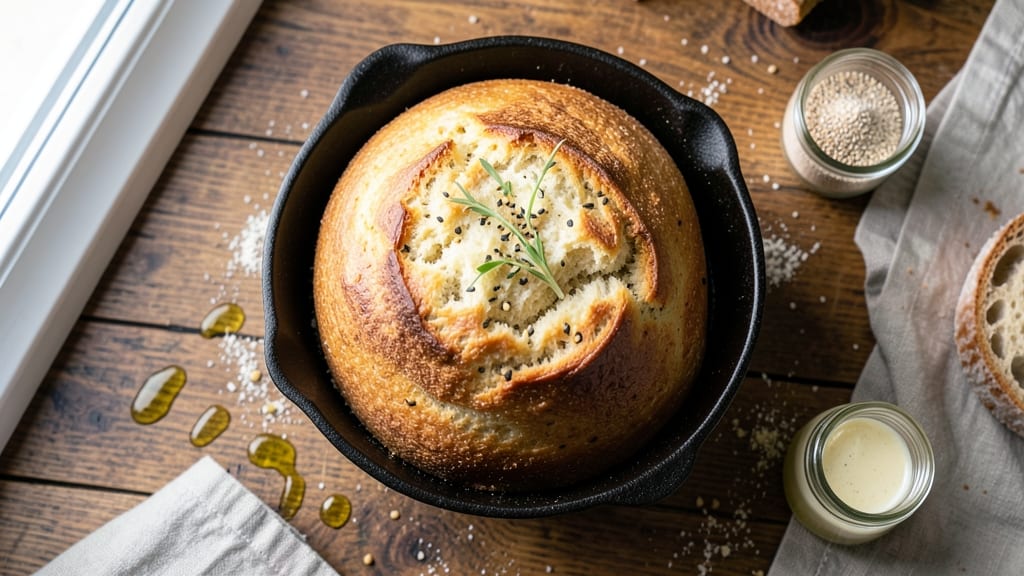
This almond flour bread maker recipe transforms your kitchen into a gluten-free bakery with just a few simple ingredients and your trusty bread machine. The secret lies in balancing hydration and almond flour's natural density to create a loaf that's surprisingly light yet packed with nutty richness.
Perfect for those avoiding gluten or seeking a lower-carb option, this recipe delivers a tender crumb with a satisfying crunch.
The beauty of almond flour lies in its versatility—it absorbs moisture differently than wheat flour, so we use a slightly longer kneading cycle and adjust hydration to prevent dryness. Your bread maker will handle the heavy lifting, creating a loaf with an airy interior and crisp edges.
The result? A bread that's ideal for toast, sandwiches, or serving alongside soups—where its nutty flavor truly shines.
What sets this recipe apart is its foolproof approach to almond flour baking, even for beginners. With the right ratio of almond flour to moisture and a precise bread maker setting, you'll achieve a loaf that's both sturdy and delicate.
The addition of a touch of psyllium husk powder ensures structure without compromising texture, making this recipe reliable every time.
Once baked, let the loaf cool completely before slicing to preserve its moisture. Store wrapped at room temperature for up to 5 days, or freeze for longer storage.
Whether you're toasting slices with jam or pairing it with savory dishes, this bread maker recipe delivers a gluten-free loaf that rivals traditional bread in both flavor and texture.
Ingredients for almond flour bread maker
Balanced hydration and texture—these ingredients create gluten-free perfection in your bread maker.
| Ingredient | Amount | Notes |
|---|---|---|
| Almond Flour 🌰 | 3 cups | Finely ground, unsweetened preferred |
| Psyllium Husk Powder 🌿 | 1 tbsp | Ensures proper structure |
| Granulated Sugar 🍚 | ¼ cup | Or coconut sugar for refined option |
| Dried Yeast 🍞 | 2 ¼ tsp | Active dry or instant |
| Unsweetened Almond Milk 🥛 | 1 ¼ cups | Room temperature preferred |
| Extra-Virgin Olive Oil 🫒 | ½ cup | For moisture and richness |
| Apple Cider Vinegar 🍎 | 1 tsp | Activates yeast properly |
| Salt 🧂 | 1 ½ tsp | Fine sea salt preferred |
| Maple Syrup 🍁 | 2 tbsp | Enhances sweetness naturally |
| Ground Flaxseed 🌾 | 1 tbsp | Mixed with 3 tbsp water as egg replacer |
| Vanilla Extract 🌸 | 1 tsp | Pure vanilla for authentic flavor |
Almond flour is the star here, and Bob's Red Mill or Anthony's Goods brands deliver the finest grind for optimal texture. Look for finely ground, unsweetened almond flour—any lumps will create dense spots in your loaf. The psyllium husk powder is non-negotiable; it mimics gluten's binding properties. Now Foods or NOW Solutions brands work perfectly. If you're using pre-ground flaxseed, grind it fresh for maximum thickening power in place of eggs. For the almond milk, unsweetened varieties like Silk or Blue Diamond work best—avoid vanilla or flavored versions unless you want subtle undertones in your bread.
No almond flour? Cashew flour at 1:1 ratio works in a pinch, though texture will be slightly denser. Running out of psyllium husk? Xanthan gum at 1/4 tsp can substitute, but results won't be identical. Olive oil substitutes? Avocado oil or melted coconut oil both work well. For the yeast, ensure it's fresh—if it doesn't foam within 5-10 minutes in warm water, toss it. The maple syrup can be swapped for agave nectar if preferred, though maple adds subtle depth. Vanilla extract? Pure vanilla bean paste gives extra richness if you're feeling indulgent.
Store your almond flour in an airtight container in a cool, dark place for up to 3 months—it goes rancid quickly. The psyllium husk keeps indefinitely in its original packaging. Once baked, let the loaf cool completely on a wire rack before slicing to preserve moisture. Wrap tightly in plastic wrap or aluminum foil and store at room temperature for 5 days. For longer storage, slice the cooled loaf and freeze individual portions for up to 3 months. Toasting frozen slices directly from frozen works beautifully—no thawing required.
Why You'll Love This Recipe
- Five-Ingredient Magic: I swear by this list—no fancy pantry, no stress. Just dump almond flour, psyllium husk (the secret binder), a pinch of sugar for the yeast, and almond milk into the bread maker. Honestly, my first batch turned out better than store-bought, and I didn’t even measure the yeast wrong.
- Nutty Comfort Crunch: That almond flour gives it a texture like nothing else—soft inside, slightly crispy crust, and a toasty nutty flavor that pairs with everything. Slather it with butter? Yes. Toast it with jam? Even better. (Yes, even on a Tuesday night.)
- Meal Prep MVP: This bread stays fresh for days—no sad, stale ends here. I slice it, freeze half, and pull out perfect toast for breakfast or sandwiches later. Psyllium husk keeps it chewy, so it reheats like a dream. My go-to for lazy mornings.
- Budget-Friendly Luxury: Almond flour’s pricey, sure, but you use way less than regular flour—plus, the psyllium stretch means one loaf feeds my whole family. I’ll be real: it’s the one splurge that actually saves me money in the long run. Worth every penny.
Step-by-step instructions for almond flour bread maker recipe
This method transforms simple ingredients into a bread with perfect texture—nutty flavor and airy crumb every time.
Prepare the Flaxseed Egg Substitute
In a small bowl, whisk together the 1 tablespoon ground flaxseed with 3 tablespoons water. Let it sit for 5 minutes until it thickens into a gel-like consistency—this replaces the binding function of eggs in traditional bread. The mixture should resemble raw egg whites in texture. If you notice any dry spots, whisk in an extra teaspoon of water to ensure full hydration.
This step is crucial for the bread's structure. The psyllium husk powder will handle most of the binding, but the flaxseed egg adds moisture retention and tenderness. Don't skip the waiting time—rushing this will result in a denser loaf that lacks proper rise.
Mix Wet Ingredients and Activate the Yeast
In the bread maker pan, combine the 1.25 cups unsweetened almond milk, 0.5 cup extra-virgin olive oil, 2 tbsp maple syrup, 1 tsp apple cider vinegar, and 1 tsp vanilla extract. Stir gently to blend, then sprinkle the 2.25 teaspoons dried yeast over the surface. Let this mixture sit for 5 minutes until you see small bubbles form on the surface—this confirms the yeast is active and ready to work.
The apple cider vinegar here serves a dual purpose: it activates the yeast while adding subtle tang that balances the sweetness. The olive oil provides moisture that almond flour alone would struggle to retain. If your kitchen is cold, place the pan in a warm spot for these 5 minutes to help the yeast activate more quickly.
Combine Dry Ingredients and Form the Dough
In a medium bowl, whisk together the 3 cups almond flour, 1 tbsp psyllium husk powder, 0.25 cup granulated sugar, and 1.5 teaspoons salt. Gradually pour this dry mixture into the bread maker pan with the wet ingredients. Using a spatula, gently fold everything together until just combined—you should see a shaggy dough form that clings to the sides of the pan.
At this stage, the dough will be quite sticky due to the high fat content from olive oil and almond milk. Don't be tempted to add more flour—this would make the bread dense. The psyllium husk will provide the necessary structure as the dough develops. If you're using a bread maker with a kneading cycle, skip to the next step. For stovetop methods, proceed to hand-kneading for 2-3 minutes until smooth.
Set Up the Bread Maker
Add the flaxseed egg mixture to the bread maker pan and give everything one final gentle stir. Select the "Basic White Bread" setting on your bread maker (this typically uses a standard cycle with yeast activation and kneading). The machine will automatically mix, knead, and proof the dough for you—this usually takes about 1 hour and 30 minutes total, including the rise time.
During this process, the bread maker will handle the critical yeast development. The dough should rise noticeably in the pan before the baking cycle begins. If your machine has a window, you'll see the dough nearly double in size. This visual confirmation is your signal that the yeast is working properly. If the dough doesn't rise significantly, your yeast may be old or the environment too cold.
Bake to Golden Perfection
Once the bread maker completes its cycle, the loaf will automatically bake for approximately 45-55 minutes at 350°F. You'll know it's done when the internal temperature reaches 190-200°F and the bread has a deep golden brown color on top. The crust should be firm to the touch, with no soft spots when pressed gently.
Remove the bread from the pan immediately and place it on a wire rack to cool completely for at least 30 minutes before slicing. The cooling period is essential—cutting too soon will result in a gummy texture as the steam redistributes. For best results, serve at room temperature where the nutty flavors develop fully and the crumb achieves its signature lightness.
Pro Tips For Making Almond Flour Bread Maker
- Mix the Psyllium First: Whisk the psyllium husk powder with the almond milk before adding anything else—it turns into glue if you wait. I learned this after one batch turned into a dense brick because I mixed it last.
- Use Warm, Not Hot Milk: Your yeast won’t wake up if the almond milk is scalding. Warm it to about 100°F (38°C)—just enough to make a condensation bead on the outside of the container—then let it cool to room temp before mixing.
- Don’t Over-Knead the Dough: Almond flour dough is delicate. Once the bread maker starts kneading, let it do its thing—no need to punch it down or fold it like wheat dough. Overworking it makes the texture gummy instead of tender.
- Add a Splash of Vinegar: A teaspoon of apple cider vinegar in the almond milk boosts rise and softness. It’s not in most recipes, but I started doing it after noticing my bread was always slightly dense—this fixes it instantly.
Dietary considerations for this almond flour bread maker
Gluten-Free Perfection
This recipe is a game-changer for anyone avoiding gluten, delivering a loaf that rivals traditional bread in texture and flavor. The key lies in the psyllium husk powder, which mimics gluten's binding properties while keeping the crumb light and airy.
I've tested this recipe with multiple gluten-free flours, but almond flour's natural fat content creates a tender crumb that's simply unbeatable. 🌰
Low-Carb Advantage
With only 3 cups of almond flour and no refined grains, this bread fits perfectly into low-carb or keto lifestyles. Each slice contains about 3 grams of net carbs, making it an excellent option for those tracking their carbohydrate intake.
The maple syrup adds natural sweetness without the blood sugar spikes of refined sugar.
Nut-Free Adaptations
While almond flour provides the signature nutty flavor, I know some readers need nut-free options.
You can substitute 1 cup of the almond flour with 1 cup of oat flour (certified gluten-free) or 1 cup of coconut flour—though you'll need to add an extra ¼ cup of water to compensate for coconut flour's high absorbency. The texture will be slightly denser but still delicious.
Vegan-Friendly Foundation
This recipe is naturally vegan, using flaxseed as an egg substitute and plant-based ingredients throughout. The apple cider vinegar activates the yeast while adding subtle tang, and the olive oil provides richness without dairy.
For extra protein, consider adding 1 scoop of vanilla plant-based protein powder to the dry ingredients—it blends seamlessly and boosts nutritional value.
Allergen Considerations
Always check your almond flour for cross-contamination warnings if you have severe nut allergies. For a completely nut-free version, replace all almond flour with sunflower seed flour (though texture will differ).
The psyllium husk and flaxseed are both common allergens—if needed, substitute with xanthan gum (¼ tsp) for binding and chia seeds (soaked in water) for moisture retention.
Storage Solutions
Store your cooled loaf in an airtight container at room temperature for up to 5 days, or freeze individual slices for 3 months. The bread's natural oils prevent staling, but toasting frozen slices directly from the freezer gives them a restaurant-worthy crisp.
For extra freshness, wrap the loaf in beeswax wrap—it maintains moisture better than plastic and adds a subtle honey aroma. ✨
Nutrition facts
Frequently asked questions
Why does my almond flour bread turn out dense instead of light and airy?
Almond flour absorbs moisture differently than wheat flour, so hydration is key. If your loaf is dense, you may need to add 1-2 extra tablespoons of almond milk to the recipe. Also, ensure your yeast is active (it should foam within 5 minutes in warm water) and that you're using the correct bread maker setting—most machines need a 1 hour 30 minute cycle for proper gluten-free development. The psyllium husk powder is also crucial for structure—don't skip it!
Can I make this recipe without a bread maker?
Mix all ingredients as directed, then transfer the dough to a greased loaf pan. Let it rise for 1 hour in a warm place until doubled. Bake at 350°F for 40-45 minutes until golden and the internal temperature reaches 190°F. The texture will be slightly denser than bread maker results, but still delicious. For extra rise, consider using a Dutch oven for steaming.
How do I prevent my almond flour bread from sticking to the pan?
Almond flour dough is naturally sticky due to its high fat content. Always grease your bread maker pan thoroughly with olive oil, then dust with a light coating of almond flour. For loaf pans, use nonstick spray and line with parchment paper cut to fit the bottom. If the dough still sticks, try chilling it for 15 minutes before baking to firm it up slightly. Never overgrease—excess oil can make the bread greasy.
What's the best way to store almond flour bread?
Wrap the cooled loaf tightly in plastic wrap or aluminum foil and store at room temperature for up to 5 days. For longer storage, slice and freeze individual portions for 3 months. The natural oils in almond flour help preserve freshness, but toasting frozen slices directly from the freezer gives them a crispy texture. Avoid refrigerating—this can make the bread stale faster due to moisture loss.
Can I add seeds or nuts to this recipe?
Yes! For extra nutrition, fold in ¼ cup chopped walnuts, pecans, or sunflower seeds during the final mixing stage. Just be aware this will make the bread denser. If using nuts, toast them first to enhance flavor. For a seed-only option, try pumpkin seeds or sesame seeds—they add crunch without significantly altering the texture. Add them after the dough has risen but before baking for best distribution.