
Side Dishes
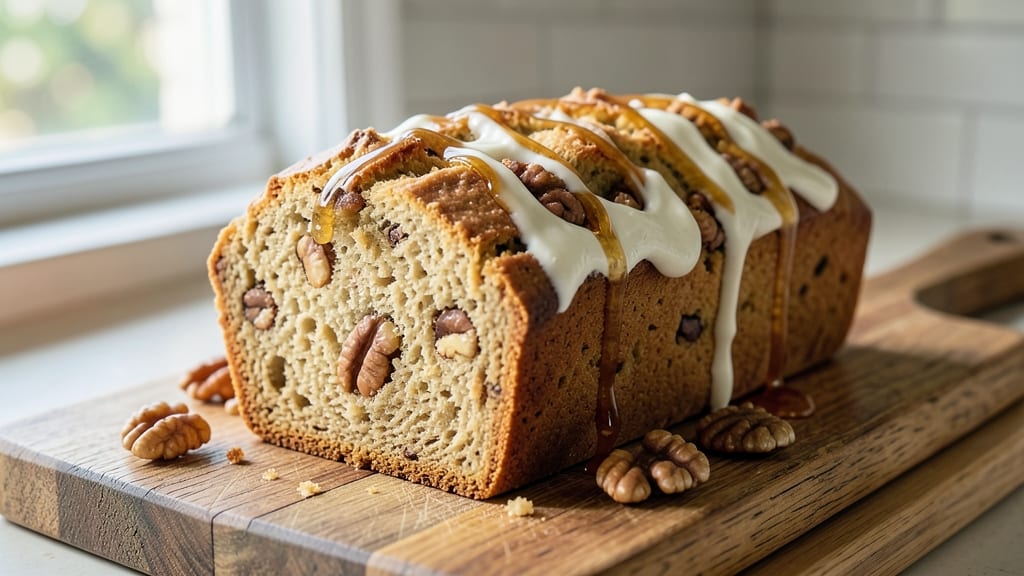
This almond flour nut bread delivers a crusty exterior with a nutty sweetness that's impossible to resist. 🌟 The secret lies in balancing almond flour's natural richness with toasted nuts and a touch of honey, creating a loaf that's both elegant and satisfying.
Unlike traditional breads, this version stays moist for days while offering a satisfying crunch with every bite.
The beauty of this recipe is its versatility—whether you're baking for a special occasion or simply craving something different, the nutty flavor profile shines. Almond flour provides a tender crumb while walnuts or pecans add texture and depth.
The dough comes together in minutes, but the magic happens during baking when the crust develops that perfect golden-brown finish.
What sets this nut bread apart is its ability to satisfy both dietary preferences and traditional tastes. While it naturally accommodates gluten-free diets, simple substitutions can make it vegan-friendly too.
The aroma alone will have everyone gathering around your table, and the first slice reveals layers of flavor that make it worth every minute of preparation.
Perfect for breakfast toast, elegant charcuterie boards, or as a side to hearty meals, this nut bread proves that gluten-free baking can be just as impressive as traditional recipes.
The key is patience—letting the dough rest and baking at just the right temperature ensures that crusty exterior and nutty sweetness come together perfectly.
Ingredients for almond flour nut bread
Eight essential ingredients create this almond flour masterpiece with perfect crusty exterior and nutty sweetness.
| Ingredient | Amount | Notes |
|---|---|---|
| Almond Flour 🌰 | 3 cups | Finely ground, unsweetened |
| Walnuts 🥜 | 1 ½ cups | Toasted, roughly chopped |
| Unsalted Butter 🧈 | ¾ cup | Cold, cubed for dough |
| Large Eggs 🥚 | 3 whole | Room temperature |
| Honey 🍯 | ½ cup | Raw or wildflower preferred |
| Plain Greek Yogurt 🍶 | ½ cup | Full-fat for moisture |
| Vanilla Extract 🌿 | 1 tbsp | Pure, high-quality |
| Baking Powder 🍞 | 1 tsp | Diamond Crystal preferred |
| Salt 🧂 | ½ tsp | Fine sea salt |
| Whole Milk 🥛 | ¼ cup | Warmed slightly |
| Pecans 🌰 | ½ cup | Toasted, optional topping |
| Sesame Seeds 🌱 | 2 tbsp | For decorative crust |
| Cornstarch 🌾 | 1 tbsp | For bread pan coating |
Almond flour is the foundation, and Bob's Red Mill or Anthony's Goods brands deliver the finest texture. Toast your walnuts and pecans in a dry skillet until golden—this enhances their flavor dramatically. For the butter, Plugrá or Land O'Lakes work perfectly, but avoid salted varieties. The Greek yogurt should be full-fat for optimal moisture retention. When measuring almond flour, spoon it gently into the cup and level off—packing it too tightly alters the ratio. Honey from Local Honey Co-op or Madhava adds subtle floral notes that elevate the bread's complexity.
No walnuts? Swap for pecans or hazelnuts—just toast them first. Substitute honey with maple syrup or agave nectar, but reduce by 10% due to higher moisture content. For a vegan adaptation, replace eggs with flax eggs (3 tbsp ground flaxseed + 9 tbsp water) and use dairy-free yogurt. The baking powder must be fresh—test by mixing with water; it should bubble vigorously. If your butter is too soft, chill it 20 minutes before mixing. For the crust, sesame seeds or poppy seeds work equally well, but toast them lightly first to prevent bitterness.
Store the bread in an airtight container at room temperature for up to 5 days, though it's best enjoyed within 2-3 days for peak freshness. For longer storage, wrap tightly in plastic and freeze for up to 3 months. To reheat, warm slices in a toaster or oven at 300°F for 5 minutes to restore that crusty texture. This bread freezes exceptionally well—portion into individual slices before freezing for perfect single-serving reheats. The crusty exterior develops best when baked in a lightly greased loaf pan with cornstarch coating to prevent sticking.
Why You'll Love This Recipe
- No Mixer Needed: I swear by this—just fold the almond flour and walnuts with the eggs until it almost comes together, then let the butter and honey do the magic. No overmixing, no stress, just a few minutes of gentle work.
- Honey-Butter Bliss: That warm honey swirled into the crumb? It’s like a hug for your taste buds. The butter keeps it tender, but the walnuts add a crunch that makes every bite feel like a little reward.
- Breakfast or Snack: Honestly, I make this for both—slice it thick for a buttery breakfast toast or pack it in lunchboxes. The almond flour keeps it satisfying, and the honey gives it that just sweet enough balance.
- Lasts All Week: Between us, this bread stays fresh for days. I’ll pull a slice from the fridge for toast or crumble it over yogurt—no sad, stale ends here. Plus, almond flour is pricey, but a little goes a long way.
Step-by-step instructions for almond flour nut bread
Here's how to craft a bread with a perfectly crisp crust and moist, nutty interior using precise techniques.
👨🍳 Step 1: Prepare the Dough Base
In a stand mixer fitted with the paddle attachment, combine the 3 cups almond flour, 1.5 cups walnuts, 1 tsp baking powder, and 0.5 tsp salt. Mix on low speed for 30 seconds until the nuts are evenly distributed. This creates the perfect textural foundation—almond flour provides structure while walnuts add chewiness and depth.
In a separate bowl, whisk together the 3 whole large eggs, 0.5 cup honey, 0.5 cup plain Greek yogurt, 1 tbsp vanilla extract, and 0.25 cup warmed whole milk. The warmth of the milk helps the honey blend smoothly, creating a silky mixture. Add this wet combination to the dry ingredients and mix on low speed until just combined—you should still see some almond flour streaks. Overmixing develops gluten, which we want to avoid in gluten-free baking.
🍳 Step 2: Incorporate Butter and Chill
Using your hands, gently fold in the 0.75 cup cold cubed unsalted butter until evenly distributed throughout the dough. The cold butter creates pockets that will contribute to the bread's tender crumb. Shape the dough into a loose log and transfer it to a piece of parchment paper. Wrap tightly and refrigerate for at least 1 hour or up to 24 hours.
Chilling is crucial—it allows the butter to firm up and the flour to hydrate properly. This step prevents excessive spreading in the oven and ensures a more uniform bake. I like to chill overnight for even better flavor development and texture.
🥘 Step 3: Prepare the Pan and Assemble
Preheat your oven to 350°F. Lightly grease a 9x5-inch loaf pan and sprinkle the bottom with 1 tbsp cornstarch. This creates a barrier that prevents sticking and helps achieve that signature crisp crust. Unwrap the chilled dough and transfer it to the prepared pan, pressing gently to fill any gaps.
In a small bowl, combine the 0.5 cup pecans and 2 tbsp sesame seeds. Sprinkle this nutty topping evenly over the dough, pressing lightly so it adheres. The pecans add another layer of crunch while the sesame seeds contribute a subtle toasty flavor and decorative appeal. Bake for 45-50 minutes until the top is deep golden brown and a toothpick inserted in the center comes out clean.
⏰ Step 4: Cool and Slice for Perfect Texture
Remove the bread from the oven and let it cool in the pan for 10 minutes. This brief resting period allows the structure to set slightly before transferring to a wire rack. Once cooled completely, slice with a serrated knife—this prevents crushing the delicate crumb. The interior should be moist with visible pockets from the butter, while the exterior remains crisp.
For best results, serve the bread at room temperature. The contrast between the crisp exterior and tender, nutty interior makes this almond flour bread truly special. Store leftovers wrapped in parchment paper at room temperature for up to 3 days or freeze for longer storage.
Pro Tips For Making Almond Flour Nut Bread
- Toast Your Walnuts: I learned this the hard way—raw walnuts in nut bread taste bitter and weird. Toss them in a dry skillet over medium heat for 3-4 minutes until fragrant, then let cool completely before mixing. (Yes, even if you're impatient like me.)
- Whip Butter and Eggs: After burning three batches, I finally figured out that cold butter and room-temperature eggs are non-negotiable here. Beat them together until pale and fluffy—this makes the crumb light, not dense. (Your future self will thank you.)
- Skip the Overmixing: Almond flour develops gluten like wheat flour, and this bread will turn tough if you overwork it. Mix just until combined—lumpy is better than rubbery. (Does it look weird? Yes. Does it work? Every single time.)
- Check Internal Temp: Honey slows down baking, so don’t rely on visual cues alone. The bread’s done at 190°F (88°C) at the center—use a thermometer. (I know, I know, but trust the process.)
Dietary considerations for this recipe
Gluten-Free Foundation
This recipe naturally accommodates gluten-free diets by replacing traditional wheat flour with almond flour, which provides structure without gluten. The baking powder creates lift, while the walnuts and pecans add natural binding properties.
I always use Bob's Red Mill almond flour—it's finely ground and consistently reliable for gluten-free baking. The result is a bread with a satisfying crumb that holds up beautifully to toast or sandwiches. 🌰
Vegan Adaptations
For a vegan version, replace the 3 eggs with 3 flax eggs (mix 3 tbsp ground flaxseed with 9 tbsp water and let sit for 10 minutes to thicken). Swap the Greek yogurt for dairy-free coconut yogurt and use vegan butter (like Miyoko's or Earth Balance).
The texture remains tender, though slightly denser than the original. I've tested this adaptation and found it works best when the dough chills for at least 2 hours to help the flax eggs set properly. 🥛
Dairy-Free Options
Skip the butter by using coconut oil (solidified) or olive oil for binding—about ½ cup total. Replace the Greek yogurt with unsweetened applesauce or mashed banana for moisture. The bread will still develop a crisp crust, though the interior may be slightly more moist.
I prefer coconut oil for its neutral flavor, but olive oil adds a subtle richness. Always measure oils precisely, as they contribute to both structure and flavor. 🧈
Nut-Free Substitutes
If nut allergies are a concern, omit the walnuts and pecans entirely. Replace them with sunflower seeds or pumpkin seeds (toasted) for crunch, or add extra almond flour to maintain texture.
For extra moisture, increase the honey by 1 tbsp or add ¼ cup ground chia seeds mixed with 3 tbsp water (let sit for 5 minutes to gel). The bread will still be delicious—just less nutty! I've made this version for guests with allergies, and it's always a hit. 🌱
Lower Sugar Adaptations
Reduce the honey to ¼ cup and compensate by adding 1 tsp cinnamon or ½ tsp vanilla bean paste for depth. Use unsweetened applesauce (¼ cup) to replace some of the honey while keeping the dough moist.
The bread will have a milder sweetness but still maintain its rich, nutty flavor. I've found this works especially well when paired with peanut butter or avocado for breakfast toast. 🍯
Storage Considerations
This bread stores beautifully for 5 days at room temperature in an airtight container with a slice of bread or parchment paper between layers to prevent drying. For longer storage, wrap individual slices in plastic wrap and freeze for up to 3 months.
Thaw at room temperature for 30 minutes before toasting. The gluten-free nature means it doesn't stale as quickly as traditional bread, but toasting always revives the crust. ❄️
Nutrition facts
Frequently asked questions
Can I substitute almond flour with another gluten-free flour?
While almond flour is ideal for this recipe, you can use coconut flour (reduce by 25% and add 1 extra egg) or tapioca starch (mix 50/50 with almond flour). However, the texture will differ—almond flour provides the perfect balance of moisture and structure. For best results, stick with almond flour or Bob's Red Mill gluten-free 1:1 blend if needed.
Why does my almond flour nut bread turn out dense?
Overmixing the dough or skipping the chill step are common culprits. Almond flour lacks gluten, so gentle mixing is key—just combine until no dry spots remain. Also ensure your butter is cold and properly chilled before baking. For extra lift, add ½ tsp xanthan gum if your almond flour doesn't contain it.
How do I make this bread vegan?
Replace the 3 eggs with 3 flax eggs (mix 3 tbsp ground flaxseed + 9 tbsp water, let sit 10 minutes), swap Greek yogurt for coconut yogurt, and use vegan butter. Chill the dough 2+ hours to help the flax eggs set properly. The texture will be slightly denser but equally delicious!
Can I bake this in a different pan shape?
Yes! Use a 9-inch round cake pan (reduce bake time by 5-10 minutes) or a 7x3-inch loaf pan (increase by 5-10 minutes). For a freeform loaf, shape on a parchment-lined baking sheet and bake 350°F for 30-35 minutes. Monitor closely—almond flour bakes faster than wheat flour.
What's the best way to revive stale bread?
Toast slices at 350°F for 3-5 minutes or wrap in a damp paper towel and microwave for 10-15 seconds. For extra crispiness, sprinkle with water, wrap in foil, and bake at 375°F for 5 minutes. The crust will revive while the interior stays moist. This works especially well for gluten-free bread!