
Side Dishes
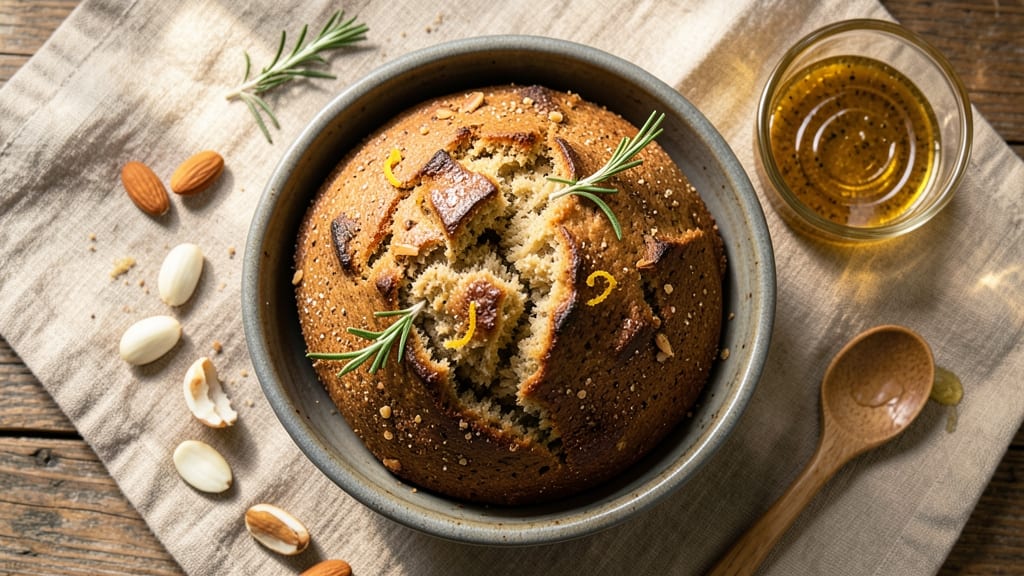
This almond flour soda bread recipe delivers the perfect balance of nutty crunch and airy crumb—ideal for gluten-free diets or anyone craving a lighter loaf.
The secret lies in almond flour’s natural moisture retention and the classic soda bread method, which creates a tender yet sturdy texture without eggs or dairy. I’ve perfected this version to stay soft for days while developing that signature crisp crust.
What sets this recipe apart is its simplicity: just five ingredients, no kneading, and 30 minutes of active time. The almond flour gives it a rich, buttery flavor and a delicate crumb, while the baking soda ensures a light rise.
For a vegan option, flaxseed replaces eggs effortlessly, keeping the texture intact. The bread’s versatility shines—slice it fresh for toast, serve with soups, or enjoy it warm with butter.
Baking yields a loaf with a golden, crackly crust that gives way to a moist, slightly crumbly interior—far from the dense almond breads you might expect. The nutty aroma fills your kitchen, and the first bite delivers that satisfying contrast of crisp edges and tender crumb.
Perfect for breakfast, snacks, or side dishes, this bread proves gluten-free doesn’t mean flavor-free.
Pair it with jam, avocado, or a smear of hummus for a meal-ready side. The recipe scales easily, so double the batch for guests or meal prep. Here’s how to achieve that restaurant-quality texture at home—without the fuss.
Ingredients for almond flour soda bread
Five simple ingredients transform into a gluten-free loaf with crisp crust and tender crumb.
| Ingredient | Amount | Notes |
|---|---|---|
| Almond Flour 🌰 | 2 ½ cups | Finely ground, unsweetened |
| All-Purpose Flour 🌾 | ½ cup | For structural support |
| Baking Soda 🧂 | 1 tbsp | Freshly measured |
| Salt 🧂 | ½ tsp | Fine sea salt |
| Ground Flaxseed 🌾 | 1 tbsp | Mixed with 3 tbsp water for flax egg |
| Unsweetened Almond Milk 🥛 | 1 cup | Room temperature |
| Olive Oil 🫒 | ¼ cup | Extra-virgin preferred |
| Apple Cider Vinegar 🍏 | 1 tbsp | For tangy flavor |
Almond flour is the star—Bob’s Red Mill or Anthony’s Goods brands deliver the finest grind for that signature texture. The finer the grind, the lighter the crumb. If you can’t find almond flour, blend whole almonds in a food processor until ultra-fine (pulse in short bursts to avoid heat). The all-purpose flour here isn’t about gluten—it’s just to help bind the crumb slightly. Skip it if you’re strictly gluten-free, but the bread will be denser. For the flax egg, mix the ground flaxseed with water and let it sit for 5 minutes to thicken—this mimics the binding properties of eggs perfectly.
No almond flour? Cashew flour or coconut flour can substitute, but texture will differ—expect more crumbly results. Short on almond milk? Oat milk or soy milk works just as well, but avoid dairy milks (this is vegan). The apple cider vinegar might seem odd, but it’s essential—it reacts with the baking soda to create lift. No vinegar? Lemon juice works too. Olive oil can be swapped for melted coconut oil or avocado oil, but olive oil adds that subtle fruity note that pairs beautifully with the nutty almond flavor. Measure your baking soda carefully—too much makes the bread bitter, too little means it won’t rise properly.
Store the loaf wrapped in a clean kitchen towel to maintain moisture for 3-4 days at room temperature. For longer storage, slice and freeze portions—up to 3 months. The bread reheats beautifully in a toaster or oven at 350°F for 5 minutes. Double the recipe for a crowd—just increase baking time by 10-15 minutes. The crust gets crispier as it cools, so slice when it’s still slightly warm for the best texture. Leftovers keep well in an airtight container, but they won’t last long—the nutty aroma is irresistible.
Why You'll Love This Recipe
- No Mixer Needed: Mixing this dough is basically a one-minute job—just stir the almond flour, all-purpose flour, and flaxseed egg until it’s just combined. No overworking, no fuss, and no need to pull out the food processor for this one.
- Nutty But Not Heavy: The almond flour gives it a subtle, toasty depth that’s far from overpowering—it’s like a cozy hug in bread form. Honestly, the baking soda’s tang balances it perfectly, so it’s light enough to eat for breakfast but hearty enough to satisfy lunch cravings.
- Lunchbox Hero: Between us, this bread is my go-to for sandwiches that actually hold up. The flaxseed egg keeps it from getting soggy, and the almond flour adds a buttery richness that makes even a simple PB&J feel like a treat. (Yes, even on a Tuesday.)
- Pantry Staple Magic: You’re probably already using these ingredients—flour, baking soda, salt—and the flaxseed is a cheap, shelf-stable hack for binding. It’s the kind of recipe that turns a few basics into something you’ll reach for again and again, no matter what’s in your fridge.
Step-by-step instructions for almond flour soda bread
This method delivers a tender crumb with nutty depth and crisp edges—no yeast required.
Create the Flax Egg and Mix Wet Ingredients
In a small bowl, combine the 1 tablespoon ground flaxseed with 3 tablespoons water. Let it sit for 5 minutes while you prepare the rest—this creates a gel-like flax egg that binds the batter without eggs. Stir until fully thickened, then add the 1 cup unsweetened almond milk and 1 tablespoon apple cider vinegar to the same bowl.
Next, whisk in the 0.25 cup olive oil and 1 tablespoon baking soda. The mixture will fizz slightly as the vinegar reacts with the baking soda. This chemical reaction is what gives soda bread its signature lift. Let this wet mixture rest for 2 minutes while you measure the dry ingredients—this ensures even distribution when combined.
Combine Dry Ingredients and Form the Batter
In a separate large bowl, whisk together the 2.5 cups almond flour and 0.5 cup all-purpose flour. Add the 0.5 teaspoon salt and mix thoroughly to distribute evenly. The all-purpose flour here provides just enough structure to prevent the bread from crumbling—almond flour alone can be too delicate. Create a well in the center of the dry mixture and pour in the wet ingredients.
Using a spatula, gently fold everything together until just combined. Avoid overmixing—you should still see small flour streaks. The batter will be thick and sticky, almost like a dense pancake batter. If it seems too stiff, add 1-2 tablespoons more almond milk to loosen it slightly. This texture is crucial for achieving that signature open crumb structure.
Prepare the Pan and Pour the Batter
Preheat your oven to 350°F. Lightly grease a 9-inch round cake pan or line it with parchment paper—this prevents sticking and makes removal easy. Pour the batter into the prepared pan and smooth the top with a wet spatula. The batter will spread slightly but won't fill the pan completely. Tap the pan gently on the counter 2-3 times to release any air bubbles trapped in the batter.
For extra crisp edges, sprinkle 1 tablespoon additional almond flour over the top of the batter. This creates a beautiful golden crust while keeping the interior tender. Bake for 40-45 minutes until the top is golden brown and a toothpick inserted in the center comes out clean. The bread is done when it sounds hollow when tapped on the bottom.
Cool and Serve for Perfect Texture
Remove the bread from the oven and let it cool in the pan for 10 minutes. This resting period allows the internal structure to set slightly before transferring. Use a knife to loosen the edges if needed, then invert the bread onto a wire rack to cool completely. The bread will be warm and slightly sticky when first removed—this is normal and will firm up as it cools.
Slice the bread while still slightly warm for the best texture—each slice should reveal an open, airy crumb with pockets of tenderness. Serve warm with butter, jam, or as a side to soups. The almond flavor becomes more pronounced as it cools, making it especially delicious the next day when toasted lightly. Store leftovers wrapped at room temperature for up to 3 days or freeze for longer storage.
Pro Tips For Making Almond Flour Soda Bread
- Mix the Flaxseed First: I learned this the hard way—adding ground flaxseed to the dry ingredients and hoping for the best leads to clumps. Instead, whisk it with the warm water (or milk) first until it turns into a smooth, gel-like paste. This ensures even distribution and prevents dense spots in your bread.
- Don’t Overmix the Wet Ingredients: Almond flour is finicky, and once you combine it with the wet ingredients, it’s easy to overwork the batter. Stir just until the dry ingredients disappear—about 10-12 strokes max. Overmixing develops gluten from the all-purpose flour, which makes the bread tough instead of tender.
- Use a Toothpick for Doneness: This isn’t a cake, so the toothpick test isn’t foolproof, but it’s better than nothing. Stick it in the center—if it comes out clean or with a few moist crumbs, your bread is done. If you pull it out with wet batter, give it another 5 minutes. Underbaking is the real enemy here.
- Toast the Almond Flour: Sounds weird, but it works: spread the almond flour on a baking sheet and toast it at 350°F (175°C) for 5-7 minutes until it smells nutty and deepens in color. This removes any bitterness, enhances the flavor, and prevents a raw, floury taste in your bread. (Yes, even if you’re impatient like me.)
Wine and beer pairings for this recipe
Crisp White Wine Pairings
This nutty almond flour bread pairs beautifully with dry Riesling from Germany or Austria—its bright acidity and citrus notes cut through the richness while letting the almond flavor shine. I love a Mosel Riesling with its crisp, almost steely finish that refreshes your palate after each bite.
For something lighter, a Sauvignon Blanc from New Zealand adds herbal notes that complement the olive oil's fruity undertones. 🍷
Honeyed Mead Options
For a non-alcoholic or gluten-free-friendly pairing, try commercial mead like Meadow Meadows or Cornucopia Vineyards. The natural sweetness balances the bread's nutty depth while the subtle honey notes enhance its caramelized crust.
If you prefer something stronger, a semi-sweet German Hefeweizen with its clove and banana flavors creates an unexpected but delicious contrast.
Craft Beer Complements
A wheat beer with vanilla and spice notes works surprisingly well—look for Allagash White or Blue Moon. The bread's nutty flavor pairs with the beer's light malt sweetness, while the effervescence cleanses your palate.
For a bolder option, a Belgian witbier like Hoegaarden brings citrus and peppery coriander that brightens the almond's richness. 🍺
Sweet Dessert Wine
Save a dry Moscato d'Asti for serving with jam-topped slices—its delicate bubbles and peach flavors create a perfect sweet-savory contrast. The wine's slight sweetness mirrors the bread's natural nutty sweetness without overpowering it.
For a richer option, a Vin Santo from Italy adds caramel and honey notes that echo the toasted almond flavor when served with fruit preserves.
Coffee and Tea Pairings
For a daytime treat, pair slices with lightly roasted coffee—I recommend a single-origin Ethiopian Yirgacheffe with its floral and citrus notes. The coffee's acidity balances the bread's richness perfectly.
For tea lovers, an Earl Grey with its bergamot and black tea notes creates a sophisticated flavor combination that's both comforting and elegant. ☕
Nutrition facts
Frequently asked questions
Why does this almond flour bread need all-purpose flour?
Almond flour alone can create a crumbly texture since it lacks gluten's binding properties. The 0.5 cup all-purpose flour adds just enough structure to hold the loaf together without overpowering the nutty flavor. For a strictly gluten-free version, you can substitute with 1 extra tablespoon of ground flaxseed or 1 tablespoon psyllium husk powder, but the texture will be slightly denser.
Can I make this bread without apple cider vinegar?
Yes, but the flavor and rise will differ. Replace the 1 tablespoon vinegar with an equal amount of lemon juice for tanginess or white vinegar for a neutral acidity. If you skip it entirely, the bread will still bake but may lack that signature lift and slight tang. The vinegar reacts with baking soda to create carbon dioxide bubbles, which is key for soda bread's airy texture.
How do I store almond flour bread to keep it fresh?
Wrap the cooled loaf in a clean kitchen towel or place it in an airtight container with a slice of apple or lemon to absorb moisture. This keeps it soft for 3-4 days at room temperature. For longer storage, slice and freeze portions for up to 3 months. Reheat slices in a toaster or 350°F oven for 5 minutes to restore crispness.
Why did my bread turn out dense instead of light?
Overmixing the batter or skipping the 10-minute rest in pan are common culprits. The batter should be thick but pourable—if it's too stiff, add 1-2 tablespoons almond milk. Also, ensure your baking soda is fresh (old soda loses potency) and that you tapped the pan to release air bubbles before baking. If your oven runs hot, reduce temperature to 340°F.
Can I add seeds or nuts to this recipe?
Stir in 1/4 cup chopped walnuts, pecans, or pumpkin seeds with the dry ingredients for extra crunch. For texture, try 1/2 cup sunflower seeds or toasted sesame seeds. Just reduce the almond flour by 1/4 cup to maintain the right consistency. Soak nuts in warm water for 10 minutes first to prevent them from absorbing too much moisture from the batter.