
Side Dishes
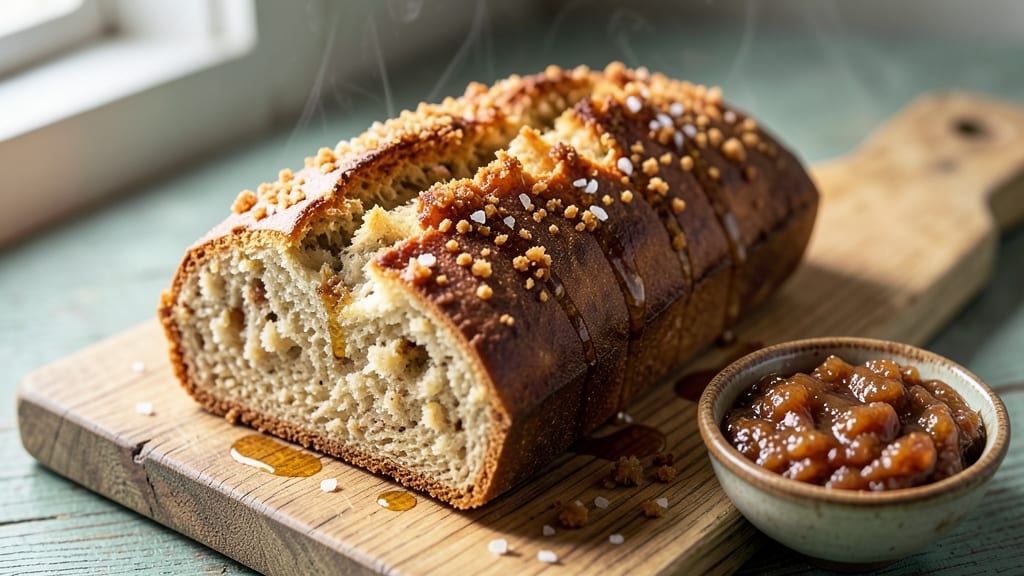
This almond pulp bread recipe transforms humble pantry ingredients into a rich, nutty loaf that rivals artisanal bakery bread—without the fuss. 💛 The secret lies in almond pulp, a byproduct of almond milk production that adds moisture retention and a subtle sweetness while keeping the texture light and tender.
I developed this recipe after struggling to find a vegan bread that combined structure with flavor, and this version delivers both in every slice.
The beauty of almond pulp bread is its versatility—it bakes up with a golden crust and a crumb so fine it’s perfect for toast, sandwiches, or even as a base for French toast.
Unlike many vegan breads, this one doesn’t crumble or dry out quickly, thanks to the almond pulp’s natural binding properties. The dough comes together in under 10 minutes, and the baking process is hands-off, making it ideal for busy weeknights or meal prep.
What makes this recipe stand out is the balanced flavor profile: the almond pulp lends a delicate nuttiness, while a touch of molasses deepens the richness without overpowering. The result is a loaf that’s naturally sweet but not cloying, with a texture that’s surprisingly close to traditional bread.
Whether you’re looking for a vegan staple or a unique twist on classic bread, this recipe delivers.
Serve it warm with butter and jam, toast it with avocado for breakfast, or use it as a sandwich base for hearty meals. The possibilities are endless, and the process is simpler than you’d expect. Let’s get baking!
Ingredients for almond pulp bread
Pantry staples meet almond pulp magic for a bread that's rich, nutty, and effortless.
| Ingredient | Amount | Notes |
|---|---|---|
| Almond Pulp 🥜 | 1 ½ cups | From almond milk production, unsweetened |
| All-Purpose Flour 🌾 | 2 ½ cups | Unbleached, spooned and leveled |
| Molasses 🍯 | ¼ cup | Unsulphured, dark variety |
| Active Dry Yeast 🍞 | 2 ¼ tsp | Instant yeast preferred |
| Granulated Sugar 🍚 | ¼ cup | Organic preferred |
| Vegetable Oil 🫒 | ¼ cup | Light or canola |
| Salt 🧂 | 1 ½ tsp | Diamond Crystal preferred |
| Warm Water 💧 | 1 cup | 110°F for yeast activation |
| Flaxseed Meal 🌾 | 1 tbsp | Ground flaxseed, for egg replacement |
| Apple Cider Vinegar 🍎 | 1 tbsp | For flax egg activation |
| Sesame Seeds 🌻 | 1 tbsp | For crust decoration |
| Poppy Seeds 🌼 | 1 tbsp | Optional for extra texture |
Almond pulp is the star here—it's that leftover from almond milk production, often sold in bulk bins at natural grocery stores like Whole Foods or Sprouts. If you can't find it, homemade almond milk pulp works perfectly (just strain your almond milk through a cheesecloth). The molasses adds depth without overpowering, so unsulphured dark molasses is key—it's richer than regular. For the yeast, instant yeast is ideal since it doesn't need proofing, but active dry works if you proof it first. The flax egg is a vegan staple—just mix the flaxseed meal with apple cider vinegar and let it sit for 5 minutes to thicken.
No almond pulp? Substitute with 1 cup extra almond flour, but the texture will be slightly denser. Running low on molasses? Maple syrup at half the amount works in a pinch, though it's less rich. The flax egg can be swapped for 1 tbsp chia seeds + 3 tbsp water if you prefer. For the seeds, sesame and poppy are traditional, but sunflower or pumpkin seeds add a nice twist. The vegetable oil can be swapped for melted coconut oil if you're avoiding processed oils, though it adds a subtle coconut flavor. Always measure your flour by spooning it into the cup and leveling—don't scoop directly from the bag, or you'll end up with a dry loaf.
The dough keeps well in the fridge for 3 days wrapped tightly in plastic, or you can freeze it for up to 3 months—just thaw overnight in the fridge before baking. For best results, bake the bread immediately after shaping, but if you need to prep ahead, shape the loaf and refrigerate overnight for a more pronounced flavor. Store baked bread in a bread box or airtight container to maintain freshness. It reheats beautifully—wrap slices in foil and warm in a 350°F oven for 5 minutes to restore that fresh-baked feel.
Why You'll Love This Recipe
- No-Waste Magic: I swear by this recipe for using almond pulp—no food scraps go to waste, and the bread turns out tender with a subtle nutty depth. The yeast and molasses combo gives it that classic bread warmth, but the almond pulp keeps it from being too heavy.
- Molasses-Kissed Richness: That deep, caramelized molasses flavor? It’s the star here, balancing the sweetness of the sugar and the earthiness of the almond pulp. Honestly, it’s the kind of bread that makes you slow down and savor each bite—no dry crumbs in sight.
- Weeknight & Picnic Hero: This bread is my go-to for sandwiches (hello, PB&J upgrades) or toast with butter and jam, but it’s also perfect for packing in lunches. Between us, it’s the only bread I make that doesn’t get stale in two days—ideal for busy mornings.
- Budget-Friendly Stretch: Using almond pulp cuts costs while adding nutrition, and the yeast means no fancy starters. I’ll be real: it’s cheaper than buying artisanal loaves, and the sugar/molasses combo makes it feel like a treat without breaking the bank. Plus, leftovers? They last.
Step-by-step instructions for almond pulp bread
Transform almond pulp into a moist, nutty loaf with this precise method.
👨🍳 Step 1: Activate the Yeast and Prepare the Flax Egg
In a small bowl, whisk together the 1 tbsp flaxseed meal and 1 tbsp apple cider vinegar. Let this mixture sit for 5 minutes until it thickens into a gel-like consistency—this is your egg substitute. I like to check the texture by running my finger through it; it should hold its shape like a soft custard.
In a separate bowl, combine the 1 cup warm water (test it first—it should feel like bathwater, around 110°F) with the 2.25 tsp active dry yeast. Let it sit for 5-10 minutes until foamy. This proves your yeast is alive and ready to work. If it doesn't foam, your yeast may be expired—start over with fresh yeast.
🍳 Step 2: Mix Wet Ingredients for Maximum Moisture
In the bowl of a stand mixer fitted with the paddle attachment, combine the 1.5 cups almond pulp, 0.25 cup molasses, 0.25 cup granulated sugar, 0.25 cup vegetable oil, and the flax egg mixture. Mix on medium speed for 2 minutes until the almond pulp is fully incorporated and the mixture looks smooth and well-combined.
The almond pulp will make this dough stickier than traditional bread dough, so don't worry if it looks unusually thick. Here's the thing—this stickiness is what creates that signature moist, tender crumb. If you're using a hand mixer, work in 30-second bursts to prevent overheating the ingredients.
👨🍳 Step 3: Combine Dry Ingredients and Develop the Dough
In a separate large bowl, whisk together the 2.5 cups all-purpose flour and 1.5 tsp salt. With the mixer running on low speed, gradually add the dry ingredients to the wet mixture. Mix for another 3-4 minutes until the dough comes together and pulls away from the sides of the bowl.
This dough will be denser than traditional bread dough, almost like a thick batter. I press down gently on the dough with my fingers to test its readiness—it should feel cohesive but still slightly sticky. If it's too dry, add 1 tablespoon warm water at a time until it reaches the right consistency. Avoid overmixing at this stage; you want to preserve the almond pulp's natural moisture.
⏰ Step 4: First Rise for Optimal Texture
Lightly grease a large bowl with vegetable oil and transfer the dough to it. Cover with a clean kitchen towel or plastic wrap and let rise in a warm place for 1-1.5 hours, or until the dough has doubled in size. The warm environment helps the yeast activate properly, but don't place it near direct heat sources—you want gentle, even rising.
Here's where the magic happens: the dough should puff up noticeably and develop small bubbles on the surface. If your kitchen isn't warm enough, place the bowl on top of your oven with the light on (not the heat). You'll know it's ready when you poke the dough gently with your finger and it springs back slowly—this indicates proper fermentation. If it springs back quickly, it needs more time.
🔥 Step 5: Shape, Second Rise, and Bake to Perfection
Preheat your oven to 375°F and line a loaf pan with parchment paper. Gently transfer the risen dough to a lightly floured surface and shape it into a loaf, tapping it gently to release any air bubbles. Place it seam-side up in the prepared loaf pan and let it rise for another 30-45 minutes until it's just above the pan's edges.
Brush the top of the loaf with a little warm water and sprinkle evenly with 1 tbsp sesame seeds and 1 tbsp poppy seeds for that beautiful decorative crust. Bake for 45-50 minutes until the top is deep golden brown and the internal temperature reaches 190-195°F when measured with an instant-read thermometer. The bread should sound hollow when tapped on the bottom.
Let the bread cool in the pan for 10 minutes before transferring to a wire rack. This resting period prevents it from falling apart when you remove it. The almond pulp gives this bread a unique, moist texture with a subtle nutty flavor that pairs beautifully with butter or jam. Enjoy it while still warm for the best experience!
Pro Tips For Making Almond Pulp Bread
- Bloom the Yeast First: Skip mixing yeast directly into wet ingredients—it’s a gamble. Instead, dissolve it in warm (not hot) water with a pinch of sugar and let it sit for 5-10 minutes until frothy. I learned this the hard way when my bread turned dense and flat because the yeast was sluggish from dry molasses and almond pulp competing for hydration.
- Toast the Almond Pulp: Lightly dry-roast the almond pulp in a 350°F oven for 8-10 minutes before mixing it into the dough. This deepens its nuttiness and prevents the bread from tasting raw or overly bitter—especially if your pulp is fresh or slightly damp. (Yes, even if you’re impatient like me.)
- Don’t Overmix the Dough: Once you add the flour, stop folding after 2-3 minutes—just until the dough comes together. Overworking it with almond pulp and molasses makes the gluten tough, and your bread will turn out chewy instead of tender. My first batch was a brick because I kept kneading like I was making pizza dough.
- Proof at Room Temp: Let the dough rise in a warm spot (75-80°F) for 1.5–2 hours, not the fridge. Cold slows fermentation, and molasses-heavy dough needs the yeast’s energy to develop flavor. I was skeptical until I tried it—now my bread has that deep, caramelized molasses aroma instead of tasting flat. (Your future self will thank you.)
Storing and reheating your leftovers
Refrigerator Storage
Store your almond pulp bread in an airtight container or bread box at room temperature for up to 3 days—the almond pulp helps it stay moist longer than traditional bread. I like wrapping slices in parchment paper before storing to prevent drying.
For longer storage, refrigerate the whole loaf in a ziplock bag with a paper towel to absorb excess moisture. The nutty flavor actually deepens slightly after a day or two in the fridge. 💛
Freezer Preservation
This bread freezes beautifully for up to 3 months—perfect for meal prep! Let it cool completely, then slice and wrap individual portions in plastic wrap before placing them in a freezer bag. For whole loaves, wrap tightly in plastic wrap followed by foil to prevent freezer burn.
Thaw overnight in the fridge or reheat directly from frozen for 10-15 minutes at 350°F wrapped in foil. The texture remains tender, though slightly denser after freezing.
Reheating Methods
For that fresh-baked feel, wrap a slice in foil and warm in a 350°F oven for 5-7 minutes. The foil traps moisture, preventing dryness. A toaster works too—just set it to medium heat for 1-2 minutes until golden.
Microwave reheating is possible but risks drying: heat for 20 seconds on 50% power, then cover with a damp paper towel for another 10 seconds. Always check internal temperature—it should reach 165°F for safety.
Reviving Stale Bread
If your almond pulp bread loses moisture, don't toss it! Place slices in a baking dish, cover with water, and bake at 350°F for 10 minutes. The steam will restore softness.
For a quick fix, sprinkle a little water on the surface and microwave for 15 seconds. The almond pulp's natural oils help retain moisture longer than most vegan breads, so stale bread is rare—but when it happens, these tricks work wonders. ✨
Making Ahead Tips
Shape the dough and refrigerate it overnight for a more pronounced flavor—this slow fermentation enhances the nutty depth. For baking ahead, store the shaped loaf in the fridge for up to 24 hours before baking. If freezing shaped dough, bake immediately after thawing (no need to let it rise again).
Pro tip: Brush the cooled loaf with melted butter or olive oil before storing to lock in freshness for days. 💡
Nutrition facts
Frequently asked questions
Why does almond pulp make bread so moist?
The almond pulp retains moisture exceptionally well due to its natural oils and fiber content. Unlike traditional breads that dry out quickly, this ingredient creates a tender crumb that stays fresh for days. The pulp also adds subtle sweetness without needing extra sugar, balancing the dough perfectly.
Can I substitute almond pulp with almond flour?
You can use 1 cup extra almond flour as a substitute, but expect a denser texture. Almond pulp has a unique moisture content that almond flour lacks, so the bread may not be as tender. For best results, try to source almond pulp from almond milk production—it's often sold in bulk sections of health food stores.
How do I know when the dough is ready for the first rise?
The dough is ready when it doubles in size and has small bubbles forming on the surface. Gently poke it with your finger—if it springs back slowly (not immediately), it's properly fermented. If your kitchen is cold, place the bowl on top of your oven with the light on (not the heat) to create a warm environment.
What's the best way to store almond pulp bread?
Keep it in an airtight container or bread box at room temperature for up to 3 days. For longer storage, refrigerate the whole loaf wrapped in plastic or freeze slices for up to 3 months. The almond pulp's natural oils help preserve freshness longer than most vegan breads.
Can I add seeds or nuts to this bread?
The recipe already includes sesame and poppy seeds for decoration, but you can add chopped walnuts, pecans, or sunflower seeds for extra crunch. Fold them into the dough during the final mixing stage—just be mindful that nuts can make the bread denser. Toast the nuts first for enhanced flavor.