
Side Dishes
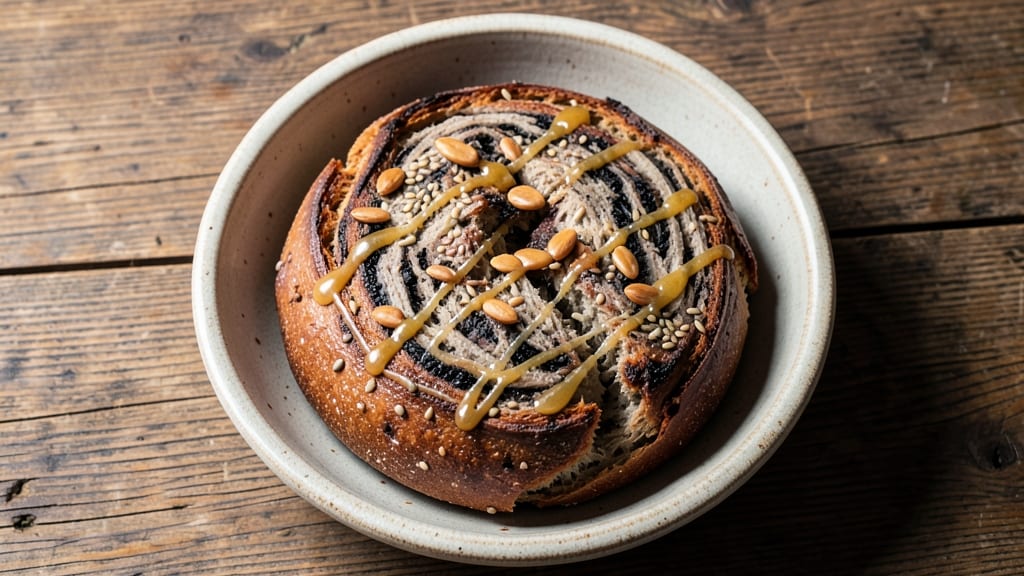
This Alpine grain bread recipe delivers the rustic, nutty crust and earthy crunch of mountain bakery loaves—perfect for pairing with soups, cheeses, or charcuterie. The secret lies in stone-ground flour and a slow fermentation that develops deep, complex flavors.
I’ve refined this version to balance traditional Alpine techniques with modern convenience, ensuring a foolproof result every time.
What sets this bread apart is the combination of whole grains and a touch of sourdough starter, which creates a tangy, chewy texture with a crisp exterior. Unlike lighter sandwich breads, this loaf stays dense and satisfying, making it ideal for hearty meals.
The dough requires just 30 minutes of prep and a 2-hour rise, but the payoff is a loaf that tastes like a Swiss bakery.
By the time you pull it from the oven, you’ll have a golden-brown crust with visible grain flecks and a tender crumb that’s perfect for dipping or slicing thick. The aroma alone—warm, nutty, and slightly smoky—will have everyone asking for seconds.
Serve it fresh from the oven for the best experience, or toast slices for a crispy, crunchy treat.
This recipe works beautifully for beginners and experienced bakers alike, thanks to its simple yet structured approach. Whether you’re hosting a dinner or just craving a rustic loaf, this Alpine grain bread will elevate any meal. Let’s get started on creating your own bakery-style masterpiece.
Ingredients for alpine grain bread
Stone-ground flours, sourdough magic, and a touch of Alpine tradition—here’s what transforms your kitchen into a bakery.
| Ingredient | Amount | Notes |
|---|---|---|
| Stone-Ground Whole Wheat Flour 🌾 | 3 cups | High-protein for structure and flavor |
| Stone-Ground Rye Flour 🌾 | 1 cup | For deep, earthy complexity |
| All-Purpose Flour 🌾 | 1 cup | Balances texture and rise |
| Active Sourdough Starter 🍞 | ½ cup | Unfed, bubbly starter (100g) |
| Warm Water 💧 | 1 ½ cups | 100°F for optimal hydration |
| Honey 🍯 | 1 tbsp | Feeds starter and adds sweetness |
| Sea Salt 🧂 | 1 ½ tsp | Diamond Crystal preferred |
| Olive Oil 🫒 | 1 tbsp | Extra-virgin for richness |
| Whole Flaxseeds 🌰 | 2 tbsp | For nutty crunch and fiber |
| Toasted Wheat Berries 🌾 | ¼ cup | Lightly toasted for extra crunch |
| Sesame Seeds 🌿 | 1 tbsp | For decorative crust |
| Cornmeal 🌽 | 2 tbsp | For dusting and texture |
The flours are where the Alpine magic happens. King Arthur or Bob’s Red Mill stone-ground flours are my go-tos—they’ve got that perfect grit and depth. If you’re buying rye flour, grab the dark rye for maximum earthiness (the lighter kind tastes like cardboard). The sourdough starter? This isn’t the time for weak discard—you need an active, bubbly starter that’s been fed within the last 12 hours. Whole Foods or local bakeries often sell pre-made starters if you’re not keeping one. And yes, that flaxseed is non-negotiable—it’s what gives the bread that satisfying crunch and nutty bite that makes it taste like a Swiss mountain bakery.
No stone-ground flour? Regular whole wheat plus a tablespoon of ground flaxseed gets you close, but you’ll lose some of that rustic texture. Running low on rye? Substitute half with barley flour—it’s got a similar chewiness. Sesame seeds giving you trouble? Poppy seeds or sunflower seeds work just as well for topping. The cornmeal is purely functional—it keeps the dough from sticking to your baking stone or Dutch oven, so don’t skip it. And if you’re wondering about the honey, yes, it’s worth the splurge for local raw honey—it feeds the starter better and adds a subtle floral note that pairs perfectly with the grains.
This dough is a patient one—let it rise at room temperature for 2 hours, then another hour in the fridge if you’re prepping ahead. The longer it ferments, the more complex the flavor. Store the dry ingredients in airtight containers for up to 3 months, and your sourdough starter? Keep it in the fridge and feed it weekly. The baked loaf? Wrap it in a clean kitchen towel and store at room temperature for 3-4 days, or freeze slices for up to 3 months. Toasting revives stale bread—just like the Swiss do it.
Why You'll Love This Recipe
- No-Knead Magic: I swear by this—just mix, let it rise, and bake. The stone-ground flours do all the heavy lifting while you sip coffee.
- Earthy Depth: That rye and whole wheat combo? It’s like a warm hug for your taste buds, especially when toasted with butter. The sourdough starter adds a tangy lift that keeps me coming back.
- Weeknight Workhorse: I bake a loaf on Sunday and it lasts through Friday lunches—perfect for sandwiches, charcuterie, or dipping in olive oil. (Yes, even when I forget to buy fresh bread.)
- Budget-Friendly Staple: Stone-ground flours might sound fancy, but they stretch further than white bread. Plus, a sourdough starter means no yeast purchases—just feed it and watch it grow.
Step-by-step instructions for Alpine grain bread
Here's how to craft this rustic masterpiece with its signature nutty crust and earthy crunch.
Prepare the Hydrated Grain Mix
In a medium bowl, combine the 2 tablespoons whole flaxseeds, 0.25 cup toasted wheat berries, and 1 tablespoon sesame seeds. Pour 1.5 cups warm water (about 100°F) over the mix and let it soak for 10 minutes. The flaxseeds will thicken slightly, creating a gel-like texture that adds moisture and structure to the bread. Meanwhile, lightly toast the 2 tablespoons cornmeal in a dry skillet over medium heat for 2 minutes until fragrant—this enhances its nutty flavor and prevents a raw taste in the final crust.
After soaking, stir in 1 tablespoon honey and 1 tablespoon olive oil to coat the grains evenly. This step ensures the grains release their full flavor and texture during baking. Set aside while you prepare the dough—this hydrated mix will be incorporated later for maximum crunch.
Mix the Dough with Precision
In a large mixing bowl, whisk together the 3 cups stone-ground whole wheat flour, 1 cup stone-ground rye flour, and 1 cup all-purpose flour. Add the 1.5 teaspoons sea salt and mix thoroughly to distribute evenly. Create a well in the center and pour in the 0.5 cup active sourdough starter. The starter should be bubbly and active—if it's sluggish, let it ferment for another 30 minutes at room temperature before proceeding.
Gradually pour in the hydrated grain mixture (with its soaking liquid) while stirring with a wooden spoon. The dough will be shaggy at first, but as you mix, it will begin to come together. After 5 minutes of mixing, the dough should form a sticky, cohesive mass that pulls away from the sides of the bowl. If it's too dry, add 1 tablespoon warm water at a time until it reaches the perfect consistency—it should be tacky but not wet enough to stick to your fingers.
Knead and Rest for Optimal Texture
Turn the dough onto a lightly floured surface and knead for 8-10 minutes by hand, or use a stand mixer with a dough hook on medium speed for 5-6 minutes. The dough should become smooth and elastic, with a slight resistance when pressed. If it feels too sticky, add 1 tablespoon all-purpose flour at a time until it's manageable—this helps develop gluten without over-drying the bread.
Shape the dough into a round loaf and place it in a lightly oiled bowl. Cover with a damp towel and let it rise at room temperature for 1-2 hours, or until it has nearly doubled in size. The dough should spring back slowly when poked with a finger—this indicates it's ready for shaping. If your kitchen is cold, extend the rise to 2.5 hours to allow the starter to fully activate and develop flavor.
Shape and Score for Crispy Perfection
Preheat your oven to 375°F and place a Dutch oven with a lid in the oven to heat for 30 minutes. While the oven preheats, gently shape the risen dough into a round loaf, about 3 inches tall. Use the toasted cornmeal to dust your hands and the work surface—this prevents sticking and adds a subtle crunch to the crust.
Carefully transfer the dough to the hot Dutch oven, cover with the lid, and bake for 30 minutes. After 30 minutes, remove the lid and score the top of the bread with a sharp razor or serrated knife in a crosshatch pattern. This allows steam to escape and creates those beautiful, crispy crust edges. Return the bread to the oven, uncovered, and bake for an additional 15-20 minutes until the crust is deep golden brown and the internal temperature reaches 205°F.
Cool and Enjoy the Crunch
Remove the bread from the Dutch oven and place it on a wire rack to cool completely for at least 1 hour. This step is crucial—cooling slowly allows the bread to firm up and develop its full nutty flavor. The crust should be crispy and shatterable, while the interior remains tender with pockets of air from the sourdough starter.
Slice the bread into thick pieces and serve warm for the ultimate experience. The combination of the stone-ground whole wheat flour and stone-ground rye flour gives this bread its deep, earthy flavor, while the toasted wheat berries and sesame seeds add a satisfying crunch with every bite. Store any leftovers in an airtight container for up to 3 days, or freeze for longer storage—this bread only gets better as it stales slightly, enhancing its crunch.
Pro Tips For Making Alpine Grain Bread
- Weight the Dough: Alpine grain bread’s dense texture comes from the rye and whole wheat—don’t skip weighing your flours. I used to eyeball it, but a 1% error in flour by volume throws off hydration. Grab a kitchen scale and measure to the gram; your bread’s structure depends on it.
- Hydrate the Rye: Stone-ground rye flour soaks up water like a sponge. Mix it with warm water first, then let it sit for 10 minutes before adding the rest of the dough. This prevents a dry, crumbly mess—trust me, I’ve made that mistake too many times.
- Punch Down Twice: After the first rise, the sourdough starter and rye will puff up unevenly. Punch down the dough twice—once to deflate it, and again after 30 minutes of resting. This evens out the gluten and ensures a consistent crumb, not a lumpy one.
- Steam the Loaf: Alpine grain bread’s crust needs help browning without burning. Place a metal tray on the oven rack, fill it with boiling water, then bake. The steam keeps the crust soft and even—no more charred edges or dry tops. (Yes, even if you’re impatient like me.)
Troubleshooting this recipe
Dough Too Sticky?
If your dough feels like glue, don’t panic—this is normal with whole grains! Gradually add 1 tablespoon all-purpose flour at a time while kneading until it’s just manageable. Overworking it can toughen the texture, so stop when it springs back slightly when pressed.
I’ve found that King Arthur whole wheat flour absorbs less moisture than others, so adjust accordingly. 💡
Weak Rise or Flat Loaf
A sluggish starter or cold kitchen can cause a weak rise. If your dough doesn’t double in 2 hours, try these fixes: Move it to a warmer spot (like near the oven with the light on) or let it ferment overnight in the fridge for deeper flavor.
Also, ensure your sourdough starter is active—it should float in water. If all else fails, add ½ teaspoon instant yeast to boost lift.
Crust Too Pale or Gummy
For a crispy, golden crust, steam is key! Spritz the dough with water before scoring, or place a tray of boiling water in the oven for the first 10 minutes of baking. If your crust still feels underdone, broil for 1-2 minutes at the end (watch closely!).
A Lodge cast iron Dutch oven helps trap steam better than ceramic—worth the upgrade for this recipe. 🔥
Dense or Heavy Texture
Over-kneading or insufficient gluten development causes dense bread. Knead just until smooth (8-10 minutes by hand), then let it rest 20 minutes before shaping. For extra lightness, replace ½ cup whole wheat flour with all-purpose flour—the gluten structure improves without sacrificing flavor.
A stand mixer with a dough hook saves time and ensures even kneading.
Grain Mix Separates
If your toasted wheat berries or flaxseeds clump or float to the top, stir them into the dough after it’s mixed but before kneading. For extra insurance, blend the flaxseeds into a fine powder before soaking—this prevents large chunks.
I like to pulse them in a spice grinder for 5 seconds to keep texture consistent. 🌾
Bread Cracks or Overbakes
Scoring too early or baking too long causes cracks. Wait until the dough has risen 75% before scoring, and remove it from the oven when the internal temp hits 205°F—a toothpick should come out clean but slightly moist.
For even browning, rotate the Dutch oven halfway through baking. If your oven runs hot, reduce temp to 350°F for the final 10 minutes.
Nutrition facts
Frequently asked questions
Can I make this Alpine grain bread without a sourdough starter?
Yes! Replace the 0.5 cup sourdough starter with 1 teaspoon instant yeast and 1 extra tablespoon honey to feed it. The flavor will be slightly less tangy but still delicious. Let the dough rise for 1.5 hours instead of 2—it’ll puff up faster with yeast. For best results, use a stand mixer with a dough hook to ensure even gluten development.
How do I store leftover Alpine grain bread?
Wrap the cooled loaf tightly in a clean kitchen towel and store at room temperature for 3-4 days in an airtight container. For longer storage, slice the bread and freeze the pieces for up to 3 months. Toast frozen slices directly in the toaster—they’ll crisp up beautifully! The bread actually improves slightly as it stales, developing even more crunch.
What’s the best way to reheat Alpine grain bread?
For maximum crunch, skip the microwave! Instead, wrap slices in aluminum foil and warm at 350°F for 5-7 minutes, or toast in a toaster oven until golden. If you prefer soft bread, lightly steam the slices for 20 seconds in the microwave with a damp paper towel. The crust will soften slightly but retain its nutty flavor.
Can I substitute rye flour with barley flour?
Barley flour works beautifully and has a similar chewy texture. Use a 1:1 substitution—just note that barley flour has a slightly sweeter, maltier taste. For extra depth, toast the barley flour in a dry pan for 2 minutes before mixing it in. This enhances its nutty aroma and complements the other grains perfectly.
Why does my Alpine grain bread taste bland?
Bland flavor usually means the fermentation didn’t develop enough complexity. Try these fixes: Let the dough rise overnight in the fridge for deeper flavor, or add 1 extra tablespoon of honey to feed the starter. For an instant boost, sprinkle 1 teaspoon of smoked paprika or fresh rosemary into the dough before baking. The smoky or herbal notes will elevate the earthy grain profile.