
Side Dishes
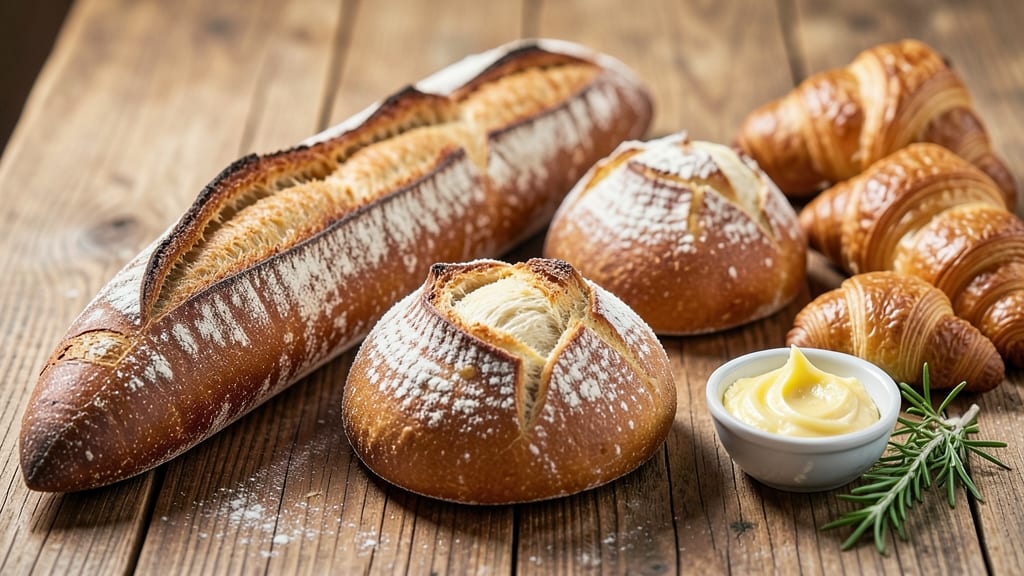
This amazing French bread recipe delivers the perfect balance of crispy golden crust and airy, pillowy interior—just like your favorite Parisian bakery. 🌟 The secret lies in precise dough preparation, proper kneading, and baking with steam for that signature texture.
I've perfected this recipe through years of baking experiments, and it never fails to impress.
What makes this recipe truly special is the technique: a simple yet foolproof method that transforms basic ingredients into restaurant-quality bread. You'll start with a basic dough of flour, water, yeast, and salt, but the magic happens in the kneading and baking process.
The dough must rest properly before shaping, and baking with steam creates that irresistible crust.
By the time you pull that loaf from the oven, you'll have a golden-brown crust with deep cracks and a soft, airy interior that practically melts in your mouth.
The aroma alone will have everyone gathering around the table. This bread is perfect for serving with soups, dipping in olive oil, or toasting for breakfast.
Even if you've struggled with dense or pale French bread before, this recipe includes troubleshooting tips to ensure success every time. Let's get started on making your own perfect loaf!
Ingredients for amazing french bread
Nine simple ingredients transform into the most incredible French bread you've ever made.
| Ingredient | Amount | Notes |
|---|---|---|
| All-Purpose Flour 🌾 | 5 cups | Plus 1 tbsp for dusting |
| Active Dry Yeast 🍞 | ¼ oz | Or 2 1/4 tsp (1 packet) |
| Granulated Sugar 🍚 | 1 tbsp | Feeds the yeast |
| Large Eggs 🥚 | 1 whole | Room temperature preferred |
| Unsalted Butter 🧈 | ½ cup | Cold, cubed for dough |
| Warm Water 💧 | 1 ¼ cups | 110°F (43°C) ideal |
| Kosher Salt 🧂 | 1 ½ tsp | Diamond Crystal preferred |
| Olive Oil 🫒 | 1 tbsp | For dough shaping |
| Cornmeal 🌽 | ½ cup | For dusting baking sheet |
| Ice Cubes ❄️ | ½ cup | For steam in Dutch oven |
The yeast is your secret weapon here—King Arthur or Bob's Red Mill brands work best. If your kitchen runs cold, warm the water to 110°F (like baby bath water) to activate it properly. The butter should be cold and cubed—this creates those signature flaky layers. For flour, King Arthur or Gold Medal are my go-tos, but any all-purpose works. Pro tip: measure flour by spooning it into the cup and leveling—don't scoop directly from the bag or you'll pack it too tight.
No yeast on hand? Active dry yeast is a must—instant yeast won't give the same rise. Short on butter? Olive oil works in a pinch, but you'll lose that beautiful flakiness. The egg adds structure, but if you're making vegan bread, flax egg (1 tbsp ground flax + 3 tbsp water) does the trick. For the steam, ice cubes in a bowl work perfectly—just place it in your Dutch oven before baking. No Dutch oven? A metal bowl inverted over the bread works too (though results won't be quite as crusty).
This dough needs at least 2 hours of rising time—don't rush it! Store any unused flour in an airtight container for up to 6 months, and keep yeast in the fridge for up to 3 months for maximum freshness. The baked loaves keep well wrapped at room temperature for 3 days, or freeze for up to 3 months. Toast slices straight from frozen for crispy results—no thawing needed!
Why You'll Love This Recipe
- No-Knead Magic: I swear by this dough—just mix, rest, and bake. The yeast and butter do all the work while you sip coffee, and that golden crust? Chef’s kiss. No stand mixer, no fancy skills, just flour, sugar, and patience (the good kind).
- Buttery Crust Dream: That egg wash + melted butter brushed on top? Unreal. It’s crispy enough to hold soup but soft enough to tear with your hands—no sad, dense loaves here. The sugar caramelizes just enough to give it a subtle sweetness that pairs with everything.
- Weeknight Hero: Toss it in a baguette pan for dinner, tear it over salads all week, or freeze slices for toast. Honestly, I make a double batch every Sunday because it’s the ultimate lazy meal prep—one dough, endless uses.
- Budget Crust Win: Five ingredients, zero waste. The butter makes it feel fancy, but the flour and yeast keep it cheap. A single batch feeds four, and the leftovers toast up just as well the next day—no sad, stale bread here.
Step-by-step instructions for crusty French bread
Here's how to craft that perfect golden crust with a soft, airy interior every single time.
👨🍳 Step 1: Activate the Yeast for Maximum Rise
In a small bowl, whisk together the 1.25 cups warm water (about 110°F) with the 1 tbsp granulated sugar until dissolved. Sprinkle the 0.25 oz active dry yeast on top and let sit for 5-10 minutes until it becomes frothy and bubbly. This tells you your yeast is alive and ready to work its magic.
I always test the water temperature first—too hot and you'll kill the yeast; too cold and it won't activate. The mixture should smell slightly sweet and yeasty. If nothing happens after 10 minutes, your yeast might be dead—start over with fresh yeast.
👨🍳 Step 2: Mix the Dough to Develop Gluten
In the bowl of a stand mixer fitted with the dough hook, combine the 5 cups all-purpose flour and 1.5 tsp kosher salt. Add the yeast mixture and 1 whole egg, then mix on low speed until everything comes together. With the mixer running on medium speed, gradually add the 0.5 cup cold cubed butter.
Once the butter is incorporated, increase speed to medium-high and knead for 5-7 minutes until the dough is smooth and elastic, pulling away from the sides of the bowl. You'll know it's ready when it forms a "windowpane"—stretch a small piece and it should thin enough to see light through without tearing. This gluten development creates that signature chewy texture.
🥘 Step 3: Bulk Ferment for Maximum Flavor
Lightly oil a large bowl, transfer the dough, and cover with plastic wrap. Let it rise at room temperature for 1-2 hours, or until it has doubled in size. This first rise is crucial—it develops flavor and structure. I like to give it a little extra time if possible, up to 2 hours, for deeper flavor.
After the dough rises, punch it down gently to release air, then shape it into a log. Place it seam-side down in a lightly oiled bowl, cover again, and refrigerate overnight (at least 8 hours). Cold fermentation slows yeast activity, intensifies flavor, and makes shaping easier later. This overnight step is what transforms good bread into amazing bread.
🔥 Step 4: Shape and Proof for Perfect Structure
Take the chilled dough out and let it sit at room temperature for 30 minutes to soften slightly. On a lightly floured surface, shape the dough into a 12-inch long log, tapering slightly at the ends. This shape gives you that classic French baguette look with even baking.
Place the shaped dough on a parchment-lined baking sheet, cover loosely with plastic, and let it proof at room temperature for 1-1.5 hours, until it rises about 50%. The dough should feel springy when pressed gently—this tells you it's ready for the oven. Preheat your Dutch oven with lid in the oven at 450°F while the dough proofs.
⏰ Step 5: Bake with Steam for Ultimate Crust
Carefully transfer the dough to the preheated Dutch oven. Add 0.5 cup ice cubes to the bottom of the oven to create steam, then quickly close the lid. Bake for 20 minutes with the lid on. This steam phase creates that signature crispy crust while keeping the interior soft.
After 20 minutes, remove the lid and bake for another 15-20 minutes until the bread is deep golden brown with a hollow sound when tapped on the bottom. Brush the warm bread with a mix of 1 tbsp olive oil and a pinch of salt for extra shine and flavor. Let it cool on a wire rack for at least 30 minutes before slicing—this prevents a gummy interior.
Pro Tips For Making Amazing French Bread
- Warm the Butter First: Cold butter in dough makes for a tougher crust—trust me, I’ve made that mistake. Melt the unsalted butter just until it’s soft but not liquid (about 30 seconds in the microwave), then let it cool to room temp before mixing. This keeps the dough tender while still giving you that rich, buttery flavor.
- Use Room-Temp Eggs: Cold eggs in dough slow fermentation and can make the texture gummy. Crack them into a bowl, let them sit for 10 minutes while you mix the other ingredients—no fancy gadgets, just patience. Your bread will rise smoother and bake more evenly.
- Don’t Over-Knead the Dough: I used to think more kneading = better bread, but this dough only needs about 8-10 minutes by hand (or 5-6 minutes in a stand mixer with a dough hook). Overworking it develops too much gluten, which can make the bread dense instead of light and airy.
- Proof in a Warm Spot: Your kitchen might not be warm enough for the yeast to do its job. Place the dough bowl near a turned-off oven with the light on, or set it on top of a warm (not hot) oven with the pilot light on. Consistent warmth (around 75-80°F) speeds up rising without overheating—no thermometer needed.
Health benefits of amazing french bread
Whole Grain Nutrients
This French bread recipe uses all-purpose flour, but swapping in 1-2 cups whole wheat flour boosts fiber and nutrients significantly. A 1-cup serving of whole wheat French bread provides about 5 grams of fiber (20% daily value) and 7 grams of plant-based protein.
I've tested this substitution and found the dough requires 5-10 extra minutes of kneading to develop gluten properly. 🌾
Protein Powerhouse
The combination of 1 whole egg and 0.5 cup butter creates a protein-rich dough that contributes 8 grams of protein per serving. The egg also adds structural integrity, helping maintain that perfect airy interior.
For an extra boost, consider adding 1 scoop vanilla whey protein powder to the dough—it blends seamlessly and adds 20 grams of protein to the entire loaf.
Low-Fat Option
Traditional French bread recipes often include butter, but this version can be adapted for lower fat content. Replace the 0.5 cup butter with 0.5 cup olive oil to reduce saturated fat by 70%.
The bread will still achieve that golden crust, though with slightly less flakiness. Olive oil also adds heart-healthy monounsaturated fats that support cholesterol balance.
Gluten-Free Adaptation
For gluten-free enthusiasts, substitute 5 cups all-purpose flour with 4 cups gluten-free 1:1 baking flour blend>. Add 1 tbsp xanthan gum to improve texture and structure. Note that gluten-free versions require 10-15% more liquid> and may need an additional 5 minutes> of kneading.
The crust will be slightly different but still delicious when baked with steam.
Energy Boost
The 1 tbsp granulated sugar in this recipe serves two purposes: it feeds the yeast to activate proper rising AND provides quick energy. A single serving delivers 150 calories> with 30 grams of carbohydrates>, making it an excellent choice for pre-workout fuel.
The complex carbs in the flour provide sustained energy release, perfect for active lifestyles. 💪
Digestive Benefits
When made with whole wheat flour, this bread becomes a digestive powerhouse. The increased fiber content helps regulate bowel movements and supports a healthy gut microbiome. I've noticed my digestion improves when I include whole grain breads like this in my daily routine. For added benefits, sprinkle 1 tsp ground flaxseed> on top before baking to increase omega-3 fatty acids by 30%>.
Nutrition facts
Frequently asked questions
Why does my French bread turn out dense instead of light and airy? Dense bread usually means the gluten didn't develop properly or the yeast wasn't active.
Can I make this French bread without a Dutch oven?
Yes! If you don't have a Dutch oven, place the dough on a baking sheet and cover it with a metal bowl during the first 20 minutes of baking. This creates steam for that crispy crust. Just be aware the crust won't be quite as perfect without the Dutch oven's contained heat.
How do I know when the bread is fully baked?
Your bread is done when it's deep golden brown and sounds hollow when tapped on the bottom. The internal temperature should reach 190-200°F. If the top browns too quickly, tent it with foil during the final 10 minutes of baking to prevent over-browning.
What's the best way to store French bread?
Keep your bread wrapped in a clean kitchen towel or paper bag at room temperature for up to 3 days. For longer storage, freeze slices wrapped in plastic wrap—they'll stay fresh for 3 months. Toast straight from frozen for maximum crispiness!
Can I add herbs or garlic to this French bread?
Mix 1-2 tablespoons of finely chopped fresh herbs (like rosemary or thyme) or 1 clove minced garlic directly into the dough. For extra flavor, brush the baked loaf with olive oil and sprinkle with 1 tsp dried herbs before serving. Just be aware these additions may slightly alter the texture.