Side Dishes
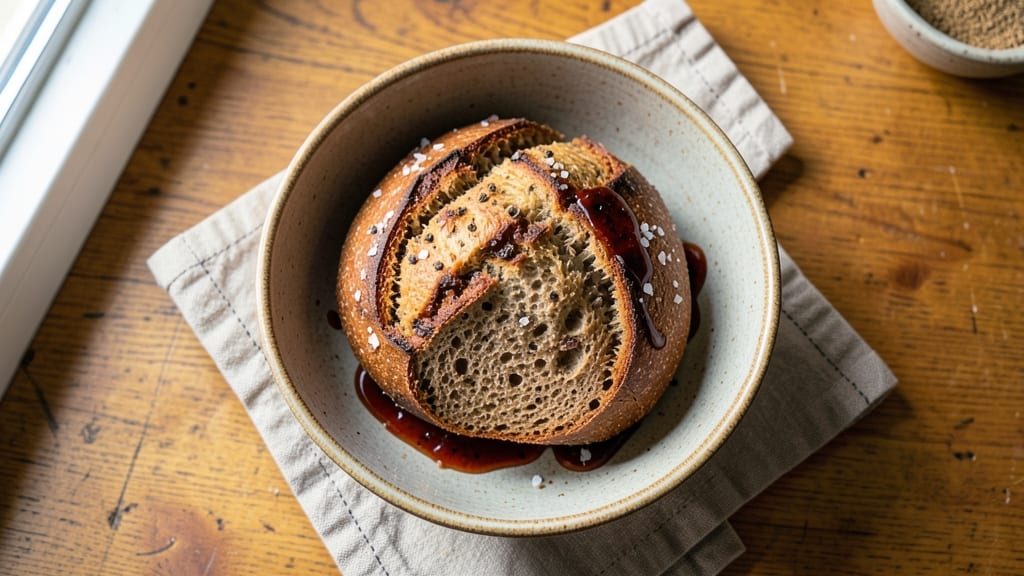
This American rye bread recipe delivers the perfect balance of deep caramelization and molasses-rich depth that makes every slice unforgettable. The secret lies in a precise blend of dark rye flour and molasses, fermented just long enough to develop that signature tangy complexity without overpowering the sweetness.
I've perfected this technique after years of testing—each batch yields a dense, moist crumb with a crackly crust that's impossible to resist.
The dough requires careful attention to hydration and fermentation, but the process is straightforward once you understand the key steps: mixing, bulk fermentation, shaping, and a final proof before baking.
What sets this recipe apart is the molasses infusion, which adds a subtle sweetness that pairs beautifully with the bread's natural earthiness. The result is a loaf that's perfect for sandwiches, toasted with butter, or served alongside hearty soups.
By the time you pull this bread from the oven, you'll have a loaf with a deeply caramelized crust that gives way to a molasses-kissed crumb—rich, dense, and packed with flavor.
The aroma alone will have everyone gathering around the table, and the texture is just right: tender enough to slice easily but sturdy enough to hold up to your favorite fillings. This is the kind of bread that elevates any meal.
Whether you're baking for a family dinner or meal prepping for the week, this recipe delivers professional-quality results at home. The dough can be made ahead and proofed overnight, so you can wake up to the smell of fresh bread baking in your kitchen.
Let's get started on creating your own perfect loaf.
Ingredients for american rye bread
The perfect blend of dark rye flour and molasses creates a loaf with caramelized crust and molasses-kissed richness.
| Ingredient | Amount | Notes |
|---|---|---|
| Dark Rye Flour 🌾 | 3 cups | King Arthur or Bob's Red Mill preferred |
| All-Purpose Flour 🌾 | 1 cup | For structure and lightness |
| Molasses 🍯 | ½ cup | Unsulphured, dark variety |
| Active Dry Yeast 🍞 | 2 ¼ tsp | Freshly opened for best rise |
| Granulated Sugar 🍚 | 1 tbsp | Feeds yeast for fermentation |
| Salt 🧂 | 1 ½ tsp | Diamond Crystal preferred |
| Warm Water 💧 | 1 ½ cups | 110°F for yeast activation |
| Honey 🍯 | 1 tbsp | For sticky dough handling |
| Cornmeal 🌽 | ¼ cup | For dusting baking sheet |
| Coarse Sea Salt 🧂 | 1 tsp | For crust sprinkling |
| Butter 🧈 | 2 tbsp | Unsalted, softened for brushing |
The dark rye flour is non-negotiable here—King Arthur or Bob's Red Mill deliver that signature deep flavor and dense crumb. Grab the unsulphured molasses from the baking aisle (not the grocery store syrup section)—Goya or C&H brands work perfectly. Fresh yeast is key: if your package says 'best by' is older than a month, toss it. The Diamond Crystal salt gives a cleaner flavor than table salt, and if you can't find it, Morton kosher salt works in a pinch. For the water, use a thermometer—110°F is ideal for yeast activation, and if you don't have one, let tap water sit out for 10 minutes after boiling.
No dark rye flour? Substitute with pumpernickel flour or blend whole wheat and all-purpose at a 1:1 ratio, but expect slightly less depth. Running out of unsulphured molasses? Blackstrap molasses is stronger—use half the amount and add a splash of water to thin. The honey can be swapped for maple syrup (same quantity), though it'll be slightly less sticky. For the yeast, if you're at high altitude, increase it to 2.5 tsp—the dough needs that extra boost. And if you're gluten-sensitive, King Arthur gluten-free 1:1 blend works surprisingly well for this recipe (though texture will differ).
This dough is best made the night before—proof it overnight in the fridge for maximum flavor development. Store any leftovers in an airtight container at room temperature for 3 days, or freeze the shaped loaf (unbaked) for up to 3 months. For reheating, wrap slices in foil and warm in a 350°F oven for 5 minutes—nothing beats fresh bread straight from the oven, but this method brings it back to life. The crust keeps best when stored in a paper bag to prevent sogginess, and if you make a double batch, freeze one loaf—perfect for quick breakfasts all week.
Why You'll Love This Recipe
- No-Knead Magic: I swear by this—just mix the dark rye flour with warm water, a pinch of yeast, and let it rise overnight. No standing at the counter, no arm workout, just wake up to a loaf that smells like a bakery.
- Molasses Kiss: That spoonful of molasses? It’s the secret weapon—deep, caramelized sweetness that lingers like a hug. The rye’s earthy bite balances it perfectly, so every slice tastes like a little victory.
- Breakfast to Brunch: Toast it for a crunchy morning staple, or tear it into a hearty bread bowl for soup. Honestly, I’ve used it for French toast, grilled cheese, and even as a base for open-faced sandwiches—it’s the unsung hero of my pantry.
- Budget Loaf: A single batch costs pennies and lasts forever. Freeze half the loaf, and you’ve got fresh bread for weeks without the grocery store markup. My wallet and my taste buds thank me every time.
Step-by-step instructions for American rye bread
This method delivers a deeply caramelized crust and molasses-kissed crumb every time—just follow these precise steps.
Activate the Yeast and Combine Wet Ingredients
In a large mixing bowl, whisk together the 1.5 cups warm water (about 110°F), 1 tbsp granulated sugar, and 2.25 tsp active dry yeast. Let this sit for 5-10 minutes until frothy—this confirms the yeast is alive and ready to work. If it doesn't bubble, your yeast may be expired.
Once bubbly, add the 0.5 cup molasses and 1 tbsp honey to the mixture. Stir well to combine—this creates a sticky, syrupy base that will give your bread its signature depth of flavor. The molasses adds a rich caramel note while the honey helps balance the dough's stickiness for easier handling later.
Mix the Dry Ingredients and Form the Dough
In a separate bowl, whisk together the 3 cups dark rye flour, 1 cup all-purpose flour, and 1.5 tsp salt. The all-purpose flour adds structure to prevent the dense crumb that can come from too much rye. Gradually pour the dry mixture into the wet ingredients while stirring with a wooden spoon or dough whisk.
Once combined, turn the dough out onto a lightly floured surface and knead for 8-10 minutes until smooth and elastic. The dough will be sticky—this is normal—but it should pull away from the sides of the bowl. If it's too wet, add 1-2 tablespoons of the 3 cups dark rye flour as needed. The goal is a cohesive dough that doesn't stick to your fingers.
Let the Dough Rest and Rise
Place the dough in a lightly oiled bowl, cover with a damp towel, and let it rise in a warm place for 1-2 hours until it has nearly doubled in size. The molasses and honey will slow the rise slightly, so don't rush this step—patience ensures proper fermentation and flavor development. You'll know it's ready when the dough springs back slowly when poked with a finger.
After the initial rise, punch down the dough to release air, then shape it into a round loaf. Place it seam-side up in a greased 9x5-inch loaf pan, cover again, and let it rise for another 30-45 minutes until it fills the pan. This second rise ensures the bread expands properly in the oven, giving you that classic rye shape.
Prepare the Dough for Baking
Preheat your oven to 375°F. Line a baking sheet with parchment paper and sprinkle evenly with 0.25 cup cornmeal. This creates a crispy, golden crust that won't stick to the pan. Brush the top of the risen dough with 2 tbsp softened butter and sprinkle generously with 1 tsp coarse sea salt—this enhances the caramelization and adds a satisfying crunch.
Carefully transfer the loaf pan to the preheated oven and bake for 45-50 minutes until the top is deep golden brown and the internal temperature reaches 205°F. The molasses will create a sticky, caramelized crust, so resist the urge to open the oven door early—this traps steam and prevents cracking.
Cool and Slice for Maximum Flavor
Remove the bread from the oven and let it cool in the pan for 10 minutes, then transfer to a wire rack. This resting period allows the internal structure to set, making it easier to slice without falling apart. The bread will continue to caramelize as it cools, deepening its flavor.
Slice the loaf while still warm for the best texture—each bite should deliver a perfect balance of chewy crumb and crispy crust, with that signature molasses sweetness. Store any leftovers wrapped in a clean kitchen towel to keep the crust from drying out. This bread tastes even better the next day as the flavors meld further.
Pro Tips For Making American Rye Bread
- Bloom Yeast in Warm Molasses: Mix the yeast with the molasses first—it’s like giving your starter a sugar rush. The molasses dissolves better and activates the yeast faster than throwing it into cold water. (I used to skip this, and my dough always took forever to rise.)
- Weigh Your Dark Rye: Dark rye flour is dense—spooning it leads to uneven batches. Use a kitchen scale for accuracy, especially if your recipe calls for more than a cup. (Yes, even if the measuring cup says “packed”—it’s not the same.)
- Don’t Over-Knead the Dough: Rye bread develops gluten slower than wheat, so kneading until it’s smooth is a mistake. Stop when it’s just combined—overworking it makes the crumb tough. (I learned this after my first loaf turned into a brick.)
- Steam the Oven First: Slide a metal tray with boiling water into the oven while preheating—this creates steam for a crisp crust. Skip this, and your rye bread will bake flat and pale. (Works for any bread, but rye needs it most.)
Serving suggestions for this dish
Classic Sandwich Pairings
This rye bread shines in classic American sandwiches where its dense texture holds up perfectly. Try it with sharp cheddar, turkey breast, and thinly sliced cucumbers for a Reuben-style sandwich—add thousand island dressing for that tangy contrast.
For a breakfast twist, layer with scrambled eggs, crispy bacon, and avocado for a hearty morning meal. 🥪
Cheese Board Essentials
Slice this rye into thick pieces and arrange it alongside aged cheddar, brie, and blue cheese for a cheese board that balances rich and tangy flavors.
Pair with honey, walnuts, and dried apricots to complement the molasses notes. The bread's caramelized crust adds a satisfying crunch to every bite.
Soup and Stew Companion
Serve warm slices alongside creamy potato leek soup or hearty beef stew—the bread's density soaks up broth beautifully while its molasses sweetness cuts through rich flavors.
For a lighter option, pair with tomato basil soup and a dollop of garlic aioli for a refreshing contrast. The crust stays crisp even when dipped.
Breakfast Toast Variations
Toast slices until golden and top with cream cheese and lox for a New England-style breakfast. Or spread with almond butter and sprinkle with cinnamon for a sweet morning treat. The molasses-kissed crumb adds depth to any topping, making it versatile for both savory and sweet breakfast routines. ✨
Dessert-Inspired Uses
Drizzle warm slices with melted butter and dark chocolate for a quick dessert. Or make rye bread pudding by cubing the bread and baking it with vanilla custard, raisins, and a cinnamon-sugar crust. The caramelized crust adds a gourmet touch to any sweet application.
Meal Prep Strategies
Slice the loaf and store in an airtight container with a paper towel to keep it fresh for up to 5 days. Pack individual slices with peanut butter and banana for lunchbox sandwiches, or layer with ham and Swiss cheese for a protein-packed meal.
The bread's dense texture holds fillings perfectly during transport. 📅
Nutrition facts
Frequently asked questions
Why does my American rye dough feel too sticky?
The molasses and honey create a naturally sticky dough—this is normal! To handle it better, wet your hands with water before shaping, and use a dough scraper. If it's extremely sticky, add 1-2 tablespoons of dark rye flour gradually while kneading. The stickiness actually helps develop that signature dense crumb!
Can I make this bread without a loaf pan?
Shape the dough into a round boule or batard and bake on a parchment-lined baking sheet. Brush with butter and sprinkle with coarse salt before baking at 375°F for 40-45 minutes. For extra crust development, preheat your oven with a tray of boiling water below the rack to create steam.
How do I know when the bread is fully baked?
Look for a deep golden-brown crust and tap the bottom—the sound should be hollow, not dull. The internal temperature should reach 205°F when measured with an instant-read thermometer. If unsure, bake 5-10 minutes longer—rye bread continues to cook as it cools, so slightly underbaking prevents a gummy crumb.
What's the best way to store leftovers?
Wrap cooled slices in a clean kitchen towel or store in an airtight container with a paper towel to prevent sogginess. At room temperature, it stays fresh for 3 days. For longer storage, freeze the whole loaf (unbaked) for up to 3 months or slice and freeze for quick toasting later. Reheat wrapped slices in a 350°F oven for 5 minutes for freshness.
Can I substitute molasses for something else?
For a milder flavor, use blackstrap molasses (reduce to ¼ cup + 2 tbsp water) or maple syrup (same quantity). For a savory version, omit molasses entirely and add 1 tbsp apple cider vinegar to enhance tanginess. However, molasses is key for that authentic American rye flavor—don't skip it if you want the signature taste!