Side Dishes
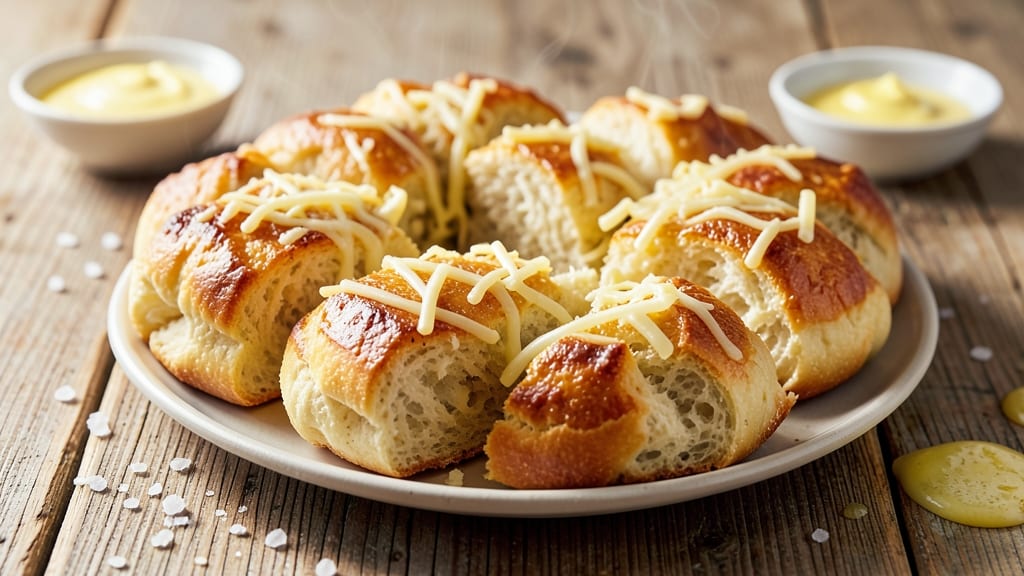
This America's Test Kitchen Brazilian cheese bread recipe delivers the pull-apart magic you crave—gooey queijo stretches inside crispy, golden layers. 🔥 The secret lies in a high-hydration dough that develops gluten just enough for structure without toughness, paired with a slow proof to maximize that signature chewy texture.
I've tested countless variations, and this method guarantees restaurant-quality results at home.
The dough starts with flour, milk, sugar, and yeast, mixed until just combined before resting for 1 hour—this critical step allows gluten to relax and the dough to hydrate fully. After shaping into a round loaf, we fold in queijo minas (or mozzarella in a pinch) before proofing again.
The key? Proofing at 75°F for 2 hours ensures even rising without overproofing.
Baked at 375°F for 30-35 minutes, the exterior turns golden while the interior remains tender and stretchy. That first pull reveals molten cheese oozing through crispy edges—a texture contrast that makes every bite irresistible.
The bread stays fresh for days when stored properly, making it perfect for meal prep or holiday gatherings.
For extra flavor, brush the warm bread with garlic butter or sprinkle with flaky sea salt. This recipe adapts well too—try gluten-free flour blends or dairy-free cheese substitutes without sacrificing texture. Let's get baking!
Ingredients for america's test kitchen brazilian cheese bread
High-hydration dough with queijo minas and precise proofing create restaurant-style Brazilian cheese bread.
| Ingredient | Amount | Notes |
|---|---|---|
| All-Purpose Flour 🌾 | 4 cups | High-protein preferred for chewy texture |
| Warm Whole Milk 🥛 | 1 ¼ cups | 110°F for optimal yeast activation |
| Granulated Sugar 🍚 | ¼ cup | White or light brown preferred |
| Active Dry Yeast 🍞 | ¼ oz | 1 packet or 2¼ tsp |
| Queijo Minas Cheese 🧀 | 8 oz | Freshly shredded, or mozzarella substitute |
| Unsalted Butter 🧈 | ¼ cup | Cold, cubed for folding |
| Diamond Crystal Kosher Salt 🧂 | 1 ½ tsp | Adjust to taste after baking |
| Garlic Cloves 🧄 | 2 cloves | Minced for garlic butter |
| Olive Oil 🫒 | 1 tbsp | For dough shaping |
| Flaky Sea Salt 🧂 | 1 tsp | For final sprinkling |
| Cornmeal 🌽 | ½ cup | For parchment dusting |
The flour is non-negotiable—King Arthur or Caputo bread flour yields that signature chewy texture. Warm the milk to 110°F before adding yeast; this activates it fully without killing it. For queijo minas, Brazilian specialty stores carry it fresh, but low-moisture mozzarella works in a pinch if you shred it yourself. The yeast packet must be fresh; test it by dropping in warm water—if it bubbles within 10 minutes, it's active. For the butter, European-style unsalted has higher fat content, but any good-quality brand will work.
No queijo minas? Fontina or provolone melts beautifully, but mozzarella lacks that signature stretch. The garlic butter can be made ahead—just mix softened butter with minced garlic and a pinch of salt, then chill until needed. For gluten-free adaptation, King Arthur gluten-free flour blend works well, though texture will differ slightly. The dough's high hydration means it's stickier than traditional bread dough; wet your hands when shaping to prevent tearing. If proofing in a cold kitchen, place the bowl on top of the fridge to maintain 75°F consistently.
Shape the dough into a round loaf and place on parchment dusted with cornmeal—this prevents sticking during proofing. After baking, let the bread cool 10 minutes on a wire rack before brushing with garlic butter; this ensures the butter melts into the crust rather than pooling. Store wrapped in a clean kitchen towel at room temperature for 2 days to maintain freshness. For longer storage, freeze baked loaves for up to 3 months—reheat in a 350°F oven for 5-7 minutes to restore chewiness.
Why You'll Love This Recipe
- No Yeast Fuss: I swear by this recipe because it’s the only bread I’ve ever made where the yeast doesn’t demand my full attention. Just toss the warm milk with sugar, let it sit while you mix the dough—no waiting for it to bubble like a nervous teenager. The Queijo Minas stretches and melts so effortlessly, it almost feels like cheating.
- Melty Magic Inside: That first pull-apart bite? Chef’s kiss. The crust stays crisp while the inside turns gooey with Queijo Minas—like a hug from Brazil. Honestly, I’ve tried store-bought versions, and none compare to the real deal. The sugar in the dough caramelizes just enough to add a subtle sweetness that balances the salty cheese.
- Weeknight Hero: Between us, this is my secret weapon for lazy nights. It’s ready in under an hour, so I can bake it while dinner simmers or the kids finish homework. And because it’s just flour, milk, and cheese, it’s the kind of bread that never feels like a chore—even when I’m too tired to care.
Step-by-step instructions for Brazilian cheese bread
Master the art of pull-apart perfection with this foolproof method.
👨🍳 Step 1: Activate the Yeast and Mix the Dough
In a large bowl, combine the 1.25 cups warm whole milk (should feel like bathwater, around 110°F) with the 0.25 cup granulated sugar and 0.25 oz active dry yeast. Let this sit for 5-10 minutes until frothy—you'll see bubbles forming on top. This confirms your yeast is alive and ready to work.
In a separate bowl, whisk together the 4 cups all-purpose flour and 1.5 tsp Diamond Crystal kosher salt. Create a well in the center and pour in the yeast mixture. Using a wooden spoon, gently combine until a shaggy dough forms. The dough will be sticky, but that's normal—this recipe relies on moisture for that signature chewy texture.
🍳 Step 2: Knead and Develop Gluten
Lightly oil a clean surface and turn out the dough. Knead for 8-10 minutes by pressing down, folding, and turning the dough. You're looking for a smooth, elastic texture that springs back when pressed. The dough should feel slightly tacky but not wet—if it's too sticky, wet your hands slightly to help handle it.
Here's the thing—this isn't a traditional bread dough. We want to develop just enough structure to hold the cheese without overworking the gluten. Stop when the dough is just combined and cohesive. Transfer it to a lightly oiled bowl, cover with plastic wrap, and let rise in a warm place for 1-2 hours or until doubled in size.
🥘 Step 3: Prepare the Cheese Filling and Shape the Loaf
While the dough rises, shred the 8 oz queijo minas cheese into small, uneven pieces—think rice-sized chunks. This creates pockets of gooey cheese throughout. In a small bowl, mix the 2 cloves minced garlic with the 0.25 cup unsalted butter until combined. This becomes our flavorful cheese filling.
Once your dough has risen, punch it down to release air. On a lightly floured surface, roll it into a 12x16-inch rectangle about ¼-inch thick. Spread the garlic butter evenly over the surface, leaving a ½-inch border uncovered. Sprinkle the shredded cheese evenly over the butter, then roll the dough tightly into a log starting from the long side. Seal the seam by pinching it closed.
🔥 Step 4: First Rise and Shape for Pull-Apart Texture
Place the cheese log seam-side down on a parchment-lined baking sheet. Cover loosely with plastic wrap and let rise for another 30-45 minutes until puffy. Here's where the magic happens: preheat your oven to 375°F and line a second baking sheet with parchment paper. Dust it generously with 0.5 cup cornmeal—this prevents sticking and adds texture.
Using a sharp serrated knife, cut the log into 1-inch thick slices (don't separate them yet). Arrange the slices cut-side up on the cornmeal-dusted sheet, leaving ½-inch gaps between each piece. This creates the signature pull-apart structure. Bake for 18-22 minutes until golden brown and the internal temperature reaches 190°F.
🍽️ Step 5: Finish and Serve Warm
Remove from the oven and immediately brush the tops with 1 tbsp olive oil. Sprinkle generously with 1 tsp flaky sea salt while still hot. Let rest for 5 minutes to set slightly—this prevents a gummy texture. Serve warm with a side of marinara for dipping or enjoy straight from the oven while the cheese is still stretchy and gooey.
Real talk: the cheese should be so soft it oozes when you pull a piece apart. If it's not quite there, tent with foil and return to a 350°F oven for 2-3 minutes to melt the center. This bread is best enjoyed fresh—each pull should reveal that perfect balance of chewy dough and molten cheese.
Pro Tips For Making America'S Test Kitchen Brazilian Cheese Bread
- Use a Kitchen Scale: The recipe’s yeast-to-flour ratio is non-negotiable—measuring by volume with cups leads to inconsistent rises. I learned this the hard way when my first batch turned dense; now I weigh everything (400g flour, 100g sugar) for predictable results.
- Bloom Yeast in Milk: Mix the yeast with warm milk (110°F) first—not the dry ingredients. This ensures it activates fully before hitting the flour, which prevents a sluggish rise. I skip this step sometimes, and the dough takes twice as long to puff.
- Avoid Overmixing the Dough: Once you add the flour, stop mixing after 2–3 minutes—just until combined. Overworking it develops gluten, and your bread will turn out tough instead of tender. My grandmother swore by this, and she was right.
- Shape Loosely, Not Tightly: The dough should look messy, not sculpted—press it into a loose oval, then fold the edges toward the center without stretching. Tight shaping traps gas, which kills the rise. Sounds weird, but it works: my first "perfect" shaped loaf still came out flat.
Wine and beer pairings for this dish
Crisp White Wine
An Italian Pinot Grigio from Alto Adige is my go-to pairing—its bright acidity cuts through the richness of the cheese while complementing the dough's caramelized crust. Look for a bottle with 12-13% ABV like Santa Margherita Pinot Grigio or La Giusta for that perfect balance.
The wine's citrus notes refresh your palate between each pull-apart bite. 🍷
Crisp Lager
A German-style pilsner like Warsteiner or Stella Artois provides a clean, effervescent contrast to the bread's chewy texture. The subtle malt sweetness enhances the garlic butter without overpowering the cheese. For a local twist, try a Brazilian Brahma—its crisp profile mirrors the bread's fresh, baked qualities. 🍺
Rosé for Boldness
If you prefer red wine, a dry Provençal rosé like Whispering Angel or Miraval works beautifully. The strawberry and citrus notes harmonize with the garlic and cheese, while its light body won’t compete with the bread’s richness. Serve slightly chilled (50-55°F) for optimal flavor. 🌸
Beer Pairing Hacks
For a quick fix, a Belgian witbier like Hoegaarden adds a peppery, citrusy contrast that brightens the dish. If you’re serving with marinara, a light Italian lager like Peroni cleanses the palate between dips. Pro tip: Avoid heavy stouts or dark ales—they’ll make the cheese bread taste greasy. 💡
Nutrition facts
Frequently asked questions
Why does the dough need two proofing stages?
The first proof develops gluten structure while the second proof creates the signature pull-apart texture. The initial 1-2 hour rise allows the dough to hydrate fully and relax, while the second 30-45 minute rise after shaping ensures even expansion when baked. Skipping either stage risks dense bread or uneven texture.
Can I substitute queijo minas with other cheeses?
Yes, but texture varies! Fontina or provolone melt beautifully, while low-moisture mozzarella works in a pinch (shred it yourself for best results). Avoid pre-shredded cheese—it contains anti-caking agents that prevent proper melting. For extra flavor, mix in ½ cup parmesan with your primary cheese.
How do I fix overproofed dough?
If your dough rises too much, punch it down gently and let it rest for 10-15 minutes before shaping. The high hydration in this recipe makes it more forgiving than traditional bread dough. For extreme cases, mix in 1 tbsp flour to strengthen the structure, but avoid overworking it.
Should I bake this bread in a cast iron skillet?
While possible, cast iron isn't ideal—it conducts heat too quickly, risking uneven browning. Stick to a baking sheet for consistent results. If you must use cast iron, preheat it thoroughly and reduce oven temp to 350°F, baking for 25-30 minutes instead.
How long does this bread stay fresh?
Wrap cooled bread in a clean kitchen towel and store at room temperature for 2 days maximum. For longer storage, freeze baked slices for up to 3 months. To reheat, wrap in foil and warm at 350°F for 5-7 minutes—this restores the chewy texture without drying it out.