
Side Dishes
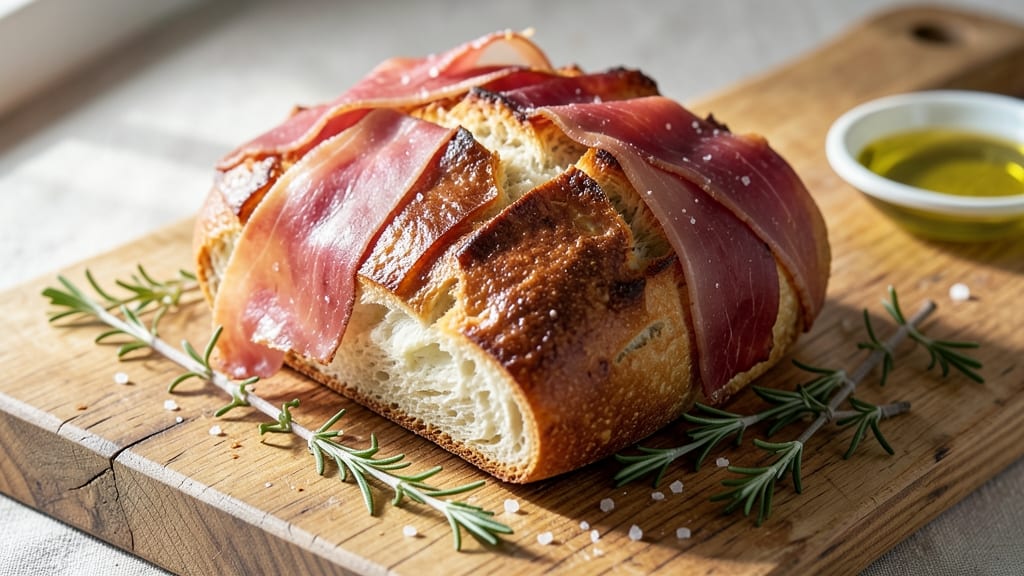
This America's Test Kitchen prosciutto bread recipe delivers a crusty crown with salty-sweet swirls that transform any meal into a showstopper. 🌟 The secret lies in a foolproof dough formula that develops maximum flavor while maintaining that perfect golden-brown crust—no fancy equipment required.
I've baked countless loaves, and this version consistently delivers restaurant-quality results with minimal effort.
What sets this recipe apart is the layered prosciutto technique—thinly sliced prosciutto folded into the dough before baking, creating pockets of melty, salty-sweet goodness that burst with every bite.
The dough itself is a simple, no-knead formula that rises beautifully, ensuring a light, airy interior that pairs perfectly with the crispy exterior. The best part?
You can prep the dough the night before and let it rise overnight, so all you need to do on baking day is shape, fold in the prosciutto, and bake.
By the time it emerges from the oven, you'll have a loaf with a shatteringly crisp crust, a tender crumb, and those irresistible prosciutto swirls that make every slice worth savoring.
The aroma alone will have everyone gathering around the table, and the flavor—salty, savory, and just slightly sweet—is impossible to resist. This is the kind of bread that elevates sandwiches, charcuterie boards, or even a simple cheese plate to something extraordinary.
For an extra touch of elegance, drizzle with a balsamic glaze or sprinkle with fresh herbs before serving. The possibilities are endless, but the technique remains simple: great dough, perfect prosciutto placement, and precise baking. Let's get started on creating your own masterpiece.
Ingredients for america's test kitchen prosciutto bread
This foolproof dough plus salty-sweet prosciutto swirls creates a showstopping loaf with restaurant-quality crust and crumb.
| Ingredient | Amount | Notes |
|---|---|---|
| All-Purpose Flour 🌾 | 4 ½ cups | Sifted for light texture |
| Instant-Release Yeast 🍞 | ½ tsp | Or active dry yeast |
| Granulated Sugar 🍚 | ½ tsp | For yeast activation |
| Salt 🧂 | 1 ½ tsp | Diamond Crystal preferred |
| Unsalted Butter 🧈 | ½ cup | Cold, cubed for dough |
| Whole Milk 🥛 | ½ cup | Room temperature |
| Prosciutto 🥓 | 6 oz | Thinly sliced, high-quality |
| Large Egg 🥚 | 1 whole | For egg wash |
| Cornmeal 🌽 | ½ cup | For dusting baking sheet |
| Balsamic Glaze 🍷 | ¼ cup | For drizzling (optional) |
| Fresh Rosemary 🌿 | 1 tbsp | Chopped, for garnish (optional) |
The flour is non-negotiable—King Arthur or Bread Flour gives the best texture for that shatteringly crisp crust. Penzeys or bulk bins for yeast if you want the freshest, but grocery store packs work fine (just check the expiration date). For the prosciutto, look for high-quality, thinly sliced—Oscars or Parrini from specialty stores are worth the splurge, but any good deli counter will have decent slices. The butter should be cold and cubed—this helps develop the dough's gluten structure for that perfect rise. If your milk is straight from the fridge, give it 10 minutes to warm up to room temperature before mixing.
No instant yeast? Active dry yeast works too—just let it bloom in warm water with sugar for 5 minutes first. Short on prosciutto? Thinly sliced ham or pancetta in a pinch, but prosciutto's unique sweetness is what makes this recipe special. The balsamic glaze can be swapped for honey or maple syrup if you prefer something sweeter. Fresh rosemary is ideal, but dried works at half the amount if you're in a hurry. For the egg wash, water works in a pinch, but the egg adds that golden sheen. And if you're feeling fancy, toss in a few black pepper flakes into the dough for a subtle kick.
The dough keeps beautifully—cover and refrigerate for up to 2 days before baking. For the prosciutto, store it airtight in the fridge for up to 1 week or freeze for 3 months. Once baked, this loaf stays fresh for 3-4 days at room temperature, but it reheats beautifully—wrap in foil and warm in a 350°F oven for 10 minutes. Slice it thick for sandwiches or thin for charcuterie boards. And if you make extra? Freeze slices wrapped in parchment for quick toast later.
Why You'll Love This Recipe
- No-Knead Magic: I swear by this dough—just mix, let it rise, and forget it. The instant-release yeast means no waiting for dry yeast to proof; it’s ready to go in 10 minutes flat.
- Salted Butter Luxury: That cold, cubed butter baked right into the dough? It melts into flaky pockets while the prosciutto adds a salty, savory punch. Honestly, it tastes like a bakery bought it, not my kitchen.
- Weeknight Workhorse: Slice it fresh for breakfast, pack it for lunch, or serve it warm with soup. The dough keeps for days, and the prosciutto flavor only gets better as it sits—no sad, stale bread here.
- Budget-Friendly Feast: Five simple ingredients stretch to feed a crowd, and leftovers toast up like new. Between us, this is the kind of bread that makes grocery day feel like a win.
Step-by-step instructions for america's test kitchen prosciutto bread
Here's how to craft a golden, crispy crown with salty-sweet swirls that'll impress every time.
👨🍳 Step 1: Create the Dough and Let It Rise
In a large bowl, whisk together the 4.5 cups all-purpose flour, 0.5 tsp instant-release yeast, 0.5 tsp granulated sugar, and 1.5 tsp salt. This dry mix is your foundation—don't skip sifting the flour for that perfect light texture. In a separate bowl, melt the 0.5 cup unsalted butter with the 0.5 cup whole milk over low heat until just warm (about 110°F).
Make a well in the center of your dry ingredients and pour in the warm butter-milk mixture. Using a wooden spoon, stir until a shaggy dough forms. Then, turn it out onto a lightly floured surface and knead for about 8-10 minutes until smooth and elastic. The dough should be slightly tacky but not sticky—this means it's properly hydrated. Shape it into a ball, place it back in the bowl, cover with a damp towel, and let it rise in a warm place for 1-2 hours or until doubled in size. You'll know it's ready when you poke it gently and it springs back slowly.
🥘 Step 2: Make the Prosciutto Swirl and Assemble the Loaf
While the dough rises, thinly slice the 6 oz prosciutto into long, even strips. Roll each strip tightly into a log and set aside. Preheat your oven to 375°F and line a baking sheet with parchment paper. Lightly dust a work surface with the 0.5 cup cornmeal—this prevents sticking when you shape your dough.
Once the dough has risen, punch it down to release air, then roll it out into a 12x18-inch rectangle about ¼-inch thick. Brush the entire surface with the egg wash (beat the 1 whole large egg with a splash of water for a smooth coating). Arrange the prosciutto logs in a diagonal line across the center of the dough, leaving about 2 inches of uncovered dough on each side. Starting from the short end, roll the dough tightly into a log, sealing the edge firmly. Pinch the seam to ensure it doesn't unravel during baking.
🔥 Step 3: Bake to Golden Perfection
Place the loaf seam-side down on the prepared baking sheet. Brush the top generously with more egg wash, then use kitchen shears to make 3-4 diagonal cuts about ½-inch deep across the top. This creates steam vents and gives that beautiful crusty crown shape. Bake for 30-35 minutes until the bread is deep golden brown and sounds hollow when tapped on the bottom.
For extra flavor, brush the warm bread with the 0.25 cup balsamic glaze while still hot. Sprinkle with 1 tbsp chopped fresh rosemary for a fragrant finish. Let it cool on a wire rack for 10 minutes before slicing—this prevents a gummy texture. The interior should be soft and airy, with pockets of melted prosciutto fat adding richness.
⏰ Step 4: Rest and Serve
Transfer the bread to a cutting board and let it rest for another 10-15 minutes before slicing. This final rest ensures clean cuts and maximum flavor distribution. Serve warm with your favorite cheese or as a showstopper centerpiece. The crust should be crisp enough to shatter slightly, while the interior remains tender and infused with salty-sweet prosciutto swirls.
Pro Tips For Making America'S Test Kitchen Prosciutto Bread
- Chill the Dough: After shaping the prosciutto bread, pop it in the fridge for 30 minutes before baking—even if the recipe doesn’t say so. I learned this the hard way when my loaves spread like pancakes in the oven. Cold dough holds its shape, and the crust turns crispier without fighting you.
- Cut Butter Cold: Use unsalted butter straight from the fridge when mixing the dough—it’s non-negotiable for this recipe. I used to soften it first, and the bread turned out greasy instead of flaky. Cold butter creates those perfect pockets of air.
- Skip the Overproofing: The dough is done when it’s puffy but still springs back slowly when poked—not when it’s doubling in size. Overproofed dough collapses in the oven, and you’ll end up with a dense, sad loaf. Trust your fingers, not the clock.
- Brush with Egg Wash: Whisk 1 egg with 1 tablespoon water, brush it on the loaves right before baking, and broil for 1-2 minutes at the end. The crust goes from good to showstopping—golden, glossy, and crisp. (Yes, even if the recipe doesn’t mention it.)
Pro cooking tips for this dish
Dough Temperature Control
The secret to a perfect rise lies in the dough's temperature—aim for 75-78°F during fermentation. I use a proofing box (like the Ooni Proofing Box) to maintain consistent warmth, but a turned-off oven with a bowl of hot water works too.
If your kitchen is chilly, let the dough rise near a sunny window or on top of the fridge. Overproofing is the #1 mistake—I always check by gently pressing my finger into the dough; if it springs back slowly, it's ready. 🌡️
Prosciutto Prep Tricks
Thinly sliced prosciutto is key—ask your butcher for 1/16-inch thick slices or use a sharp knife to slice against the grain. Roll the slices into tight logs before folding them into the dough; this prevents them from unraveling during baking.
For extra flavor, lightly toast the prosciutto in a dry skillet for 10 seconds per side—this deepens its savory notes without cooking it through. Store any extras in the freezer for up to 3 months in airtight containers.
Egg Wash Mastery
Don't just beat the egg—whisk it with 1 tsp water for a smoother, more even coat. I use a fine-mist spray bottle to apply it evenly, especially on the seam side. For a richer finish, add ½ tsp honey to the egg wash before brushing it on the loaf.
Pro tip: Brush the egg wash on after shaping the loaf but before making the diagonal cuts—this helps seal the crust while creating those beautiful steam vents.
Steam Venting Secrets
Those diagonal cuts aren't just for looks—they're steam vents that create that signature crusty crown. Use kitchen shears for clean, precise cuts about ½-inch deep. For extra drama, score the loaf with a lame (like the La Cloche) in a zigzag pattern.
If your oven runs hot, tent the loaf loosely with foil after 20 minutes to prevent over-browning while it finishes baking.
Baking Time Troubleshooting
If your loaf is browning too quickly, rotate the pan halfway through baking and reduce the oven temp to 350°F for the last 10 minutes. For a darker crust, brush with melted butter after the first 20 minutes.
I've found that stoneware baking dishes (like Le Creuset) distribute heat more evenly than metal pans. Always bake on the middle rack—this ensures even heat circulation for that perfect golden crust all around. 🔥
Nutrition facts
Frequently asked questions
Can I substitute pancetta for prosciutto in this recipe?
Yes, but expect a slightly different flavor profile. Pancetta has a saltier, more porky taste compared to prosciutto's delicate sweetness. For best results, use 6 oz thinly sliced pancetta and toast it lightly in a dry skillet for 10 seconds per side to enhance its flavor. The texture will be similar, but the prosciutto's unique sweetness is what makes this bread truly special.
How do I store leftover prosciutto bread?
Wrap the cooled loaf tightly in plastic wrap or place it in an airtight container to keep it fresh for 3-4 days at room temperature. For longer storage, slice the bread and freeze the pieces between parchment paper for up to 3 months. To reheat, wrap slices in foil and warm in a 350°F oven for 5-7 minutes until crispy again.
Why did my bread turn out dense instead of crusty?
This usually happens from overproofing or underbaking. The dough is ready when it springs back slowly when poked (not quickly). Also, ensure your oven is fully preheated to 375°F and bake until the internal temperature reaches 190-200°F. For extra crustiness, brush the loaf with melted butter after 20 minutes of baking.
Can I make this bread without yeast?
Not with this recipe—yeast is essential for the light, airy texture. However, you could try a no-knead prosciutto focaccia instead, which uses olive oil and baking soda for rise. The flavor will be different (more olive oil-forward), but it's a great alternative. For this specific recipe, yeast is what creates those beautiful swirls and tender crumb.
What's the best way to serve this bread?
This bread shines as a showstopper centerpiece! Serve warm with aged cheeses (like pecorino or gouda), olive oil, and fresh figs for a charcuterie board. It's also perfect for prosciutto and mozzarella sandwiches or toasted with balsamic glaze and arugula. The crispy crust holds up beautifully for up to 2 days if stored properly.