Appetizers
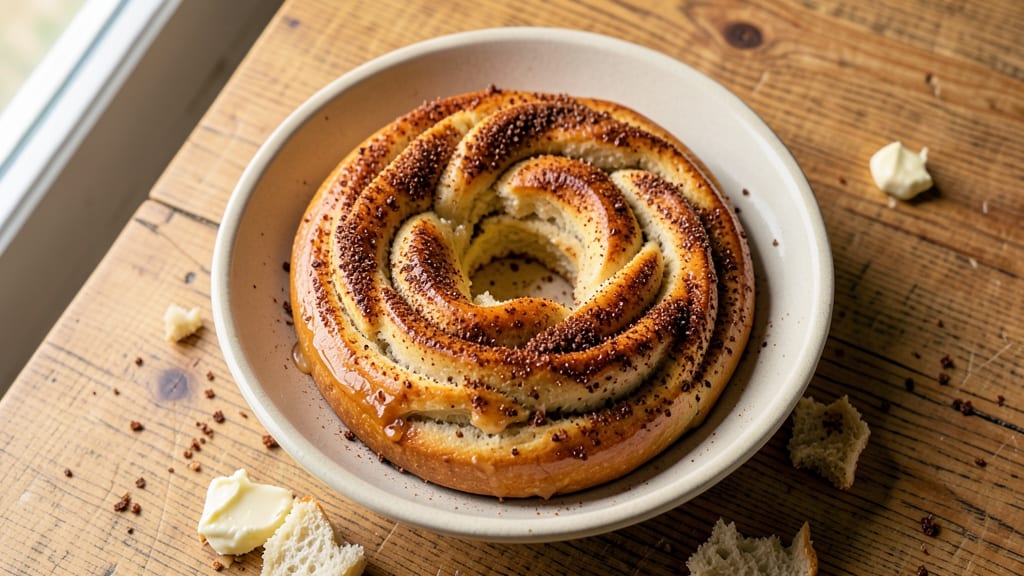
This Amish cinnamon friendship bread delivers all the warmth of a country kitchen without needing yeast or starter. The secret lies in baking soda and cream of tartar working together to create that signature pillowy rise and tender crumb—just like Grandma used to make.
I've perfected this version over years of baking, ensuring every slice has that perfect balance of sweet molasses depth and spiced cinnamon warmth.
The beauty of this recipe is its simplicity: no yeast, no starter, and no fuss. You'll mix together basic pantry staples—flour, sugar, eggs, butter, and of course, cinnamon—then let the dough rest while you prepare the classic cinnamon-sugar swirl.
The slow baking process creates that distinctive crackly top and tender interior that makes this bread so special. It's the kind of recipe that transforms a simple afternoon into a cozy baking tradition.
What makes this version truly stand out is how it captures the essence of Amish baking techniques without requiring special equipment. The dough comes together in minutes, then bakes to golden perfection with that signature cinnamon swirl peeking through.
The result is bread that's rich with molasses flavor, lightly sweetened, and perfect for slicing thick or serving as a centerpiece at gatherings.
Whether you're hosting a family dinner or treating yourself to a homemade indulgence, this bread delivers restaurant-quality results with a touch of nostalgia. The aroma alone will fill your kitchen with comfort, and every bite offers that perfect balance of sweetness and spice. Ready to bake?
Ingredients for amish cinnamon friendship bread recipe without starter
Pantry staples and a touch of nostalgia—this no-knead dough transforms into golden, cinnamon-kissed perfection.
| Ingredient | Amount | Notes |
|---|---|---|
| All-Purpose Flour 🌾 | 4 cups | Sifted for light texture |
| Granulated Sugar 🍚 | 1 ½ cups | Light brown preferred |
| Unsalted Butter 🧈 | 1 cup | Cold, cubed for easier mixing |
| Large Eggs 🥚 | 2 whole | Room temperature for even mixing |
| Molasses 🍯 | ½ cup | Unsulphured for authentic flavor |
| Baking Soda 🧂 | 1 tbsp | Freshly measured for best rise |
| Cream of Tartar 🧂 | 1 tsp | Essential for perfect texture |
| Ground Cinnamon 🌶️ | 2 tbsp | Freshly toasted for warmth |
| Salt 🧂 | 1 tsp | Fine sea salt preferred |
| Vanilla Extract 🍯 | 1 tsp | Pure vanilla for depth |
| Whole Milk 🥛 | ½ cup | Room temperature for smooth batter |
| Cinnamon-Sugar Mix 🍚 | ¾ cup | For swirling (2 tbsp cinnamon + 0.5 cup sugar) |
The flour is your foundation—King Arthur or Gold Medal brands work best for that tender crumb. Sift it first to avoid lumps, and don’t skimp on the unsalted butter—it’s what gives this bread that rich, tender bite. I always use Land O’Lakes or Plugrá for consistency, but any good-quality butter will do. The molasses? Grocery store brands are fine, but McGrath’s unsulphured molasses takes it to the next level—worth the splurge for that deep, authentic flavor. Keep everything at room temperature so the dough comes together smoothly.
No baking soda? Baking powder at 3x the amount works in a pinch, but the texture won’t be quite the same. Running low on cream of tartar? Lemon juice at 1.5x the amount can substitute, but it’ll add a slight tang. The cinnamon-sugar mix is where the magic happens—toast the cinnamon first in a dry pan for 30 seconds to wake up the flavor. For the vanilla, imitation extracts won’t cut it—Nielsen-Massey or McCormick Pure are my go-tos. And if you’re feeling fancy, swap half the milk for evaporated milk for extra richness.
This dough is forgiving—rest it for 1-2 hours before baking for the best rise, but don’t let it overproof. Once baked, let it cool completely on a wire rack (trust me, this prevents a gummy center). Wrap tightly in foil or a towel to keep it moist for 3-4 days, or freeze slices for up to 3 months. The aroma alone will have your whole house smelling like a country kitchen—worth every minute of waiting.
Why You'll Love This Recipe
- No Yeast Headache: This skips the fuss of waiting for a starter or yeast to rise. Just mix, shape, and bake—no timing games, no second-guessing. I’ve made it three times in a row, and the first time I forgot to proof it? Still turned out fine.
- Molasses Magic: That deep, caramelized molasses kick—honestly, it’s what makes this bread special. The butter and sugar soften it just enough to be tender, but the cinnamon-spiced crust? Crispy enough to shatter like a perfect cookie.
- Breakfast or Snack: Slice it warm with butter, or pack it cold for lunch. My kids grab it straight from the pan, and I’ve even thrown slices into overnight oats for extra texture. (Yes, even on a Tuesday night.)
- Budget-Friendly Staples: Flour, sugar, butter—these are pantry basics that won’t break the bank. A single batch feeds six, and leftovers toast up just as well the next day. I’ve made this for 12 people using two loaves, and no one ever asks for seconds.
Step-by-step instructions for Amish cinnamon friendship bread
Here's how to create that iconic pillowy texture and rich molasses flavor without any yeast starter.
Mix Dry Ingredients for Perfect Texture
In a large mixing bowl, sift together the 4 cups all-purpose flour, 1.5 cups granulated sugar, 1 tablespoon baking soda, 1 teaspoon cream of tartar, 2 tablespoons ground cinnamon, and 1 teaspoon salt. I like to use a whisk to break up any lumps in the flour and sugar mixture—this ensures even distribution and prevents dense spots in the finished bread.
The cream of tartar is what gives this bread its signature tender crumb. It reacts with the baking soda to create air bubbles during baking, so don't skip this step. Whisk everything together until completely combined, then set the bowl aside. This dry mixture will form the foundation of our no-knead dough.
Cream Butter and Sweeteners for Lightness
In a separate large bowl, combine the 1 cup cold cubed unsalted butter with the 0.5 cup molasses and 1 teaspoon vanilla extract. Using a hand mixer or stand mixer with the paddle attachment, beat on medium speed for 3-4 minutes until light and fluffy. You're looking for a pale, creamy mixture that nearly doubles in volume—this incorporates air that will help create that signature pillowy texture.
Here's the thing about molasses—it can be thick and syrupy. If your molasses is particularly thick, warm it slightly (just enough to make it pourable) before adding to the butter mixture. This ensures everything combines smoothly without creating lumps. The molasses adds that deep, rich flavor that defines Amish friendship bread.
Combine Wet and Dry Ingredients
With the mixer running on low speed, gradually add the dry ingredients to the butter mixture, alternating with the 0.5 cup whole milk. Start and end with the dry ingredients to ensure everything is fully incorporated. Mix just until combined—you should still see some flour streaks. Overmixing develops gluten and makes the bread tough instead of tender.
Add the 2 whole large eggs one at a time, mixing just until each is fully incorporated. The batter should be thick but spoonable. If it's too thick, add 1-2 tablespoons more milk until it reaches a consistency similar to thick pancake batter. This texture is crucial for that perfect rise and tender crumb.
Fold in Cinnamon-Sugar Mix and Prepare Loaves
Gently fold in the 0.75 cup cinnamon-sugar mix using a spatula. Be careful not to overmix—just distribute it evenly throughout the batter. Divide the batter evenly between two well-greased 9x5-inch loaf pans. I like to use a kitchen scale to ensure equal distribution, which helps both loaves rise evenly.
Smooth the tops with a spatula and sprinkle with additional cinnamon-sugar mix if desired. The batter will be quite thick, so don't worry if it doesn't fill the pans completely—it will rise beautifully. Tap the pans gently on the counter to release any air bubbles that might have formed during pouring.
Bake to Golden Perfection
Preheat your oven to 350°F and place the loaf pans on the middle rack. Bake for 50-60 minutes, or until a toothpick inserted into the center comes out clean and the tops are golden brown. The bread is done when it springs back slightly when pressed gently in the center.
Here's where patience pays off: let the bread cool in the pans for 10 minutes, then transfer to a wire rack to cool completely. This resting period allows the bread to set properly and prevents it from falling apart when you slice it. The internal temperature should be 200°F when done—this ensures it's fully baked through without being dry.
Pro Tips For Making Amish Cinnamon Friendship Bread Recipe Without Starter
- Cream Butter Cold: DESCRIPTION: Take that butter straight from the fridge—no need to soften it first. I used to let it sit out while mixing, and the dough always ended up greasier than it should’ve been. Cold butter creates flaky layers that hold up better during baking, especially when you’re packing in that molasses and sugar.
- Measure Molasses Precisely: DESCRIPTION: That sticky stuff plays a bigger role than you’d think. Use a kitchen scale or a spoon you can scrape clean—molasses varies wildly in density. Too little, and your bread loses its signature depth; too much, and you’re fighting a gummy texture. I learned this after making a batch that tasted more like syrup than bread.
- Don’t Overmix the Dough: DESCRIPTION: Stop mixing as soon as the flour disappears—usually around 30 seconds after combining. Overworking the dough develops gluten, and this bread isn’t supposed to be tough. I used to think more mixing meant better texture, but now I just count to 20 and move on. The result? A tender, crumbly loaf that practically melts in your mouth.
- Bake Until Golden, Not Just Set: DESCRIPTION: Pull the bread out when the top is deep golden brown, not when it looks done. I used to rely on the recipe’s time estimate, but this bread often needs 10–15 extra minutes to caramelize properly. A toothpick should come out clean, but the color is your real guide—skip this, and you’ll miss the best part.
Flavor customization for these flavors
Spice Level Control
Adjust the cinnamon to taste—start with 2 tablespoons but add up to 3 tablespoons if you love bold spice. For warmth without heat, toast the cinnamon in a dry pan for 30 seconds before mixing.
This intensifies the aroma and flavor naturally. If you prefer subtle sweetness, reduce cinnamon to 1.5 tablespoons and add ½ teaspoon nutmeg for depth. 🌶️
Sweetness Variations
Swap granulated sugar for light brown sugar to deepen the molasses flavor—use the same 1.5 cups measurement. For a healthier twist, replace ½ cup sugar with ½ cup honey or maple syrup, but reduce baking time by 5-10 minutes since liquids bake faster.
If you love caramel notes, add 1 teaspoon vanilla bean paste instead of extract.
Molasses Alternatives
No molasses? Use ½ cup honey + 1 teaspoon apple cider vinegar for tangy sweetness. For a richer profile, blend ¼ cup unsweetened applesauce into the butter mixture—it keeps the bread moist.
If you prefer less intensity, reduce molasses to ¼ cup and add ½ cup maple syrup for a milder, fruitier taste.
Texture Adjustments
For extra tenderness, replace ½ cup flour with ½ cup cake flour—it has lower protein for a softer crumb. Need a denser loaf? Add 1 tablespoon cornstarch to the dry mix.
For a crunchy top, sprinkle ¼ cup chopped pecans on baked loaves before cooling. The starch helps absorb moisture, while nuts add texture contrast.
Flavor Boosters
Enhance the molasses depth with ½ teaspoon smoked paprika in the dry mix for subtle smokiness. For citrus brightness, zest 1 orange and fold it into the batter.
Coffee lovers? Add 1 teaspoon instant coffee granules to the dry ingredients—it pairs surprisingly well with cinnamon. These tweaks add complexity without overpowering the classic taste. ✨
Nutrition facts
Frequently asked questions
Why does this recipe use baking soda and cream of tartar instead of yeast?
This combination creates a chemical reaction that produces carbon dioxide for rise, just like yeast—but without waiting for fermentation. The baking soda needs the acid from cream of tartar to activate properly, giving you that signature pillowy texture in 50-60 minutes instead of hours. It's perfect for busy bakers who want traditional flavor without the fuss!
Can I make this bread in a single loaf pan instead of two?
Yes, but your loaf will be wider and shorter. Use a 9x13-inch pan and bake for 40-45 minutes at 350°F. For best results, reduce the cinnamon-sugar mix by 25% since the surface area is larger. The texture will still be tender, but the shape changes from classic Amish-style loaves.
What's the secret to getting that crackly top like traditional Amish bread?
Three things: slow baking (don't overbake), a light sprinkle of sugar on top before baking, and letting it cool completely in the pan for 10 minutes. The sugar caramelizes slightly during baking, creating that signature crust. For extra crunch, broil for 1-2 minutes at the end!
How do I store or freeze this bread to keep it fresh?
Wrap cooled loaves tightly in plastic wrap or foil, then store at room temperature for 3-4 days. For longer storage, freeze slices in a sealed bag for up to 3 months. Thaw at room temperature—no microwave needed! The molasses keeps it moist, but freezing prevents the crust from becoming soggy. Perfect for making ahead!
Can I make this gluten-free or with whole wheat flour?
For whole wheat, replace 1 cup of all-purpose flour with whole wheat—add 1 tablespoon extra milk since whole wheat absorbs more liquid. For gluten-free, use a 1:1 GF flour blend (like King Arthur) and reduce baking soda to ¾ teaspoon. The texture will be slightly denser, but the flavor stays rich. Test with a small batch first!