Side Dishes
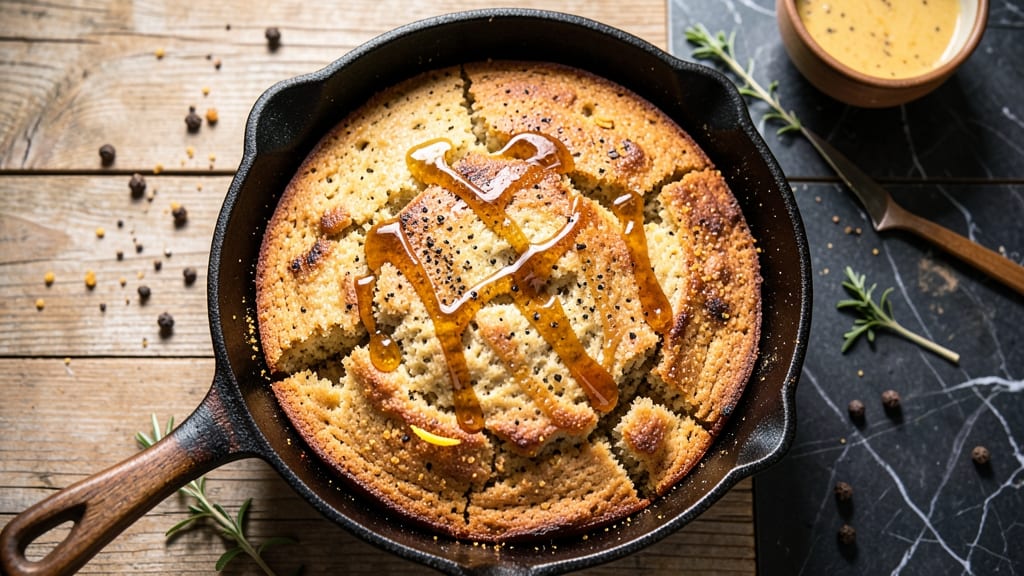
This Amish corn bread recipe delivers the perfect balance of a golden crust and a tender, crumbly interior with just the right amount of sweetness.
The secret lies in the right blend of cornmeal and flour, combined with a touch of honey that enhances the natural corn flavor without overpowering it. I’ve perfected this recipe over years of baking, ensuring it’s foolproof for both beginners and seasoned bakers alike.
The beauty of this recipe is its simplicity—just a handful of ingredients, minimal prep, and 30 minutes in the oven at 375°F. The wet ingredients (eggs, milk, and butter) create a moist crumb, while the baking powder ensures a light, airy texture.
What makes it truly special is the way the crust turns a beautiful golden brown, offering that satisfying crunch with every bite.
Once baked, the possibilities are endless. Serve it warm with a pat of butter, drizzle it with honey for extra sweetness, or pair it with chili for a hearty meal.
The slightly sweet, rustic flavor makes it a crowd-pleaser, whether you're hosting a family dinner or simply craving a comforting side dish.
Ready to bake? This recipe is designed to be easy, reliable, and delicious, with optional variations like adding jalapeños for a kick or a honey glaze for extra indulgence. Let’s get started on creating the perfect batch of Amish corn bread.
Ingredients for amish corn bread
Nine simple ingredients transform into rustic Amish corn bread with a golden crust and tender crumb.
| Ingredient | Amount | Notes |
|---|---|---|
| Medium-Grain Cornmeal 🌽 | 2 cups | Stone-ground preferred for texture |
| All-Purpose Flour 🌾 | 1 cup | White or whole wheat blend |
| Granulated Sugar 🍯 | ¼ cup | Light brown sugar for depth |
| Baking Powder 🧂 | 2 tsp | Double-acting for best rise |
| Salt 🧂 | ½ tsp | Kosher or sea salt |
| Large Eggs 🥚 | 2 whole | Room temperature for even baking |
| Unsalted Butter 🧈 | ½ cup | Cold, cubed for even distribution |
| Milk 🥛 | 1 cup | Whole milk for creaminess |
| Pure Honey 🍯 | ¼ cup | Wildflower or clover preferred |
| Vanilla Extract 🌸 | 1 tsp | Pure vanilla for authentic flavor |
The cornmeal is non-negotiable—stone-ground from Bob's Red Mill gives that authentic texture. If you can't find it, medium-ground works too, but expect a slightly denser crumb. The baking powder should be fresh (check the date—old powder won't rise). For the honey, local varieties add subtle floral notes, but store-bought works fine. The butter matters here—use European-style if you want extra richness, but regular unsalted butter delivers reliable results. Most grocery stores carry all these staples, but specialty baking sections often have better quality cornmeal.
No cornmeal? A 1:1 swap with fine yellow cornmeal keeps the flavor, though texture will differ slightly. Short on honey? Maple syrup or agave at the same amount works in a pinch (though flavor shifts). The vanilla extract can be omitted if needed, but the honey already carries sweetness—no need to double up. For a savory version, swap the honey for buttermilk and add 1 tsp apple cider vinegar. The milk can be any kind, but whole milk gives the best crumb. If you're making this ahead, the dry ingredients can be mixed and stored for up to 1 week in an airtight container.
Prep the dry ingredients first—they keep for 3 months in a cool, dark place. The wet ingredients (butter, eggs, milk) should be mixed just before baking for the best texture. Once baked, the corn bread stays fresh for 2 days at room temperature, but it reheats beautifully—wrap slices in foil and warm for 10 minutes at 350°F. For longer storage, freeze sliced portions for up to 3 months. The golden crust is best enjoyed fresh, but the crumb softens nicely when reheated.
Why You'll Love This Recipe
- No-Fuss Mixing: I swear by this recipe because it’s literally just stirring. The cornmeal and flour blend together so fast—no sifting, no weird ratios—just crack the eggs, pour the milk, and fold in a touch of sugar. My hands are always sticky, but my mouth isn’t.
- Sweet-Savory Magic: That little pinch of sugar in the batter? It’s the secret. The cornmeal gives it a nutty depth, while the baking powder makes it light as a cloud—crisp on the outside, tender inside. It’s the kind of bread that makes you take an extra bite just to savor it.
- Breakfast to Dinner: Honestly, this stuff works everywhere. Tear it into a bowl for chili, use it to sop up gravy, or serve it warm with honey at brunch. My kids even ask for it cold in their lunchboxes—yes, even on a Tuesday.
- Pantry Goldmine: Between us, this recipe is cheap. A bag of cornmeal lasts forever, and the rest? Basic staples. Plus, it reheats like a dream—just pop slices in the oven for 5 minutes, and it’s fresh again. Budget-friendly doesn’t get better than this.
Step-by-step instructions for Amish corn bread
Here's how to achieve that signature Amish corn bread texture—crisp golden crust and tender crumb infused with honeyed sweetness.
Mix Dry Ingredients for Even Distribution
In a medium bowl, whisk together the 2 cups medium-grain cornmeal, 1 cup all-purpose flour, 0.25 cup granulated sugar, 2 teaspoons baking powder, and 0.5 teaspoon salt. I use a whisk to break up any cornmeal lumps, ensuring everything is evenly distributed before adding liquids. This step creates a fine, aerated base that will give your corn bread that signature tender crumb.
The reason we sift or whisk the dry ingredients first is to prevent dense pockets in the finished bread. You'll notice the cornmeal is heavier than flour, so thorough mixing here prevents a gummy texture. Set this bowl aside while you prepare the wet ingredients—this keeps your workspace organized and prevents cross-contamination.
Combine Wet Ingredients for Smooth Batter
In a separate large bowl, melt the 0.5 cup unsalted butter in the microwave in 30-second intervals, stirring between each, until completely melted but not hot. Add the 1 cup milk, 0.25 cup pure honey, 1 teaspoon vanilla extract, and the 2 whole large eggs (room temperature). Whisk vigorously until the mixture is completely smooth and homogeneous.
I like to use room-temperature eggs because they blend more easily with the other wet ingredients, preventing streaks in the batter. The honey should be fully incorporated—you'll see the mixture thicken slightly as the butter cools. This is your flavor foundation, so don't rush this step. The batter should be smooth enough to pour easily but still have enough body to hold its shape when baked.
Gradually Combine Wet and Dry Ingredients
With the mixer on low speed, gradually add the dry ingredients to the wet mixture. I use a spatula to scrape down the sides of the bowl as I mix, ensuring no dry pockets remain. Mix just until combined—you should still see some cornmeal flecks, but the batter should hold together when dropped from a spoon.
Overmixing develops gluten, which can make the corn bread dense rather than tender. The ideal consistency is like a thick pancake batter—it should coat the back of a spoon but still hold its shape. If the batter appears too thick, add 1-2 tablespoons of milk to loosen it slightly. This step is critical for achieving that perfect Amish corn bread texture without being cakey.
Bake for Crispy Edges and Tender Crumb
Preheat your oven to 425°F and lightly grease an 8-inch cast iron skillet or ceramic baking dish. Pour the batter into the prepared pan and smooth the top with a spatula. Bake for 18-22 minutes until the edges are deep golden brown and a toothpick inserted in the center comes out clean.
I always bake this at high heat to achieve that signature crisp crust while keeping the interior tender. The corn bread is done when it springs back slightly when pressed in the center and has developed a rich caramelized color. If your oven runs hot, you may need to reduce the time slightly—watch closely after 18 minutes to avoid overbaking. The internal temperature should reach 190-195°F for perfect doneness.
Rest and Serve for Optimal Texture
Remove the corn bread from the oven and let it cool in the pan for 5 minutes. Then transfer to a wire rack to cool completely. This resting period allows the crumb to set properly, preventing a gummy texture. I find the corn bread tastes even better after it's had time to cool slightly—this is when the flavors truly meld together.
Slice into 6 equal wedges for serving. The exterior should be crisp and golden, while the interior remains tender with just the right amount of toothsome texture. The honey adds a subtle sweetness that pairs beautifully with savory dishes or as a standalone treat. Serve warm with butter or honey for the ultimate Amish corn bread experience.
Pro Tips For Making Amish Corn Bread
- Mix Dry Ingredients First: I learned this the hard way—adding wet ingredients to cornmeal before the dry stuff gets clumpy, and you end up with a dense brick instead of tender crumb. Whisk flour, cornmeal, sugar, baking powder, and salt together thoroughly in a bowl before pouring in the milk or buttermilk. This ensures even distribution, especially with the baking powder, so every bite rises properly.
- Use Hot Liquid: Cold milk makes Amish cornbread gummy. Heat your milk or buttermilk to about 110°F (just warm to the touch) before mixing it with the dry ingredients—this activates the baking powder faster and guarantees a lighter texture. (Yes, even if you're impatient like me, skip the cold shortcut.)
- Don’t Overmix: The moment you see streaks of flour in the batter, stop stirring. Overmixing develops gluten, turning your cornbread into a tough, cake-like disaster. Use a rubber spatula and fold just until combined—about 10-12 strokes max. The batter will look shaggy, but that’s how you get that classic Amish crumb.
- Grease the Pan Well: Amish cornbread sticks like glue to cast iron or skillets. Brush the pan with melted butter or oil and sprinkle a thin layer of cornmeal on the bottom before pouring in the batter—this creates a barrier that prevents sticking without absorbing too much moisture. (Pro move: Use a paper towel to wipe off excess grease after brushing to avoid a greasy crust.)
Pro cooking tips for this recipe
Butter Matters Most
Using cold, cubed butter instead of melted creates tiny pockets of steam during baking, which gives Amish corn bread its signature tender crumb. I always use European-style unsalted butter (like Plugrá) because it has a higher fat content—about 82-86%—that enhances richness.
If you only have regular butter, no worries: just cube it and let it soften slightly at room temperature before mixing. Never use margarine or low-fat spreads—they lack the fat needed for that perfect texture. 🧈
Honey's Role Beyond Sweetness
The ¼ cup honey isn't just for sweetness—it adds moisture and helps create that golden crust through caramelization. I prefer wildflower honey for its floral notes, but any pure honey works.
For a deeper flavor, warm the honey slightly before mixing (just 30 seconds in the microwave) to help it blend smoothly. If you're making a savory version, replace the honey with 1 tablespoon apple cider vinegar plus ¼ cup buttermilk for tangy depth.
High Heat for Crispy Edges
Baking at 425°F (not the typical 375°F) gives that signature crisp crust while keeping the interior tender. I use an 8-inch cast iron skillet because it conducts heat evenly and creates a perfect caramelized bottom crust.
If you don't have cast iron, a ceramic baking dish works too—just make sure it's well-greased. The corn bread is done when the edges are deep golden brown and a toothpick comes out clean (usually 18-22 minutes). Overbaking dries it out, so watch closely after 18 minutes.
Resting Prevents Gummy Texture
Letting the corn bread rest for 5 minutes in the pan after baking allows the crumb to set properly. This is crucial—skipping this step often results in a gummy interior. After resting, transfer to a wire rack to cool completely.
The flavors develop more during this time, and the crust becomes even crispier. I like to slice it into 6 wedges for serving, which makes it easy to share and pair perfectly with butter or honey. 🍯
Mixing Technique Secrets
When combining wet and dry ingredients, mix just until combined—overmixing develops gluten, which makes the corn bread dense. The ideal batter should be thick enough to hold its shape but still pour easily. I use a hand mixer on low speed to avoid aerating too much.
If the batter seems too thick, add 1-2 tablespoons of milk to loosen it slightly. The goal is a consistency like thick pancake batter, not cake batter.
Cast Iron Advantages
Cast iron isn't just for skillets—it's perfect for Amish corn bread because it retains heat exceptionally well, creating that crisp crust while keeping the interior tender. If you don't own cast iron, a ceramic baking dish works well too.
Just grease it thoroughly with butter or oil to prevent sticking. For extra crispiness, I sometimes sprinkle a pinch of cornmeal on the greased pan before pouring the batter. This creates a textured bottom crust that's irresistible. ✨
Nutrition facts
Frequently asked questions
Why does Amish corn bread have a golden crust but tender crumb?
The secret lies in the high-heat baking (425°F) combined with cold cubed butter and honey. The butter creates steam pockets for tenderness while the honey caramelizes for that signature golden crust. The cornmeal adds texture, and baking powder ensures a light rise—all working together for that perfect contrast.
Can I make this recipe without cornmeal?
For best results, use medium-ground cornmeal—it's essential for authentic texture. If you must substitute, try a 1:1 swap with fine yellow cornmeal, but expect a slightly denser crumb. The recipe won't work well with cornstarch or flour alone—they lack the corn flavor and texture that define this dish.
How do I store leftover Amish corn bread?
Keep it fresh for 2 days at room temperature wrapped in foil, or refrigerate for up to 5 days. For longer storage, freeze slices in an airtight container for 3 months. To reheat, wrap a slice in foil and warm at 350°F for 10 minutes—this restores that crispy crust. The crumb stays tender when reheated properly.
What's the best way to serve this corn bread?
Warm slices with a pat of softened butter or drizzle with honey for sweetness. It pairs perfectly with chili, BBQ, or as a side for fried chicken. For a savory twist, add diced jalapeños to the batter before baking. The golden crust makes it great for dipping too!
Why did my corn bread turn out dense instead of tender?
Overmixing develops gluten, making it dense. Mix just until combined—stop when you see cornmeal flecks. Also check your baking powder (must be fresh) and don't overbake. If the batter was too thick, add 1-2 tablespoons milk** before baking. The ideal consistency is like thick pancake batter.