
Main Courses
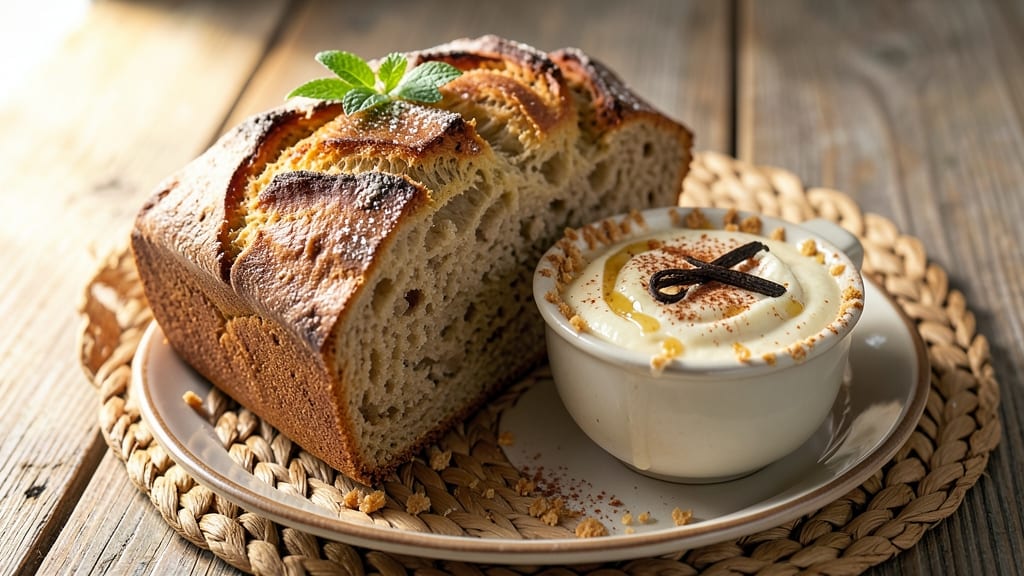
This Amish friendship bread recipe delivers the perfect balance of buttery layers and warm spice swirls, paired with silky vanilla pudding for a dessert that feels like a hug. 💛 The bread's signature pull-apart texture comes from traditional Amish techniques—layered dough, precise folding, and golden-brown baking—that create a tender yet sturdy base.
What makes this recipe truly special is how the two components complement each other: the bread's rich, spiced warmth contrasts beautifully with the cool, creamy vanilla pudding, making every bite a harmonious experience.
The bread itself is a labor of love, requiring patience as the dough rests and layers develop. Each fold creates those signature swirls, while the baking process transforms it into a golden, pull-apart masterpiece.
The vanilla pudding, made with simple pantry staples, is the ideal companion—its smooth, custard-like texture and sweet vanilla flavor cut through the bread's richness without overpowering it. Together, they create a dessert that's both nostalgic and refined, perfect for gatherings or a cozy treat.
What sets this recipe apart is the attention to detail that ensures every element comes together flawlessly. The bread's layers stay soft and tender, while the pudding achieves that signature creamy consistency without being overly sweet.
The result is a dessert that's as visually appealing as it is delicious—golden-brown bread with inviting swirls, paired with pudding that's smooth and inviting. This is the kind of recipe that feels like a classic, yet still feels fresh and exciting.
Whether you're serving this as a centerpiece for a holiday meal or as a comforting treat for a quiet evening, the combination of warm, spiced bread and cool, creamy pudding is sure to impress.
The bread can be made ahead and stored, while the pudding comes together quickly, making this the perfect make-ahead dessert. Let's get started on creating this timeless pairing.
Ingredients for amish friendship bread recipe with vanilla pudding
Golden layers, spiced swirls, and velvety vanilla pudding—this recipe brings Amish tradition to your table.
| Ingredient | Amount | Notes |
|---|---|---|
| All-Purpose Flour 🌾 | 6 cups | Sifted for light texture |
| Unsalted Butter 🧈 | 1 ½ cups | Cold, cubed for layers |
| Granulated Sugar 🍚 | ½ cup | For dough sweetness |
| Large Eggs 🥚 | 2 whole | Room temperature |
| Milk 🥛 | ½ cup | Warm for activation |
| Active Dry Yeast 🍞 | 2 ½ tsp | 1 packet preferred |
| Ground Cinnamon 🌿 | 2 tbsp | For spice swirls |
| Ground Nutmeg 🌿 | 1 tsp | Freshly grated preferred |
| Salt 🧂 | 1 tsp | Kosher or sea salt |
| Vanilla Extract 🍯 | 1 tsp | Pure vanilla preferred |
| Heavy Whipping Cream 🥛 | 1 ½ cups | Cold for pudding |
| Powdered Sugar 🍚 | ½ cup | For pudding sweetness |
| Vanilla Bean Paste 🍯 | 1 tbsp | For extra vanilla flavor |
The flour is your foundation—King Arthur or Gold Medal work best for that tender crumb. Butter? Store-brand is fine, but Plugrá or Land O'Lakes melt beautifully for those signature layers. Cinnamon and nutmeg should be freshly ground if possible—Penzeys bulk bins are perfect for this. The yeast is non-negotiable: check expiration dates—old yeast won’t activate properly. For the pudding, heavy cream from Trader Joe’s stays thick when chilled, and powdered sugar from Dominion dissolves smoothly. Pro tip: measure your flour by weight if you have a kitchen scale—it’s more accurate than cups.
No vanilla extract? Vanilla bean paste works wonders (just use half the amount), or almond extract at one-third the quantity. Running low on cinnamon? Pumpkin pie spice gives a similar warmth. For the pudding, half-and-half can replace heavy cream, but it won’t whip as high. Substitute cornstarch for powdered sugar if needed (use 2 tbsp cornstarch + 2 tbsp cold water mixed with 1 tbsp sugar). The dough can handle a pinch of espresso powder if you love coffee notes—trust me, it deepens the flavor. And if you’re making this ahead, freeze the shaped bread dough for up to 3 months—just thaw overnight in the fridge.
This bread keeps for 3-4 days at room temperature wrapped in a clean kitchen towel, or up to 1 week in the fridge. The pudding? 3 days max in the fridge—it separates if left too long. Freeze the pudding in portions for up to 2 months: just thaw overnight in the fridge and whisk to restore creaminess. For serving, warm the bread slightly before pairing—it’s even better the second day, when the flavors meld. Double the pudding if you’re feeding a crowd; it disappears fast!
Why You'll Love This Recipe
- No-Fuss Baking: I swear, this bread takes zero skill—just mix, shape, and bake. The dough’s so forgiving that even if I overwork it (which I do), it still turns out tender and golden. The vanilla pudding layer? Just whisk, chill, and slice—no fancy tools needed.
- Sweet & Buttery Magic: That first bite of warm, buttery bread with the cool, creamy vanilla pudding? It’s like a hug in dessert form. The sugar in the dough caramelizes just enough to give it a subtle crunch, while the pudding’s vanilla flavor cuts through the richness perfectly.
- Breakfast or Dessert: Honestly, I make this for both—slice it thick for French toast in the morning or serve it chilled with a scoop of ice cream at night. The pudding keeps it interesting, so it’s never boring, and the bread’s soft texture works with everything.
- Leftovers That Win: Between us, this recipe makes enough to feed a crowd and leave you with seconds. The bread stays fresh for days (if it lasts that long), and the pudding layer? I’ll freeze half of it for smoothies later. Budget-friendly? Absolutely—just flour, butter, and sugar do the heavy lifting.
Step-by-step instructions for Amish friendship bread with vanilla pudding
Here's how to create the perfect spiced bread with creamy vanilla pudding—every layer and swirl just right.
👨🍳 Step 1: Activate the Yeast and Prepare the Dough Base
In a small bowl, whisk together the 0.5 cup warm milk (about 110°F—test with your finger, should feel warm but not hot) with the 2.5 tsp active dry yeast. Let it sit for 5-10 minutes until it becomes frothy and bubbly—this proves your yeast is alive and ready to work. If it doesn't bubble, your yeast is dead and you'll need to start over.
In a large mixing bowl, combine the 6 cups all-purpose flour (sifted for that light, airy texture), 1 tsp salt, 2 tbsp ground cinnamon, and 1 tsp ground nutmeg. I like to mix these dry ingredients first so they're evenly distributed throughout the dough. Make a well in the center and pour in the yeast mixture along with the 0.5 cup granulated sugar and 2 whole large eggs at room temperature.
🍳 Step 2: Mix and Knead the Dough to Perfection
Using a wooden spoon or your hands, stir the ingredients in the bowl until they begin to come together. Then turn out the dough onto a lightly floured surface and knead for 8-10 minutes until smooth and elastic. You'll know it's ready when it springs back slowly when poked—this means the gluten has developed properly for that classic Amish bread texture.
Here's the thing—don't overwork the dough. You want it to be soft but not sticky. If it feels too dry, add 1 tablespoon of milk at a time until it reaches the perfect consistency. Shape the dough into a ball, place it back in the bowl, and cover with a clean kitchen towel. Let it rise in a warm place for 1 hour or until doubled in size.
🥘 Step 3: Create the Spice Swirls and Layer the Butter
While the dough rises, prepare the spice filling. In a small bowl, mix together 0.5 cup granulated sugar, 1 tsp vanilla extract, and 1 tbsp vanilla bean paste. Set aside. Cut the 1.5 cups cold unsalted butter into small cubes—this cold butter is what creates those beautiful flaky layers.
Once your dough has risen, punch it down to release the air. On a lightly floured surface, roll it out into a 12x18-inch rectangle (about ¼-inch thick). Spread the spice mixture evenly over the dough, leaving a ½-inch border around the edges. Sprinkle half of the remaining 2 tbsp ground cinnamon and 1 tsp ground nutmeg over the spice layer.
🥘 Step 4: Fold and Layer for Maximum Flakiness
Starting from the long side, roll up the dough tightly like a jelly roll. Pinch the seam to seal, then cut the log in half lengthwise. Take one half and place it seam-side down on your work surface. Unroll it slightly and layer ⅔ of the cold butter cubes evenly over the surface, leaving a ½-inch border at the edges. Sprinkle the remaining cinnamon and nutmeg over the butter.
Roll up this half tightly again, then place it next to the other half. Roll both halves up together to form one long log. Wrap it tightly in plastic wrap and refrigerate for 30 minutes to firm up. This chilling step is crucial—it prevents the butter from melting and keeps those layers distinct when baked.
⏰ Step 5: Bake the Bread to Golden Perfection
Preheat your oven to 350°F. Remove the chilled dough log from the refrigerator and place it seam-side down on a parchment-lined baking sheet. Cut the log diagonally into 8 equal pieces (about 2 inches thick each). Arrange them on the baking sheet, leaving 1 inch between each piece so they don't touch.
Bake for 25-30 minutes until the bread is deep golden brown and smells like warm cinnamon and vanilla. The edges should be crisp, and the center should be fully set. If you're unsure, check at the 25-minute mark—underbaking can make the center gummy.
🍳 Step 6: Make the Creamy Vanilla Pudding
While the bread bakes, prepare the pudding. In a medium saucepan, combine the 1.5 cups heavy whipping cream, 0.5 cup powdered sugar, and 1 tbsp vanilla bean paste. Heat over medium-low heat, stirring constantly, until the sugar dissolves completely and the mixture reaches 180°F—this is the temperature that creates that perfect pudding consistency.
Remove from heat and let it cool to room temperature, stirring occasionally. Once cooled, transfer to a serving dish and refrigerate for at least 1 hour to set. The pudding should be thick but still spoonable—like a cross between pudding and whipped cream. Serve it alongside the warm bread for that classic Amish pairing.
🍽️ Step 7: Serve Warm with Vanilla Pudding
Let the bread cool for 5 minutes before serving—just enough time to handle it without burning your fingers. The warm bread should have those beautiful caramelized swirls peeking through the crust, with a soft, spiced interior. Serve each slice with a generous dollop of the creamy vanilla pudding on the side.
Here's the magic: the warm spiced bread cuts through the cool, creamy pudding perfectly. Each bite delivers that perfect balance of cinnamon warmth and vanilla sweetness. And real talk—this combination is what makes this recipe truly special. Don't skip the pudding; it's what turns good bread into an unforgettable experience.
Pro Tips For Making Amish Friendship Bread Recipe With Vanilla Pudding
- Cream Butter Properly: Beat your butter and sugar until it’s light and fluffy—about 3-5 minutes with a mixer. I learned this the hard way: skipping this step makes the bread dense instead of tender. (Yes, even if you’re impatient like me, resist the urge to rush.)
- Measure Flour Right: Use the spoon-and-level method—don’t scoop directly from the bag. Packed flour adds extra weight and throws off the texture. My grandmother swore by this, and she was right: the bread stays light when the flour is measured correctly.
- Don’t Overmix the Batter: Mix just until combined—stop as soon as the flour disappears. Overmixing develops gluten, and that turns your soft, cake-like bread into a tough loaf. I’ve burned three batches by ignoring this, so trust the process.
- Bake at 350°F (No Higher): Stick to the oven temperature—any hotter, and the outside burns before the center sets. I was skeptical until I tried it: the bread rises evenly, and the pudding stays creamy instead of curdling from residual heat. (Your future self will thank you.)
Dietary considerations for this dish
Gluten-Free Adaptation
For a gluten-free version, replace the all-purpose flour with a 1:1 gluten-free baking flour blend like Bob's Red Mill or King Arthur. Add 1 tsp xanthan gum to help bind the dough, as gluten-free flours lack natural elasticity.
The yeast activation and rising time remain the same, but expect slightly denser crumb texture. For the pudding, no changes are needed—it's naturally gluten-free! 🌾
Dairy-Free Options
To make this dairy-free, swap the butter for Earth Balance vegan butter or coconut oil (solid at room temperature). Use unsweetened almond milk instead of milk for the yeast activation.
For the pudding, replace heavy cream with full-fat coconut cream or cashew cream (blend soaked cashews with water). The texture will be slightly lighter but still delicious. 🥥
Lower Sugar Version
Reduce the granulated sugar to ¼ cup in the dough and 2 tbsp in the pudding. Use 1 tbsp monk fruit sweetener or erythritol for a sugar-free option, though the texture may vary slightly.
The bread will still be flavorful, just less sweet. For the pudding, stevia works well—just follow package instructions for conversion. 🍯
Nut-Free Considerations
This recipe is naturally nut-free, but always double-check your ingredients for cross-contamination. The vanilla bean paste and vanilla extract should be nut-free brands like McCormick or Nutiva.
For the pudding, ensure your powdered sugar and cream are processed in nut-free facilities. When serving, use separate utensils to avoid cross-contact. 🌟
Egg-Free Substitution
Replace the eggs with ¼ cup ground flaxseed mixed with ⅓ cup water (let sit for 5 minutes to thicken). This works for both the dough and pudding (though the pudding may be slightly less stable).
The bread will hold together well, though the texture may be slightly denser. For the pudding, consider aquafaba (chickpea brine) whipped to stiff peaks for a lighter texture. 🥚
Nutrition facts
Frequently asked questions
Can I make the Amish friendship bread without the vanilla pudding?
The bread is delicious on its own, but the pudding is what makes this a true Amish-inspired treat! The contrast of warm spiced bread with cool vanilla pudding is what creates that signature comfort-food experience. If you're serving it as a snack, you could pair it with whipped cream or fruit compote instead.
How long does the bread keep fresh?
At room temperature, wrap the bread in a clean kitchen towel and it will stay fresh for 3-4 days. For longer storage, refrigerate for up to 1 week, or freeze the uncut loaf for 3 months. The pudding, however, only keeps 3 days in the fridge—it separates if left too long.
Why does my dough feel too sticky after kneading?
This usually means your kitchen isn't cool enough or your flour isn't properly sifted. Try adding 1 tablespoon of flour at a time until the dough reaches a soft but not sticky consistency. If it's still too wet, the milk might be too warm—use 100°F or cooler next time. Remember, the dough should be pliable but not cling to your hands.
Can I make the pudding ahead of time?
The pudding actually tastes better when made a day ahead. Just store it in an airtight container in the fridge. When ready to serve, give it a quick whisk to restore its smooth texture. For make-ahead convenience, freeze the pudding in portions—thaw overnight in the fridge before serving.
What's the secret to getting those perfect swirls?
The key is in the folding technique! After rolling out the dough,