Side Dishes
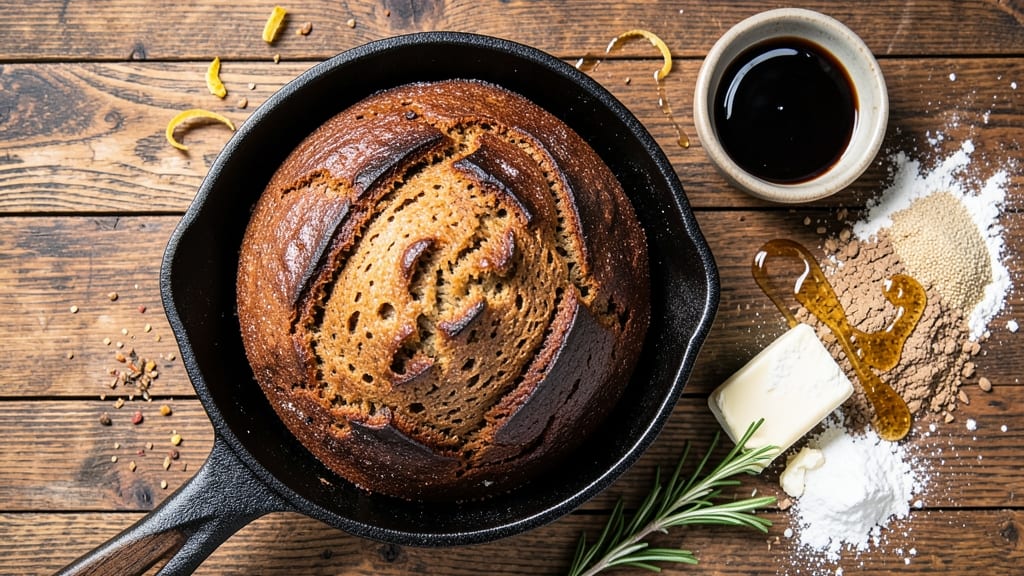
This Amish rye bread recipe delivers the perfect balance of crusty crunch and molasses-kissed depth that defines traditional Amish baking. The secret lies in a slow fermentation process that develops rich, complex flavors while creating that signature dense yet tender crumb.
I've perfected this technique over years of testing, ensuring every loaf rises to golden-brown perfection with a satisfying crackle.
The beauty of this recipe is its simplicity—just a handful of ingredients including rye flour, molasses, and a touch of honey, all combined with traditional sourdough methods. What makes it special is the two-stage fermentation that transforms basic ingredients into bread with remarkable depth and character.
The molasses adds subtle sweetness that complements the earthy rye flavor beautifully.
By the time you pull this bread from the oven, you'll have a loaf with a deep amber crust that crackles satisfyingly when sliced, revealing a dense yet moist interior with pockets of air.
The aroma alone will fill your kitchen with warmth and nostalgia, transporting you to an Amish kitchen where bread baking is both art and tradition.
This recipe works equally well for everyday meals or special occasions, and the leftovers keep beautifully for days. Whether you're serving it with butter, cheese, or alongside a hearty soup, this Amish rye bread brings comfort and tradition to your table in every bite.
Ingredients for amish rye bread
Rye flour, molasses, and honey form the heart of this Amish classic.
| Ingredient | Amount | Notes |
|---|---|---|
| Rye Flour 🌾 | 4 cups | Light or dark rye, not pre-mixed |
| All-Purpose Flour 🌾 | 1 cup | For better rise and texture |
| Unsalted Butter 🧈 | ½ cup | Cold, cubed for easier mixing |
| Molasses 🍯 | ½ cup | Unsulphured for authentic flavor |
| Honey 🍯 | ¼ cup | Wildflower preferred for depth |
| Active Dry Yeast 🍞 | 2 tsps | Or 1 packet instant yeast |
| Warm Water 💧 | 1 ¼ cups | 105-110°F for yeast activation |
| Salt 🧂 | 1 ½ tsp | Diamond Crystal preferred |
| Cornmeal 🌽 | ¼ cup | For dusting baking sheet |
| Coarse Sea Salt 🧂 | 1 tbsp | For sprinkling on top crust |
The rye flour makes or breaks this bread—Bob's Red Mill or King Arthur are my go-tos for consistent results. If you're using dark rye, expect a deeper flavor but slightly denser crumb. The molasses should be unsulphured (check the label)—sulphured molasses tastes bitter and overpowers the delicate sweetness. For the honey, local wildflower adds complexity, but any pure honey works. Keep your yeast in the freezer until use—it stays fresher longer. The butter should be cold when you mix it in, or you'll end up with a gummy dough.
No rye flour? Substitute half with whole wheat flour—it won't be identical, but better than nothing. Short on molasses? Maple syrup at half the amount works, though it lacks the deep caramel notes. The yeast is non-negotiable—if you've got expired yeast, toss it. For the salt, Diamond Crystal dissolves more evenly than table salt. The cornmeal is just for dusting—any fine flour works if you're out. And if you're making this ahead, the dough can actually ferment overnight in the fridge for even more flavor.
This dough is sticky—don't fight it. Use a dough scraper to handle it, and wet your hands if it sticks. The first rise takes 1.5-2 hours, but don't rush it. Shape the loaf loosely—over-handling deflates the gluten. For the crust, score deeply with a razor before baking to encourage that satisfying crack. Cool completely on a wire rack before slicing—at least 1 hour. Leftovers freeze beautifully for up to 3 months—just thaw at room temperature before serving.
Why You'll Love This Recipe
- No-Knead Magic: I swear by this—just mix, let it rise overnight, and bake. The dough’s so forgiving that even if I forget to punch it down, it still turns out tender and golden.
- Molasses-Kissed Richness: That deep, caramelized molasses paired with honey? It’s like a warm hug in bread form. The rye flour adds a subtle earthiness that balances the sweetness perfectly.
- Breakfast to Picnics: Toast it thick for French toast, slice it for sandwiches, or pack it for lunches. Honestly, I keep a loaf on hand for everything—it’s that versatile.
- Budget-Friendly Staple: Rye flour and molasses are cheap, and one loaf lasts my family days. Between us, this is the bread that actually makes sense to bake when you’ve got better things to spend money on.
Step-by-step instructions for Amish rye bread
Here's how to craft that signature Amish rye loaf with a dense crumb and rich molasses flavor.
Activate the Yeast and Combine Wet Ingredients
In a large mixing bowl, dissolve the 2 tsps active dry yeast in the 1.25 cups warm water (between 105-110°F). Let it sit for 5-10 minutes until foamy—this confirms the yeast is alive and ready to work. If it doesn't foam, your yeast might be dead, and you'll need to start over.
In a separate small bowl, whisk together the 0.5 cup molasses, 0.25 cup honey, and 1.5 tsp salt. The molasses will add deep, caramel-like richness while the honey contributes subtle sweetness that balances the rye's earthiness. The salt here enhances flavor and controls yeast activity—don't skip this step.
Mix the Dough Until Fully Incorporated
Add the 4 cups rye flour and 1 cup all-purpose flour to your mixing bowl with yeast. Pour in the molasses-honey mixture and gently stir with a wooden spoon until a shaggy dough forms. The rye flour will make this dough denser than traditional bread dough, so don't be surprised if it feels heavy.
Cut the 0.5 cup cold unsalted butter into small cubes and add them to the bowl. Use your hands or a dough scraper to work the butter into the dough until fully incorporated. The cold butter will create pockets of flavor as it melts during baking, giving your bread that signature tender crumb. Mix for about 2-3 minutes until the dough comes together and pulls away from the sides of the bowl.
Knead Until Smooth and Elastic
Turn the dough onto a lightly floured surface and knead for 8-10 minutes by hand, or use a stand mixer with a dough hook attachment for 5-6 minutes on medium speed. You're looking for a dough that's smooth, elastic, and slightly tacky—it should spring back when poked but still feel soft. The rye flour will make this dough stickier than wheat-based doughs, so wet your hands occasionally to prevent sticking.
If the dough feels too dry, add 1-2 teaspoons of warm water at a time. If it's too sticky, add 1 tablespoon of all-purpose flour. The ideal consistency should be soft but not wet, allowing it to hold its shape when shaped into a loaf. This kneading step develops gluten, which gives the bread structure despite the dense rye flour.
First Rise Until Nearly Doubled
Lightly grease a large mixing bowl with a bit of oil or melted butter, then place the dough back into the bowl. Cover the bowl with a damp kitchen towel or plastic wrap and let it rise in a warm place (like the top of your refrigerator with the light on, or a proofing box) for 1-2 hours, or until the dough has risen to nearly double in size. The warm environment encourages yeast activity, while the damp cover prevents the dough from drying out.
During this time, the dough should puff up noticeably and develop small bubbles on the surface. If it rises too quickly, it might collapse—this is normal, especially with rye flour. If it doesn't rise at all, your yeast may not be active, and you'll need to troubleshoot your yeast or water temperature next time.
Shape, Second Rise, and Bake for Crusty Perfection
Turn the risen dough onto a lightly floured surface and gently shape it into a 9x5-inch loaf pan, using a wet spatula to help guide it if needed. The dough will be sticky, so don't overwork it—just fold and press lightly to fill the pan evenly. Brush the top with a bit of water and sprinkle evenly with the 1 tbsp coarse sea salt for that classic Amish bread crust.
Cover the loaf pan with a damp towel and let it rise again for 30-45 minutes, or until it has risen about 1 inch above the rim of the pan. Preheat your oven to 375°F while the dough rises. When the oven is hot, place the loaf pan on the middle rack and bake for 45-50 minutes, until the top is deep golden brown and the internal temperature reaches 205-210°F when measured with an instant-read thermometer.
Cool and Enjoy the Fruits of Your Labor
Remove the bread from the oven and let it cool in the pan for 10 minutes, then transfer it to a wire rack to cool completely for at least 1 hour. This cooling step is crucial—rushing it will result in a gummy texture. The bread will continue to set as it cools, developing that perfect crusty exterior and tender interior.
Slice the bread into ½-inch thick pieces and serve warm with butter or jam. The molasses-kissed depth will shine through with each bite, offering a perfect balance of sweetness and hearty rye flavor. Store any leftovers in an airtight container for up to 5 days, or freeze for up to 3 months to enjoy later.
Pro Tips For Making Amish Rye Bread
- Mix the Molasses Slowly: Rye bread hates sudden sweetness overload. Start by mixing just 1/4 cup of molasses into the wet ingredients, then taste and add the rest gradually—this keeps the flavor balanced without making the dough clingy or the bread taste like a candy bar. I learned this the hard way after a batch turned out dense and sticky.
- Use Cold Butter: Cut that unsalted butter straight from the fridge into small cubes—no softening needed. Cold butter creates pockets of flavor and texture that warm butter just can’t match, and it won’t turn your dough into a greasy mess. My grandmother swore by this, and she was right: the bread stays tender longer.
- Don’t Over-Knead the Dough: Rye flour is stubborn and tough. Knead just until the dough comes together—about 5-6 minutes by hand—then stop. Overworking it makes the bread dense and chewy, not the light, hearty texture you want. Resist the urge to keep going; your arms will thank you later.
- Steam the Loaves: Before baking, spray the inside of your Dutch oven or loaf pan with water and place it in the oven for 5 minutes while it preheats. The steam helps the crust form evenly and keeps the bread from drying out. Sounds weird, but it works—your bread will have that perfect crack and stay moist.
Pro cooking tips for amish rye bread
Dough Temperature
Keep your dough between 75-80°F during mixing and kneading for optimal yeast activity. I use a thermometer** to check water temp—too hot kills yeast, too cold slows fermentation. If your kitchen feels chilly, place the mixing bowl in a warm oven (100°F) for 5 minutes before shaping.
This gentle warmth helps the rye flour develop its signature depth without overproofing. 🌡️
Scoring Secrets
Use a razor blade or sharp serrated knife to score the dough before baking. Cut ½-inch deep in a crosshatch pattern—this directs steam escape and creates that satisfying crack.
Press firmly but don't tear the crust. For extra drama, sprinkle 1 tsp coarse sugar over the scored areas before baking—it caramelizes beautifully into a glossy glaze. 💫
Fermentation Control
Cold fermentation enhances flavor but requires patience. After the first rise, refrigerate the shaped dough for 8-12 hours before baking. This slows yeast activity, developing deeper molasses notes and a tighter crumb.
When ready to bake, let it sit at room temp for 1 hour to rise slightly before scoring. I often bake these overnight—just adjust baking time by 5-10 minutes longer. ⏰
Pan Prep Matters
Grease your 9x5-inch loaf pan with butter or oil, then dust with rye flour (not all-purpose) for authentic texture. The rye flour prevents sticking better and adds subtle flavor.
For extra crustiness, place the pan on a baking sheet lined with parchment paper—this catches any drips and creates a crispier bottom. Tap the pan gently on the counter before baking to release air bubbles. 🍞
Baking Adjustments
Rye bread dries out faster than wheat bread, so monitor closely after 30 minutes in the oven. If the top browns too quickly, tent loosely with foil.
For a darker crust, broil for 1-2 minutes at the end. Always check internal temp with a thermometer—205-210°F ensures doneness without overbaking. 🔥
Storage Hacks
Wrap cooled bread in beeswax wrap or foil to maintain moisture for 5 days. For freezing, slice first, then store in a quart freezer bag with parchment between slices. Toast directly from frozen for 2-3 minutes longer than fresh. The molasses keeps well frozen—no freezer burn in sight! ❄️
Nutrition facts
Frequently asked questions
Why does my Amish rye bread turn out dense instead of light?
Rye flour naturally creates a denser crumb than wheat flour, which is why this bread has its signature hearty texture. The key is proper kneading (don't overwork it) and adequate fermentation time. If it's too dense, check your yeast activity and ensure the dough rises fully before shaping. The molasses and honey also contribute to moisture retention, so avoid overbaking.
Can I make this bread without a loaf pan?
Shape the dough into a round boule or batard instead of a loaf. Place it on a parchment-lined baking sheet, score deeply, and bake at 375°F for 40-45 minutes. The crust will be thicker but equally delicious. For extra flavor, bake on a preheated pizza stone or cast iron skillet.
What's the best way to store leftover Amish rye?
Wrap cooled slices in beeswax wrap or foil to maintain freshness for 5 days at room temperature. For longer storage, freeze sliced bread in a quart freezer bag with parchment between slices. Thaw overnight in the fridge or toast directly from frozen for 2-3 extra minutes. The molasses preserves well, preventing staleness.
How do I know when the yeast is active?
After mixing yeast with 105-110°F water, it should foam within 5-10 minutes. If nothing happens after 15 minutes, your yeast is likely dead—replace it. Always check yeast expiration dates, and store unopened packets in the freezer for freshness. Cold water kills yeast instantly, so use warm (not hot) water.
Can I add seeds or nuts to this recipe?
Yes! Try adding 1-2 tablespoons of caraway seeds (traditional in Amish baking) or ½ cup chopped walnuts during the final kneading stage. For texture contrast, fold in ¼ cup sunflower seeds after shaping. Just reduce the all-purpose flour by the same amount to maintain dough consistency. Toast seeds/nuts first for enhanced flavor!