Side Dishes
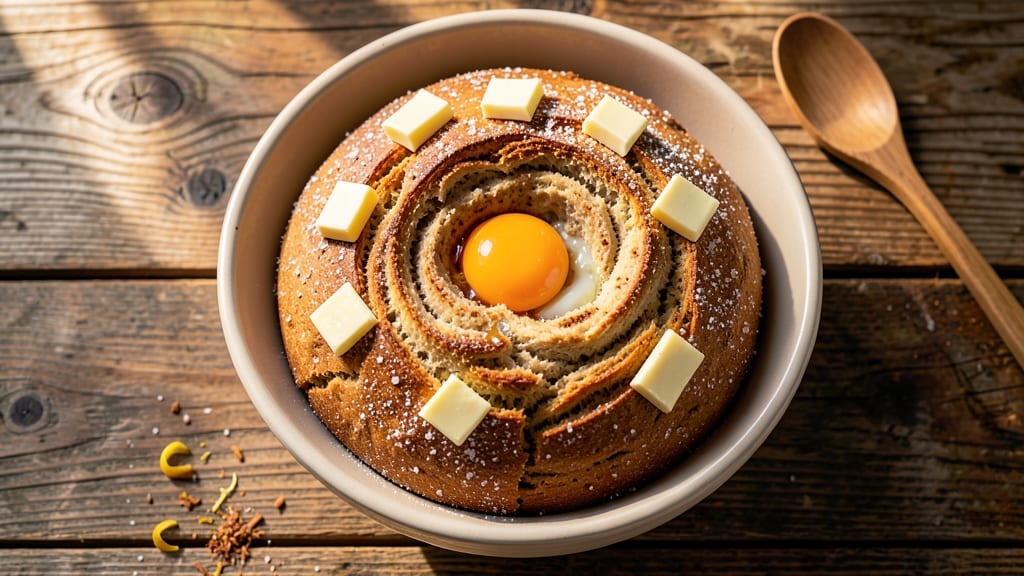
This Amish sourdough cinnamon bread delivers the kind of homestyle comfort that makes every slice feel like a hug from Grandma. The secret lies in slow fermentation—letting the sourdough starter work its magic for 24 hours creates deep, tangy flavor that store-bought yeast just can't match.
I've perfected this recipe after years of testing, balancing traditional Amish techniques with modern convenience so you get that rustic charm without the wait.
The dough develops a tender yet slightly chewy texture from the combination of bread flour and active sourdough starter, while the cinnamon-sugar swirl adds just the right amount of sweetness without overpowering.
What makes this version special is the walnut-caramel depth—crushed walnuts baked into the topping add crunch and richness, while a touch of brown sugar caramelizes beautifully for that classic Amish touch. The aroma alone as it bakes will have your whole house smelling like a Pennsylvania farmhouse kitchen.
By the time it emerges from the oven, you'll have a loaf with a golden, crackly crust that gives way to tender crumb studded with cinnamon-sugar swirls and walnut clusters. Each slice offers perfect balance—sweet, spiced, and nutty—with that signature sourdough tang that makes this bread truly special.
This recipe yields one 9x5-inch loaf, ready in about 5 hours including fermentation time, but trust me, every minute is worth it.
The beauty of this recipe is its versatility—serve it warm with butter for breakfast, pack slices for lunches, or gift it to neighbors. The slow fermentation process actually makes the bread better the next day, developing even more complex flavors.
Whether you're a seasoned baker or just starting with sourdough, this recipe delivers professional-quality results with simple techniques and pantry staples.
Ingredients for amish sourdough cinnamon bread
Twelve simple ingredients transform into one fragrant, nutty-sweet loaf of Amish comfort.
| Ingredient | Amount | Notes |
|---|---|---|
| Active Sourdough Starter 🍞 | ½ cup | Unfed, bubbly starter (100% hydration) |
| All-Purpose Flour 🌾 | 1 cup | For dough structure |
| Bread Flour 🌾 | 3 cups | High protein for chewiness |
| Granulated Sugar 🍚 | ¼ cup | Brown or white preferred |
| Unsalted Butter 🧈 | ½ cup | Cold, cubed for dough |
| Large Eggs 🥚 | 1 whole | Room temperature |
| Instant Yeast 🍞 | 1 tsp | Optional backup boost |
| Salt 🧂 | 1 ½ tsp | Diamond Crystal preferred |
| Ground Cinnamon 🌿 | 2 tbsp | Freshly ground for warmth |
| Light Brown Sugar 🍚 | ½ cup | Packed for caramel depth |
| Chopped Walnuts 🥜 | ½ cup | Toasted for richness |
| Melted Butter 🧈 | ¼ cup | For topping brush |
| Coarse Sugar 🍚 | ¼ cup | For crust sprinkle |
The sourdough starter is non-negotiable here—it's what gives this bread that signature tang. King Arthur or Bob's Red Mill flours work best for the dough, but any high-protein bread flour will do. For the starter, I use a simple 1:1:1 ratio (flour:water:starter) fed daily for a week before baking. Whole Foods or local health stores often have pre-made starters if you're short on time. The walnuts? Costco or Trader Joe's have the best prices for bulk, but toast them yourself—they develop so much more flavor that way. Just spread them on a baking sheet and toast at 350°F for 8-10 minutes until fragrant.
No sourdough starter? Add 1 tsp instant yeast to the dough—it won't be identical, but you'll still get great flavor. Running short on walnuts? Pecans or almonds work too, though the texture changes slightly. The brown sugar in the topping is key—don't substitute white. If you're really in a pinch, you can use a 50/50 mix of white and brown, but the caramelization won't be as rich. For the butter, Plugrá or Land O'Lakes cultured gives the best flavor, but any good-quality unsalted butter will work. And if you're worried about the dough being too sticky? Chill it for 30 minutes before shaping—it makes all the difference.
This dough needs time to ferment—plan ahead. After mixing, let it rest 2 hours at room temp, then refrigerate overnight for that deep sourdough flavor. The shaped loaf keeps 3 days at room temp wrapped in a towel, or 1 week in the fridge once sliced. For longer storage, freeze the whole loaf—wrap tightly in plastic and foil, then thaw at room temp. The walnut topping stays crisp for about 2 days, so make it fresh if you can. And pro tip: Slice it with a serrated knife while still warm for clean cuts.
Why You'll Love This Recipe
- No-Knead Magic: I swear by this recipe because it’s actually no-knead—just mix, let the sourdough starter do the work, and bake. No standing at the counter for 20 minutes, no sore arms. The dough comes together in minutes, and the tangy-sweet aroma while it bakes? Worth every second of waiting.
- Cinnamon Butter Bliss: That butter-sugar swirl isn’t just pretty—it’s dangerously good. The warm, gooey cinnamon butter melts into every bite, and the sourdough’s natural tang cuts through the sweetness like a perfect balance. Honestly, I’ve caught myself sneaking slices straight from the pan.
- Breakfast or Snack Hero: This bread is my go-to for lazy mornings (toasted with jam) or after-school snacks (cut into thick slices for dipping in coffee). It even holds up in lunchboxes—no soggy ends here. Between us, it’s the one loaf I actually look forward to reheating.
- Budget-Friendly Staple: Flour, sugar, and butter are pantry basics, and a small starter goes a long way. One batch feeds my family for days, and the leftovers? Perfect for French toast or croutons. I’ll be real: it’s the kind of recipe that makes grocery bills feel a little less scary.
Step-by-step instructions for Amish sourdough cinnamon bread
This recipe delivers tender sourdough bread with gooey cinnamon swirls and nutty depth—every slice is a homestyle masterpiece.
Mix the Dough for Maximum Flavor Development
In a large mixing bowl, combine the 0.5 cup active sourdough starter, 1 cup all-purpose flour, 3 cups bread flour, 0.25 cup granulated sugar, 1.5 tsp salt, and 1 tsp instant yeast. Mix until just combined, then add the 0.5 cup cold cubed unsalted butter and the 1 whole large egg. Knead by hand for about 8-10 minutes until the dough becomes smooth and elastic.
I like to work the dough on a lightly floured surface, folding it over itself repeatedly. You'll know it's ready when it springs back slowly when poked. The cold butter will resist at first, but keep kneading—this creates pockets of flavor that develop during proofing. If the dough feels too sticky, add flour 1 tablespoon at a time until it comes together cleanly.
Prepare the Cinnamon Swirl Filling
In a small bowl, whisk together 2 tbsp ground cinnamon, 0.5 cup light brown sugar, and 0.5 cup chopped walnuts. The walnuts should be toasted first—spread them on a baking sheet and toast in a 350°F oven for 5-7 minutes until fragrant. Let them cool completely before mixing.
This filling is what makes this bread special. The cinnamon adds warmth, the brown sugar caramelizes beautifully, and the toasted walnuts bring nutty richness. If you want extra decadence, you can lightly pulse the walnuts in a food processor for a coarser texture that holds together better in the dough.
Shape and Fill the Dough
Divide the dough into three equal portions (about 12 oz each) and roll each into a 12-inch circle on a lightly floured surface. Spread 1/3 of the cinnamon filling evenly over each circle, leaving a 1-inch border around the edges. Roll each circle tightly into a log, pinching the seam to seal.
Here's where the magic happens: as the bread bakes, the filling oozes out in beautiful swirls. Don't worry if the filling looks messy—it's supposed to! The key is to keep the border clear so the bread maintains structure. Once shaped, place the logs seam-side down in a 9x5-inch loaf pan that's been lightly greased with melted butter. Cover with a clean kitchen towel and let them rise at room temperature for 1-2 hours or until puffy.
Bake to Golden Perfection
Preheat your oven to 375°F. Brush the tops of the loaves with 0.25 cup melted butter, then sprinkle generously with 0.25 cup coarse sugar for that signature Amish crunch. Bake for 30-35 minutes until the bread is deep golden brown and sounds hollow when tapped on the bottom.
Don't open the oven during baking—this is when the bread sets its structure. If the tops brown too quickly, tent loosely with foil. The internal temperature should reach 190-200°F when done. The sugar topping will caramelize beautifully, creating those crispy shards that contrast perfectly with the soft, chewy interior.
Cool and Serve Warmly
Remove the bread from the pan immediately and let it cool on a wire rack for 10-15 minutes. This resting period is crucial—it allows the filling to set slightly and prevents the bread from falling apart when sliced. For the best experience, serve warm with a pat of softened butter or a drizzle of honey.
Each slice should reveal those beautiful cinnamon swirls with pockets of caramelized filling. The crust should be crisp, the interior tender with just the right chew, and the walnuts should add satisfying texture in every bite. This bread keeps well at room temperature for 2-3 days or can be frozen for up to 3 months—just thaw at room temperature before serving.
Pro Tips For Making Amish Sourdough Cinnamon Bread
- STRETCH THE DOUGH: I learned this the hard way—skipping the extra 10 minutes of stretching and folding with bread flour will make your loaves dense. The Amish version relies on that chewy texture, so work the dough until it’s smooth and just shy of snapping back when poked (yes, even if you’re impatient like me).
- CHILL THE BUTTER: Cold butter in the dough = tough bread. Warm it to room temp first—about 65°F—so it incorporates smoothly into the flour. If it melts mid-knead, you’re fighting a losing battle. (Pro move: cut it into small cubes and let them soften on a plate while you mix.)
- DON’T OVERPROOF THE STARTER: This is where most people mess up. Your sourdough starter should be peaked—when it’s bubbly but hasn’t collapsed yet. If you wait for it to double, you’ll over-acidify the dough, and your cinnamon bread will taste sour instead of tangy. Test it at 4-6 hours, not 8.
- BRUSH WITH MELTED BUTTER: The Amish version isn’t just about the swirl—it’s about that glossy, buttery finish. After baking, brush the warm loaves with melted butter while they’re still in the pan. It seals in moisture and gives that classic Amish bakery shine. (Skip this, and you’ll miss the best part.)
Creative variations of these flavors
Classic Amish Twist
For a more traditional Amish version, replace the walnuts with ½ cup chopped pecans and add 1 tsp vanilla extract to the dough. The pecans add a buttery depth that's classic in Pennsylvania Amish kitchens, while the vanilla enhances the cinnamon's warmth.
Some families also include ¼ cup raisins in the filling for a sweet-tart contrast. I've found that using lightly salted butter in the dough adds a subtle savory note that balances the sweetness beautifully. 🌾
Spiced Orange Variation
Brighten up your bread with 1 tbsp orange zest mixed into the cinnamon filling and 1 tbsp orange juice in the dough. The citrus pairs wonderfully with cinnamon and caramel, adding a refreshing twist. For extra zing, sprinkle ½ tsp cardamom into the filling.
This variation works especially well during holiday seasons when you want something festive but still comforting. The orange flavor complements the walnuts beautifully, creating a sophisticated flavor profile.
Nut-Free Option
Skip the walnuts entirely and replace them with ½ cup dried cranberries or ½ cup chocolate chips for a nut-free version. The cranberries add a tart contrast to the sweet filling, while chocolate chips create decadent pockets of melted goodness.
For the chocolate version, use semi-sweet chocolate chips and reduce the brown sugar to ¼ cup to balance the sweetness. This option works perfectly for those with nut allergies while maintaining that classic Amish cinnamon bread experience. 🍫
Herbal Infusion
Add 1 tsp dried rosemary or 1 tsp dried thyme to the dough for an herbal twist that pairs surprisingly well with cinnamon. The herbs add an earthy depth that contrasts beautifully with the sweet filling.
For a more pronounced flavor, lightly toast the herbs in a dry pan before adding them to the dough. This variation is especially lovely when served with herb butter or as part of a holiday bread basket. The herbs complement the walnuts perfectly, creating a sophisticated flavor combination.
Sweet Potato Swirl
For a heartier version, replace ½ cup of the bread flour with ½ cup mashed cooked sweet potato in the dough. Then, add ½ cup cooked sweet potato purée to the cinnamon filling along with the walnuts.
The sweet potato adds natural sweetness and moisture, creating a denser, more substantial bread. This variation is perfect for fall and winter when sweet potatoes are in season. The combination of sweet potato and cinnamon creates a comforting, autumnal flavor that's hard to resist. 🍠
Gluten-Free Adaptation
For a gluten-free version, replace the all-purpose and bread flours with 3 cups gluten-free 1:1 baking flour blend (like Bob's Red Mill or King Arthur). Add ½ tsp xanthan gum to help bind the dough. The dough will be stickier, so work quickly and use extra flour on your surface.
For the filling, keep all ingredients the same, but reduce the walnuts to ¼ cup since gluten-free bread tends to be denser. This version requires slightly longer baking time—check for doneness at 35-40 minutes instead of 30-35. 🌱
Nutrition facts
Frequently asked questions
Can I make this bread without a sourdough starter?
Yes! Simply add 1 teaspoon instant yeast to the dough mixture to replace the starter. The flavor won't be identical—it'll lack the deep tang of true sourdough—but you'll still get a delicious cinnamon bread with that classic Amish texture. For best results, let the dough rise 10-15 minutes longer than usual since yeast works faster than fermentation.
Why does my dough seem too sticky?
Sticky dough is normal with sourdough! The active starter and butter create moisture. If it's unworkable, add flour 1 tablespoon at a time until it pulls away cleanly from your hands. For extra insurance, chill the dough 30 minutes before shaping—this firms up the gluten and makes handling easier. Remember, the dough should be slightly tacky but not wet.
How do I know when the bread is fully baked?
Look for three signs: deep golden brown crust, internal temperature of 190-200°F (use an instant-read thermometer), and a hollow sound when tapped on the bottom. The sugar topping should be caramelized with crispy edges. If unsure, bake 5 more minutes—underbaked bread can feel gummy in the center.
Can I make this bread in a Dutch oven?
Shape the dough into a round loaf instead of logs, place it in a greased Dutch oven, and bake at 375°F for 40-45 minutes. The Dutch oven creates a crispier crust with a rustic, wood-fired appearance. For extra flavor, add 1 tablespoon apple cider vinegar to the dough—it enhances the sourdough tang beautifully.
How long can I keep this bread fresh?
Wrap the cooled loaf tightly in plastic wrap or store in an airtight container. It stays fresh 3 days at room temperature or 1 week in the fridge. For longer storage, freeze the whole loaf (up to 3 months2 days, so make it fresh if possible.