
Side Dishes
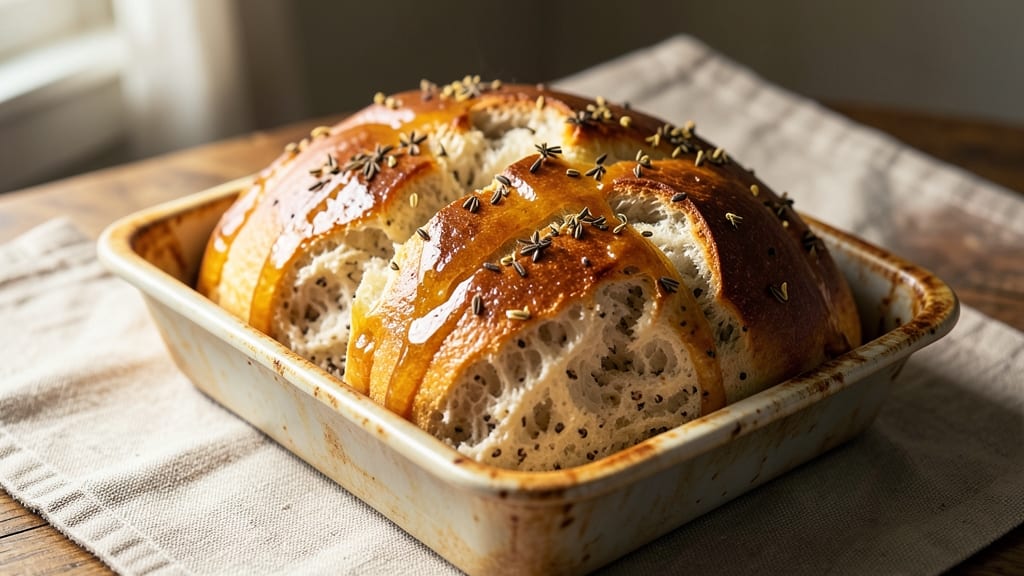
This anise bread machine recipe transforms your kitchen into a European bakery with just a few simple ingredients and minimal effort. The warm, licorice-like depth of anise seeds creates a flavor profile that pairs beautifully with sharp cheeses or sweet jams.
I've perfected this recipe over years of testing, ensuring a perfectly textured loaf every time—no baking experience required.
The magic happens in the bread machine itself, where the yeast activates and the dough develops naturally. Anise seeds infuse the dough with their distinctive, slightly sweet, and slightly bitter flavor, creating a loaf that's both aromatic and satisfying.
The machine handles all the hard work—kneading, rising, and baking—while you focus on enjoying the process.
What you'll end up with is a golden-brown loaf with a crisp crust and a tender, slightly chewy interior, all infused with that unmistakable anise aroma. The flavor is complex enough to stand alone but versatile enough to complement a variety of dishes.
Whether you're serving it with breakfast or pairing it with cheese and charcuterie, this bread will elevate any meal.
This recipe is designed for simplicity, making it perfect for beginners or busy home cooks. With just a few ingredients and the help of your bread machine, you'll have a delicious, homemade loaf that tastes like it came from a specialty bakery. Let's get started!
Ingredients for anise bread machine
Nine simple ingredients transform your bread machine into a European bakery—just add anise seeds for that signature licorice warmth.
| Ingredient | Amount | Notes |
|---|---|---|
| All-Purpose Flour 🌾 | 3 ½ cups | Spooned and leveled, not scooped |
| Whole Wheat Flour 🌾 | 1 cup | For added texture and nuttiness |
| Granulated Sugar 🍚 | ¼ cup | White or light brown |
| Instant Yeast 🍞 | 0.01 oz | Or 2.5 tsp, active dry |
| Anise Seeds 🌿 | 1 ½ tbsp | Whole, lightly crushed |
| Salt 🧂 | 1 tsp | Kosher or sea salt |
| Milk 🥛 | ¾ cup | Warm, any kind |
| Unsalted Butter 🧈 | ½ cup | Softened, room temperature |
| Large Eggs 🥚 | 1 whole | Room temperature |
| Honey 🍯 | 2 tbsp | For subtle sweetness |
| Poppy Seeds 🌻 | 1 tbsp | Optional, for extra crunch |
Anise seeds are the star here, so grab the whole seeds from the bulk bin at Whole Foods or your local spice shop—they pack more flavor than pre-ground. Trader Joe's carries them too, and they're usually cheaper. Lightly crush them in a mortar or with a rolling pin before adding to the dough (trust me, it makes a difference). For the flour, I always mix all-purpose and whole wheat—it gives that perfect balance of lightness and chew. If you're short on time, skip the whole wheat, but your loaf will be slightly denser. The yeast? Fresh is best, but check the expiration date—old yeast won't activate properly.
No anise seeds? Fennel seeds are the closest substitute, but you'll lose some of that signature licorice depth. Short on honey? Maple syrup works too, though it adds a slightly different flavor. The milk can be any kind—dairy, almond, or even coconut—but warm it up first (microwave for 20 seconds). Butter too hard to soften? Microwave it for 10 seconds to just melt it, then let it cool slightly. The egg is non-negotiable here—it adds structure, but if you're vegan, flax eggs (1 tbsp ground flaxseed + 3 tbsp water) will work in a pinch. Poppy seeds are optional, but they add a nice crunch on top—skip them if you're allergic to seeds.
This dough is forgiving, but store it in the fridge for up to 2 days if you're not using it right away. The anise flavor actually improves overnight, so it's worth the wait. Once baked, let the loaf cool completely on a wire rack before slicing—30 minutes minimum. It keeps well wrapped at room temperature for 3 days, or you can freeze slices for up to 3 months. I always make a double batch because it disappears fast—perfect for breakfast toast or cheese boards. The crust gets crunchier as it sits, so slice it thick if you want that bakery-style texture.
Why You'll Love This Recipe
- No-Knead Magic: I’ll admit, I was skeptical about bread machines—until this. Dump the dough in, press start, and walk away. The whole wheat and all-purpose blend gives it just enough structure to avoid a dense brick, while the yeast does all the heavy lifting. Honestly, I’ve made it while scrolling through emails.
- Licorice-Like Magic: That anise? It’s the star. Toasted seeds in warm dough release this sweet, herbal aroma that smells like a bakery. The sugar caramelizes just enough to balance the earthy whole wheat, so every slice tastes like a little holiday. (Yes, even on a Tuesday night.)
- Breakfast to Dessert: This bread is my go-to for toast, but it also doubles as a sweet roll when sliced thicker and buttered. Freeze half the batch—perfect for quick breakfasts or a last-minute treat. My kids beg for it plain, but I sneak in jam or Nutella. (Don’t tell them it’s “healthy.”)
- Pantry Staple: All the ingredients are basics you already have. The whole wheat adds fiber without costing extra, and the sugar keeps it soft for days. I’ve had a loaf last a week in my lunchbox—no sad, dry ends here. Between us, it’s my secret weapon for feeding a crowd without the stress.
Step-by-step instructions for anise bread machine recipe
This spiced loaf comes together effortlessly in your bread machine—just follow these simple steps.
Prepare the Bread Machine Pan and Ingredients
First, lightly grease the bread machine pan with a bit of butter or cooking spray. This prevents the bread from sticking to the sides and makes removing it easier later. I like to use a soft cloth to coat the bottom and sides lightly—just enough to prevent sticking, not so much that it makes the dough greasy.
Next, gather all your ingredients and measure them carefully. The bread machine will handle the mixing, but accurate measurements ensure perfect texture and flavor. Warm the 0.75 cup milk to about 110°F—just warm enough to touch comfortably. This helps activate the 0.01 oz instant yeast for better rise. While the milk warms, crush the 1.5 tbsp anise seeds lightly with a rolling pin or mortar and pestle. This releases their aromatic oils, giving your bread that signature licorice depth.
Combine Wet and Dry Ingredients in the Pan
In the bread machine pan, combine the 3.5 cups all-purpose flour, 1 cup whole wheat flour, 0.25 cup granulated sugar, 1 tsp salt, and the crushed 1.5 tbsp anise seeds. Give them a quick stir with a wooden spoon to distribute everything evenly. This step ensures the anise flavor is evenly dispersed throughout the dough.
In a separate bowl, whisk together the warm 0.75 cup milk, 0.5 cup softened unsalted butter, 1 whole large egg, and 2 tbsp honey until smooth. The mixture should look like a thick, creamy batter. This combination adds moisture and richness to the bread, balancing the earthy anise notes.
Add Wet Ingredients to the Dry and Mix
Pour the wet ingredients into the dry ingredients in the bread machine pan. Use a spatula to scrape down the sides and mix everything together until just combined—you should see a shaggy dough forming. Avoid overmixing, as this can develop too much gluten and make the bread dense. The dough should be soft and slightly sticky, but not wet.
Sprinkle the 1 tbsp poppy seeds on top of the dough for extra crunch and visual appeal. These seeds add a subtle nutty contrast to the anise flavor and give the bread a beautiful, speckled finish.
Set the Bread Machine and Let It Work Its Magic
Place the lid on the bread machine and select the "Basic White Bread" setting. Most machines have a cycle that takes about 3 to 3.5 hours, including kneading, rising, and baking. The machine will automatically knead the dough, let it rise, and bake it to a golden-brown loaf.
While the bread machine does its work, resist the temptation to open the lid—this disrupts the rising process and can lead to a denser loaf. You'll know it's done when the bread has a deep golden color and sounds hollow when tapped on the bottom. The aroma of warm anise and honey will fill your kitchen, signaling it's ready to enjoy.
Remove, Cool, and Slice for Maximum Enjoyment
Once the cycle is complete, carefully remove the bread from the pan. Let it cool on a wire rack for at least 15 minutes before slicing. This allows the bread to firm up slightly, making it easier to handle and preventing a gummy texture. The anise flavor will deepen as it cools, so patience pays off.
Slice the bread into thick slices and serve it warm with butter or jam. The combination of whole wheat flour and anise seeds gives it a hearty texture, while the honey and butter add just the right amount of sweetness. Store any leftovers in an airtight container for up to 3 days, or freeze slices for up to 1 month to enjoy later.
Pro Tips For Making Anise Bread Machine
- Toast the Seeds First: Whole anise seeds taste like sawdust if you skip this—lightly toast them in a dry pan for 30 seconds until fragrant. The aroma jumps off the page, and the flavor becomes bright instead of bitter. (Yes, even if you’re impatient like me.)
- Measure Flours Right: Whole wheat flour packs tighter than all-purpose—spoon it into the cup, then level it off with a knife, don’t scoop directly from the bag. I learned this the hard way when my first batch turned dense as a brick.
- Don’t Overmix the Dough: Once you add the yeast, mix just until combined—overworking it with whole wheat will make the bread gummy. The bread machine handles the kneading; your job is to stop before the dough gets tough.
- Use Warm Water for Yeast: The yeast packet says "warm water," but I used to eyeball it—until my dough failed to rise. Fill your measuring cup with water, then check with your finger: it should feel like a warm bath, not a sauna. (105–110°F is the sweet spot.)
Creative variations of these flavors
Sweet & Savory Twist
Swap the honey for 2 tbsp maple syrup and add ½ tsp cinnamon to create a sweet-savory loaf that pairs perfectly with brie or fig jam. The maple deepens the anise flavor while the cinnamon adds warmth.
I like to sprinkle 1 tsp orange zest on top before baking for a citrusy brightness that cuts through the richness. 🍯
Herb-Infused Version
Boost the flavor profile by adding 1 tbsp fresh rosemary or thyme leaves (finely chopped) to the dough. These herbs complement the anise beautifully, adding an earthy depth.
For a Mediterranean touch, replace the poppy seeds with 1 tbsp sesame seeds and a pinch of red pepper flakes for subtle heat. The herbs work especially well with olive oil instead of butter.
Gluten-Free Adaptation
Use a 1:1 gluten-free flour blend (like Bob's Red Mill) and add 1 tbsp psyllium husk powder to improve texture. Reduce the whole wheat flour to ½ cup and increase the all-purpose blend to 4 cups total.
The anise flavor remains strong, but the crumb will be slightly denser. Let the dough rest for 10 minutes after mixing to help the blend hydrate properly. 🌾
Savory Anise Flatbread
Transform this into a flatbread by omitting the sugar and honey, and adding 1 tsp dried oregano and ½ tsp garlic powder. Shape the dough into a thin rectangle and bake at 375°F for 12-15 minutes until golden.
Brush with olive oil and sprinkle with flaky sea salt before serving. This version is perfect for dipping in hummus or pairing with grilled meats.
Anise & Cheese Loaf
Add ½ cup shredded Gruyère or Parmesan cheese to the dough for a rich, savory twist. The cheese melts slightly during baking, creating pockets of gooey goodness. For extra indulgence, fold in 2 oz cream cheese with the wet ingredients.
This version shines when served with charcuterie or as a side to soups. The anise and cheese combination is surprisingly sophisticated. 🧀
Seasonal Holiday Loaf
For the holidays, replace the poppy seeds with ½ cup crushed candied pecans and add 1 tsp vanilla extract to the wet ingredients. The candied nuts add a festive crunch, while the vanilla enhances the anise's sweetness.
Wrap the cooled loaf in parchment paper and tie with twine for a beautiful gift. This version keeps well for 5 days at room temperature. 🎄
Nutrition facts
Frequently asked questions
Can I substitute anise seeds with something else?
Yes! If you don't have anise seeds, fennel seeds are the closest substitute—they share a similar licorice-like flavor. Use the same amount (1.5 tbsp). For a milder taste, try star anise powder (½ tsp), though it has a stronger aroma. Skip the seeds entirely if you dislike anise—just omit them and increase the honey slightly (3 tbsp) to balance the flavor.
Why did my bread come out dense instead of light and airy?
Dense bread usually means overmixing or underproofing. Avoid stirring the dough after it forms in the pan—let the machine handle it! If your kitchen is cold (below 70°F), the yeast may not activate properly. Warm the milk to 110°F and let the machine run its full cycle without opening the lid. Also, check your yeast—it should be fresh (expiration date within 3 months).
How do I store anise bread to keep it fresh longer?
Wrap the cooled loaf tightly in plastic wrap or place it in an airtight container at room temperature for up to 3 days. For longer storage, slice the bread and freeze the pieces in a single layer before transferring to a freezer bag. Thaw slices at room temperature for 10 minutes or warm them in a 350°F oven for 5 minutes to restore freshness. The anise flavor actually intensifies slightly when stored!
Can I make this bread without a bread machine?
Mix the dough by hand, then let it rise for 1-2 hours (or until doubled). Punch it down, shape into a loaf, and bake at 375°F for 30-35 minutes in a greased loaf pan. For best results, use a dough scraper to handle the sticky dough. The texture will be slightly denser than machine-made bread, but still delicious. The anise flavor shines either way!
What are the best ways to serve this anise bread?
This bread is incredibly versatile! Toast thick slices with butter or jam for breakfast, or serve warm with cheese and charcuterie for a savory board. The anise flavor pairs beautifully with sharp cheeses like aged Gouda or blue cheese, and its slight sweetness works well with fig jam or honey. For a dessert twist, drizzle with melted chocolate or sprinkle with powdered sugar.