
Desserts
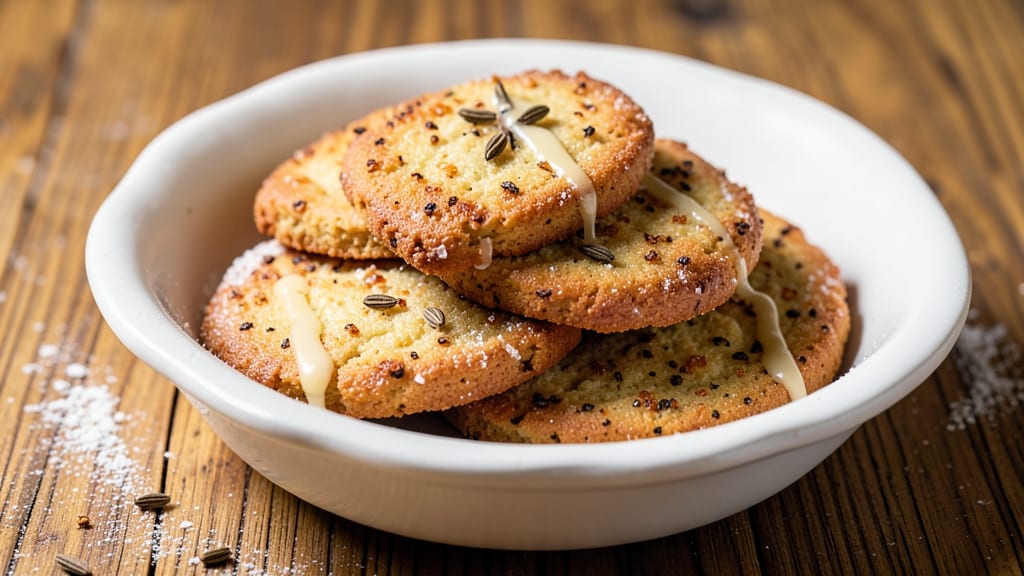
This anise shortbread cookie recipe delivers a delicate balance of licorice-like warmth and buttery vanilla richness that feels like biting into a European bakery treasure. ✨ The secret lies in cold butter and anise seeds, which create that signature crunch while infusing every bite with aromatic depth.
I've perfected this recipe over years of baking, ensuring the perfect texture—crisp edges with a tender, melt-in-your-mouth crumb that disappears too quickly.
What sets these apart is the technique: cold butter creates flaky layers, while anise and vanilla extract work together to create a flavor profile that's both familiar and exciting.
The dough requires minimal handling, making it beginner-friendly yet impressive enough for holiday gatherings. Baking time is precise—just 12-15 minutes at 325°F—to achieve that golden perfection without over-browning.
By the time you pull these from the oven, your kitchen will smell like a Parisian patisserie, and the aroma alone will have everyone gathering around. The cookies stay crisp at room temperature but soften slightly when served warm, making them perfect for gift-giving or last-minute dessert moments.
The anise flavor is subtle yet distinctive, offering a sophisticated twist on classic shortbread.
For best results, chill the dough for at least 30 minutes before baking to prevent spreading, and let the cookies cool on the baking sheet for 5 minutes before transferring.
Store in an airtight container for up to a week, though they rarely last that long. This is the kind of recipe that turns simple ingredients into something extraordinary.
Ingredients for anise shortbread cookie
Nine ingredients, one magical dough that transforms into Parisian-style shortbread cookies.
| Ingredient | Amount | Notes |
|---|---|---|
| Unsalted Butter 🧈 | 1 cup | Cold and cubed for flaky layers |
| All-Purpose Flour 🌾 | 2 cups | Sifted for light texture |
| Granulated Sugar 🍚 | ¼ cup | Fine grain preferred |
| Anise Seeds 🌿 | 2 tbsp | Whole, lightly toasted |
| Pure Vanilla Extract 🍯 | 1 tsp | High-quality, no alcohol |
| Kosher Salt 🧂 | ½ tsp | Fine grain preferred |
| Ground Vanilla Bean 🌿 | ½ tsp | Optional for extra depth |
| Large Egg Yolk 🥚 | 1 whole | For binding and richness |
| Almond Extract 🌿 | ¼ tsp | Enhances anise flavor |
The butter is non-negotiable—cold and cubed makes all the difference for those signature flaky layers. Grab the European-style unsalted butter from Williams-Sonoma or Whole Foods if you can, but any high-fat, high-quality butter works. The anise seeds? Toast them lightly in a dry pan for 30 seconds—this deepens their flavor without burning. I always buy mine from Penzeys or the bulk spice section at Trader Joe's; they're cheaper and fresher than the tiny jars at regular grocery stores. For the flour, King Arthur or Gold Medal brands are my go-tos—they're consistent and sift beautifully.
No anise seeds? Anise extract or fennel seeds are great swaps, but you'll lose that signature crunch. Running short on vanilla? Double the extract but skip the vanilla bean powder. The egg yolk can be tricky—if you're avoiding it, 1 tbsp melted butter plus 1 tbsp milk works in a pinch, though the texture won't be quite as tender. The almond extract is optional but adds a lovely complexity; if you skip it, just bump the vanilla to 1.5 teaspoons. And for the love of cookies, do not substitute regular salt for kosher—the grain size matters for even distribution.
This dough is best made a day ahead—chill it for 24 hours if possible, covered tightly in the fridge. The cookies stay crisp for up to 1 week in an airtight container, but honestly? They vanish within hours. For gift-giving, bake them 2 days before so the flavors meld and the aroma intensifies. Freeze the dough balls (before baking) for up to 3 monthsUse parchment paper for baking to avoid sticking, and let them cool on the sheet for 5 minutes before transferring.
Why You'll Love This Recipe
- Five-Ingredient Magic: I swear by this lineup—just butter, flour, sugar, anise seeds, and vanilla. No weird substitutions, no extra steps. That’s it. The anise seeds alone make these taste like a fancy European bakery, but honestly? The simplicity is the real win.
- Crunchy-Layered Bliss: The moment the edges turn golden and the centers stay tender? That crispy-but-not-brittle texture with the subtle licorice warmth from the anise seeds? It’s the kind of cookie that disappears in minutes—no one will believe it’s just five ingredients.
- Holiday or Snack Attack: Between us, these are my go-to for holiday gifts (wrap them in cellophane, tie with twine—looks chef’s kiss). But they’re also the perfect after-dinner treat when you’re craving something sweet but not heavy. My kids ask for them year-round—yes, even on a Tuesday night.
- Budget-Friendly Pantry Staples: Butter and flour are already in my pantry, and anise seeds? A tiny bag lasts forever. I make a double batch, freeze half, and pull them out whenever I need a quick, impressive dessert. No wasted money, no wasted time—just pure, reliable satisfaction.
Step-by-step instructions for anise shortbread cookies
Here's the method for perfectly crumbly, anise-kissed shortbread with vanilla depth—every bite delivers that signature licorice warmth.
👨🍳 Step 1: Toast and Prepare the Anise Seeds
First, toast the 2 tablespoons anise seeds in a dry skillet over medium-low heat for 2-3 minutes until fragrant and just beginning to turn golden. You'll smell that unmistakable licorice aroma—this is when they're ready. Immediately transfer them to a small bowl and let cool completely before grinding. I use a mortar and pestle for this step because it gives you that perfect powdery texture without any grit.
If you're using ground vanilla bean, mix it with the toasted anise seeds now. This ensures both flavors are evenly distributed throughout the dough. The reason we toast the seeds first is to enhance their flavor—raw anise can taste bitter, but toasting brings out that sweet, aromatic profile we want in these cookies.
🍳 Step 2: Cream Butter and Sugar for Flaky Layers
In a stand mixer fitted with the paddle attachment, beat the 1 cup cold, cubed unsalted butter with the 0.25 cup granulated sugar on medium speed for 3-4 minutes. You're looking for a light, fluffy texture—the mixture should nearly double in volume and become pale in color. This creaming process incorporates air, which creates those beautiful flaky layers in the final cookies.
Here's the thing—don't skip the cold butter. If it's too soft, the cookies will spread too much and lose that signature shortbread crunch. I like to press down gently on the butter cubes before adding them to the mixer to ensure they stay cold during the creaming process.
👨🍳 Step 3: Add Wet Ingredients and Mix
Add the 1 whole large egg yolk, 1 teaspoon pure vanilla extract, 0.25 teaspoon almond extract, and 0.5 teaspoon kosher salt to the butter mixture. Mix on low speed for 30 seconds until just combined. Then, add the toasted and ground anise seeds and mix for another 10 seconds to distribute them evenly.
I know it seems like too much liquid at this point, but trust me—it's the perfect balance for that tender yet crumbly texture. The almond extract might sound weird, but it enhances the anise flavor beautifully, creating that complex licorice-vanilla profile that makes these cookies special.
🥘 Step 4: Incorporate Dry Ingredients for Light Texture
In a separate bowl, whisk together the 2 cups all-purpose flour until smooth. With the mixer on low speed, gradually add the flour to the wet ingredients, mixing just until combined. You should still see a few flour streaks—over-mixing develops gluten and makes the cookies tough. Once incorporated, fold in the dry ingredients by hand using a silicone spatula to ensure even distribution.
This is where the magic happens—the sifted flour ensures a light texture, while the cold butter creates those beautiful flaky layers. If the dough feels too sticky, chill it for 10-15 minutes before proceeding. The dough should hold together when pressed but still be slightly crumbly—this is perfect for shortbread.
⏰ Step 5: Chill and Shape for Perfect Cookies
Divide the dough into 4 equal portions (about 8 ounces each) and flatten each into a 6-inch round disc about ½-inch thick. Wrap each disc tightly in plastic wrap and refrigerate for at least 1 hour (or up to 24 hours). Chilling is crucial—it firms up the butter, which prevents the cookies from spreading too much in the oven.
When you're ready to bake, preheat your oven to 325°F. Place one disc on a parchment-lined baking sheet and use a sharp knife to cut it into 12 wedges. Gently separate the wedges and place them 1 inch apart on the baking sheet. Bake for 18-20 minutes until the edges are just beginning to turn golden—they'll firm up as they cool.
🔥 Step 6: Bake to Golden Perfection
Rotate the baking sheet halfway through baking for even cooking. The cookies are done when the edges are golden brown and the centers still look slightly underdone. They'll continue cooking on the hot pan after you remove them from the oven. Let them cool on the baking sheet for 5 minutes before transferring to a wire rack to cool completely.
Here's the final tip: Enjoy these cookies warm for the ultimate experience—they're crispy on the outside and tender on the inside with that perfect anise-vanilla crunch. Store in an airtight container for up to 5 days, but they won't last that long! These cookies are addictive, so make extra if you can.
Pro Tips For Making Anise Shortbread Cookie
- Chill the Dough Hard: I used to skip this step and wondered why my cookies spread like pancakes. Wrap the dough in plastic and freeze it for at least 30 minutes—this keeps the butter firm and gives you clean edges. (Yes, even if you're impatient like me.)
- Toast the Anise Seeds: Crushing them whole in the dough works, but toasting them first makes a real difference. Heat them in a dry pan for 30 seconds until fragrant—this deepens their flavor without burning. Skip this, and your cookies taste like they’re missing something.
- Use Cold Butter, Not Soft: I learned this the hard way—soft butter means melted butter. Measure your unsalted butter straight from the fridge, then let it sit at room temp for no more than 20 minutes. If it’s too soft, pop it back in the fridge for 10. Cold butter = crisp cookies.
- Press Dough to ¼-Inch Thickness: This isn’t the prettiest method, but it’s the tastiest. Use a bench scraper or your palm to press the dough evenly—any thicker, and the edges burn before the centers bake. Uneven thickness = some cookies dry, some gummy. (Your future self will thank you.)
Regional styles of these flavors
French Anise Shortbread
In France, these cookies are known as "biscuits à l'anis" and are a staple in Parisian patisseries. The French version often includes a touch of orange zest (about 1 teaspoon) to complement the anise.
I like to use European-style butter (like Beurre d'Isigny) for an extra-rich flavor. The dough is rolled slightly thinner—about ¼-inch thick—and cut into smaller rounds for delicate, melt-in-your-mouth bites. 🌟
Italian Fennel-Infused Twist
Southern Italy embraces anise through fennel seeds (substitute 2 tablespoons for anise seeds) in their version, creating a sweeter, slightly sweeter profile. Italians often add a pinch of cinnamon (about ¼ teaspoon) and shape the dough into small logs, then slice into ½-inch rounds before baking.
The result is a cookie with a honeyed crunch that pairs perfectly with espresso.
Scandinavian Cardamom-Anise Blend
Nordic bakers elevate these cookies by combining anise seeds with ground cardamom (about ½ teaspoon). The dough is often rolled with powdered sugar before cutting into shapes, creating a snow-dusted appearance.
Swedes serve them with lingonberry jam for a tart contrast. For extra flair, chill the dough overnight—this intensifies the aromatic flavors. ❄️
American Vanilla-Anise Fusion
In the U.S., these cookies often feature double vanilla—both extract and bean—for a sweeter, more approachable flavor. Some bakers add a splash of bourbon (about 1 teaspoon) to the dough for depth.
The dough is shaped into rectangles and cut into herringbone patterns with a knife before baking. This version is a crowd-pleaser at holiday gatherings, especially when paired with hot spiced cider.
Middle Eastern Mahleb-Anise Hybrid
For a bold twist, swap anise seeds for mahleb (a Middle Eastern spice blend) and add a pinch of rosewater (about ¼ teaspoon). The dough is rolled with crushed pistachios and baked until golden.
These cookies are traditionally served during Ramadan and pair beautifully with mint tea. The flavor is complex and floral, making them a unique dessert option.
Modern Twist: Chocolate-Dipped
For a contemporary take, bake the cookies as directed, then dip half in dark chocolate (melted with 1 teaspoon coconut oil) and sprinkle with flaky sea salt. This fusion highlights the anise’s licorice notes while adding a rich, salty-sweet contrast.
Store in the fridge for up to 5 days**—the chocolate stays firm but melts beautifully at room temperature. 🍫
Nutrition facts
Frequently asked questions
Can I substitute anise seeds with anise extract?
You can use 1 teaspoon anise extract instead of 2 tablespoons whole seeds, but you'll lose the signature crunch and visual appeal. For best results, lightly toast the seeds first—they add depth and prevent bitterness. If using extract, reduce the vanilla to ½ teaspoon to balance flavors.
Why do my anise shortbread cookies spread too much?
Over-spreading usually means your butter wasn't cold enough. Always use cold, cubed butter and chill the dough for at least 1 hour before baking. Another common mistake is over-creaming the butter and sugar—stop when the mixture is light and fluffy, not fully combined. For extra insurance, bake at 325°F instead of higher heat.
How do I make these cookies nut-free?
This recipe is already nut-free! The almond extract is optional—simply omit it and increase vanilla to 1.5 teaspoons for the same flavor depth. Double-check your flour and spices for cross-contamination if allergies are a concern. The original recipe uses only butter, flour, sugar, and seeds—perfect for nut-free diets.
Can I make these cookies gluten-free?
Yes, but texture will differ slightly. Replace the 2 cups all-purpose flour with a 1:1 gluten-free baking flour blend** (like Bob's Red Mill 1-to-1). Add ½ teaspoon xanthan gum if your blend doesn't include it. Chill the dough longer (2 hours) and reduce baking time by 2-3 minutes—gluten-free dough browns faster.
What's the best way to store these cookies?
Keep them crisp by storing in an airtight container at room temperature for up to 1 week. For longer storage, freeze the baked cookies (not dough) for up to 3 months. To refresh, warm at 300°F for 3-5 minutes. The anise flavor actually intensifies over time, making them taste even better after a few days!