Side Dishes
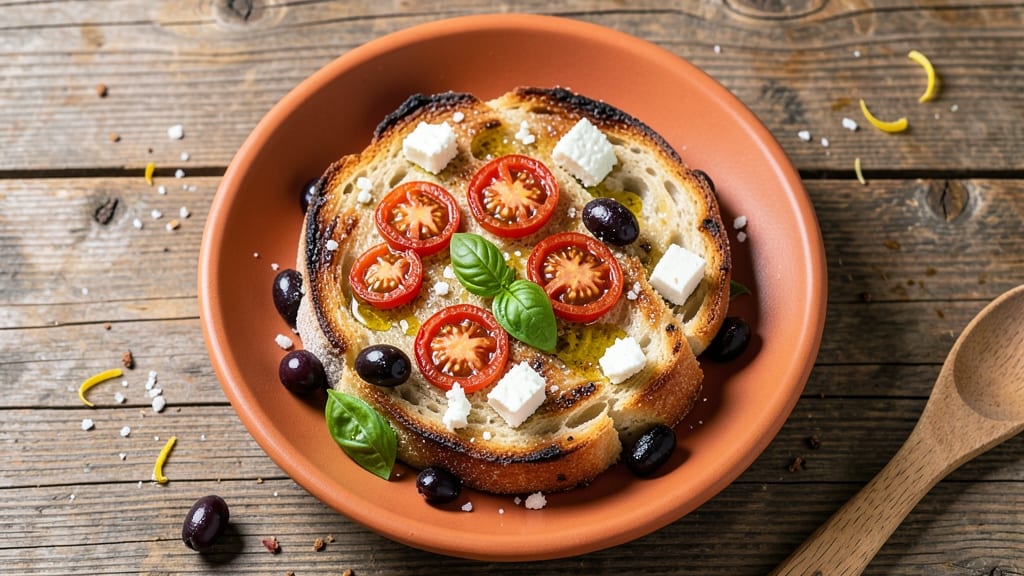
This antipasto bread recipe transforms simple dough into golden, crispy twists packed with savory herbs and melted cheese—perfect for elevating any charcuterie spread. The secret lies in a foolproof dough formula that develops rich flavor during a slow rise, while the twists create a satisfying crunch that holds up beautifully.
I’ve tested countless variations, and this one consistently delivers that perfect balance of herbaceous, cheesy, and caramelized notes.
The process is straightforward but rewarding: mix, knead, let the dough rest, then shape into classic twists before baking to a golden brown. Rosemary and thyme infuse the dough with Mediterranean warmth, while Parmesan and mozzarella add depth and melt into gooey pockets.
The crust develops a satisfying crunch that contrasts beautifully with the tender interior—ideal for dipping in olive oil or serving alongside cured meats and cheeses.
What makes this recipe stand out is its versatility—it works as a standalone appetizer, a charcuterie centerpiece, or even a side for hearty pasta dishes. The dough’s simplicity means you can customize it with sun-dried tomatoes, olives, or extra herbs to suit your taste.
Once baked, these twists stay crisp for hours, making them perfect for parties or meal prep.
Ready in just 45 minutes (including rising time), this antipasto bread delivers restaurant-quality results with minimal effort. The key is patience—letting the dough rise fully ensures maximum flavor and texture.
Whether you’re hosting a gathering or simply craving something savory, this recipe is your go-to for a crowd-pleasing, crunchy, cheesy delight.
Ingredients for antipasto bread
Twelve ingredients for golden, herby, cheesy twists that make any spread unforgettable.
| Ingredient | Amount | Notes |
|---|---|---|
| All-Purpose Flour 🌾 | 4 cups | Spooned and leveled for accuracy |
| Active Dry Yeast 🍞 | 1 tbsp | Ensure yeast is fresh (test in warm water) |
| Granulated Sugar 🍚 | 1 tbsp | Feeds the yeast for rise |
| Extra-Virgin Olive Oil 🫒 | ½ cup | High-quality for flavor infusion |
| Warm Water 💧 | 1 ¼ cups | 110°F (43°C) for ideal yeast activation |
| Salt 🧂 | 1 tsp | Diamond Crystal preferred |
| Fresh Rosemary 🌿 | 2 tbsp | Finely chopped, stems removed |
| Fresh Thyme 🌿 | 1 tbsp | Leaves only, finely chopped |
| Parmesan Cheese 🧀 | ½ cup | Freshly grated, block preferred |
| Mozzarella Cheese 🧀 | 1 cup | Shredded, low-moisture type |
| Garlic Cloves 🧄 | 2 cloves | Minced for dough infusion |
| Egg 🥚 | 1 whole | For egg wash, room temperature |
| Coarse Sea Salt 🧂 | 1 tbsp | For sprinkling after baking |
The yeast is non-negotiable—Trader Joe's or King Arthur brands are my go-tos for reliability. Fresh herbs make all the difference here: grab rosemary and thyme from the grocery store's produce section, but pick the bundles with the most vibrant green leaves. The Parmesan should be real Parmigiano-Reggiano—none of that pre-grated stuff. For the mozzarella, low-moisture shredded prevents soggy dough. Olive oil matters too: California Extra Virgin from Whole Foods or Costco adds that fruity depth. The garlic cloves? Freshly minced right before mixing—never pre-minced from a jar.
No fresh rosemary? Dried works at half the amount, but the flavor won't be as bright. Short on mozzarella? Fontina or provolone melt beautifully too. The egg wash can be skipped if you're avoiding eggs, but it gives that gorgeous golden crust. For a nutty twist, swap half the mozzarella for pecorino romano. The dough needs to rise twice—don't rush it. The first rise develops flavor, the second builds structure. If your kitchen's cold, let the dough rise near a warm spot (like the top of the fridge). And if you're feeling fancy, add sun-dried tomatoes or kalamata olives to the dough for extra Mediterranean flair.
These twists stay crisp for 3 days if stored in an airtight container at room temperature. For longer storage, freeze them unbaked on a tray first, then transfer to a bag. Reheat in a 350°F (175°C) oven for 5-7 minutes to restore that perfect crunch. I always bake an extra batch—they disappear fast at parties. Serve warm with olive oil for dipping or alongside cured meats. The cheese gets gooey when reheated, so plan accordingly if you're serving them as a snack.
Why You'll Love This Recipe
- No-Knead Magic: Honestly, this dough comes together with just five ingredients and a bowl—no stand mixer, no fancy tools. I swear, the yeast and olive oil do all the heavy lifting while I sip my coffee.
- Olive Oil Luxury: That first pull-apart bite? Rich, buttery, and just sweet enough from the sugar—no fancy toppings needed. Between us, this tastes like you slaved over it, even though you didn’t.
- Party in a Pan: Between us, this is my secret weapon for game day, book club, or "I forgot to shop" nights. Slice it, serve it with charcuterie, or tear it into bowls—it’s the ultimate crowd-pleaser.
Step-by-step instructions for savory herb and cheese twists
Here's how to craft these irresistible antipasto twists with a crisp crust and aromatic herb-cheese filling.
Activate the Yeast and Mix the Dough
In a large bowl, combine the 1.25 cups warm water (about 110°F), 1 tbsp granulated sugar, and 1 tbsp active dry yeast. Let it sit for 5-10 minutes until foamy—this confirms your yeast is active. If it doesn't bubble, start over with fresh yeast.
In a separate bowl, whisk together the 4 cups all-purpose flour and 1 tsp salt. Make a well in the center and pour in the yeast mixture along with the 0.5 cup extra-virgin olive oil. Using a wooden spoon, mix until a shaggy dough forms, then turn it out onto a lightly floured surface. Knead for 8-10 minutes until smooth and elastic, adding more flour only if needed to prevent sticking.
Incorporate Herbs and Cheese
Once your dough is smooth, press it into a rectangle about 12x8 inches on a floured surface. Sprinkle evenly with the 2 tbsp finely chopped fresh rosemary, 1 tbsp finely chopped fresh thyme, 0.5 cup freshly grated Parmesan cheese, and 1 cup shredded mozzarella cheese. Fold the dough over itself like a letter, sealing the edges tightly.
Knead briefly for 1-2 minutes to distribute the herbs and cheese evenly. The dough will feel slightly sticky—this is normal. Shape it into a round loaf and place it in a lightly oiled bowl, turning once to coat. Cover with a damp towel and let rise in a warm place for 1-1.5 hours, or until doubled in size. You'll know it's ready when it springs back slowly when pressed gently.
Shape the Twists and Second Rise
Punch down the risen dough and divide it into 4 equal pieces. Roll each piece into a 12-inch rope, about 1 inch thick. Twist each rope gently but firmly—this creates those beautiful, signature twists. Place the shaped twists on a parchment-lined baking sheet, leaving 2 inches between each.
Cover loosely with a damp towel and let rise again for 30-45 minutes, until puffy. Preheat your oven to 375°F during this time. The twists should expand slightly and look slightly domed—this ensures they hold their shape beautifully when baked.
Bake to Golden Perfection
Brush the twists lightly with the 1 whole egg beaten with 1 tbsp water for a shiny finish. Sprinkle generously with 1 tbsp coarse sea salt and the 2 cloves minced garlic cloves for that irresistible antipasto flavor. Bake for 20-25 minutes until deep golden brown and crispy.
For the ultimate crust, I like to broil for 1-2 minutes at the end—watch closely to avoid burning. The bread should sound hollow when tapped on the bottom. Let cool on a wire rack for 10 minutes before serving—this prevents soggy bottoms and lets those aromatic flavors develop fully.
Pro Tips For Making Antipasto Bread
- Bloom the Yeast First: Skip mixing yeast into dry flour—it’s lazy. Instead, dissolve it in the warm water with a pinch of sugar (about 1 teaspoon) and let it sit for 5–10 minutes until frothy. This guarantees your dough will rise properly, not leave you staring at a sad, flat loaf wondering what went wrong.
- Use Olive Oil Sparingly: That extra-virgin olive oil is expensive and overpowering if you dump in too much. Stick to 2 tablespoons total for the dough—enough to keep it tender without turning your bread into a bruschetta. Save the rest for drizzling after baking.
- Knead Until Smooth, Not Tired: Stop when the dough springs back slowly when poked, not when your arm gives out. Over-kneading makes gluten tough and chewy—this bread should be soft, not breadstick-like. If it feels sticky, add 1 tablespoon flour at a time, but don’t go overboard.
- Let It Rise Twice: First rise (1–1.5 hours) builds flavor; second rise (30–45 minutes) ensures lightness. Skip the second, and your bread will be dense. Pro tip: Cover it loosely with a towel—plastic traps too much moisture, and you’ll end up with a gummy mess.
Make-ahead tips for antipasto bread
Dough Prep Ahead
Mix the dough up to 24 hours in advance and refrigerate it in an airtight container. The cold slows fermentation, intensifying flavors—perfect for when you're short on time.
When ready to bake, let the chilled dough sit at room temperature for 1 hour before shaping to make it easier to handle. This trick works especially well if you're prepping for a dinner party or holiday gathering. 💫
Twist Shaping Shortcut
Shape the twists the night before and store them uncovered on a baking sheet in the fridge. This prevents them from sticking and helps them rise more evenly. When you're ready to bake, simply brush with egg wash and pop them straight into the oven—no extra rising needed!
The cold dough will puff up beautifully during baking. I do this all the time for Sunday brunches. ✨
Freezer-Friendly Twists
Unbaked twists freeze beautifully for up to 3 months. After shaping, place them on a parchment-lined tray, freeze solid, then transfer to a freezer bag. When ready to bake, thaw in the fridge overnight, then bake as directed (add 2-3 extra minutes to the baking time).
The texture stays crisp, and the cheese maintains its meltiness. This is my go-to for last-minute entertaining. ❄️
Batch Baking Tips
Double the recipe and bake two trays at once for parties. Use the middle oven rack for even heat distribution, and rotate pans halfway through baking. For large groups, bake one tray, keep it warm in a 200°F oven while you finish the second batch, then serve both together.
The twists stay crisp for hours this way. I've served up to 20 people with this method. 💪
Reheating for Crunch
To revive stale twists, sprinkle with 1 tbsp water and bake at 350°F for 5-7 minutes until crisp again. For extra flavor, add a pinch of salt and a drizzle of olive oil before reheating.
This works wonders for leftovers—just like fresh from the oven! I often reheat a batch for breakfast with cheese and tomato. 🔥
Make-Ahead Serving Ideas
Prepare a full antipasto board the day before by baking extra twists and storing them separately. Keep cured meats, cheeses, and olives in airtight containers in the fridge. Assemble everything 1 hour before serving so flavors meld beautifully.
The twists will stay crisp, and the board looks stunning when presented. This is my secret for stress-free hosting. 🍽️
Nutrition facts
Frequently asked questions
Can I make this antipasto bread without yeast?
This recipe relies on yeast for that light, airy texture and signature rise. For a yeast-free version, you could try using baking powder (about 2 tsp) and reducing the water slightly, but the flavor and texture won't be identical. The dough won't develop the same depth of flavor or crispy crust either. If you're avoiding gluten, consider a dedicated gluten-free bread recipe instead.
How do I store antipasto bread to keep it crispy?
Store at room temperature in an airtight container for up to 3 days—the key is to keep it away from moisture. For longer storage, freeze the baked twists (unwrapped) on a tray first, then transfer to a bag. Reheat in a 350°F (175°C) oven for 5 minutes to restore crispiness. The secret to maintaining crunch is reheating briefly before serving.
What if my dough doesn't rise properly?
Cold kitchen? Move the dough to a warm spot (like near the oven with the light on) or use a proofing box. Check your yeast—it should be fresh (test it in warm water with sugar first). If the dough rises unevenly, it might need more time. Never skip the first rise—it's crucial for flavor development. For stubborn dough, try adding 1 tsp sugar to the water to help activate the yeast.
Can I add other cheeses or toppings?
Swap mozzarella for fontina, provolone, or feta for different flavors. Try adding sun-dried tomatoes, olives, or chopped sunflower seeds when folding the herbs into the dough. For a spicy kick, sprinkle red pepper flakes on top before baking. Just keep the total cheese amount to 1.5 cups to maintain the right texture.
How should I serve antipasto bread?
Warm twists make a stunning centerpiece for charcuterie boards—pair with cured meats, marinated olives, and fresh figs. Serve with olive oil for dipping or alongside soups and salads. For a hearty meal, pair with pasta or grilled vegetables. The crispy texture holds up perfectly, making it great for parties or casual gatherings.