Side Dishes
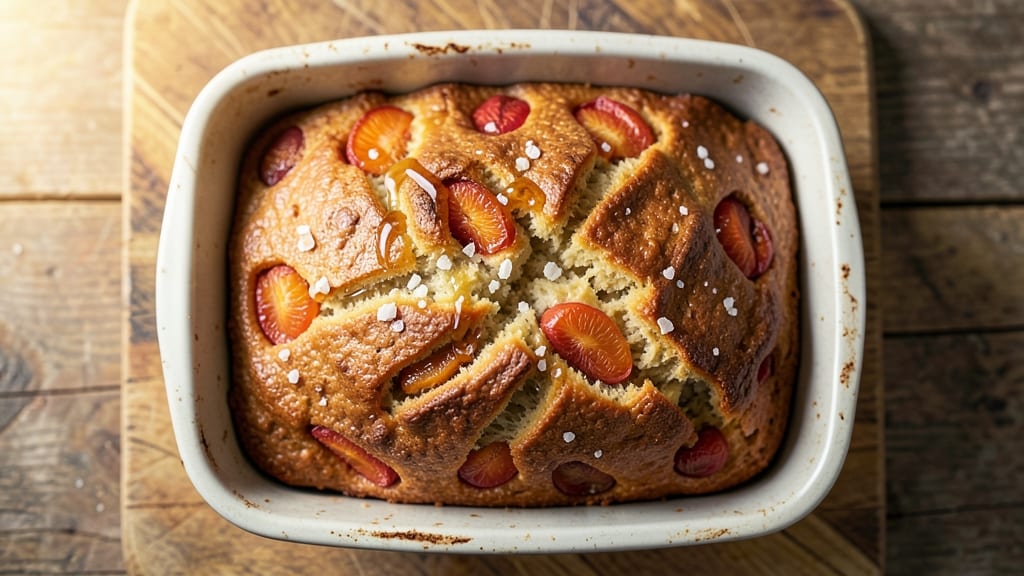
This apricot loaf bread recipe transforms simple ingredients into a golden, fragrant loaf with tender crumb and bursts of sweet apricot jam in every bite. The secret lies in a well-kneaded dough that develops just enough structure to hold its shape while baking, creating that perfect crusty crown you crave.
I've perfected this technique through years of baking—no more dense, dry loaves or jam that leaks out during slicing.
The process begins with a basic bread dough enriched with honey for natural sweetness and moisture, then swirled with apricot jam just before baking. This ensures the jam stays vibrant and sticky, creating those signature pockets of fruit that make each slice irresistible.
The dough rests twice—once to develop flavor and once to relax before shaping—giving you that professional bakery texture at home.
What you'll end up with is a loaf that's crisp on the outside, soft and pillowy inside, with apricot swirls that glisten like caramelized honey.
The aroma alone will have everyone gathering around your kitchen, and the first slice reveals layers of flavor: buttery crust, tender bread, and sweet-tart apricot jam that balances perfectly. This isn't just bread—it's a showstopper side dish that pairs beautifully with soups, cheeses, or even as a sweet breakfast treat.
With just a few simple ingredients and about an hour of active time (plus baking), you'll have a loaf that tastes like it came from a bakery.
The key is patience during the kneading and resting stages—it's what transforms good bread into extraordinary. Let's get started on creating your perfect apricot loaf.
Ingredients for apricot loaf bread
Honey, butter, and apricot jam—just 12 ingredients for bakery-style bread at home.
| Ingredient | Amount | Notes |
|---|---|---|
| All-Purpose Flour 🌾 | 5 cups | Plus 1 tbsp for dusting |
| Active Dry Yeast 🍞 | 2 ¼ tsp | Or 1 packet (2.25 tsp) |
| Granulated Sugar 🍚 | ½ cup | For yeast activation |
| Unsalted Butter 🧈 | ½ cup | Softened, full-fat preferred |
| Honey 🍯 | ¼ cup | Light or wildflower variety |
| Large Eggs 🥚 | 1 whole | Room temperature |
| Whole Milk 🥛 | ¾ cup | Warm for best results |
| Salt 🧂 | 1 ½ tsp | Diamond Crystal preferred |
| Apricot Jam 🍑 | ¾ cup | Unsweetened or lightly sweetened |
| Vanilla Extract 🌸 | 1 tsp | Pure vanilla preferred |
| Cornmeal 🌽 | ¼ cup | For bread pan dusting |
| Coarse Sugar 🍚 | 2 tbsp | For sprinkling on top |
The flour is your foundation, so grab King Arthur or Bob's Red Mill for that perfect crumb. Yeast can be tricky—if it's old, it won't activate. Check the date on the package and use it within 3 months of opening. For the butter, I always go for Plugrá or Land O'Lakes—the full-fat version makes a noticeable difference. The honey should be liquid at room temperature; if it's crystallized, warm it gently in the microwave. Apricot jam? Mott's or Bonne Maman are my go-tos—they're sweet enough to balance the bread's richness without overpowering it.
No honey? Maple syrup works in a pinch, but reduce other liquids slightly to keep the dough from getting too sticky. Out of vanilla? Almond extract at half the amount gives a similar depth. The jam can be swapped for apricot preserves if you prefer a chunkier texture—just thin it slightly with water if it's too thick. For a dietary tweak, use coconut oil instead of butter and omit the egg if needed (add 1 tbsp ground flaxseed + 3 tbsp water for binding). The sugar in the dough helps with browning, but if you're watching sweetness, you can reduce it by 2 tbsp—just add a pinch of cinnamon for warmth.
Store-bought jam stays fresh for months, but once you open it, keep it in the fridge. The dough can be made a day ahead—just shape it, cover, and let it rest in the fridge overnight. The bread itself keeps well for 3-4 days at room temperature, wrapped in a clean kitchen towel. For longer storage, slice and freeze portions—up to 3 months. Reheat slices in a toaster or oven for that fresh-baked crunch. The crust gets crispier the second day, so if you have leftovers, save them for toast or French toast.
Why You'll Love This Recipe
- Sweet Without Sugar Overload: The honey and apricot swirl cut the richness of the butter just enough—naturally sweet but not cloying. My kids grab slices straight from the pan, and honestly? I don’t blame them.
- No-Knead, No-Stress Dough: Mix, let it rise, bake—three steps, zero fuss. The yeast does all the work while you’re scrolling or folding laundry. (Yes, even on a Tuesday night.)
- Breakfast or Snack Any Day: Toast it for a lazy morning, pack it for lunch, or serve it warm with butter. That golden crust stays perfect whether it’s 8 AM or 8 PM.
- Budget-Friendly Luxury: Flour, yeast, and honey are pantry staples—no specialty ingredients, just big flavor. A single batch feeds my family for days, and the leftovers? Pure magic.
Step-by-step instructions for apricot loaf bread
Here's how to create a golden, honey-sweetened loaf with perfect swirls inside.
Activate the Yeast and Mix the Wet Ingredients
In a small bowl, combine the 0.75 cup warm whole milk, 0.5 cup granulated sugar, and 2.25 tsp active dry yeast. Let it sit for 5-10 minutes until foamy—this tells you your yeast is alive and ready to work. I like to check for bubbles every minute during this time; if nothing happens after 10 minutes, your yeast might be dead, and you'll need to start over.
In a separate large bowl, whisk together the 1 whole large egg, 0.25 cup honey, 0.5 cup softened unsalted butter, and 1 tsp vanilla extract. The mixture should be smooth and slightly thickened from the honey. This is your flavor foundation—don't skip the vanilla, as it enhances the apricot notes beautifully.
Combine Dry Ingredients and Form the Dough
Add the 5 cups all-purpose flour and 1.5 tsp salt to the wet ingredients and mix with a wooden spoon until a shaggy dough forms. I prefer using a wooden spoon here because it helps prevent overmixing. Gradually add the yeast mixture and stir until everything comes together into a rough dough.
Turn the dough onto a lightly floured surface and knead for 8-10 minutes until smooth and elastic. You'll know it's ready when it springs back slowly when poked. If the dough feels sticky, add just enough of the reserved 1 tbsp flour for dusting to make it manageable, but don't overdo it—too much flour makes the bread dense.
First Rise and Prepare the Apricot Filling
Place the dough in a lightly greased bowl, cover with a damp towel, and let it rise in a warm place for 1-1.5 hours or until doubled in size. I like to put my oven on its lowest setting with a bowl of hot water inside to create a warm, consistent environment for rising. Poke the dough gently—if it springs back slowly, it's ready.
While the dough rises, prepare the apricot filling by warming the 0.75 cup apricot jam in a small saucepan over low heat for 2-3 minutes until it's soft and spreadable. This step ensures the jam melts smoothly into the dough without creating lumps. Let it cool slightly before using.
Shape the Loaf and Add the Filling
Punch down the risen dough and divide it in half. Roll each half into a 12-inch log, about 3 inches in diameter. Spread the cooled apricot jam evenly over one of the logs, leaving a ½-inch border uncovered. Roll up the second log tightly around the first, sealing the edges to create a sealed swirl.
Place the sealed loaf seam-side down in a 9x5-inch loaf pan that's been lightly coated with 0.25 cup cornmeal. The cornmeal helps create that perfect crusty crown. Cover the loaf with a damp towel and let it rise for another 30-45 minutes until it's just above the pan's rim. This second rise ensures the bread expands properly in the pan.
Bake to Golden Perfection
Preheat your oven to 375°F. Brush the top of the loaf with a little water and sprinkle evenly with the 2 tbsp coarse sugar. This creates a beautiful caramelized crust. Bake for 35-40 minutes until the bread is deep golden brown and sounds hollow when tapped on the bottom.
Remove the loaf from the pan immediately and place it on a wire rack to cool for at least 30 minutes before slicing. The bread will be warmest and most flavorful when sliced fresh from the oven, but it's worth waiting to let the crumb set properly. Slice it thickly to showcase those beautiful apricot swirls inside.
Pro Tips For Making Apricot Loaf Bread
- Warm the Honey: Dump that cold honey straight from the fridge into your dough, and you’ll end up with a loaf that’s unevenly sweet—some parts cloying, others barely touched. Instead, heat the honey in a microwave for 15 seconds (just until it’s pourable but not boiling) before mixing it into the butter. The yeast will activate more evenly, and the apricot flavor will bloom better.
- Knead Until Elastic: I used to eyeball the kneading and wonder why my loaf turned out dense. For this recipe, knead until the dough springs back slowly when poked—about 8-10 minutes by hand or 5-6 minutes in a stand mixer with a dough hook. Over-kneading? No, not here. The apricot filling needs a sturdy structure to hold its shape.
- Proof in Two Stages: Skip the single long rise, and your loaf might collapse under the weight of the apricot filling. First, let the dough rise at room temp until doubled (about 1 hour). Then, after shaping, refrigerate it overnight—yes, overnight. The cold slows the yeast, giving you a tighter crumb and a filling that stays gooey, not soupy.
- Brush Butter on Cool Loaf: Slather that melted butter on the warm loaf, and it’ll pool into a greasy mess. Wait until the bread cools completely (30 minutes out of the oven), then brush with a thin layer of softened butter mixed with a teaspoon of honey. The crust will crisp up perfectly, and the apricot notes will shine through.
Troubleshooting great apricot loaf bread
Dense or Gummy Texture
If your loaf turns out dense or gummy, over-kneading is usually the culprit. Knead for exactly 8-10 minutes—no longer! I've found that using a digital kitchen scale helps me measure dough weight more accurately than volume.
Aim for a dough that's smooth but still slightly tacky to the touch. Also, ensure your yeast is fresh—old yeast won't activate properly, leading to a flat, dense loaf. 💡
Jam Leaking Out
Jam leaking during baking or slicing happens when the dough isn't sealed properly.
Pale or Soggy Crust
A pale, soggy crust often means the oven wasn't hot enough or the bread didn't bake long enough. Preheat your oven for at least 30 minutes before baking to ensure it reaches 375°F. I also recommend brushing the top with water and sprinkling with coarse sugar right before baking—this creates a beautiful caramelized crust. If your oven runs hot, reduce the temperature to 350°F and check for doneness at 30 minutes.
Uneven Rising
Uneven rising often occurs when the dough isn't given enough time to relax after punching down. After the first rise, let the dough rest for 10 minutes before shaping. I've also found that using a proofing basket instead of a bowl can help create a more even rise.
If your kitchen is cold, place the dough in a warm spot—I like using my oven with the light on or a proofing box for consistent results. 🌡️
Dry or Crumbly Bread
Dry, crumbly bread usually means the dough was too stiff or didn't rest long enough.
Burnt Top, Raw Center
This classic baking issue happens when the oven temperature fluctuates. Use an oven thermometer to verify your oven's actual temperature—many home ovens run hot or cold. If the top browns too quickly, tent the loaf with aluminum foil after 20 minutes of baking. For a raw center, extend baking time by 5-10 minutes and check the internal temperature with an instant-read thermometer—it should reach 190-200°F.
Nutrition facts
Frequently asked questions
Can I substitute apricot jam for another fruit spread?
Yes! You can use peach, plum, or even blueberry jam for a different flavor profile. Just ensure it's unsweetened or lightly sweetened to avoid overpowering the bread. For a savory twist, try fig jam or even a thin layer of marmalade—just reduce the honey slightly to balance the sweetness.
How do I store leftover apricot loaf?
Wrap the cooled loaf tightly in plastic wrap or store it in an airtight container at room temperature for up to 3 days. For longer storage, slice and freeze portions for up to 3 months. Toast frozen slices directly from the freezer for that fresh-baked crunch.
Why did my loaf turn out flat?
Flat loaves usually mean the yeast wasn't activated properly or the dough didn't rise long enough. Double-check your yeast by testing it in warm water first—it should foam within 5 minutes. Also, ensure your kitchen is warm enough (above 75°F) for proper rising. A proofing box helps maintain consistent warmth.
Can I make this recipe without a loaf pan?
Shape the dough into a free-form loaf on a baking sheet lined with parchment paper. Brush with egg wash and sprinkle with coarse sugar for a rustic look. Bake at 375°F for 30-35 minutes, checking for doneness at 25 minutes—free-form loaves bake faster than pan loaves.
How can I make this bread less sweet?
Reduce the honey to 2 tablespoons and omit the coarse sugar topping. For extra flavor without sweetness, add 1 teaspoon cinnamon to the dough or use a lightly sweetened jam. The bread will still have natural sweetness from the fruit but won't be overwhelming.