
Main Courses
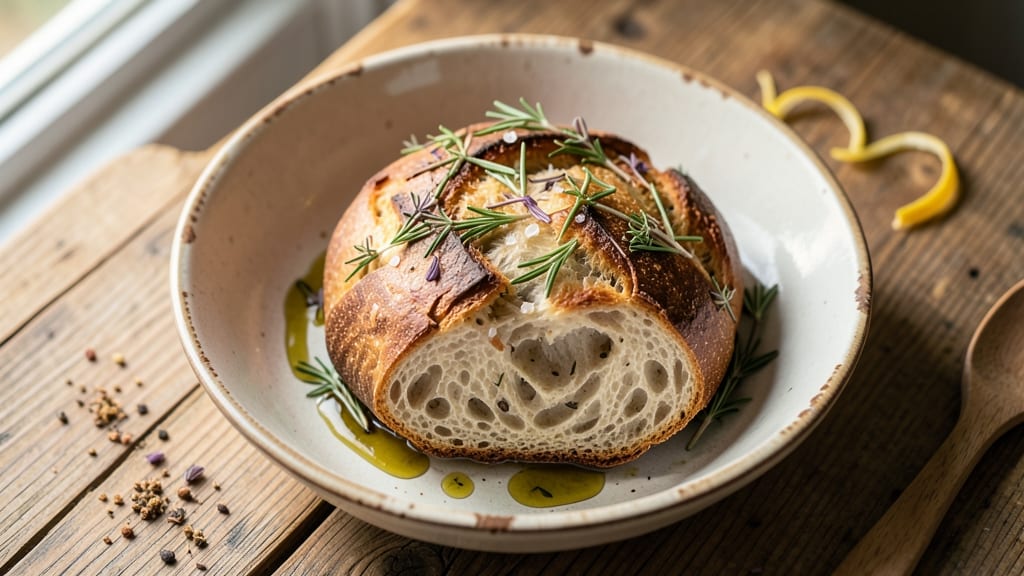
This artisan bread recipe with herbs transforms your kitchen into a rustic bakery with just a few simple ingredients and traditional techniques. The secret lies in blending fresh herbs directly into the dough, creating a fragrant crust and herby crumb that will elevate any meal.
I've perfected this method over years of baking, ensuring a crisp exterior and airy interior that's impossible to resist.
What sets this recipe apart is the careful balance between texture and flavor—each bite delivers a satisfying contrast of crispy crust and soft, herby bread. The herbs infuse throughout the dough, releasing their aromatic oils during baking for a flavor that's far more complex than store-bought loaves.
This method also works beautifully with variations like rosemary-garlic or thyme-honey combinations, giving you endless possibilities.
The process begins with a simple dough that requires just five ingredients, including your choice of fresh herbs. Kneading develops the gluten for that perfect rise, while proper proofing ensures a light, airy texture.
Scoring the dough before baking not only creates that classic artisan look but also helps control the expansion for an even rise.
By the time you pull this bread from the oven, your kitchen will smell like a French bakery, and every slice will be packed with herby goodness.
The crust remains crisp while the interior stays tender, making it perfect for sandwiches, dipping in olive oil, or simply enjoying on its own. Let's get started on creating your own bakery-quality loaf.
Ingredients for artisan bread recipe with herbs
Five simple ingredients plus your favorite herbs transform your kitchen into a rustic bakery.
| Ingredient | Amount | Notes |
|---|---|---|
| All-Purpose Flour 🌾 | 4 cups | Unbleached preferred for flavor |
| Active Dry Yeast 🍞 | ¼ oz | Or 2 1/4 tsp (1 packet) |
| Granulated Sugar 🍚 | 1 tbsp | Feeds yeast for activation |
| Warm Water 💧 | 1 ¼ cups | 110°F for yeast activation |
| Extra-Virgin Olive Oil 🫒 | 2 tbsp | Plus extra for dough |
| Kosher Salt 🧂 | 1 ½ tsp | Diamond Crystal preferred |
| Fresh Rosemary 🌿 | ¼ cup | Finely chopped, stems removed |
| Fresh Thyme 🌿 | ¼ cup | Leaves only, finely chopped |
| Garlic Cloves 🧄 | 2 cloves | Minced or finely chopped |
| Cornmeal 🌽 | ¼ cup | For dusting baking sheet |
| Coarse Sea Salt 🧂 | ½ tsp | For sprinkling crust |
The herbs make or break this bread. Fresh rosemary and thyme from the grocery store's produce section work fine, but farmers market herbs have way more flavor. Look for sprigs with vibrant green leaves and no wilting—those little stems pack the most aroma. I usually grab extra because half gets chopped for the dough and the rest goes on top before baking. If you're feeling fancy, Trader Joe's sells pre-chopped herb blends that save time. For garlic, roasted garlic adds sweetness but fresh minced gives that classic punch. Store-bought yeast is fine, but if you've got a sourdough starter, swap half the water for 1/4 cup starter.
No fresh herbs? Dried will work at one-third the amount, but the flavor won't be as bright. Running low on rosemary? Substitute sage or oregano—just adjust to taste. The olive oil matters here too—cheap oil tastes cheap in bread. If you're out, avocado oil works in a pinch. For the flour, bread flour gives a slightly chewier texture if you've got it. The sugar can be swapped for honey (reduce by 1 tsp), but it won't activate the yeast as well. And if you're baking in a humid climate, reduce the water by 1 tbsp to prevent a gummy dough.
Fresh yeast? Use it within 4 months of the date on the package. Store it in the freezer for longer shelf life. The dough keeps for 24 hours in the fridge if you need to proof overnight—just let it sit at room temp for 1 hour before shaping. Baked loaves stay fresh 3 days wrapped in a towel at room temp, or 1 week frozen. For reheating, wrap in foil and warm at 350°F for 5 minutes. I always make two loaves—one for today, one to freeze for lazy mornings.
Why You'll Love This Recipe
- No-Knead Magic: Honestly, I was skeptical at first—no kneading?—but this dough comes together in five minutes. Just mix the flour, yeast, sugar, and warm water, then let the olive oil and herbs work their charm while you sip coffee.
- Herb-Packed Punch: That first bite? Crispy crust with a soft, fragrant center—thanks to the rosemary or thyme tucked into the dough. The olive oil keeps it moist, but it’s the herbs that make it taste like a sunlit kitchen.
- Weeknight Hero: Between us, this bread is my lazy-dinner sidekick. Toast it for breakfast, tear it for sandwiches, or serve it with soup—it’s the one thing I never regret baking. (Yes, even on a Tuesday night.)
- Budget-Friendly Staple: Five ingredients, zero waste. The leftovers? They last longer than my willpower to resist them. Plus, you’re not just feeding your family—you’re filling your house with the smell of something homemade.
Step-by-step instructions for artisan bread with herbs
Here's how to make a fragrant, herb-infused loaf with a crisp crust and tender crumb.
Activate the Yeast
In a small bowl, combine the 1.25 cups warm water (about 110°F) and 1 tbsp granulated sugar. Sprinkle the 0.25 oz active dry yeast on top and let it sit for 5-10 minutes until it becomes foamy. This tells you the yeast is alive and ready to work—if it doesn't foam, your bread won't rise properly.
While waiting, finely chop the 0.25 cup fresh rosemary and 0.25 cup fresh thyme, removing stems. Mince the 2 cloves garlic into tiny pieces. These herbs will infuse every bite with aromatic flavor, so don't skip the chopping—you want them evenly distributed.
Mix the Dough
In a large bowl, whisk together the 4 cups all-purpose flour and 1.5 tsp kosher salt. Make a well in the center and pour in the yeast mixture along with the 2 tbsp extra-virgin olive oil. Stir with a wooden spoon until the dough starts to come together, then turn it out onto a lightly floured surface.
Knead the dough for 8-10 minutes until smooth and elastic. I press down and fold it repeatedly—this develops gluten, which gives the bread its structure. If the dough feels sticky, add flour 1 tablespoon at a time until it holds together but doesn't stick to your hands.
First Rise
Lightly oil a large bowl, place the dough inside, and cover it with a damp towel. Let it rise in a warm place for 1-2 hours, or until it has nearly doubled in size. You'll know it's ready when you poke it gently and the dough springs back slowly—this means the gluten has relaxed and the bread will have a good oven spring.
While the dough rises, preheat your oven to 425°F. Sprinkle 0.25 cup cornmeal on a baking sheet—this prevents sticking and adds a nice texture to the bottom of your loaf.
Shape and Second Rise
Punch down the risen dough to release air, then shape it into a loaf by folding the ends toward the center and rolling it tightly. Place it seam-side down on the prepared baking sheet. Cover it again and let it rise for another 30-45 minutes—this final rise gives the bread its airy texture.
Before baking, brush the loaf with a little extra olive oil and sprinkle 0.5 tsp coarse sea salt on top. This creates a beautiful, crispy crust while adding a burst of flavor. The salt should stick to the surface—if it doesn't, brush the dough with a tiny bit more oil first.
Bake to Perfection
Bake the bread for 25-30 minutes until the crust is deep golden brown and sounds hollow when tapped on the bottom. The internal temperature should reach 190-200°F—this ensures it's fully cooked without drying out.
Let the bread cool on a wire rack for at least 20 minutes before slicing. This resting time allows the gluten to relax, making each slice easier to cut. The aroma alone will make your kitchen smell like a French bakery—worth the wait!
Pro Tips For Making Artisan Bread Recipe With Herbs
- STRETCH AND FOLD: The dough feels stiff? That’s normal—don’t panic. After kneading, let it rest for 10 minutes, then stretch it gently and fold the edges toward the center. Repeat twice more. This builds gluten without overworking it, and the herbs (like rosemary or thyme) stay evenly distributed instead of getting mashed into the dough.
- TEST YEAST FIRST: Skip the sugar if your yeast isn’t frothy in 5 minutes. Mix 1 tsp yeast with ¼ cup warm water (105–110°F) and a pinch of sugar—if nothing happens in 10 minutes, toss it. Cold water kills yeast; warm water wakes it up. No need to waste a whole batch because you assumed it was fine.
- DON’T SKIP THE OIL: Brush the dough and the baking surface with extra-virgin olive oil before shaping. The oil keeps the herbs (like garlic or oregano) from sticking to your hands and gives the crust a crisp, golden finish. A light coat is enough—no need to drown it.
- BAKE UNTIL 190°F: Your bread’s done when the internal temp hits 190°F, not when it looks brown. Herbs like basil or dill can burn faster, so pull it out early if the crust gets too dark. A thermometer is worth it—overbaking turns artisan bread into a brick, no matter how good the herbs smell.
Creative variations of this artisan bread recipe with herbs
Rosemary-Garlic Twist
Double down on the classic by adding 1 tbsp finely minced garlic directly to the dough along with the herbs. I like to toast the garlic in 1 tbsp olive oil for 2 minutes until golden before mixing it in—this adds depth.
For extra aroma, sprinkle 1 tsp dried rosemary on top before baking. The garlic infuses the entire loaf, creating a flavor that pairs perfectly with soups or roasted vegetables. 🌿
Thyme-Honey Infusion
Swap the sugar for 1 tbsp honey and boost the thyme to 0.5 cup for a sweeter, floral variation. The honey caramelizes during baking, creating a subtle sweetness that balances the herby notes.
I also add ½ tsp cinnamon to the dough for warmth. This version works beautifully as a breakfast loaf with butter or as a dessert with a drizzle of honey. 🍯
Savory Sun-Dried Tomato
For a Mediterranean-inspired twist, finely chop ¼ cup sun-dried tomatoes and mix them into the dough along with ¼ cup fresh basil. The tomatoes add a tangy depth that pairs beautifully with the herbs.
Before baking, top the loaf with 1 tbsp olive oil and 1 tbsp chopped sun-dried tomatoes for extra flavor. This variation is perfect for charcuterie boards or as a side for grilled meats. 🍅
Spicy Chili-Lime Herb
Add a kick by mixing in ½ tsp chili flakes and 1 tsp lime zest with the herbs. The lime brightens the flavor while the chili adds warmth. For extra zing, brush the baked loaf with 1 tbsp lime juice before serving.
This variation is fantastic with spicy dishes or as a wrap for tacos. The herbs and lime create a refreshing contrast that keeps every bite exciting. 🌶️
Whole Wheat Herb Loaf
Swap 2 cups all-purpose flour for 2 cups whole wheat flour to add fiber and a nuttier flavor. The herbs shine even more in this variation because the whole wheat absorbs their oils better.
For balance, add 1 tbsp honey to the dough to counteract any dryness. This version is heartier and pairs well with hearty stews or as a sandwich bread. 🌾
Cheesy Herb Delight
For a richer variation, fold in ½ cup shredded Gruyère or Parmesan cheese during the final kneading stage. The cheese melts slightly during baking, creating pockets of gooey goodness.
Top the loaf with extra herbs and a sprinkle of coarse sea salt before baking. This version is perfect for sharing—every slice feels like a little treat. 🧀
Nutrition facts
Frequently asked questions about artisan herb bread
Can I use dried herbs instead of fresh?
Yes, but use only one-third the amount of dried herbs compared to fresh. For example, if the recipe calls for ½ cup fresh rosemary, use just 1 tbsp dried rosemary. Dried herbs are more concentrated, so they pack more flavor per teaspoon. The texture will be slightly different, but the aroma will still shine through beautifully.
Why did my bread not rise properly?
Most likely, your yeast wasn't activated or the dough didn't proof in a warm enough environment. Always test your yeast first by mixing it with warm water and sugar—it should foam within 5-10 minutes. Keep your dough in a place around 75-80°F (like a turned-off oven with a bowl of hot water inside) for optimal rising. Cold environments slow yeast activity.
How do I store leftover herb bread?
Wrap the cooled loaf tightly in a clean kitchen towel or beeswax wrap, then place it in a paper bag at room temperature. This keeps it fresh for 3 days. For longer storage, freeze slices wrapped in plastic wrap—they'll stay good for 1 month. To reheat, wrap slices in foil and warm at 350°F for 5 minutes until crispy again.
What's the best way to slice this bread?
Always let the bread cool completely on a wire rack for at least 20 minutes before cutting. Use a sharp serrated knife and saw back and forth gently—don't force it. For even slices, place a ruler along the loaf as a guide. The herbs make the bread slightly denser, so sharp tools prevent crumbling.
Can I add other flavorings besides herbs?
Try 1 tsp lemon zest for brightness, ½ tsp smoked paprika for depth, or even 1 tbsp grated Parmesan for richness. Just