
Side Dishes
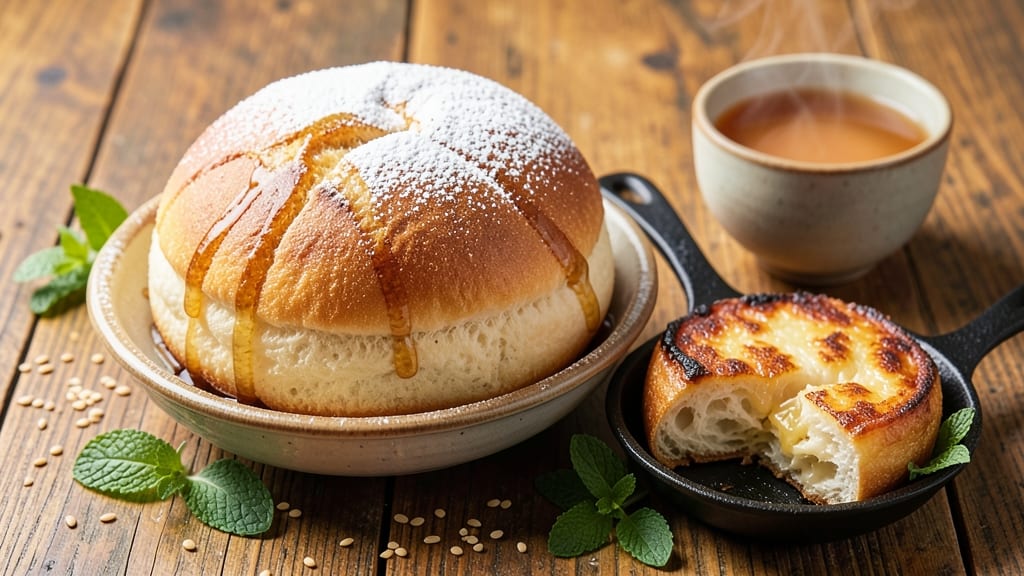
This Asian soft bread recipe delivers the perfect balance of pillowy texture and buttery sweetness that makes every bite irresistible. 💛 The secret lies in a simple dough that transforms into fluffy, melt-in-your-mouth clouds when steamed or baked—just like the soft breads you find in Asian bakeries.
Whether you're making traditional mantou or modern bao rolls, this recipe ensures a tender crumb and golden exterior that's impossible to resist.
The process is straightforward but requires patience for the best results. You'll mix a basic dough with flour, yeast, sugar, and butter, then let it rest to develop flavor and texture.
Shaping the dough into balls or rolls is where the magic happens—rolling them gently creates those signature smooth surfaces that steam into perfect pillows. The key to achieving that cloud-like softness is steaming or baking at just the right temperature.
What makes this recipe truly special is its versatility. You can enjoy these soft breads plain, stuffed with sweet red bean paste, or filled with savory pork or cheese for a modern twist.
The aroma alone will fill your kitchen with warmth, while the texture is so tender it practically melts in your mouth. This is comfort food at its finest—simple yet impressive enough for any occasion.
Best of all, this recipe scales easily for gatherings, making it perfect for family meals or special occasions. Once you try homemade Asian soft bread, you'll never go back to store-bought versions again. Let's get started on creating these delicious pillowy clouds!
Ingredients for asian soft bread
Twelve simple ingredients transform into twelve pillowy clouds of buttery sweetness—just like your favorite Asian bakery.
| Ingredient | Amount | Notes |
|---|---|---|
| All-Purpose Flour 🌾 | 4 cups | Sifted for best texture |
| Active Dry Yeast 🍞 | 2 ¼ tsp | One packet for convenience |
| Granulated Sugar 🍚 | ¼ cup | For subtle sweetness |
| Unsalted Butter 🧈 | ½ cup | Cold, cubed for mixing |
| Warm Water 💧 | 1 ¼ cups | 110°F for yeast activation |
| Large Egg 🥚 | 1 whole | Room temperature preferred |
| Salt 🧂 | ½ tsp | Kosher or sea salt |
| Vegetable Oil 🫒 | 1 tbsp | For dough shaping |
| Sesame Seeds 🌻 | 1 tbsp | Optional for topping |
The butter is where the magic happens—European-style butter like Plugrá or Land O'Lakes gives the best flavor. If you're in a pinch, any unsalted butter works, but don't skip the cold cubes—they create those tender pockets of air. For the yeast, Fleischmann's or Saf-Instant are reliable brands, but check the expiration date—yeast loses power fast. The flour? Gold Medal or King Arthur are my go-tos for that perfect tender crumb. If you're making a big batch, Costco sells flour in bulk, which saves money and gives you that restaurant-quality texture.
No sesame seeds? Poppy seeds or everything bagel seasoning work too—just sprinkle them lightly after baking. Short on butter? Coconut oil or neutral oil keeps things vegan, though the flavor won't be quite the same. The dough needs to rest, so don't rush this part—at least 1 hour is ideal, but up to 24 hours in the fridge gives even better flavor. If you're stuffing these, red bean paste or spicy pork are classic choices, but cream cheese or Nutella work for a modern twist. The key is shaping them gently—don't press too hard or they'll lose that signature softness.
Freshly made dough keeps for 2 days in the fridge, wrapped tightly in plastic. For longer storage, freeze shaped dough balls for up to 3 months—just steam or bake straight from frozen. These breads reheat beautifully—wrap in foil and warm in a 350°F oven for 5 minutes to restore that soft, cloud-like texture. Make a double batch: they disappear fast, especially when you're sneaking bites straight from the steamer.
Why You'll Love This Recipe
- No-Knead Magic: I swear by this dough—just mix, let it rise, and shape. No stand mixer, no fancy tools, just a bowl and patience (the good kind, where you sip tea while waiting).
- Buttery Clouds: That warm butter folded into the dough? It melts into little pockets of heaven. The outside stays soft, the inside stays tender—no dry bites here, just pure, pillowy satisfaction.
- Breakfast to Snack: I keep a batch in the fridge for days. Toast it with jam for breakfast, stuff it with egg salad for lunch, or serve it warm with soup—it’s the ultimate blank canvas.
- Budget Stretch: Five ingredients, endless uses. A single batch feeds my family for three meals, and the yeast and sugar cost pennies. Leftovers? They disappear faster than I can reheat them.
Step-by-step instructions for Asian soft bread
Here's how to craft these melt-in-your-mouth pillows with irresistible buttery sweetness inside.
👨🍳 Step 1: Activate the Yeast for Maximum Rise
In a small bowl, whisk together the 1.25 cups warm water (should feel like bathwater, 110°F) with the 0.25 cup granulated sugar and 2.25 tsp active dry yeast. Let it sit for 5-10 minutes until frothy with bubbles—this proves your yeast is alive and ready to work its magic.
I always do this test first because nothing's worse than waiting hours for dough to rise only to find dead yeast. If you don't see bubbles after 10 minutes, your yeast might be expired. Toss it and start fresh with a new packet.
🍳 Step 2: Mix the Dough Until Silky Smooth
In a large mixing bowl, combine the 4 cups all-purpose flour (sifted for that perfect light texture) and 0.5 tsp salt. Make a well in the center and pour in the yeast mixture along with the 1 whole large egg and 0.5 cup cold unsalted butter cut into small cubes.
Mix with a wooden spoon first, then switch to your hands to knead for 5-7 minutes until the dough comes together and feels smooth. The butter should be fully incorporated but still visible in small flecks—this creates those signature buttery pockets. If it's too sticky, add 1 tablespoon flour at a time until it's workable.
🔥 Step 3: Knead and Rest for Perfect Texture
Lightly oil the bowl with 1 tablespoon vegetable oil, place the dough inside, cover with a damp towel, and let it rise in a warm place for 1-1.5 hours or until doubled in size. I like to put it near the oven with the light on for consistent warmth—this creates that ideal environment for the yeast to work its magic.
After the first rise, punch down the dough to release air, then divide it into 12 equal balls (about 2-inch diameter each). Place them on a baking sheet lined with parchment paper, cover again, and let them rise for another 30-45 minutes. They should puff up noticeably but not touch each other.
🔥 Step 4: Bake to Golden Perfection
Preheat your oven to 375°F while the dough rises. Brush the tops of each bread ball with a little water, then sprinkle generously with 1 tablespoon sesame seeds for that classic Asian touch. Bake for 15-18 minutes until they're golden brown all over and sound hollow when tapped on the bottom.
Here's the secret: Don't overbake! They'll continue cooking as they cool, and you want that soft, pillowy interior. The moment they're golden, remove them from the oven and let them cool on a wire rack for 10 minutes before serving. The contrast of warm, soft bread with crispy sesame seeds is what makes these irresistible.
⏰ Step 5: Serve Warm for Maximum Enjoyment
Serve your Asian soft breads warm—this is when they're at their absolute best! I like to split them open and spread with a little butter or jam, or serve them alongside soups and stews. The inside should be incredibly soft with those buttery pockets we created earlier, while the outside remains slightly crispy from the sesame seeds.
Pro tip: If you can't eat them all at once, store them in an airtight container at room temperature for up to 2 days. To revive, warm them in the oven at 350°F for 5 minutes—they'll taste almost as good as fresh!
Pro Tips For Making Asian Soft Bread
- Use Room-Temp Butter: Cold butter creates tough, dense bread—this isn’t brioche. Let that unsalted stick sit out for 30 minutes before mixing, or even better, microwave it in 10-second bursts until it yields slightly when pressed. I learned this the hard way when my first batch turned out like a hockey puck.
- Weigh Your Flour: Scooping flour from the bag packs in air, which means your dough will be drier and less tender. Use a kitchen scale for the 500g (or whatever your recipe calls for) and spoon it directly into the bowl—no tapping or pressing. Your bread’s texture will thank you, and you won’t end up with a sad, crumbly mess.
- Don’t Overproof the Dough: This bread rises fast, and it’s easy to let it sit too long while you “check one last time.” Once the dough has doubled in size, stop. Overproofing makes the bread collapse when baking or turn gummy. Set a timer if you’re distracted—trust me, your future self will be annoyed at that sunken loaf.
- Shape Tightly, Seal Well: Roll the dough into a smooth, taut ball—no loose edges or cracks. Pinch the seams shut and tuck them under so they don’t unravel while baking. I used to rush this, and the bread would split open prematurely. Take the extra 30 seconds; it’s the difference between a pretty, pillowy loaf and a sad, flat one.
Troubleshooting your asian soft bread
Dense Dough?
If your dough feels too dense or heavy after kneading, you likely added too much flour or didn’t knead long enough. Try reducing flour by 1-2 tablespoons and kneading for an extra 2-3 minutes—this develops gluten properly.
For extra tenderness, replace 1 tablespoon of flour with 1 tablespoon cornstarch in the dough. 💫
Not Rising Properly?
Cold kitchen or dead yeast are the usual culprits. Move your dough to a warmer spot—try placing it near the oven with the light on (around 80°F). If using active dry yeast, ensure your water is 110°F (like bathwater) and wait 5-10 minutes for frothy bubbles.
For instant yeast, skip the proofing step and mix it directly into dry ingredients.
Flat or Dense After Baking?
Overproofing or underbaking often causes this. Check your dough’s rise time—it should double in 1-1.5 hours. If it takes longer, your yeast may be weak. For baking, aim for 15-18 minutes at 375°F until golden.
If they’re still flat, try steaming them for 10-12 minutes in a bamboo steamer over boiling water for that classic soft texture.
Butter Not Melting In?
Cold butter cubes need to stay cold during mixing to create those signature pockets. If your dough feels greasy or butter pools, chill the dough for 15 minutes before shaping. For extra buttery flavor, replace 1 tablespoon of water with 1 tablespoon melted butter in the yeast mixture.
Sesame Seeds Not Sticking?
Brush the tops with a light coat of egg wash (1 egg + 1 tablespoon water) before sprinkling sesame seeds. For extra adhesion, lightly toast the seeds in a dry pan for 1-2 minutes until fragrant, then sprinkle immediately.
If you’re short on sesame, try poppy seeds or crushed peanuts for a different crunch.
Dough Too Sticky?
Add flour 1 tablespoon at a time until the dough is just workable—over-flouring makes bread dense. For a no-fuss fix, wet your hands slightly while shaping to prevent sticking. If the dough still clings, dust your work surface with semolina or rice flour instead of regular flour for better texture.
Nutrition facts
Frequently asked questions
Can I make this recipe without butter?
Yes! For a lighter version, replace the 0.5 cup butter with 0.5 cup neutral oil (like vegetable or canola) or 0.4 cup coconut oil for a subtle flavor. The texture will be slightly less rich, but still tender. For extra flavor without butter, add 1 teaspoon vanilla extract or 1 tablespoon honey to the dough.
How do I get that ultra-soft texture like bakery versions?
The secret is a longer fermentation and proper technique. Let the dough rest in the fridge for 12-24 hours before shaping—this develops deeper flavor and a lighter crumb. Also, steam the breads for 10-12 minutes in a bamboo steamer over boiling water instead of baking for that signature cloud-like softness.
What are good fillings for stuffed versions?
Classic options include red bean paste (sweet) or spicy pork (savory), but modern twists work too! Try cream cheese + jam, Nutella + banana slices, or shredded chicken + cheese. For the best results, keep fillings small (1 teaspoon per bread) and seal the edges tightly with a bit of egg wash.
Can I make these ahead of time?
Shape the dough balls and refrigerate them overnight for up to 24 hours. The next day, steam or bake as directed—they'll rise beautifully. For longer storage, freeze shaped dough balls (uncooked) for 3 months. Thaw in the fridge overnight, then steam or bake straight from frozen (add 2-3 extra minutes to baking time).
Why did my bread turn out dense instead of fluffy?
Dense bread usually means over-kneading, underproofing, or using too much flour. Check your yeast first—it should bubble within 5-10 minutes in warm water. Also, ensure your dough doubles in size during the 1-1.5 hour rise. If it's still flat, try steaming instead of baking for that classic soft texture.