
Side Dishes
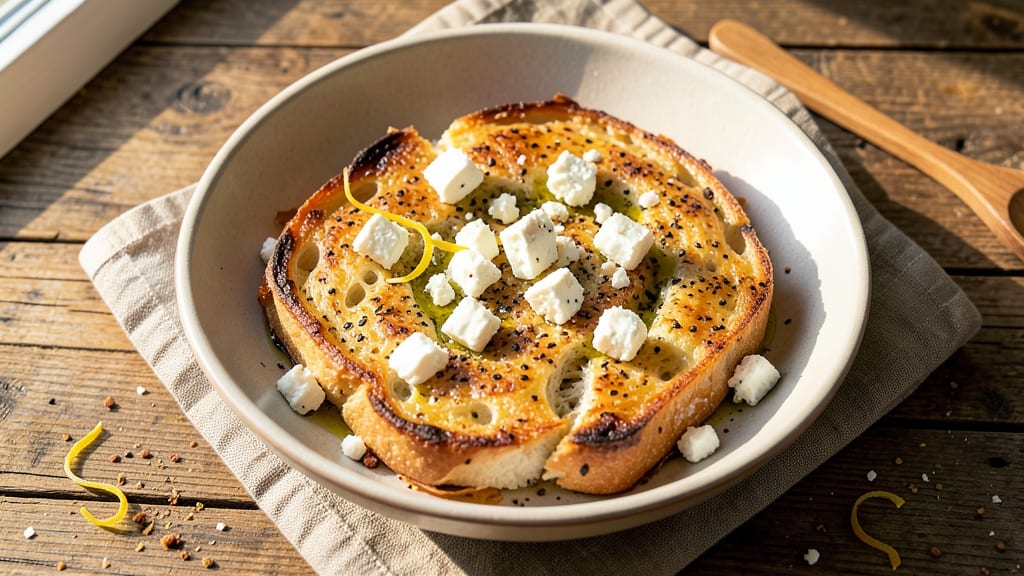
Aubree's feta bread recipe delivers that perfect balance of crispy golden crust and creamy, tangy feta swirls that make every bite irresistible. I developed this recipe after years of perfecting the art of cheese-studded bread, where the dough's airy texture contrasts beautifully with the salty, briny feta.
The secret lies in folding the cheese into the dough at just the right moment—too early, and it melts away; too late, and it doesn't distribute evenly.
What sets this recipe apart is its foolproof technique for achieving that signature crispy crust without sacrificing the soft, pillowy interior. You'll work with a simple yeast dough enriched with olive oil, then layer in blocks of feta before shaping it into a loaf.
The dough rises twice—once to develop flavor, and again after shaping to ensure that perfect rise. Baking at high heat creates that coveted crust, while the feta melts into gooey, savory pockets.
By the time it emerges from the oven, you'll have a loaf with a crispy, golden-brown exterior that shatters slightly when you break it open, revealing tender layers of dough and melted feta.
The aroma alone will have everyone gathering around the table, and the first bite delivers that perfect harmony of textures and flavors. This bread is equally at home as an appetizer, alongside a charcuterie board, or as a side to any main dish.
The best part? This recipe scales effortlessly, making it perfect for gatherings or meal prep. Once you try it, you'll never go back to store-bought feta bread again. Let's get started on creating your own loaf of restaurant-quality goodness.
Ingredients for aubree's feta bread
The secret to Aubree's feta bread lies in these 12 ingredients—where crispy crust meets tangy cheese swirls.
| Ingredient | Amount | Notes |
|---|---|---|
| Active Dry Yeast 🍞 | 2 ¼ tsp | One packet, dissolved in warm water |
| Warm Water 💧 | 1 ¼ cups | 110°F for yeast activation |
| All-Purpose Flour 🌾 | 4 ½ cups | Plus extra for dusting |
| Granulated Sugar 🍚 | 1 tbsp | Feeds the yeast |
| Salt 🧂 | 1 ½ tsp | Diamond Crystal preferred |
| Extra-Virgin Olive Oil 🫒 | ½ cup | For enriched dough |
| Block Feta Cheese 🧀 | 1 cup | Cubed, salty variety |
| Large Eggs 🥚 | 1 whole | Room temperature |
| Semolina Flour 🌾 | 2 tbsp | For dusting loaf pan |
| Cornmeal 🌽 | 2 tbsp | For bread board or pan |
| Sesame Seeds 🌻 | 1 tbsp | Optional for topping |
| Coarse Sea Salt 🧂 | 1 tsp | For sprinkling crust |
The feta makes this bread special, so pick a salty, briny block—none of that crumbly pre-shredded stuff. I grab mine from the deli counter at Whole Foods or Trader Joe's because their feta has that perfect melt. Cube it yourself for even distribution. For the flour, King Arthur or Gold Medal brands give the best texture—no weird additives. And that yeast? Fresh is key—if it smells old or has lost its aroma, toss it. The olive oil should be fruity and peppery—California brands like Corto or Colavita work perfectly.
No sesame seeds? Poppy seeds or everything bagel seasoning add a nice contrast. Short on feta? Gouda or halloumi cubes work in a pinch, but nothing beats that salty tang. The semolina is non-negotiable for that crispy crust—it's what gives the bread its signature shatter. If you can't find it, fine cornmeal works too. The dough needs to be soft but not sticky, so add extra flour 1 tbsp at a time if needed. And that egg? Room temperature—cold eggs make the dough tough.
This bread tastes even better the next day, so make a double batch for sandwiches. Store wrapped at room temp for 2 days or freeze for 3 months. To reheat, wrap in foil and warm at 350°F for 10 minutes. The crust gets extra crispy when toasted—worth the extra minute. Feta bread freezes beautifully too—just thaw overnight in the fridge before serving.
Why You'll Love This Recipe
- No-Knead Magic: I swear by this—just mix the yeast, water, and flour, let it rise while you make dinner, and boom. No stand mixer, no overworking the dough, just hands-off perfection.
- Feta’s Secret Weapon: That salty, tangy feta crumbles right into the dough, so every bite has this bright, briny punch. Honestly? It’s the kind of flavor that makes people ask, “What’s in this?”
- Weeknight & Picnic Star: Slice it fresh for sandwiches, toast it for breakfast, or pack it for a picnic. Between us, it’s my go-to when I need something that’s equally great warm or cold.
- Budget Baking Wins: Five ingredients, zero specialty items, and it stretches to feed four—or turns into croutons for days. My wallet and my fridge both love this trick.
Step-by-step instructions for Aubree's feta bread
This dough comes together with simple steps—just watch for the perfect rise and golden crust.
Activate the Yeast and Mix the Dough
In a large bowl, combine the 2.25 teaspoons active dry yeast with the 1.25 cups warm water (about 110°F) and the 1 tablespoon granulated sugar. Let it sit for 5-10 minutes until foamy—this tells you the yeast is alive and ready to work. If it doesn’t bubble, your yeast might be dead, and you’ll need to start over.
In a separate bowl, whisk together the 4.5 cups all-purpose flour and the 1.5 teaspoons salt. Pour the yeast mixture into the flour and stir until combined. Then, add the 0.5 cup extra-virgin olive oil and the 1 whole large egg. Mix with a wooden spoon or your hands until a shaggy dough forms. The dough should be sticky but manageable—if it’s too dry, add a splash of warm water.
Knead Until Smooth and Elastic
Turn the dough onto a lightly floured surface and knead for 8-10 minutes until smooth and elastic. You’ll know it’s ready when it springs back slowly when poked. If the dough feels too sticky, wet your hands slightly to prevent sticking. Kneading develops gluten, which gives the bread its structure and that satisfying chew.
Place the dough in a lightly oiled bowl, cover with a damp towel, and let it rise in a warm place for 1-2 hours, or until doubled in size. I like to turn on my oven light to create a warm, cozy environment—this helps speed up the rise without overworking the yeast.
Fold in the Feta and Shape the Loaf
Once the dough has risen, punch it down to release the air and fold in the 1 cup cubed block feta cheese. The feta should be evenly distributed throughout the dough—this ensures every bite has that tangy, salty surprise. Shape the dough into a loaf and place it seam-side down in a 9x5-inch loaf pan lightly dusted with 2 tablespoons semolina flour. This prevents sticking and adds a subtle nutty flavor.
Cover the pan with a damp towel and let the dough rise again for 30-45 minutes, until it’s puffy and just about overflowing the pan. The edges should look slightly rounded, and the top should have risen noticeably. If it doesn’t rise much, give it a little more time—patience here ensures a lighter, airier bread.
Bake to a Golden, Crispy Crust
Preheat your oven to 375°F. Brush the top of the dough with a little water or olive oil, then sprinkle with 1 tablespoon sesame seeds and 1 teaspoon coarse sea salt for extra flavor and texture. Bake for 30-35 minutes, until the crust is deep golden brown and the internal temperature reaches 190°F. The bread should sound hollow when tapped on the bottom.
Let the bread cool in the pan for 10 minutes, then transfer it to a wire rack to cool completely. The crust will firm up as it cools, but it’s worth the wait—those crispy edges are what make this bread so irresistible. Slice it thick for hearty portions, and you’ll get that perfect mix of soft, chewy interior and crunchy exterior.
Pro Tips For Making Aubree'S Feta Bread
- TEST YEAST TEMPERATURE: Stick your finger in that warm water—it should feel like bathwater, not sauna steam. If it’s too hot, the yeast will die before it even gets to work; too cold, and you’re waiting forever. Aim for 105–110°F (40–43°C), and if you don’t have a thermometer, the "finger test" is foolproof.
- SALT THE DOUGH NOW: Toss in half the salt with the yeast and water, then the rest with the flour. Why? Salt slows yeast activity, so adding it early gives you more control over rise time—especially if your kitchen runs warm. (Yes, even if you’re impatient like me.)
- KNEAD UNTIL SILKY: Stop when the dough springs back when poked and looks smooth, not sticky. Over-kneading makes gluten tough; under-kneading leaves it dense. If it’s sticking, wet your hands and the work surface—just don’t drown it. (This isn’t the prettiest method, but it’s the tastiest.)
- COVER WITH TOWELS: Skip the plastic wrap—it traps too much moisture and makes the dough soggy. Instead, drape a clean kitchen towel over the bowl. It breathes better, prevents a sticky mess, and keeps the yeast happy. (Your future self will thank you.)
Essential equipment for this dish
Must-Have Pan
You’ll need a 9x5-inch loaf pan—I recommend Nordic Ware or Wilton for their even heat distribution. Avoid nonstick pans; they don’t crisp the crust properly. If you don’t have one, a 9x5-inch metal baking dish works in a pinch.
Lightly dust it with semolina flour before adding the dough to prevent sticking and add that signature nutty flavor. 🌾
Dough Tools
For kneading, a wooden dough scraper (like the OXO Good Grips) saves your hands and ensures clean edges. A stand mixer with a dough hook (like KitchenAid) cuts kneading time to 3-4 minutes—just attach the hook and mix on medium speed until smooth.
If mixing by hand, use a large mixing bowl with at least 5-quart capacity to avoid spills.
Cheese Prep
Cube the block feta into ½-inch pieces for even melting. I use a sharp chef’s knife or a mandoline for consistency. Avoid pre-shredded feta—it’s packed with anti-caking agents that prevent proper melting.
For extra tang, I sometimes mix in ½ cup crumbled feta into the dough for pockets of intense flavor. 🧀
Baking Essentials
A digital instant-read thermometer (like ThermoWorks Thermapen) ensures your bread reaches 190°F internal temperature—critical for doneness. For the crust, a pastry brush (I love OXO’s silicone brush) helps spread olive oil or egg wash evenly.
And don’t skip the wire cooling rack—it prevents soggy bottoms by allowing air circulation.
Optional Upgrades
For a professional touch, invest in a banneton proofing basket ($20-$30) to shape the dough before baking—it creates beautiful patterns. A steam pan (like Lodge’s cast-iron version) adds steam during baking for an extra-crisp crust.
If you’re baking multiple loaves, a baking stone ($20) helps distribute heat evenly for consistent results. ✨
Nutrition facts
Frequently asked questions
Can I substitute block feta with crumbled feta?
No, block feta is essential for this recipe! Crumbled feta contains anti-caking agents that prevent proper melting and create dry pockets in the bread. If you absolutely must use crumbled feta, mix only ½ cup into the dough (not the full amount) for occasional flavor bursts, but the texture won't be the same.
Why did my bread turn out dense instead of light and airy?
Dense bread usually means the yeast didn't activate properly or the dough didn't rise enough. Double-check your water temperature (110°F) and yeast freshness. Also ensure the dough doubled in size during both rises—if your kitchen is cold, try placing the bowl near a warm oven with the light on to help it rise faster.
How do I store feta bread to keep it fresh longer?
Wrap the cooled loaf tightly in plastic wrap or aluminum foil to lock in moisture. Store at room temperature for 2 days or freeze for up to 3 months. To reheat, wrap in foil and warm at 350°F for 10 minutes—this restores the crust's crispiness. For extra freshness, sprinkle with a little olive oil before storing.
Can I make this bread without a loaf pan?
Yes! Shape the dough into a free-form loaf on a baking sheet lined with parchment paper. For better rise, place it on a baking stone or inverted baking sheet in the oven. Brush with olive oil before baking and sprinkle with sesame seeds and salt. The crust will be slightly different but still delicious!
What's the best way to slice feta bread?
Use a sharp bread knife and slice ½-inch thick portions for the perfect balance of crust and soft interior. For sandwiches, cut ¾-inch thick slices. Always let the bread cool completely first—warm bread sticks to the knife and creates gummy slices. A serrated knife works best for clean cuts through the feta pockets.