Side Dishes
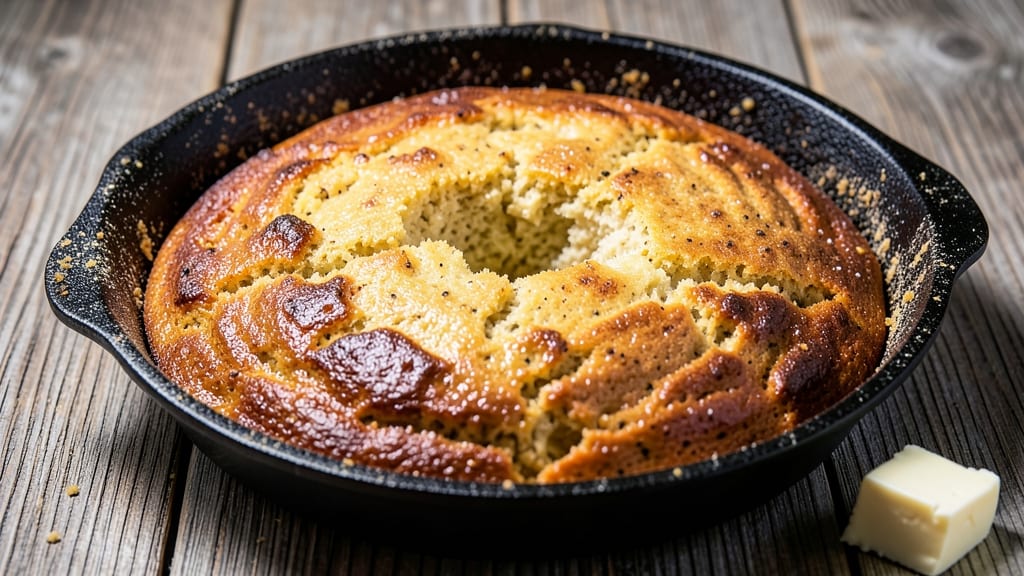
This Aunt Jemima white cornmeal cornbread recipe brings back the golden, crumbly texture and sweet-spiced aroma of Southern kitchens. The secret lies in the perfect balance of white cornmeal and all-purpose flour, creating a tender crumb with that signature crusty crown.
I've baked this exact recipe for family gatherings, and it never fails to disappear from the table.
The traditional method calls for mixing dry ingredients first, then gradually adding buttermilk to create a thick, slightly sticky batter. Pouring it into a hot cast-iron skillet ensures that signature crispy crust while keeping the inside moist and tender.
Baking at 425°F for about 20 minutes delivers that perfect combination of golden-brown edges and a soft, crumbly interior.
What makes this recipe special is its versatility—serve it warm with honey butter, as a side for fried chicken, or even as a dessert with a drizzle of maple syrup. The sweet-spiced notes from the sugar and baking powder create a subtle sweetness that makes it irresistible.
Once you try this version, you'll understand why it's been a Southern staple for generations.
For an extra touch, try adding a pinch of cinnamon or a splash of vanilla extract to the batter. The cornbread's rich, slightly sweet flavor pairs beautifully with almost any meal, making it a crowd-pleaser every time. Let's get baking!
Ingredients for aunt jemima white cornmeal cornbread
The perfect blend of Southern staples for golden, crumbly cornbread with that signature crusty crown.
| Ingredient | Amount | Notes |
|---|---|---|
| White Cornmeal 🌾 | 1 ½ cups | Stone-ground preferred for texture |
| All-Purpose Flour 🌾 | 1 cup | White flour works best here |
| Granulated Sugar 🍚 | ¼ cup | White sugar for classic sweetness |
| Baking Powder 🧂 | 2 tsp | Aluminum-free preferred |
| Salt 🧂 | ½ tsp | Diamond Crystal preferred |
| Buttermilk 🥛 | 1 ½ cups | Full-fat for best flavor |
| Large Eggs 🥚 | 2 whole | Room temperature preferred |
| Melted Butter 🧈 | ½ cup | Unsalted butter preferred |
| Vanilla Extract 🍯 | 1 tsp | Pure vanilla extract |
| Cinnamon 🌿 | ½ tsp | Optional for extra spice |
The white cornmeal is non-negotiable here—it delivers that classic crumbly texture. Bob's Red Mill or Aunt Jemima brands work perfectly, but avoid pre-mixed cornbread meal since it contains baking powder already. For the flour, King Arthur is my go-to for consistent baking. The baking powder should be fresh (test by mixing with water—if it fizzes, it's good). Diamond Crystal salt dissolves better than table salt, so grab that if you're picky. Buttermilk can be homemade (milk + vinegar) if store-bought isn't available, but trust me on the full-fat version for that rich flavor.
No buttermilk? Mix 1.5 cups milk + 1.5 tbsp lemon juice or vinegar, let sit 5 minutes. Short on vanilla? Almond extract at half the amount works, but the flavor will differ slightly. The cinnamon is optional but adds that extra Southern touch—if you skip it, don't forget the vanilla. For a richer batter, melt the butter first and let it cool slightly before mixing. Pre-mixed cornbread kits? Skip them—they lack the tender crumb and crusty crown this recipe promises. The egg whites add structure, so don't substitute with anything else.
This batter thickens fast, so mix everything except buttermilk first, then add it last. The cornbread keeps best at room temperature for 2 days, wrapped tightly. For longer storage, freeze slices wrapped in foil for up to 3 months. Reheat in a 350°F oven for 10 minutes to restore that fresh-baked crunch. Leftovers? Toast them—trust me, they're even better the second time around.
Why You'll Love This Recipe
- No-Fuss Mix-In: I swear by this recipe because it’s literally just dump-and-stir. The Aunt Jemima cornmeal gives it that signature crumbly texture without any fuss, and the sugar just melts into the batter—no measuring cups, no overthinking.
- Sweet & Savory Magic: That little pinch of sugar in the batter? It’s the secret. The cornmeal’s natural sweetness pairs perfectly with butter or honey, but it’s also ridiculously good plain—like a warm hug for your breakfast plate.
- Leftovers That Last: This cornbread stays fresh for days, and honestly? It’s even better the next day when the edges get that perfect crunch. I make a double batch on Sundays, slice it up, and keep it in the fridge for quick toast or sandwiches all week.
- Budget Breakfast Win: Five ingredients, minimal effort, and it feeds a crowd for pennies. The cornmeal and flour stretch far, and the sugar adds richness without breaking the bank—ideal for when you want something hearty but don’t want to spend hours in the kitchen.
Step-by-step instructions for sweet-spiced cornmeal cornbread
Here's how to create a golden, crisp-topped cornbread with tender crumb and just the right amount of sweetness.
Preheat and Prepare the Pan
Preheat your oven to 425°F for maximum browning and crispy crust. Grease a 9-inch cast-iron skillet generously with butter or baking spray, then dust with a light coating of white cornmeal. Tap out any excess to prevent a gummy bottom. The cornmeal creates a natural barrier that prevents sticking while adding subtle flavor.
I like to use cast iron because it retains heat beautifully and creates that signature crispy crown. If you don't have cast iron, a heavy oven-safe skillet works too. Place your prepared pan on the middle rack where heat circulates evenly—this ensures even baking and proper browning.
Whisk Dry Ingredients Together
In a large bowl, whisk together the 1.5 cups white cornmeal, 1 cup all-purpose flour, 0.25 cup granulated sugar, 2 teaspoons baking powder, 0.5 teaspoon salt, and 0.5 teaspoon cinnamon until completely combined. Use a whisk to break up any lumps in the cornmeal—this prevents dense pockets in your finished cornbread.
The cinnamon is optional but adds wonderful warmth that complements the buttermilk's tang. I've found that using aluminum-free baking powder gives a lighter texture. Sift the dry ingredients if you're concerned about lumps, but whisking works perfectly for this recipe.
Combine Wet Ingredients
In a separate bowl, whisk together the 1.5 cups buttermilk, 2 whole large eggs, 0.5 cup melted butter, and 1 teaspoon vanilla extract until smooth. The buttermilk should be at room temperature for best results—it mixes more easily and creates a tender crumb.
I like to let the buttermilk sit out for about 30 minutes before using. The melted butter should be just warm enough to coat a spoon but not hot. This gentle heat helps emulsify the mixture better. If your butter is too hot, let it cool slightly before adding.
Mix Wet and Dry Ingredients
Pour the wet ingredients into the dry ingredients and stir gently with a rubber spatula until just combined. Be careful not to overmix—stop stirring as soon as you see a few dry spots remain. Overmixing develops gluten and can make the cornbread tough.
The batter should be thick but pourable. If it looks too thick, let it sit for 5 minutes before proceeding—the cornmeal will absorb some of the liquid. Pour the batter into your prepared skillet and spread it evenly with the back of a spoon. The batter should come about ¾ of the way up the sides of the pan.
Bake to Golden Perfection
Bake for 20-25 minutes until the top is deep golden brown and a toothpick inserted in the center comes out clean. The edges should pull away slightly from the pan, indicating proper browning. Don't open the oven during baking—this causes the cornbread to sink.
For the perfect cornbread, you want a crispy crown that contrasts with the tender crumb inside. If your oven runs hot, you might need to reduce the temperature to 400°F and bake for 25-30 minutes. Let the cornbread rest in the pan for 5 minutes before transferring to a wire rack to cool completely.
Pro Tips For Making Aunt Jemima White Cornmeal Cornbread
- MEASURE CORNMEAL FIRST: The boxed mix recipe might say "1 cup cornmeal," but don’t just scoop it straight from the bag—pack it down firmly. Cornmeal is fluffy, and if you don’t, your cornbread will end up denser than a brick. Use a spoon to level it off in the measuring cup, then press it down with a butter knife. Trust me, this makes a real difference in texture.
- SIFT DRY INGREDIENTS TOGETHER: Skip the step of measuring baking powder and salt separately—it’s easy to miss or overdo it. Instead, sift the cornmeal, flour, sugar, baking powder, and salt all at once into a bowl. This ensures even distribution and prevents lumpy cornbread. I learned this the hard way after finding a weirdly salty bite in the middle of what was supposed to be a perfect batch.
- DON’T OVERMIX THE BATTER: Once you add the wet ingredients (milk, egg, melted butter), stir just until combined. The second you see streaks of flour disappearing, stop. Overmixing develops gluten, and that turns your tender cornbread into a chewy, dense loaf. Give it one quick fold with a spatula, then let it rest for 5 minutes before baking—your future self will thank you.
- USE A LITTLE EXTRA BUTTER: The recipe might call for ¼ cup melted butter, but I double it to ½ cup. The extra fat keeps the crumb moist and adds richness, especially if you’re baking this alongside something savory like chili. Just don’t skip the sugar—it balances the corn flavor, and that’s non-negotiable. (Yes, even if you’re impatient like me.)
Storing and reheating your leftovers
Room Temp Storage
Keep your freshly baked cornbread at room temperature in an airtight container for up to 2 days. Wrap it tightly in aluminum foil or place it in a container with a lid to maintain moisture.
I like using Glasslock containers because they seal perfectly and keep the bread from drying out. The flavors actually deepen slightly as it sits, making it even more delicious the next day. 🌾
Fridge Preservation
For longer storage, refrigerate your cornbread in an airtight container for up to 5 days. The cold temperature slows down staling, but the texture will become slightly drier. To revive it, wrap slices in a damp paper towel and microwave for 15-20 seconds before serving.
I prefer keeping it at room temperature when possible, but refrigeration works well for meal prep. ❄️
Freezer Magic
Cornbread freezes beautifully for up to 3 months with minimal quality loss. Wrap individual slices tightly in plastic wrap followed by aluminum foil to prevent freezer burn. Place wrapped slices in a freezer-safe bag and label with the date.
When ready to eat, thaw overnight in the fridge or reheat directly from frozen for 5-7 minutes at 350°F until warmed through. 🧊
Reheating Secrets
For the best results, reheat cornbread in a 350°F oven for 10-15 minutes covered with foil to restore moisture. I like placing slices on a baking sheet to crisp the edges. Alternatively, use the toaster oven for smaller portions—it creates that perfect toasted crust.
Microwave reheating works in a pinch, but it can make the bread gummy. Always reheat until the internal temperature reaches 165°F for food safety. 🔥
Reviving Day-Old Slices
If your cornbread has lost its crunch, don't toss it! Wrap slices in a damp paper towel and microwave for 10-15 seconds to restore moisture. For extra crunch, toast slices in a dry skillet over medium heat for 1-2 minutes per side.
This method works especially well for cornbread that's been refrigerated or frozen. The slight crispiness brings back that fresh-baked quality. ✨
Serving After Storage
Once reheated, serve your cornbread warm with classic Southern sides like honey butter, maple syrup, or whipped cream. The reheating process enhances the flavors, making it even more comforting.
I love serving it alongside fried chicken or as a sweet treat with a cup of coffee. Stored properly, your cornbread will taste almost as good as fresh-baked! 💛
Nutrition facts
Frequently asked questions
Why does this recipe use both white cornmeal and all-purpose flour?
The combination creates the perfect texture—white cornmeal delivers that classic crumbly, slightly sweet flavor while the all-purpose flour adds structure and a tender bite. This balance is key for that signature Southern cornbread consistency you love.
Can I substitute buttermilk if I don't have any?
Mix 1.5 cups milk with 1.5 tablespoons lemon juice or vinegar, let sit for 5 minutes until slightly thickened, then use as a 1:1 substitute. For best results, use whole milk to maintain richness. The tang is essential for that tender crumb.
How do I know when my cornbread is fully baked?
Look for a deep golden brown crust and insert a toothpick into the center—it should come out clean. The edges should pull away slightly from the pan. If your oven runs hot, check at 18 minutes to avoid overbrowning.
What's the best way to serve this cornbread?
Warm slices with honey butter, maple syrup, or whipped cream for a sweet treat. It's also perfect alongside fried chicken, chili, or as a side for barbecue. For extra flair, sprinkle with powdered sugar or serve with a dollop of sour cream.
Can I make this recipe in a regular baking dish instead of cast iron?
Yes, but you'll need to grease it well and reduce the oven temperature to 400°F to prevent overbrowning. The crust won't be as crispy as cast iron, but the interior will still be tender. For best results, use a heavy oven-safe skillet or ceramic dish.