
Side Dishes
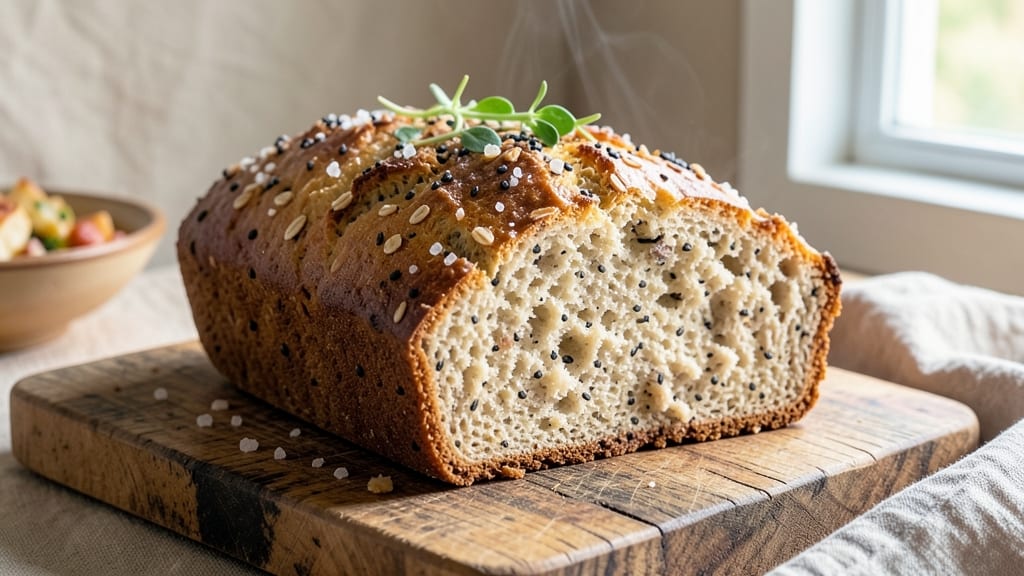
This Australian soda bread recipe brings the rustic charm of Down Under to your kitchen with just four simple ingredients. 🌟 The magic lies in its no-knead simplicity—flour, baking soda, buttermilk, and a pinch of salt—yet it delivers a crisp crust and tender crumb that’s become a staple in Australian households for generations.
The beauty of this recipe is its effortless preparation: mix, shape, and bake. Traditional Australian soda bread relies on the chemical reaction between baking soda and buttermilk for its signature rise and texture.
Unlike yeast-based breads, it requires no waiting for dough to prove, making it perfect for quick meals or last-minute gatherings.
What you’ll end up with is a golden, crusty loaf with a soft, slightly dense interior—ideal for serving with soups, stews, or simply slathered with butter. The buttermilk adds a subtle tang, while the crisp edges provide satisfying texture in every bite.
For added flavor, consider mixing in seeds, herbs, or even cheese. Once you master this recipe, you’ll understand why it’s a beloved Australian classic. Let’s get baking!
Ingredients for australian soda bread
Four core ingredients transform into Australia's iconic rustic loaf with crisp edges and tender crumb.
| Ingredient | Amount | Notes |
|---|---|---|
| All-Purpose Flour 🌾 | 4 cups | Unbleached preferred for texture |
| Baking Soda 🧂 | 1 tbsp | Pure, no aluminum coating |
| Buttermilk 🥛 | 1 ½ cups | Full-fat for best flavor |
| Sea Salt 🧂 | 1 tsp | Fine grain preferred |
| Oat Flakes 🌾 | ½ cup | Optional for texture variation |
| Sesame Seeds 🌱 | 2 tbsp | Optional for topping |
Flour is the foundation—King Arthur or Gold Medal brands yield the best texture. Baking soda must be fresh (test by dropping a pinch in water—it should fizz immediately). For buttermilk, Cultivate brand is reliable, but you can substitute with 1.5 cups milk plus 1.5 tbsp vinegar or lemon juice if needed. The salt enhances flavor without overpowering; Diamond Crystal is ideal for its fine grain. Oat flakes add rustic texture, while sesame seeds give a nutty crunch—both optional but recommended for authenticity.
No baking soda? Baking powder at 1.5 tsp works in a pinch, though texture may vary slightly. Substitute buttermilk with kefir or plain yogurt for tang. For a seed-free version, skip the oats and sesame, or try poppy seeds or flaxseeds instead. Flour substitutions? Whole wheat at half the amount keeps the recipe vegetarian but denser. Always measure flour by scooping and leveling—packing it compresses the crumb.
Store wrapped at room temperature for 2-3 days or freeze for 3 months. Toast slices for 10-15 minutes to revive crispness. The loaf reheats beautifully—wrap in foil and warm in a 350°F oven for 5 minutes. For extra crunch, brush warm bread with melted butter and sprinkle with flaky salt before serving.
Why You'll Love This Recipe
- No Mixer Needed: Mixing this dough is like playing with wet sand—just fold the flour into the buttermilk until it clumps, then shape it. No kneading, no fuss, and honestly? The baking soda does all the heavy lifting while you’re still debating what’s for dinner.
- Crispy-Creamy Magic: That golden crust with a tender crumb inside? The buttermilk’s tang and baking soda’s lift create it effortlessly. Tear off a piece, slather it with butter, and you’ll understand why my kids call it “the best bread ever” (yes, even over toast).
- Pantry Staple Power: Flour, baking soda, buttermilk—if you’ve got those, you’re golden. No yeast, no waiting for dough to rise, and the oat flakes add a subtle chew that makes it feel special without extra shopping trips. Budget-friendly? Absolutely. Reliable? You bet.
- Leftovers That Last: This bread stays fresh for days (or freeze slices for quick toast later). I’ve packed it in lunches, served it with soup, even toasted it for breakfast—it’s the unsung hero of my meal prep. No sad, stale bread here; just pure, versatile goodness.
Step-by-step instructions for Australian soda bread
Here's the traditional method that delivers that iconic crusty exterior and tender crumb.
👨🍳 Step 1: Mix Dry Ingredients Precisely
In a large mixing bowl, combine the 4 cups all-purpose flour with the 1 tbsp baking soda and 1 tsp sea salt. Use your fingers or a fork to break up any flour clumps and create an even distribution of the leavening agent. This ensures your bread will rise properly throughout.
Next, fold in the 0.5 cup oat flakes if using. I like to do this by sprinkling them over the flour mixture and gently stirring with a wooden spoon until evenly distributed. The oats add a pleasant textural contrast to the tender crumb. If you're skipping the oats, simply proceed to the next step with the flour mixture.
👨🍳 Step 2: Combine Wet Ingredients
Create a well in the center of your dry ingredients and pour in the 1.5 cups buttermilk. Using a wooden spoon, gently mix the ingredients just until combined—you'll see the dough come together, but it should remain slightly shaggy. Overmixing develops gluten, which can make your bread dense rather than tender.
Here's the thing—Australian soda bread relies on the chemical reaction between the baking soda and buttermilk's acidity for its rise. Don't be tempted to add extra liquid or flour at this stage. The dough should hold together when pressed gently but still feel slightly wet. If it's too dry, add 1 tablespoon water at a time until it comes together.
🥘 Step 3: Shape and Prepare the Loaf
Turn the dough out onto a lightly floured surface and shape it into a round loaf about 1 inch thick. I like to use my hands to gently press the dough into a round shape, creating a slight well in the center for the traditional cross pattern. This shape helps create that signature crusty top.
Place the shaped dough on a parchment-lined baking sheet. If you're using the 2 tbsp sesame seeds, sprinkle them evenly over the top now. The seeds will toast beautifully during baking, adding both flavor and texture. Preheat your oven to 425°F while the dough rests.
🔥 Step 4: Bake to Golden Perfection
Bake the bread for 35-40 minutes until it develops a deep golden brown crust. You'll know it's ready when it sounds hollow when tapped on the bottom. The internal temperature should reach 190-200°F at its center.
I always check for doneness around the 30-minute mark—the bread should be rising nicely in the oven. If the top browns too quickly, tent it loosely with foil to prevent over-browning while it continues to bake through. The bread is done when it's golden all over and sounds hollow when tapped.
⏰ Step 5: Cool and Serve
Remove the bread from the oven and let it cool on a wire rack for at least 10 minutes before slicing. This resting period allows the steam to escape, preventing a gummy interior. The crust will be crisp and the crumb tender—just as it should be.
Slice the bread while still slightly warm for the best texture. The interior should be moist with a slight tang from the buttermilk, and each slice should hold its shape without falling apart. Serve warm with butter or jam for the authentic Australian experience.
Pro Tips For Making Australian Soda Bread
- STIR JUST ENOUGH: Mix the dough until the flour is barely incorporated—lumps are fine. Overworking it turns soda bread dense; you’re not making pasta here. Two or three quick stirs with a wooden spoon, then stop before it looks like pancake batter.
- WEIGH YOUR BUTTERMILK: Use a measuring cup? You’re asking for trouble. Buttermilk’s density varies—weigh it (about 250g for 1 cup) or add an extra splash of water if yours looks thin. Thick buttermilk means a drier loaf; thin means a gummy center.
- SLASH BEFORE BAKING: Cut the dough with a sharp knife or razor in a cross pattern before baking—deep enough to reach half the loaf. Skipping this leads to a messy, uneven rise; the slashes also give that classic rustic look without extra effort.
- BAKE ON HIGH HEAT: Preheat your oven to 220°C (425°F) and bake uncovered for the first 15 minutes. That initial blast of heat gets the crust crisping fast—no need to tent it with foil. After that, drop to 180°C (350°F) to finish baking.
Regional styles of this dish
Irish Roots in Oz
Australian soda bread traces its lineage directly to Irish immigrants who brought their baking traditions to the continent in the 1800s. The recipe became a staple during Australia's gold rush era when miners relied on its quick preparation—no yeast, no waiting.
I love how this bread embodies both cultures: the technique is Irish, but the flavor has adapted to Australian ingredients like buttermilk made from local dairy. 🌍
Regional Australian Twists
While the classic version uses just flour, baking soda, buttermilk, and salt, modern Australian bakers often add local ingredients. In Victoria, you'll find versions with lemon myrtle leaves (about 1 tsp finely chopped) for a citrusy aroma.
Queensland bakers sometimes include macadamia nuts (about ½ cup chopped) for a tropical twist. These variations keep the bread's signature texture while adding regional flair.
Outback Adaptations
For those baking in remote areas where fresh ingredients are scarce, outback cooks developed clever adaptations. Swap buttermilk for sour milk (just add 1 tbsp vinegar to 1.5 cups milk and let sit for 5 minutes).
In the Northern Territory, some use kangaroo meat stock powder (about 1 tsp) mixed into the dough for a savory variation—perfect with bush tucker meals. The bread's simplicity makes it endlessly adaptable to whatever's on hand.
Modern Aussie Variations
Today's Australian soda bread often features ingredients from local farms. Try adding wattleseed flour (about ¼ cup) for a nutty depth, or finger lime zest (about 1 tsp) for a citrusy pop.
Sydney bakeries sometimes use smoked salt (about ½ tsp) instead of regular salt for a campfire-inspired flavor. These modern twists keep the bread's rustic charm while celebrating Australia's diverse culinary landscape. 🌿
Vegemite Version
For a distinctly Australian experience, mix 1 tbsp Vegemite into the buttermilk before combining with dry ingredients. The umami depth pairs perfectly with the bread's tangy crust. Start with just 1 tbsp—Vegemite is potent!
This version is especially popular for breakfast with butter or avocado. Just be sure to use the full-fat buttermilk to balance the salty yeast spread's intensity.
Storage Differences
In Australia's humid climate, bread stales faster than in drier regions. To combat this, wrap cooled loaves in beeswax wrap instead of plastic—it keeps the bread moist longer. For freezing, slice the bread first, then store in a quart-sized freezer bag with parchment paper between slices.
Toast directly from frozen for crispy results. This method works perfectly for Australia's unpredictable weather patterns. ❄️
Nutrition facts
Frequently asked questions
Why does Australian soda bread need buttermilk?
The buttermilk provides the acidity needed to react with baking soda for that signature rise and tangy flavor. Without it, your bread will be dense and flat. If you don't have buttermilk, mix 1.5 tbsp vinegar or lemon juice with 1.5 cups milk and let it sit for 5 minutes to create a substitute.
Can I make this bread without oats or seeds?
The classic recipe only requires flour, baking soda, buttermilk, and salt. Skip the oats and sesame seeds if you prefer a simpler texture. For extra flavor, try adding 1 tsp dried herbs like rosemary or thyme to the dry ingredients before mixing.
Why did my soda bread turn out gummy?
Overmixing or underbaking usually causes gummy bread. Mix just until combined (the dough should be shaggy), and bake until golden with an internal temperature of 190-200°F. Let it cool completely on a wire rack—slicing too soon traps steam, keeping the crumb moist.
What's the best way to reheat stale Australian soda bread?
Wrap slices in foil and warm in a 350°F oven for 5-7 minutes for crispy edges. For extra crunch, brush with melted butter and toast in a dry skillet over medium heat for 2-3 minutes per side. The heat revives the crust while keeping the interior tender.
How does Australian soda bread differ from Irish soda bread?
Australian versions often use full-fat buttermilk and include local additions like seeds or native spices. While Irish soda bread focuses on simplicity, Australian adaptations embrace regional flavors—think macadamia nuts or lemon myrtle. Both share the same no-yeast, quick-rise technique.