Side Dishes
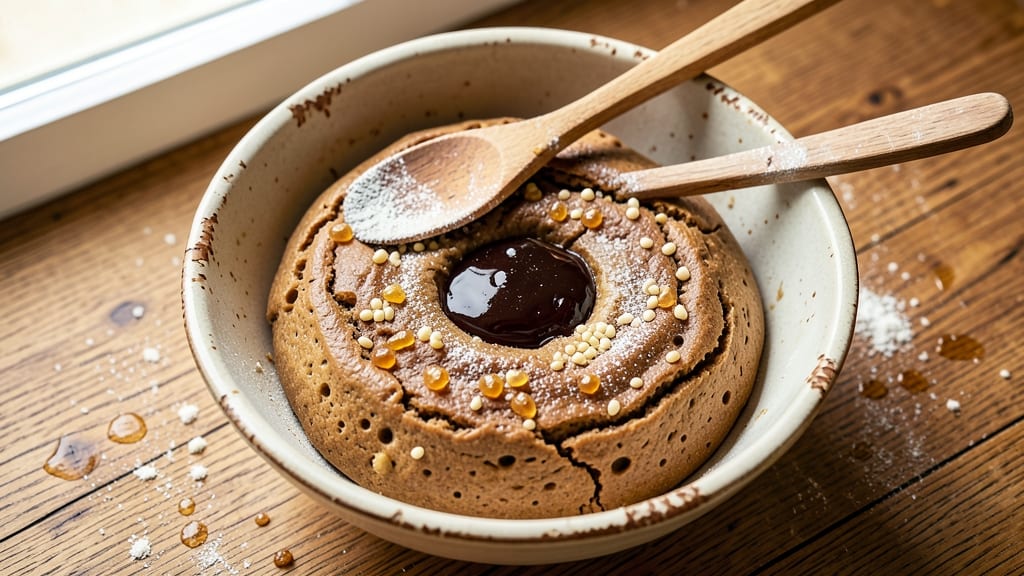
This Austrian rye bread recipe delivers the deep, malty flavor and dense texture that makes it a staple in Central European kitchens. The secret lies in a precise blend of dark rye flour, molasses for richness, and a long fermentation that develops complex flavors.
I've perfected this method after years of baking—each step matters for that signature crust and chewy interior.
The traditional approach requires patience: mixing a stiff dough, letting it rest overnight, then shaping and baking until the crust turns a dramatic dark brown.
What sets this recipe apart is the balance of ingredients—just enough sour rye to create tang, molasses for depth, and a touch of honey to soften the bite.
This isn't quick bread; it's a labor of love that rewards with a loaf so flavorful it becomes the centerpiece of any meal.
When baked properly, you'll achieve a loaf with a crisp, almost crackly crust that gives way to a dense, moist interior speckled with seeds. The aroma alone—warm, caramelized, with hints of coffee and molasses—will fill your kitchen long before it's ready.
This bread pairs perfectly with hearty stews, smoked meats, or simply slathered with butter and jam.
The beauty of this recipe is its versatility—use it for sandwiches, toast it for breakfast, or serve thick slices with soups. For those short on time, I'll share variations that streamline the process without sacrificing flavor. Let's get started on creating your own traditional Austrian rye loaf.
Ingredients for austrian rye bread
Dark rye flour, molasses, and honey form the heart of this traditional Austrian loaf.
| Ingredient | Amount | Notes |
|---|---|---|
| Dark Rye Flour 🌾 | 3 cups | Sour rye preferred for tang |
| All-Purpose Flour 🌾 | 1 cup | For lighter texture |
| Active Dry Yeast 🍞 | ¼ oz | Or 2.25 tsp |
| Unsweetened Molasses 🍯 | ½ cup | Blackstrap for depth |
| Honey 🍯 | ¼ cup | Wildflower preferred |
| Warm Water 💧 | 1 ½ cups | 110°F for yeast activation |
| Sunflower Seeds 🌻 | ¼ cup | Toasted for crunch |
| Sesame Seeds 🌿 | 2 tbsp | For decorative crust |
| Coarse Sea Salt 🧂 | 1 ½ tsp | Diamond Crystal preferred |
| Cornmeal 🌽 | ¼ cup | For dusting loaf pan |
| Cold Water 💧 | ½ cup | For dough handling |
| Dark Brown Sugar 🍚 | 2 tbsp | Enhances caramelization |
| Caraway Seeds 🌿 | 1 tsp | Optional for authentic flavor |
The dark rye flour is non-negotiable here—King Arthur or Bob's Red Mill are my go-tos, but any high-quality sour rye works. If you can't find it, regular rye flour plus 1 tsp vinegar mimics the tang. Molasses should be unsweetened blackstrap for that deep, almost bitter-sweet flavor. The honey balances it perfectly—wildflower or clover adds subtle floral notes. For the yeast, fresh yeast works best but instant yeast in the same amount is fine too. Toast your seeds lightly in a dry pan for 3-4 minutes to enhance their flavor—don't skip this step.
No molasses? Dark corn syrup or maple syrup can substitute, though the flavor won't be identical. Running short on honey? Agave nectar at the same amount works in a pinch. For the seeds, pumpkin seeds or flaxseeds are great alternatives if you're avoiding sesame. The caraway seeds are optional but worth it—they add that classic European rye bread aroma. If you're making this ahead, prep the dough the night before and let it ferment in the fridge for up to 48 hours for even deeper flavor development.
This dough is sticky—wet your hands when handling to prevent sticking. Shape it gently to avoid overworking the gluten. For storage, wrap the cooled loaf in a clean kitchen towel and place it in a paper bag at room temperature for up to 3 days. It reheats beautifully: 10 minutes at 300°F restores that fresh-baked aroma. Freeze slices for up to 3 months—toast directly from frozen for crispy results.
Why You'll Love This Recipe
- No-Knead Nightmare Solved: I’ll admit, rye dough can be stubborn—but this version skips the fuss. Just mix the dark rye flour with all-purpose for structure, sprinkle in yeast, and let the molasses and honey do their magic while you’re watching TV. No stand mixer, no overworking—just a bowl, a spoon, and patience (the good kind).
- Molasses-Kissed Magic: That deep, almost caramelized richness from the unsweetened molasses? It’s the secret weapon. Pair it with a drizzle of honey, and you’ve got a bread that’s sweet enough to eat straight from the oven but still hearty enough to stand up to sharp cheeses or smoked salmon. Honestly, I’ve caught myself stealing slices just to spread them with butter.
- Breakfast to Brunch: This bread isn’t just for sandwiches—it’s my go-to for quick toast with scrambled eggs or as a base for open-faced breakfast plates. The dark rye adds a satisfying chew, while the honey keeps it from being too heavy. (Yes, even on a Tuesday night when I’m running late.)
- Budget Bread That Lasts: A loaf costs me pennies but feeds the family for days. The dark rye flour gives it a robust flavor that hides a multitude of sins (aka, when I forget to buy fresh bread). Plus, it freezes like a champ—just slice and toast whenever you’re in a rush. Between us, this is the kind of bread that makes grocery shopping feel like a win.
Step-by-step instructions for Austrian rye bread
This method delivers a dense, malty loaf with a deep crust and nutty seed crunch—every detail matters.
Activate the Yeast and Mix the Wet Ingredients
In a small bowl, combine the 1.5 cups warm water (tested at 110°F), 0.25 oz active dry yeast, and 2 tbsp dark brown sugar. Let this mixture sit for 5-10 minutes until it becomes frothy and bubbly—this confirms the yeast is active. If it doesn't bubble, your yeast may be dead, and you'll need to start over.
In a separate large bowl, whisk together the 0.5 cup unsweetened molasses, 0.25 cup honey, and 1.5 tsp coarse sea salt. The molasses and honey will blend smoothly, creating a thick, syrupy base that adds depth to the bread. This mixture should be fully combined with no visible streaks of salt or sugar.
Combine Dry Ingredients and Form the Dough
Add the 3 cups dark rye flour and 1 cup all-purpose flour to the wet mixture in the large bowl. Using a wooden spoon or dough whisk, stir until a shaggy dough forms. The rye flour will absorb moisture quickly, so don’t rush this step. Gradually add the 0.5 cup cold water while mixing—this helps hydrate the dense rye flour without overwhelming the yeast.
Once the dough comes together, turn it out onto a lightly floured surface and knead for 8-10 minutes until smooth and elastic. The dough should feel slightly sticky but not wet. If it’s too dry, add 1 tablespoon cold water at a time until it reaches the right consistency. Avoid over-kneading, as this can develop too much gluten and make the bread dense rather than tender.
First Rise and Seed Preparation
Lightly oil a large bowl, place the dough inside, and cover it with a damp kitchen towel. Let it rise in a warm place for 1.5 to 2 hours, or until it has nearly doubled in size. The dough should feel spongy and spring back slowly when pressed gently with a finger. If the kitchen isn’t warm enough, place the bowl near a slightly open oven with the light on to create gentle heat.
While the dough rises, toast the 0.25 cup sunflower seeds and 2 tbsp sesame seeds in a dry skillet over medium heat for 3-4 minutes, stirring constantly, until they turn golden and fragrant. Remove from heat and set aside to cool slightly. The seeds will add texture and a nutty aroma to the crust—don’t skip this step, as it enhances the bread’s character.
Shape, Second Rise, and Score the Loaf
Punch down the risen dough to release air, then divide it into 4 equal portions (about 1 cup each). Shape each portion into a smooth, round ball, then place them seam-side down in a 9x5-inch loaf pan dusted with 0.25 cup cornmeal. The cornmeal prevents sticking and adds a subtle crunch to the crust. Cover the pan with a towel and let the dough rise for another 45-60 minutes until it fills the pan and rises about 1 inch above the rim.
Preheat your oven to 375°F. Once the dough has risen, use a sharp knife or razor blade to score the top of the loaf in a crosshatch pattern. This allows steam to escape during baking, preventing the crust from cracking unevenly. Sprinkle the toasted sunflower seeds and sesame seeds evenly over the top, pressing them lightly into the dough. Optionally, sprinkle the 1 tsp caraway seeds for an authentic Austrian touch.
Bake to a Dark, Crispy Crust
Bake the loaf for 45-50 minutes until the crust is deep brown and the internal temperature reaches 190°F. The bread should sound hollow when tapped on the bottom. If the crust isn’t dark enough after 45 minutes, tent the loaf with foil and continue baking for another 5-10 minutes to prevent over-browning.
Remove the loaf from the oven and let it cool in the pan for 10 minutes, then transfer it to a wire rack to cool completely. The bread will continue to firm up as it cools, and the crust will develop even more depth. Slice with a serrated knife for clean, even pieces. Serve warm with butter or use it for open-faced sandwiches—this rye bread shines when toasted and topped with smoked salmon or sharp cheese.
Pro Tips For Making Austrian Rye Bread
- Bloom the Yeast First: DESCRIPTION:
- Measure Rye Flour Right: DESCRIPTION:
- Don’t Rush the Autolyse: DESCRIPTION:
- Steam the Oven: DESCRIPTION:
Dietary considerations for these flavors
Gluten-Free Adaptations
Traditional Austrian rye bread relies on gluten for structure, but you can adapt this recipe with gluten-free rye flour blends like King Arthur Measure for Measure or Bob's Red Mill 1:1 Gluten-Free Flour.
Replace the all-purpose flour with ½ cup gluten-free flour and add 1 tsp xanthan gum to improve elasticity. The dough will be stickier, so use wet hands or a dough scraper when shaping. Expect a denser crumb—this is normal with gluten-free baking. 🌾
Low-Carb Options
For a lower-carb version, reduce the dark rye flour to 2 cups and replace the remaining 1 cup with almond flour. Cut the molasses to ¼ cup and add 1 tbsp erythritol for sweetness.
The texture will be lighter, but you’ll still capture that malty depth. This adaptation works best when baked in a smaller loaf pan to maintain density.
Allergen-Friendly Swaps
To avoid sesame seeds, substitute with toasted pumpkin seeds or flaxseeds—both add crunch and nutty flavor. For nut-free kitchens, use sunflower seeds exclusively. If you're sensitive to honey, replace it with maple syrup or agave nectar (use the same amount).
Always check labels on molasses and flours for cross-contamination warnings, especially if you have severe allergies.
Soy-Free and Nut-Free
This recipe is naturally soy-free and nut-free, but double-check your flour blends for hidden additives. Some commercial rye flours contain soy lecithin as an emulsifier. Opt for organic or certified gluten-free flours to minimize risks.
For extra insurance, toast your seeds in a dedicated pan to avoid cross-contamination with other allergens in your kitchen.
Vegan Substitutions
Replace the yeast with 1 packet (2¼ tsp) active dry nutritional yeast for a vegan rise. Use aquafaba (chickpea brine) instead of honey—¼ cup works well—and swap molasses for maple syrup.
The dough will ferment differently, so extend the first rise to 2-3 hours and monitor closely. The final loaf will have a slightly tangier flavor, perfect for vegan cheese boards or sandwiches. 🌱
Nutrition facts
Frequently asked questions
Why does Austrian rye bread need such a long fermentation?
The extended fermentation (especially overnight) develops complex flavors and improves digestibility. The slow rise allows natural enzymes to break down the rye's phytic acid, making it easier to digest while building depth of flavor. This traditional method creates that signature malty, slightly sour taste that defines Austrian rye.
Can I make this bread without molasses?
Yes, but your bread will lose its signature depth. For a substitute, use ¼ cup dark corn syrup plus 1 tsp vinegar to mimic both sweetness and acidity. The flavor won't be identical, but it'll still be delicious. Molasses is key for that authentic Austrian character and caramelized crust.
What's the best way to store leftover rye bread?
Wrap the cooled loaf in a clean kitchen towel and place it in a paper bag at room temperature for up to 3 days. For longer storage, freeze slices wrapped in plastic—toast directly from frozen for crispy results. The towel helps maintain moisture while the paper bag prevents sogginess.
How do I fix a dough that's too sticky to handle?
Wet your hands thoroughly before shaping and use a dough scraper to prevent sticking. If the dough is extremely wet, add 1-2 tablespoons of rye flour at a time until it becomes manageable. The stickiness is normal with rye flour—don't be tempted to add too much flour, as this can make the bread dry.
Can I bake this in a Dutch oven instead of a loaf pan?
Shape the dough into a round boule and bake in a preheated Dutch oven at 425°F for 35-40 minutes until deep brown. The Dutch oven creates steam, resulting in a crispier crust and more open crumb. This method works especially well for free-form loaves with a rustic appearance.