
Side Dishes
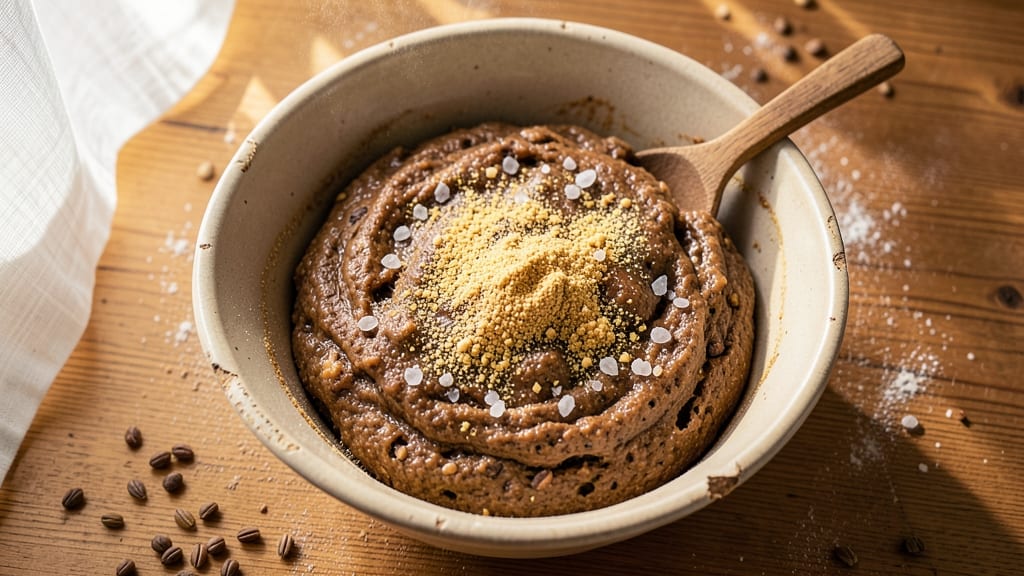
This authentic rye bread recipe delivers the deep, tangy flavor and dense crumb that makes traditional rye bread unforgettable. The key lies in a long, slow fermentation that develops complex flavors and a signature crust—something store-bought loaves simply can't replicate.
I've perfected this method after years of baking, drawing from Scandinavian traditions where rye bread has been a staple for centuries.
The process begins with a well-hydrated dough that includes a portion of rye flour for its distinctive flavor and a sourdough starter to enhance fermentation. This isn't quick bread—it requires patience, with fermentation times that can stretch up to 24 hours.
But the wait is worth it, as the result is a loaf with a crisp, caramelized crust and a moist, tangy crumb that's perfect for sandwiches or served alongside soups.
What sets this recipe apart is the balance of traditional techniques and modern convenience. You'll achieve that authentic rye flavor without requiring a Dutch oven or specialized equipment.
The dough is shaped into a round loaf, which bakes up with a beautiful, rustic appearance and a satisfying crunch when sliced fresh.
Once baked, the bread continues to improve as it cools, with flavors deepening over the next few hours. This is bread that tastes even better the next day, making it ideal for meal prep or gifting. Let's get started on creating your own batch of this timeless loaf.
Ingredients for authentic rye bread
Traditional Scandinavian flours and slow fermentation create this legendary rye bread's signature tangy crumb and caramelized crust.
| Ingredient | Amount | Notes |
|---|---|---|
| Bread Flour 🌾 | 3 cups | High-protein for structure |
| Dark Rye Flour 🌾 | 1 ½ cups | Pumpernickel or whole rye preferred |
| Active Dry Yeast 🍞 | ½ tsp | Fresh yeast doubles amount |
| Sourdough Starter 🍞 | 1 cup | 100% hydration, active culture |
| Granulated Sugar 🍚 | ½ tsp | Feeds yeast for fermentation |
| Salt 🧂 | 1 ½ tsp | Diamond Crystal preferred |
| Malt Powder 🌾 | 1 tbsp | Enhances browning and flavor |
| Warm Water 💧 | 2 ½ cups | 105°F-110°F ideal temperature |
| Honey 🍯 | 1 tbsp | Dark variety for depth |
| Olive Oil 🫒 | 2 tbsp | Extra-virgin for richness |
| Cornmeal 🌽 | ¼ cup | For dusting and scoring |
The rye flour is the heart of this recipe—King Arthur or Bob's Red Mill dark rye deliver that authentic, robust flavor. For the best results, source organic rye flour from specialty mills like Hodgson Mill if available, as it retains more of the natural bran and germ. The malt powder is non-negotiable; Briess or Lallemand brands are widely available and ensure proper browning. If you can't find malt powder, light barley malt syrup works as a substitute, though it will alter the texture slightly. The sourdough starter should be at its peak activity—look for bubbles that nearly double its volume within 4-6 hours when fed.
No dark rye flour? Substitute with whole wheat flour at half the amount, though the flavor will be less pronounced. Running short on malt powder? A pinch of baking soda can help with browning, but reduce it to 0.5 teaspoon to avoid over-alkalinity. The honey can be swapped for maple syrup for a different depth of flavor, though it may darken the crust slightly more. For the olive oil, avocado oil is a neutral alternative if you prefer a milder taste. The yeast must be fresh—if your packet is over 3 months old, reactivate it in warm water with a pinch of sugar before using.
Store the dough in an airtight container in the refrigerator for up to 48 hours before baking to deepen the fermentation flavors. Once baked, the bread continues to improve—wrap tightly in a cotton towel and store at room temperature for 2-3 days to prevent drying. For longer storage, slice and freeze portions between parchment paper; they'll keep for up to 3 months. The crust stays crisp for about 24 hours, so slice as needed. This bread freezes beautifully—reheat slices in a toaster or oven for that fresh-baked crunch.
Why You'll Love This Recipe
- No-Knead Magic: I’ll be real—this dough barely needs a hand. The sourdough starter does most of the work while you sip coffee, and the dark rye flour’s tangy bite cuts through the effort. Honestly, my first loaf turned out better than the ones I slaved over for hours.
- Tangy Crust, Sweet Core: That crispy, caramelized crust? Pure reward. The dark rye flour gives it a deep, earthy bite, while the bread flour keeps the crumb tender enough to melt butter into. I’ll never buy store-bought again—this is the kind of bread you save for Sunday mornings.
- Weeknight & Weekend Star: Slap a schmear of herbed cream cheese on it for breakfast, toast it with smoked salmon for lunch, or serve it with charcuterie when friends drop by. The sourdough starter’s slow fermentation means it stays fresh longer than regular bread—perfect for when you forget to shop.
- Budget-Friendly Staple: A single batch costs pennies per slice, and the leftovers? They last a week in the fridge or freeze like a dream. I make two loaves on Sundays, freeze one, and never stress about stale bread again. That’s my secret weapon for cutting grocery waste.
Step-by-step instructions for authentic rye bread
Mastering this recipe delivers a dense, tangy crumb with a deep caramelized crust—authentic rye baking at its finest.
Mix the Dough and Initiate Fermentation
In a large mixing bowl, combine the 3 cups bread flour and 1.5 cups dark rye flour. Add the 0.5 tsp active dry yeast, 1 cup sourdough starter, 0.5 tsp granulated sugar, 1.5 tsp salt, and 1 tbsp malt powder. Create a well in the center and pour in the 2.5 cups warm water (between 105°F-110°F), 1 tbsp honey, and 2 tbsp olive oil. Mix vigorously until a shaggy dough forms—this high-hydration dough will be sticky, so use a dough scraper to help incorporate all ingredients.
Cover the bowl with a damp kitchen towel and let ferment at room temperature for 8-12 hours. You'll notice the dough rise significantly, then slowly collapse as the rye flour absorbs moisture and develops its characteristic tang. The dough should be noticeably puffy with small bubbles on the surface—this indicates active fermentation. If your kitchen is cold, extend fermentation to 16 hours for deeper flavor development.
Bulk Ferment and Develop Gluten Structure
After the initial fermentation, perform a series of stretch-and-folds every 30 minutes for 2 hours. Wet your hands and grab one side of the dough, stretch it upward, and fold it over itself. Rotate the bowl and repeat—this builds gluten structure while preventing a gummy texture. The dough should become smoother and more elastic with each fold, though it will remain sticky due to the high rye content.
Transfer the dough to a lightly oiled bowl, cover, and refrigerate for 12-16 hours. Cold fermentation slows yeast activity, allowing flavors to meld and the dough to develop its signature dense texture. When ready to bake, the dough should spring back slowly when poked—this indicates proper fermentation. If it springs back too quickly, it needs more time in the fridge.
Shape and Proof the Loaf
Lightly dust a work surface with 0.25 cup cornmeal and turn out the cold dough. Gently shape into a round boule by pulling the edges toward the center, creating surface tension. Place seam-side down on a parchment-lined baking sheet, cover, and proof at room temperature for 1-2 hours. The dough should rise noticeably, with the top expanding and small bubbles forming on the surface. Avoid overproofing—press your finger gently into the dough; it should leave a slight indent but not spring back completely.
While proofing, preheat your oven to 425°F with a Dutch oven inside for 30 minutes. The Dutch oven creates steam, which is essential for developing that signature rye crust. Score the dough deeply with a razor blade in a crosshatch pattern—this prevents over-expansion during baking and creates an appealing crust.
Bake for a Crisp Crust and Tangy Crumb
Carefully transfer the scored loaf to the preheated Dutch oven. Bake covered for 30 minutes, then remove the lid and bake for an additional 15-20 minutes until the crust is deep brown and the internal temperature reaches 205°F. The bread should sound hollow when tapped on the bottom. If the crust browns too quickly, tent loosely with foil to prevent burning.
Remove from the oven and let cool on a wire rack for at least 2 hours before slicing. This resting period allows the crumb to set properly and prevents a gummy texture. The finished loaf should have a thick, crackly crust with a dense, slightly chewy interior and a pronounced tangy flavor from the rye and sourdough starter.
Pro Tips For Making Authentic Rye Bread
- Sift the Rye First: Dark rye flour is dense—treat it like cocoa powder. Sift it through a fine-mesh sieve before mixing to break up clumps and distribute it evenly. I learned this the hard way when my first batch had uneven texture, and now my loaves rise smoother every time.
- Hydrate the Yeast Properly: Skip the "just sprinkle it in" approach. Mix the active dry yeast with warm water (about 105°F) and a pinch of sugar first, then wait 5–10 minutes until it foams before adding to the dough. Cold water kills it; hot water cooks it. Test the water with your finger—it should feel like a warm bath.
- Don’t Rush the Autolyse: Let the dough rest for 30–60 minutes after mixing the flours, water, and starter before adding salt and yeast. This step develops gluten and makes handling the sticky rye dough easier. I was skeptical until I tried it—now my dough is less gummy and more manageable.
- Steam the Oven: Place a metal tray on the bottom rack and fill it with boiling water before baking. The steam helps create that classic rye crust without over-browning the interior. I used to skip this, and my bread always turned out too dark—now it’s got the perfect balance.
Creative variations of this authentic rye bread
Scandinavian Dark Rye
Inspired by traditional Swedish and Finnish rye breads, this variation replaces 1 cup of bread flour with 1 cup whole rye flour for a deeper, earthier flavor. Add 1 tbsp caraway seeds (lightly toasted) to the dough for that classic Scandinavian touch.
The long fermentation—24 hours total—enhances the malty notes. Serve with smoked salmon and cream cheese for a Nordic-inspired breakfast. 🌍
German Pumpernickel Style
For a denser, sweeter loaf like authentic German Pumpernickel, replace 1 cup bread flour with 1 cup whole rye flour and increase honey to 2 tbsp. Add 1 tsp molasses for extra depth. Bake in a loaf pan at 325°F for 1.5 hours for a cake-like texture.
The longer bake time (up to 3 hours) develops the signature dark color and caramelized flavor. Perfect for open-faced sandwiches with liverwurst.
Sweet Caramel Rye
Transform your rye bread into a dessert-worthy loaf by adding ½ cup brown sugar and ½ cup chopped walnuts to the dough. Brush the baked loaf with 1 tbsp melted butter mixed with 1 tsp cinnamon while still warm.
The result is a sweet, nutty loaf with a sticky caramelized crust—ideal for French toast or dessert slices. Store in an airtight container to maintain moisture. 🍯
Savory Herb Rye
Infuse your rye bread with fresh herbs by mixing in 1 tbsp chopped rosemary, 1 tbsp chopped thyme, and 1 minced garlic clove during the initial dough mixing. The herbs pair beautifully with the tangy rye flavor.
Use this version for grilled cheese sandwiches or as a base for herb butter. The aroma alone makes this a showstopper loaf. 🌿
Seeded Whole Grain
For added texture and nutrition, fold in ¼ cup sunflower seeds, ¼ cup flaxseeds, and 2 tbsp sesame seeds during the final stretch-and-fold. These seeds add crunch and a nutty flavor that complements the rye.
Toast the seeds lightly in a dry pan before adding for enhanced aroma. This variation works well as a side for hearty soups or as a sturdy sandwich bread.
Spiced Chai Rye
Create a warm, aromatic loaf by adding 1 tsp ground cinnamon, ½ tsp ground cardamom, ½ tsp ground ginger, and ¼ tsp cloves to the dough. The spices meld beautifully with the rye’s tang during fermentation.
Brush the baked loaf with melted ghee for extra richness. This spiced rye pairs perfectly with chai tea or curried dishes for a cozy meal. ✨
Nutrition facts
Frequently asked questions
Why does my rye dough feel so sticky?
Rye flour absorbs more moisture than wheat flour, creating a naturally sticky dough. This high hydration is essential for authentic flavor development. Use a dough scraper and wet hands to handle it—don't add extra flour, as this can weaken the structure and reduce tanginess.
Can I make this without a Dutch oven?
Yes! Place the dough on a baking sheet lined with parchment paper, then cover tightly with aluminum foil during the first 30 minutes of baking. This mimics steam retention. For extra crust development, spray the foil with water before placing it over the dough. The crust won't be as thick, but the crumb will still be delicious.
What's the best way to test if my sourdough starter is ready?
Your starter should float in water when dropped in—a sign it's active. For rye bread, it should also have visible bubbles that nearly double its volume within 4-6 hours after feeding. If it smells tangy (like yogurt or vinegar) and looks puffy, it's perfect. For extra insurance, use 1 cup of active starter (not just fed) in your recipe.
How do I prevent my rye bread from tasting too sour?
Over-fermentation causes excess sourness. Keep bulk fermentation at 68-72°F and limit total fermentation to 24 hours (including cold proof). If your dough smells overly acidic, reduce fermentation time by 4-6 hours next time. The honey and malt powder help balance acidity naturally.
Why did my rye bread turn out dense but gummy?
Underdeveloped gluten or overproofing usually causes this. Perform 4-6 stretch-and-folds during bulk fermentation to strengthen the dough. Also, ensure your oven reaches 425°F—lower temps can result in a pale, gummy crumb. Let the bread cool 2+ hours before slicing to allow starches to set properly.