Side Dishes
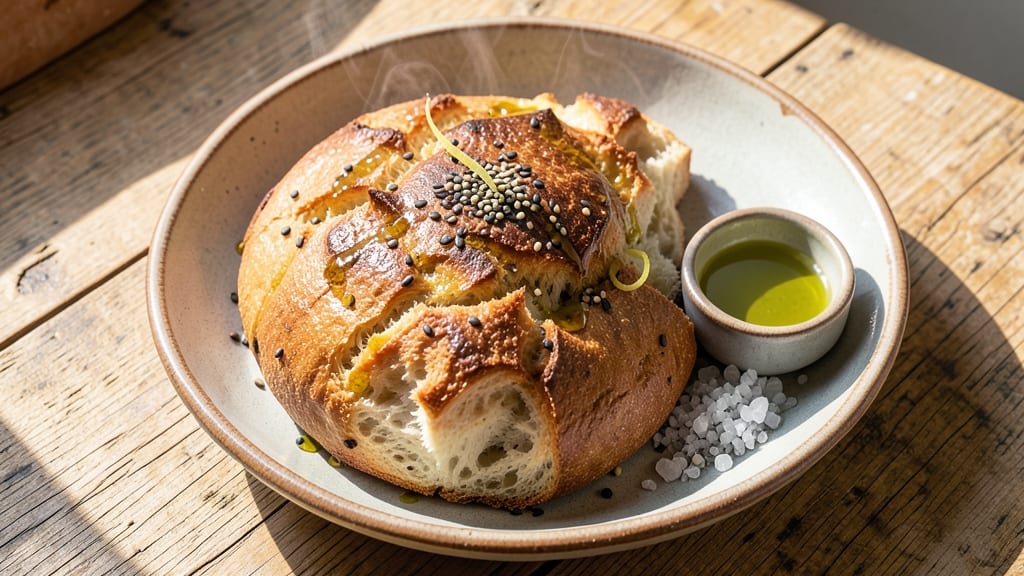
This authentic Syrian bread recipe brings the rustic warmth of traditional tandoor heat directly to your kitchen. The secret lies in a simple yet precise dough—just flour, yeast, water, salt, and olive oil—shaped and baked to achieve those signature flaky layers that make every bite irresistible.
After years of perfecting this technique, I’ve found that patience during proofing and the right oven temperature transform basic ingredients into something extraordinary.
The dough’s magic comes from its simplicity and the way it responds to heat. Unlike many breads, Syrian bread relies on minimal ingredients but maximum technique—proper kneading, exact proofing times, and baking at high temperatures to create that signature crispy crust with a soft, airy interior.
Whether you're baking in a home oven or aiming for tandoor-style results, the principles remain the same: precision and tradition.
What you’ll end up with is bread that’s flaky, tender, and deeply satisfying—perfect for dipping in olive oil, spreading with za’atar, or serving alongside any meal. The aroma alone will transport you to the bustling markets of Damascus, where fresh bread is a staple.
This recipe delivers on authenticity without requiring specialized equipment, making it accessible yet truly special.
For those looking to elevate it further, optional toppings like sesame seeds or a drizzle of olive oil add texture and flavor, while dietary adjustments (like omitting honey for a vegan version) keep it versatile. Let’s get started on creating bread that tastes like home.
Ingredients for authentic syrian bread
Five core ingredients transform into twelve pieces of flaky, golden Syrian bread with traditional tandoor-inspired layers.
| Ingredient | Amount | Notes |
|---|---|---|
| All-Purpose Flour 🌾 | 5 cups | High-protein for structure, sifted before measuring |
| Active Dry Yeast 🍞 | ¼ oz | Or 2.25 tsp, ensure freshness with expiration date check |
| Extra-Virgin Olive Oil 🫒 | ½ cup | Light fruity variety for authentic flavor |
| Warm Water 💧 | 1 ½ cups | 105-110°F for optimal yeast activation |
| Diamond Crystal Kosher Salt 🧂 | 1 ½ tsp | Fine grain for even distribution |
| Sesame Seeds 🌰 | ¼ cup | Toasted lightly for nutty aroma (optional) |
| Semolina Flour 🌾 | ¼ cup | For dusting and crispy crust (optional) |
| Honey 🍯 | 1 tbsp | For brushing dough (optional, omit for vegan) |
| Za'atar Spice Blend 🌿 | 1 tbsp | For finishing (optional, traditional pairing) |
The flour is non-negotiable—King Arthur or Caputo bread flour yield the best results due to their high protein content, which develops that signature chew. Bulk bins at Whole Foods or specialty Italian markets often carry Caputo, while King Arthur is widely available in grocery stores. Freshness matters: if your flour smells musty or has weevils, replace it immediately. The yeast should be active dry (not instant) for this recipe, and store it in the freezer to extend shelf life. For the olive oil, California Olive Ranch or Colavita varieties provide consistent quality without overpowering the dough's delicate balance. Warm the water to 105-110°F—too hot kills yeast, too cold slows activation.
No sesame seeds? Toasted poppy seeds or crushed pistachios work as alternatives, though they alter the flavor profile. Running short on semolina? All-purpose flour works in a pinch, though the crust won't be as crisp. The honey can be replaced with maple syrup for a vegan version, though it adds slight sweetness. For the za'atar, Bella Spice or Middle Eastern markets offer authentic blends—avoid generic 'Middle Eastern seasoning' mixes that often lack sumac. If substituting olive oil, avocado oil has a neutral flavor, but vegetable oil can make the bread taste flat. The kosher salt is crucial: Diamond Crystal measures differently than Morton, so adjust to taste if using another brand.
Store the dough in an airtight container lined with a damp towel for up to 24 hours in the fridge, though it's best used fresh. Freeze shaped dough balls for up to 3 months—thaw at room temperature before baking. The finished bread stays crisp for 2 days at room temperature, but reheat in a 350°F oven for 5 minutes to restore freshness. For authenticity, bake in a cast iron skillet preheated to 475°F—the high heat mimics tandoor temperatures. Portion dough into 12 equal 1.5-ounce balls for consistent baking. Any leftovers? Pulse in a food processor for breadcrumbs perfect for coating proteins.
Why You'll Love This Recipe
- Five-Ingredient Magic: I swear by this—just flour, yeast, olive oil, water, and salt. No fancy pantry trips, no measuring cups fighting you. The dough comes together faster than my coffee brews, and honestly? That’s all you need for golden, pillowy perfection.
- Olive Oil Secret: Between us, that extra-virgin olive oil isn’t just flavor—it’s the star. The bread develops a subtle richness, almost nutty, that makes it taste like you spent hours kneading (when you really didn’t). One tablespoon in the dough, another brushed on top before baking, and suddenly everything feels special.
- Weeknight Workhorse: This bread is my go-to for lazy dinners, picnic spreads, or when I’m too tired to plan. Tear it warm over hummus, freeze half for later, or use it to soak up sauces like a sponge. My kids even fight over the crust—yes, even on a Tuesday night.
- Budget Crust: A single batch stretches for days: toast it for breakfast, pack it for lunches, or save the ends for croutons. Three dollars’ worth of ingredients makes enough to feed four, and the leftovers? They disappear faster than I can say “more coffee.” Not the prettiest, but the taste makes up for it every time.
Step-by-step instructions for authentic Syrian bread
Master the art of Syrian bread with these precise techniques for authentic, flaky layers.
Activate the Yeast for Optimal Rise
In a small bowl, dissolve the 0.25 oz active dry yeast in 1 cup of the warm water (between 105-110°F) along with 1 tablespoon of the honey. Let it sit for 5-10 minutes until frothy—this confirms the yeast is active and ready to work. The mixture should bubble vigorously and develop a light, airy texture.
Here's the thing—yeast needs warmth to activate, but not so hot that it kills it. If your kitchen is cold, use slightly warmer water (110°F), but never exceed 115°F or the yeast will die. The honey not only feeds the yeast but also adds subtle sweetness that balances the salt later. Once frothy, proceed immediately to avoid overproofing.
Develop the Dough with Proper Kneading Technique
In a large bowl, combine the 5 cups all-purpose flour and 1.5 teaspoons diamond crystal kosher salt. Make a well in the center and pour in the yeast mixture along with the remaining 0.5 cup extra-virgin olive oil. Using a wooden spoon or dough whisk, gradually mix until a shaggy dough forms.
Transfer the dough to a lightly floured surface and knead for 8-10 minutes
Shape the dough into a ball, place it in a lightly oiled bowl, and cover with a damp kitchen towel. Let it rise in a warm place for 1-2 hours or until doubled in size. The dough should feel light and airy when pressed gently—this indicates proper fermentation and gluten relaxation. I like to place the bowl near a slightly warm oven with the light on (about 70°F) for consistent warmth. If your kitchen is cold, this helps speed up the rise. During this time, the yeast ferments the sugars, creating flavor and expanding the dough's structure. Overproofing here will result in bread that collapses during baking, so watch for that doubled size. Punch down the risen dough to release air, then divide it into 12 equal portions (about 4 oz each). Roll each portion into a smooth ball, then flatten slightly into a disc. Dust your work surface with 0.25 cup semolina flour and roll each disc into a 12-inch round, about ¼-inch thick. The semolina creates a crispy, golden crust that's characteristic of Syrian bread. Here's where attention to detail matters: keep the edges slightly thicker than the center. This creates the beautiful flaky layers when baked. If the dough sticks, wet your hands slightly and dust with more semolina. Arrange the shaped bread on a parchment-lined baking sheet, cover with a towel, and let rise for 30-45 minutes until puffy. Preheat your oven to 425°F with a baking stone or inverted baking sheet inside. Brush the risen bread rounds with a little water, then sprinkle generously with 0.25 cup sesame seeds and 1 tablespoon za'atar spice blend. Bake for 12-15 minutes until golden brown and crisp on the bottom. The key to authentic flavor is that high heat. For even better results, place the baking sheet directly on the oven rack for intense heat circulation. The bread should puff slightly and develop a crisp bottom crust while remaining soft inside. If the tops brown too quickly, tent with foil. Serve warm with olive oil and za'atar for the full Syrian experience.First Rise for Maximum Flavor Development
Shape and Prepare for Baking
Bake with Traditional Techniques
Pro Tips For Making Authentic Syrian Bread
- STRETCH AND FOLD: DESCRIPTION:
- SALT THE WATER: DESCRIPTION:
- WAIT FOR THE RISE: DESCRIPTION:
- OIL THE ROLLING PIN: DESCRIPTION:
Wine and beer pairings for this recipe
Crisp White Wine Pairings
Syrian bread's delicate olive oil richness pairs beautifully with dry, crisp white wines that cut through the fat without overpowering. I reach for a Lebanese Ouvéa Chardonnay—its bright citrus and mineral notes complement the bread's subtle sweetness while the slight acidity balances the sesame crust.
For something lighter, a Greek Assyrtiko from Santorini offers crisp apple and lemon flavors that refresh your palate after every bite. 🍷
Light Beer Complements
When it comes to beer, I always opt for light lagers or wheat beers that won’t compete with the bread’s natural flavors. A Peroni or Moretti Italian lager provides the perfect neutral canvas, letting the bread’s olive oil and sesame shine.
For a more adventurous pairing, try a Belgian Witbier like Hoegaarden—its coriander and orange zest notes create an unexpected but delightful contrast with the za'atar. 🍺
Red Wine for Bold Toppings
If you’re serving your bread with spicy toppings like harissa or roasted garlic, a light-bodied red wine works surprisingly well. I love a Syrian Borkhani—a traditional grape variety with juicy red fruit and earthy undertones that stand up to bold flavors.
For something more accessible, a Pinot Noir from Oregon offers enough acidity to cleanse your palate between bites. 🍇
Non-Alcoholic Options
For those avoiding alcohol, sparkling water with lemon is my go-to—it mimics wine’s acidity while refreshing the palate. A cucumber-mint infused water also works beautifully, especially when served chilled.
For something more substantial, try pomegranate juice, which pairs surprisingly well with the bread’s nutty sesame and olive oil flavors. 🍹
After-Dinner Digestif
End your meal with a small glass of Turkish raki or anise-flavored ouzo—both complement the bread’s sesame and za'atar notes while aiding digestion. The herbal notes in these spirits mirror the bread’s aromatic spices, creating a cohesive finish.
If you prefer coffee, a strong Turkish coffee with cardamom enhances the meal’s Middle Eastern flavors. ☕
Nutrition facts
Frequently asked questions
Can I make Syrian bread without a tandoor?
While traditional tandoor ovens create the signature crispy crust, home ovens work perfectly. Preheat to 425°F with a baking stone or inverted sheet for intense heat. For extra authenticity, place the baking sheet directly on the rack to mimic tandoor conduction. The key is high heat and proper shaping.
Why does my Syrian bread turn out dense instead of flaky?
Dense bread usually means under-kneaded dough or overproofing. Knead for 8-10 minutes until elastic, and watch for dough doubling during the 1-2 hour rise. Also ensure your yeast is fresh and water is between 105-110°F. Proper shaping with thicker edges also creates those signature layers.
What's the best way to store leftover Syrian bread?
Keep bread crispy by storing in an airtight container at room temperature for 2 days. For longer storage, freeze shaped dough balls for up to 3 months—thaw and bake fresh. To revive stale bread, warm in a 350°F oven for 5 minutes or pulse into crumbs for dipping mixes.
Can I substitute semolina flour?
Yes! Use all-purpose flour as a substitute, though the crust won't be as crisp. For best results, toast the flour lightly before using. The semolina's coarse texture creates that signature crunch, but regular flour works in a pinch. The flavor difference is minimal but noticeable for purists.
How do I make this bread vegan?
Simply omit the honey and use maple syrup instead (1 tbsp). For extra richness, replace olive oil with avocado oil. The bread remains naturally vegan as it only contains flour, yeast, water, salt, and oil. Just ensure all toppings (like za'atar) are certified vegan if needed.