
Side Dishes
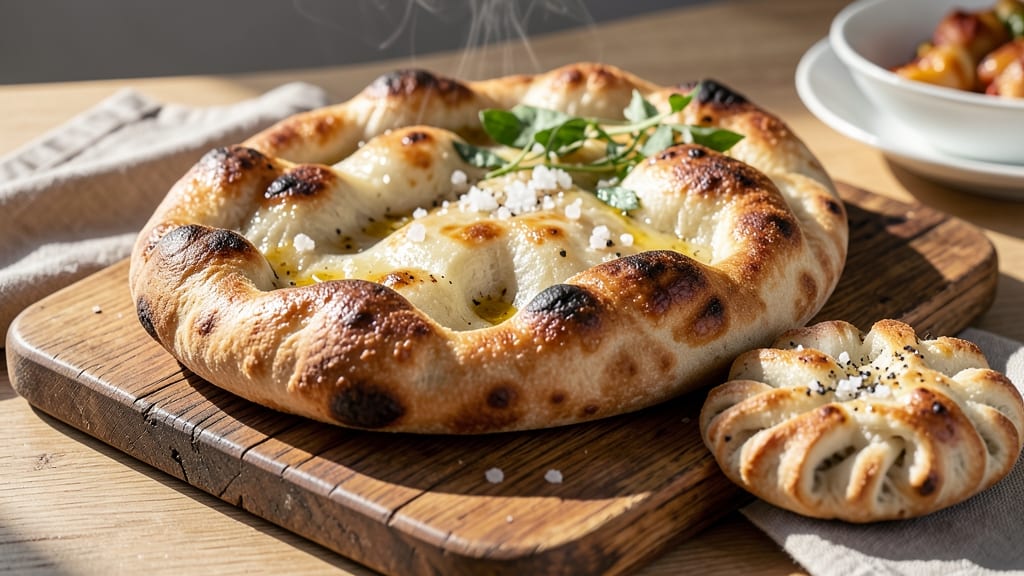
This authentic Turkish pide bread recipe brings the heart of Turkish cuisine to your kitchen with its signature flaky layers and rich, savory fillings. 🌟 Born in the bustling streets of Istanbul, pide is more than just bread—it's a canvas for bold flavors, whether stuffed with spiced minced meat, melted cheese, or fresh vegetables.
The secret lies in the dough's delicate balance of flour, yeast, and oil, which creates those coveted crispy yet tender layers. What sets pide apart is its versatility—regional variations like Adana pide (spicy and meaty) or Lahmacun-style (thin and crispy) showcase Turkey's culinary diversity.
The dough is stretched thin, baked to golden perfection, and topped with ingredients that transform it into a meal on its own. Whether you're serving it with garlic yogurt or ayran, every bite delivers an explosion of texture and flavor.
The process starts with a simple yet precise dough recipe, where proper kneading and resting are key to achieving that signature flakiness.
Once shaped and filled, the bread bakes in a hot oven (or even on a stovetop griddle for a rustic touch) until the crust is crisp and the cheese bubbles temptingly. The result? A dish that feels like a warm hug—crispy, cheesy, and utterly satisfying.
Perfect for meal prep or a special gathering, this pide bread recipe is a celebration of Turkish tradition. Let's get started on creating your own masterpiece!
Ingredients for authentic turkish pide bread
Six ingredients for the dough, seven for the filling—simple yet transformative for authentic Turkish pide.
| Ingredient | Amount | Notes |
|---|---|---|
| All-Purpose Flour 🌾 | 4 cups | High-protein preferred for flakiness |
| Active Dry Yeast 🍞 | ¼ oz | Or 2 1/4 tsp, ensure fresh |
| Granulated Sugar 🍚 | 1 tbsp | Feeds yeast for activation |
| Warm Water 💧 | 1 ¼ cups | 105-110°F for yeast activation |
| Vegetable Oil 🫒 | ½ cup | Light olive oil works too |
| Salt 🧂 | 1 ½ tsp | Kosher or sea salt preferred |
| Shredded Mozzarella Cheese 🧀 | 2 cups | Low-moisture for best melt |
| Minced Garlic 🧄 | 4 cloves | Freshly minced for flavor |
| Ground Beef 🥩 | 1 ½ lb | 80/20 fat ratio preferred |
| Dried Oregano 🌿 | 1 tbsp | Crumbled, not powdered |
| Ground Red Pepper 🌶️ | 1 tsp | Adjust for spice preference |
| Salted Butter 🧈 | 2 tbsp | Melted for brushing |
| Garlic Yogurt 🥛 | ½ cup | For serving, optional |
The flour is non-negotiable for pide's signature flakiness. King Arthur or Caputo pizza flour (if you can find it) are ideal, but high-protein all-purpose works too. Yeast must be fresh—test it by sprinkling in warm water with sugar; if it bubbles within 5 minutes, it's active. For the oil, vegetable oil gives neutral flavor, but light olive oil adds subtle depth. The mozzarella should be low-moisture—pre-shredded gets clumpy, so block cheese is worth the effort. Ground beef with 20% fat keeps the filling juicy during baking.
No mozzarella? Kashkaval or halloumi cheese hold up beautifully when melted. Short on ground beef? Lentils or crumbled feta add texture and flavor. The oregano can be swapped for dried thyme at half the amount if you prefer a different herbal note. For extra richness, add 1 tbsp tomato paste to the meat mixture. The garlic yogurt for serving can be made with Greek yogurt and a pinch of salt—no need for fancy ingredients.
Dough keeps best covered in the fridge for 24 hours—this actually improves flavor. The shaped pide can be refrigerated for 4 hours before baking, but don't over-proof. Leftovers? Slice and freeze for 3 months—reheat in a toaster oven for crispy perfection. The filling mixture can be prepped a day ahead and stored in the fridge, making assembly quicker on baking day.
Why You'll Love This Recipe
- No-Knead Magic: I swear by this dough—just mix, let it rise, and boom. The yeast and sugar combo does all the work while I sip tea. No standing at the counter, no sore arms.
- Crispy-Gold Perfection: That oil brushed on the dough? It’s the secret. The edges crackle like a fresh bakery loaf, while the inside stays soft—exactly how pide should be.
- Party or Picnic Star: Stuff it with cheese, kebabs, or even just jam for breakfast. I’ve made it for game nights (easy to share), potlucks (impresses everyone), and lazy Sundays (no fuss).
- Budget Baked Good: A single batch stretches for days—freeze extras for quick lunches or reheat slices in seconds. Honestly, it’s the most cost-effective way to feel fancy without breaking the bank.
Step-by-step instructions for authentic Turkish pide bread
Master the art of Turkish pide with these precise steps for flaky layers and perfect rise.
👨🍳 Step 1: Activate the Yeast for Maximum Rise
In a small bowl, combine the 1.25 cups warm water (between 105-110°F) with 1 tbsp granulated sugar and the 0.25 oz active dry yeast. Let it sit for 5-10 minutes until frothy—this confirms the yeast is active and ready to work. If it doesn't foam, your yeast may be stale, and you'll need to start over.
While waiting, sift the 4 cups all-purpose flour into a large mixing bowl. The high-protein flour creates the signature flaky texture that sets pide apart. Create a well in the center and pour in the yeast mixture along with the 1.5 tsp salt. This strategic placement ensures even distribution when mixing.
👨🍳 Step 2: Develop the Dough with Oil and Kneading
Slowly pour in the 0.5 cup vegetable oil while mixing with a wooden spoon or dough whisk. The oil creates tender layers and prevents the dough from becoming tough. Once combined, turn the dough onto a lightly floured surface and knead for 8-10 minutes until smooth and elastic.
Here's the thing—Turkish pide dough needs to be supple but not sticky. If it feels too dry, add 1 tsp warm water at a time. If too sticky, knead in 1 tbsp flour. The ideal dough should spring back slowly when pressed. Cover the bowl with a damp towel and let it rest for 1 hour at room temperature—this relaxation period develops gluten for that perfect ovenspring.
🍳 Step 3: Create the Signature Pide Dough Layers
Divide the rested dough into 6 equal portions (about 8 oz each). Roll each portion into a 12-inch circle on a floured surface, keeping the edges slightly thicker than the center. This creates the classic pide shape with a sturdy crust that holds all the fillings.
For the flaky layers, brush each rolled dough circle generously with 1 tbsp melted salted butter. Then sprinkle ⅓ of the 2 cups shredded mozzarella cheese evenly over the surface, leaving a 1-inch border uncovered. This cheese layer will melt beautifully during baking, creating that signature stretchy, gooey texture.
🥘 Step 4: Assemble the Filling and Shape the Pide
In a separate bowl, combine the 1.5 lb ground beef, 4 cloves minced garlic, 1 tbsp dried oregano, and 1 tsp ground red pepper. Mix well and cook in a skillet over medium heat for 5-6 minutes until browned. Drain excess fat but reserve 1 tbsp for flavor.
Spread the beef mixture evenly over the cheese layer of each dough circle, staying within the 1-inch border. Fold the edges of the dough inward, pleating as you go to create the traditional pide shape. This technique traps the fillings while maintaining that signature puffed appearance. Brush the folded edges with more melted butter for extra crispness.
🔥 Step 5: Bake to Golden Perfection
Preheat your oven to 425°F with a pizza stone or baking sheet inside. This high heat is crucial for achieving that crispy crust. Carefully transfer each assembled pide onto the hot stone/sheet, spacing them 2 inches apart. Bake for 18-22 minutes until the crust is deep golden brown and the cheese is bubbling.
For that authentic Turkish touch, finish each pide with a drizzle of garlic yogurt right after removing from the oven. The contrast of warm, crispy bread with cool, tangy yogurt is what makes pide truly special. Let rest for 5 minutes before serving to allow the fillings to set slightly—this prevents messy bites while eating.
Pro Tips For Making Authentic Turkish Pide Bread
- Use a Thermometer for Water: Turkish pide relies on yeast activation—warm water should hit 105–110°F (40–43°C), not just "hand-hot." I used to eyeball it and end up with sluggish dough. A cheap instant-read thermometer solves that instantly.
- Knead Until Silky: The dough should stretch like wet silk, not tear like overworked pie crust. After 8–10 minutes by hand (or 5–6 with a stand mixer), press a finger into it—if it springs back slowly, you’re there. Over-kneading turns pide dense, and no one wants that.
- Skip the Sugar Shortcut: That "1 tablespoon sugar" isn’t just for flavor—it’s the yeast’s wake-up call. If you’re using bread flour or whole wheat, bump it to 1.5 tablespoons to compensate for their slower fermentation. Trust me, your pide’s rise will thank you.
- Oil the Bowl Like a Pro: Lightly coat your bowl with vegetable oil after shaping the dough, not before. This creates a slick barrier that prevents sticking without making the dough greasy. Use a pastry brush—it’s the difference between a smooth roll and a sticky mess.
Best sauces and condiments for this dish
Garlic Yogurt
This tangy, garlicky condiment is the perfect finishing touch for pide, balancing the richness of the cheese and meat. Mix ½ cup plain Greek yogurt with 2 minced garlic cloves, ½ tsp salt, and a pinch of black pepper.
Let it sit for 10 minutes to allow the flavors to meld. Drizzle generously over each slice before serving—it’s the secret to that restaurant-quality experience. 🥛
Spicy Red Pepper Sauce
For those who love heat, a homemade red pepper sauce adds a smoky kick that pairs beautifully with pide. Blend 1 cup roasted red bell peppers, 2 tbsp tomato paste, 1 tsp smoked paprika, and 1 tbsp olive oil until smooth.
Adjust the heat with a pinch of cayenne pepper if desired. Serve as a dip or drizzle over the top of your pide for extra depth. 🌶️
Ayran
This classic Turkish yogurt drink is the ultimate companion to pide, cutting through the richness with its cool, creamy texture. Mix 1 cup plain yogurt with 1 cup cold water, ½ tsp salt, and a pinch of dried mint.
Stir well and chill for 30 minutes before serving. It’s light, refreshing, and the perfect palate cleanser between bites. ✨
Olive Oil and Za’atar
For a simple yet flavorful drizzle, combine 2 tbsp extra-virgin olive oil with 1 tsp za’atar seasoning (a mix of thyme, sesame, and sumac). Drizzle over sliced pide just before serving to add a bright, herby note.
The sesame seeds add a delightful crunch that contrasts with the soft, cheesy filling. 🌿
Tahini Sauce
This nutty, creamy sauce adds a rich contrast to pide’s savory flavors. Whisk together ¼ cup tahini, 2 tbsp lemon juice, 1 tbsp olive oil, 1 garlic clove, and 2 tbsp water until smooth.
Thin with more water if needed. It’s a crowd-pleaser, especially for those who enjoy a nutty twist on traditional pide pairings. 💛
Pickled Vegetables
Bright, tangy pickles or pickled onions add a refreshing crunch and acidity to balance the richness of pide. Quick-pickle ½ cup thinly sliced red onions in ½ cup vinegar, 1 tbsp sugar, and 1 tsp salt for 30 minutes.
Serve alongside or on top of the pide for a burst of flavor in every bite. 🥒
Nutrition facts
Frequently asked questions
Can I make pide without yeast?
Traditional pide relies on yeast for its signature rise and flaky texture, but you can create a flatbread version using 1 tsp baking powder per cup of flour. Replace the yeast with warm water and sugar, then add baking powder to the dry ingredients. The result will be thinner and denser, more like Lahmacun than classic pide. For authentic flavor, yeast is essential!
How do I prevent my pide from becoming soggy?
Prevent sogginess by baking the pide on a preheated pizza stone or baking sheet at 425°F until the crust is deep golden brown. Avoid overfilling the edges—leave that 1-inch border empty to maintain structure. For extra crispiness, brush the folded edges with melted butter before baking. Let the pide rest for 5 minutes after baking to set the fillings.
What's the difference between pide and Turkish flatbread?
Pide is a stuffed flatbread with fillings like cheese, meat, or vegetables, while traditional Turkish flatbread (like yufka) is thin and plain. Pide has a thicker, puffed crust from its layered dough and fillings, whereas flatbread is more like a cracker. Think of pide as a savory pizza, but with Turkish flavors and techniques!
Can I make pide ahead of time?
You can prep the dough up to 24 hours ahead and refrigerate it covered. Shape and fill the pide, then refrigerate for up to 4 hours before baking. For best results, bake immediately after shaping. Leftovers can be reheated in a 350°F oven for 10 minutes or a toaster oven to restore crispiness. Freeze unbaked pide for 3 months—thaw overnight before baking.
What are some vegetarian pide variations?
Swap the meat for sautéed mushrooms, spinach, or roasted eggplant mixed with feta and herbs. Try spiced chickpeas with tahini and lemon, or a tomato-pepper jam with melted cheese. For extra protein, add crumbled halloumi or paneer. Keep the cheese layer to maintain that signature stretchy texture!