Side Dishes
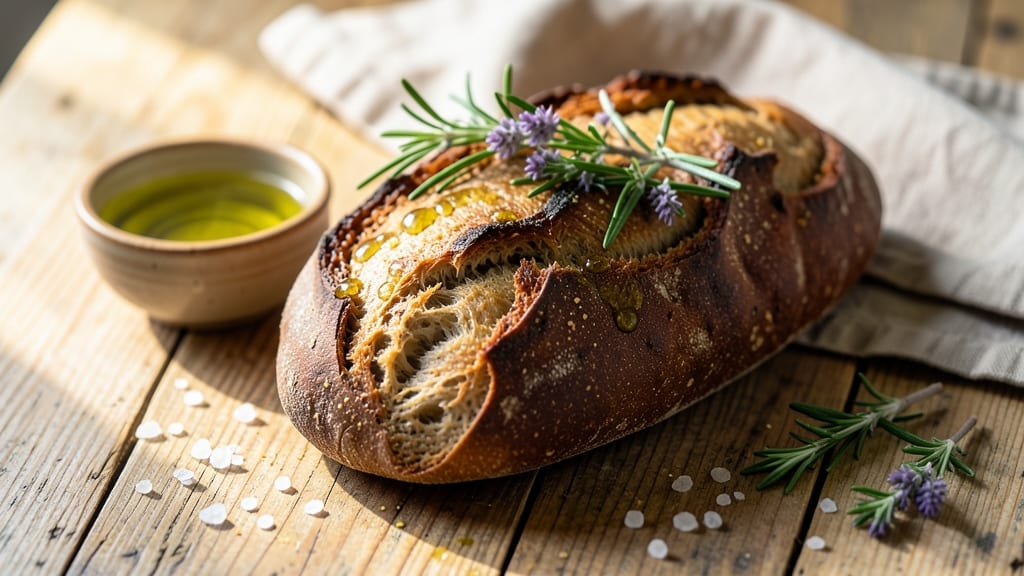
This authentic Tuscan bread recipe brings the rustic charm of Italy to your kitchen with its signature crispy crust and airy crumb. 🌟 The secret lies in a simple dough of just flour, water, salt, and olive oil—no yeast required—fermented overnight for deep flavor and texture.
I’ve perfected this version after years of baking, ensuring every loaf captures the essence of Pane Toscano, the bread of Tuscany’s heartland.
The beauty of Tuscan bread lies in its simplicity and tradition. Traditional recipes call for type '00' flour or semolina, which creates that iconic crispy crust while keeping the interior tender. Rosemary and olive oil infuse the dough with aromatic richness, while a long fermentation develops complex flavors without yeast.
This method delivers a loaf that’s both rustic and refined—ideal for dipping in olive oil or pairing with soups and stews.
What makes this recipe truly authentic is the no-yeast process, which relies on natural fermentation for leavening. The dough develops a golden, crackled crust while staying light inside, thanks to careful shaping and baking techniques.
Whether you’re serving it warm from the oven or toasting slices for bruschetta, this bread is the perfect complement to any Italian meal.
Ready to bake? This recipe requires patience—especially the overnight fermentation—but the results are worth every minute. The aroma alone will transport you to a Tuscan countryside kitchen, where bread baking is both an art and a daily ritual. Let’s get started on your journey to authentic Tuscan bread.
Ingredients for authentic tuscan bread
Simple ingredients, traditional technique—this Tuscan bread needs just flour, oil, rosemary, and patience.
| Ingredient | Amount | Notes |
|---|---|---|
| Type 00 Flour 🌾 | 3 ½ cups | Or semolina for extra crust crispness |
| Extra-Virgin Olive Oil 🫒 | ½ cup | High-quality, fruity variety |
| Fresh Rosemary 🌿 | ¼ cup | Finely chopped, stems removed |
| Kosher Salt 🧂 | 1 ½ tsp | Fine grain preferred |
| Warm Water 💧 | 1 ½ cups | 105°F for ideal hydration |
| Cornmeal 🌽 | 2 tbsp | For dusting work surface |
| Coarse Sea Salt 🧂 | 1 tbsp | For sprinkling on crust |
The flour is everything here. Type 00 or semolina gives that signature crispy crust, but King Arthur all-purpose works in a pinch. I grab mine from Whole Foods or the Italian market—look for bags labeled '00' or 'semola di grano'. Fresh rosemary matters too; dried works (use half the amount), but nothing beats the aroma of fresh. Trader Joe's usually has great bunches. For the olive oil, splurge on something fruity and peppery—California Olive Ranch is my go-to, but any extra-virgin will do. The warm water temp is key: too hot and you'll kill the fermentation.
No type 00? All-purpose plus 1 tbsp cornmeal mimics the texture. Short on rosemary? Thyme or sage at the same amount works beautifully. The coarse salt on top? Diamond Crystal kosher salt is perfect, but any flaky sea salt does the trick. For the cornmeal, Bob's Red Mill is reliable, but any stone-ground version works. Pro tip: toast your rosemary leaves in the oven for 5 minutes at 350°F before using—intensifies the flavor. And if you're making this ahead, the dough keeps for 3 days in the fridge before shaping.
This dough needs time—12-18 hours at room temp is ideal. Shape it 2 hours before baking to let the gluten relax. Store shaped dough wrapped in plastic in the fridge for up to 24 hours if you need to delay baking. The baked loaf stays fresh for 3-4 days at room temp, wrapped in a towel. For longer storage, freeze slices wrapped in parchment—toast straight from frozen for crispy results. Leftovers? Toast them for bruschetta or freeze for soup dipping.
Why You'll Love This Recipe
- Four-Ingredient Magic: The pantry staples here—flour, olive oil, rosemary, salt—are already in my cupboard. Honestly, I’ve made this bread while waiting for dinner to cook, no fuss.
- Rosemary Kiss: That fresh rosemary, bruised and folded into the dough, gives it a bright, piney aroma that lingers. Between us, it’s the secret weapon—simple but unforgettable.
- Weeknight & Weekend: Tear it warm over a bowl of minestrone or crust it with garlic butter for a charcuterie board. I’ve even used it as a base for a quick flatbread pizza when I’m lazy.
- Budget Crust: A loaf costs me pennies but feels like a treat. Leftovers? Toast them for breakfast or freeze slices for toast later—no waste, all flavor.
Step-by-step instructions for rustic olive oil rosemary bread
Here's how to bake Tuscan bread with that signature crispy crust and fragrant rosemary aroma.
👨🍳 Step 1: Mix Dough with Olive Oil and Rosemary
In a large bowl, combine the 3.5 cups Type 00 Flour and 1.5 tsp Kosher Salt. Make a well in the center and add the 0.5 cup Extra-Virgin Olive Oil and 0.25 cup Fresh Rosemary. The rosemary should be finely chopped - you'll smell that fresh piney aroma as you work.
Gradually pour in the 1.5 cups Warm Water (around 105°F) while stirring with a wooden spoon. The dough will start shaggy but come together as you mix. Once combined, turn it out onto a lightly floured surface and knead for about 8-10 minutes until smooth and elastic. You're looking for a dough that springs back when poked - this means proper gluten development for that authentic Tuscan texture.
🥘 Step 2: Bulk Ferment for Maximum Flavor
Shape the dough into a loose ball, place it back in the bowl, and cover with a damp towel. Let it ferment at room temperature for 1-2 hours until it nearly doubles in size. This slow fermentation develops deep flavor - you'll notice the dough smells more aromatic and looks puffier. Here's the thing - don't rush this step. The longer it ferments, the more complex the flavor becomes.
After the initial rise, punch down the dough to release air, then shape it into a round loaf. Place it seam-side down in a lightly oiled bowl, cover again, and let it rise for another 30-45 minutes until just puffy. This second rise gives you that beautiful oven spring we're after.
🔥 Step 3: Shape and Score for Perfect Crust
Preheat your oven to 425°F with a Dutch oven inside for 30 minutes. While it heats, transfer the dough to a floured surface and shape it into an oval loaf about 12 inches long. Dust a baking sheet with 2 tbsp Cornmeal and place the dough on it. Make a shallow slash down the center using a razor blade - this helps control expansion and creates that classic Tuscan bread crust.
Carefully transfer the dough (with the cornmeal) to the hot Dutch oven. Immediately sprinkle with 1 tbsp Coarse Sea Salt - this will create that signature crusty exterior. Bake covered for 25 minutes, then remove the lid and bake for another 15-20 minutes until deep golden brown. You'll know it's done when it sounds hollow when tapped on the bottom.
⏰ Step 4: Cool and Enjoy the Authentic Crust
Remove the bread from the oven and let it cool on a wire rack for at least 20 minutes. This resting period is crucial - it allows the steam inside to redistribute, preventing a gummy texture. That crispy crust will soften slightly as it cools, but it's worth the wait.
Slice into thick pieces and serve warm. You'll notice that beautiful rosemary aroma, the crispy crust that shatters when you break it, and the tender crumb underneath. This is authentic Tuscan bread - rustic, flavorful, and perfect for dipping in olive oil.
Pro Tips For Making Authentic Tuscan Bread
- STRETCH THE DOUGH: Don’t rush this—after mixing, let the dough rest uncovered for 30 minutes in the fridge. It’ll relax the gluten and make shaping easier, even if it looks like nothing’s happening. (Yes, I’ve fought this step and lost.)
- CHOP ROSMARY FINE: Tiny sprigs of rosemary cook faster and release flavor evenly. Use kitchen shears for uniform ¼-inch pieces—no need to pulverize it, but whole sprigs burn before the bread does.
- SALT THE WATER: Dissolve the kosher salt in the warm water first. The dough will absorb the flavor more evenly, and you won’t end up with salt pockets that turn your bread into a salty minefield.
- BAKE COLD TO HOT: Start the oven at 425°F, then place the dough in and immediately crank it to 475°F. The initial lower temp helps the bread rise gently, while the sudden heat shock creates that crisp crust. (I learned this after my first batch came out dense and pale.)
Perfect pairings for this recipe
Olive Oil Dipping
Tuscan bread shines when paired with extra-virgin olive oil—the very same oil used in the dough.
I drizzle 2 tbsp of fruity, peppery olive oil (like California Olive Ranch) over warm slices, then sprinkle with flaky sea salt and a pinch of red pepper flakes. 🫒 The oil enhances the rosemary’s aroma while balancing the bread’s crusty texture.
For extra richness, add a few drops of balsamic glaze or aged balsamic vinegar for a sweet-tart contrast.
Tomato & Basil Bruschetta
Top toasted bread slices with a classic bruschetta—diced ripe tomatoes (like San Marzano), fresh basil, garlic, and a splash of olive oil. I use 2 tbsp of finely chopped tomatoes per slice, plus 1 tsp minced garlic and 5-6 basil leaves.
The acidity cuts through the bread’s richness, creating a perfect balance. Add a sprinkle of Parmesan cheese for extra depth. 🍅
Pesto & Roasted Veggie
Spread homemade basil pesto (or store-bought Bertolli) on warm bread, then top with roasted zucchini, cherry tomatoes, and red onion. I roast the veggies at 400°F for 20 minutes with olive oil and Italian seasoning—their caramelized sweetness pairs beautifully with the bread’s crust.
Add a few sun-dried tomatoes for extra umami. 🌿
Tuscan Soup Pairing
Serve with ribollita or minestrone—these hearty soups complement the bread’s rustic texture. I ladle warm soup into bowls and place a slice of bread on the side for dipping. The bread’s crispy crust soaks up the broth perfectly, while the rosemary adds an aromatic touch to every spoonful.
For a lighter option, try zuppa di pane (bread soup), where the bread becomes the star. 🍲
Cheese & Charcuterie Board
Create a Tuscan-inspired board with pecorino cheese, prosciutto, fig jam, and honey. The bread’s olive oil and rosemary flavors harmonize with the salty prosciutto and creamy pecorino.
I arrange 3-4 slices of bread alongside 1 oz of prosciutto, 2 oz of pecorino, and 1 tbsp of fig jam for dipping. Add walnuts for crunch and a drizzle of honey for sweetness. 🧀
Wine & Beverage Pairings
Pair with Chianti Classico or Vermentino—both wines cut through the bread’s richness. For a non-alcoholic option, try sparkling blood orange soda (like San Pellegrino Aranciata Rossa) or iced rosemary tea. The effervescence cleanses the palate, while the citrus brightens the bread’s herbal notes. 🍷
Nutrition facts
Frequently asked questions
Why does this Tuscan bread recipe use no yeast?
Traditional Tuscan bread relies on natural fermentation for its signature flavor and texture. The long fermentation process (12-18 hours) develops complex flavors without yeast, creating that authentic rustic taste. This method also produces a lighter crumb while maintaining a crispy crust.
Can I make this bread without a Dutch oven?
Yes, but your crust won't be as crispy. Use a heavy baking sheet or stone instead. Preheat it in the oven for 30 minutes before baking. For extra crispness, bake the bread on the lower rack and consider using a baking steel if available.
How do I know when the dough is properly fermented?
Look for nearly doubled volume and a jiggly texture when gently pressed. The dough should also smell aromatic with rosemary notes. If it hasn't risen much after 12 hours, try moving it to a slightly warmer spot (75-80°F) to encourage fermentation.
What's the best way to store leftover Tuscan bread?
Wrap cooled bread in a clean kitchen towel and store at room temperature for up to 3 days. For longer storage, freeze slices wrapped in parchment paper. Toast straight from frozen for that perfect crispy crust - the texture stays amazing even after freezing.
Can I add other herbs besides rosemary?
Try thyme, sage, or oregano at the same amount. For a Mediterranean twist, add 1 tsp dried za'atar with the rosemary. Just