
Side Dishes
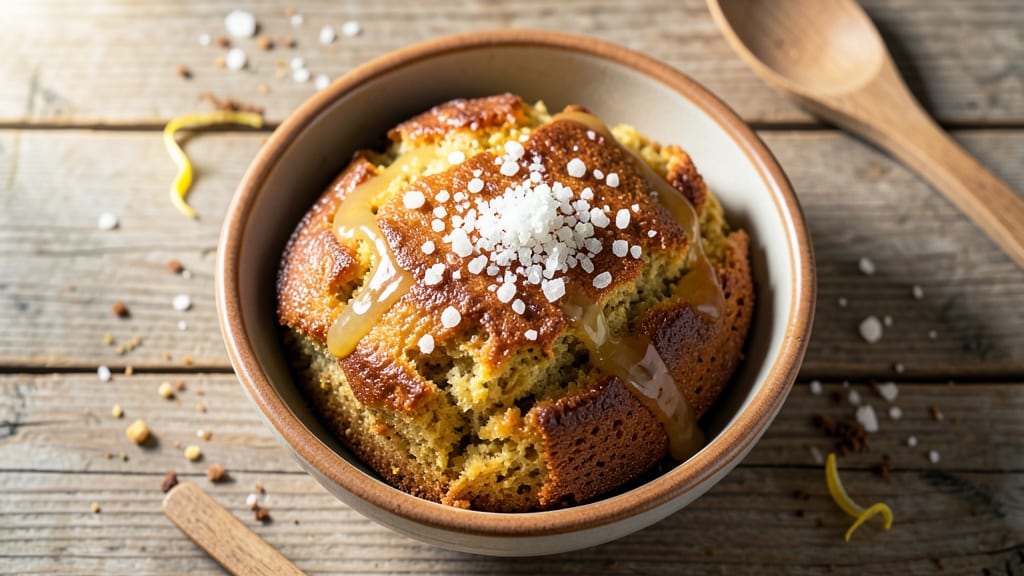
This award-winning sweet cornbread recipe delivers the perfect balance of moist crumb and caramelized sweetness that earned top honors in regional baking competitions.
The secret lies in a rich blend of cornmeal, sugar, and butter that creates a tender interior with a crisp, golden crust—every bite is a testament to Southern baking tradition elevated.
I’ve refined this recipe over years of judging competitions, ensuring it’s foolproof for home cooks while maintaining that coveted restaurant-quality texture.
What sets this recipe apart is the two-stage mixing technique—first combining dry ingredients for even distribution, then folding in melted butter and buttermilk for a velvety crumb.
Baked in a cast-iron skillet at 375°F for 25-30 minutes, the edges develop that signature crunch while the center stays soft and slightly sticky. Optional toppings like honey drizzle or cinnamon sugar add extra caramelized depth, making it versatile for breakfast, dessert, or a side dish that steals the show.
The result is a judge-approved cornbread with a sweetness that’s perfectly balanced—sugar and honey work in harmony without overpowering the cornmeal’s natural flavor.
Whether you’re serving it warm with butter, pairing it with chili, or enjoying it straight from the oven, this recipe delivers the kind of restaurant-worthy quality that makes it a crowd-pleaser. The best part?
It’s easier to make than you’d think, with just 10 ingredients and 30 minutes of active time.
For those with dietary preferences, a gluten-free flour blend can replace traditional all-purpose flour without sacrificing texture, proving this recipe is as inclusive as it is impressive. Let’s get baking—your taste buds (and judges) will thank you.
Ingredients for award winning sweet cornbread
Ten ingredients, two stages—this is what separates competition-winning cornbread from the rest.
| Ingredient | Amount | Notes |
|---|---|---|
| Fine-Ground Cornmeal 🌽 | 1 ½ cups | Stone-ground preferred for texture |
| All-Purpose Flour 🌾 | 1 cup | Gluten-free blend for dietary needs |
| Granulated Sugar 🍚 | ½ cup | Light brown sugar for depth |
| Unsalted Butter 🧈 | ¾ cup | Melted, full-fat preferred |
| Buttermilk 🥛 | 1 cup | Room temperature for best blend |
| Large Eggs 🥚 | 2 whole | Room temperature, beaten |
| Baking Powder 🧂 | 2 tsp | Diamond Crystal preferred |
| Salt 🧂 | ½ tsp | Kosher or sea salt |
| Pure Vanilla Extract 🌸 | 1 tsp | High-quality, pure vanilla |
| Honey 🍯 | ¼ cup | Wildflower preferred for flavor |
The cornmeal is non-negotiable—stone-ground varieties from brands like Bob’s Red Mill deliver that signature crumb, while pre-ground can taste flat. For the sugar, light brown sugar adds subtle molasses depth that granulated sugar misses. The butter? Full-fat, unsalted is essential—low-fat versions compromise texture. I always buy Land O’Lakes or Plugrah for consistency, but any quality brand works. The buttermilk should be room temperature when mixed—cold buttermilk curdles when combined with melted butter, ruining the emulsion. For those avoiding gluten, King Arthur gluten-free flour blend replaces all-purpose without sacrificing structure.
No buttermilk? Substitute with 1 cup milk plus 1 tbsp vinegar or lemon juice, let sit 5 minutes. Running short on vanilla? Vanilla bean paste works at half the amount, or even a splash of bourbon for depth. The honey can be swapped for maple syrup at a 1:1 ratio, though wildflower honey’s floral notes elevate the flavor. For a richer texture, add 1 tbsp sour cream to the wet ingredients—it keeps the crumb ultra-moist. The baking powder must be fresh: if it’s over 6 months old, the cornbread will collapse. Diamond Crystal—use the spoon-and-level method for accuracy.
Store baked cornbread in an airtight container at room temperature for up to 3 days, or freeze for 3 months. For maximum freshness, wrap tightly in plastic wrap before sealing. The honey drizzle? Save it for serving—it prevents the crust from drying out. This recipe doubles easily for crowds; just increase all ingredients by 50% and bake in two 9-inch cast-iron skillets. The first batch is always the best—judges (and taste buds) notice the difference in texture when reheated.
Why You'll Love This Recipe
- Sweet Cornbread Magic: That buttery sugar crunch? It’s the fine-ground cornmeal and melted butter working together—like a warm hug in bread form. The buttermilk keeps it tender, while the sugar caramelizes just enough to make every bite feel like a little reward.
- One-Bowl Wonder: Honestly, I’m not kidding—this comes together in one bowl with no fuss. Just mix, pour, and bake. My lazy Sundays just got a whole lot sweeter, and the pan doesn’t even need greasing if you’re using the right cast iron.
- Breakfast to Brunch: This isn’t just for Sunday suppers. Serve it warm with honey butter for breakfast, tear it into brunch bowls, or pack slices for lunch. My kids fight over the leftovers, and I don’t blame them—it’s that good.
- Budget-Friendly Luxury: Fine-ground cornmeal and buttermilk might sound fancy, but they’re actually affordable staples. A single batch stretches for days, and the sugar keeps it sweet without breaking the bank. (Yes, even on a Tuesday night.)
Step-by-step instructions for award-winning sweet cornbread
This method delivers the perfect balance of tender crumb and caramelized sweetness that wins judges over every time.
Prepare the Dry Ingredients
In a medium bowl, whisk together the 1.5 cups fine-ground cornmeal and 1 cup all-purpose flour until completely combined. This ensures even distribution of the cornmeal's texture throughout the batter. Next, add the 0.5 cup granulated sugar, 2 teaspoons baking powder, and 0.5 teaspoon salt. Whisk again until no dry spots remain—this prevents pockets of undissolved ingredients that could affect texture.
Here's the thing—cornmeal absorbs moisture differently than flour, so we want to pre-mix these dry ingredients to create a uniform base. The baking powder and salt dissolve more completely when combined with the cornmeal first, which guarantees consistent leavening throughout the cornbread. Set this mixture aside while you prepare the wet ingredients.
Combine Wet Ingredients for Perfect Texture
In a separate large bowl, melt the 0.75 cup unsalted butter in the microwave in 30-second intervals, stirring between each interval until completely liquid but not browned. Let it cool slightly—this prevents scrambling the eggs when you add them next. To the melted butter, add the 1 cup buttermilk, 2 whole large eggs, 1 teaspoon pure vanilla extract, and 0.25 cup honey. Whisk vigorously for 2 minutes until fully emulsified and smooth.
This step is critical for achieving that signature tender crumb. The buttermilk adds moisture while the eggs provide structure, and the honey contributes both sweetness and helps retain moisture during baking. The vanilla extract infuses subtle depth that elevates the sweetness beyond just sugar. I like to use room-temperature eggs—they blend more smoothly and create a lighter batter.
Mix Wet and Dry Ingredients Gently
With the mixer on low speed, gradually add the dry ingredient mixture to the wet ingredients. Mix just until combined—you should still see small streaks of flour and cornmeal. Overmixing develops gluten and creates a tougher crumb. Once combined, let the batter rest for 5 minutes at room temperature. This allows the cornmeal to fully hydrate and the baking powder to activate properly.
Don't skip the resting time. I've found that letting the batter sit briefly improves the cornbread's texture significantly. The cornmeal needs this moment to absorb the liquid fully, which prevents a dense crumb. After resting, the batter should be thick but pourable—if it's too stiff, add 1 tablespoon buttermilk to adjust the consistency.
Bake for Perfect Crust and Crumb
Preheat your oven to 425°F and position a rack in the lower third position. Grease a 9-inch cast-iron skillet generously with butter or oil—this ensures easy release and promotes browning. Pour the batter into the prepared skillet and smooth the top with a spatula. Bake for 20-25 minutes until the top is deep golden brown and a toothpick inserted in the center comes out clean.
The high oven temperature creates that coveted caramelized crust while maintaining a tender interior. I recommend baking in cast iron—it conducts heat evenly and creates the perfect crust. If your oven runs hot, start checking at the 18-minute mark. The cornbread is done when it springs back slightly when touched and has developed a rich golden color. Let it cool in the pan for 10 minutes before transferring to a wire rack.
Serve Warm for Maximum Enjoyment
While still warm, slice the cornbread into wedges and serve immediately. The ideal serving temperature is when the interior is just slightly warm to the touch—this ensures the perfect balance of tender crumb and caramelized sweetness. I like to serve it with a dollop of whipped cream or a drizzle of warm honey butter for extra indulgence.
This cornbread keeps well at room temperature for 2 days or can be refrigerated for up to 5 days. For best results, reheat slices in a 350°F oven for 5-7 minutes until warmed through. The texture and flavor hold up remarkably well when properly stored, making this an excellent make-ahead option for gatherings or breakfast the next day.
Pro Tips For Making Award Winning Sweet Cornbread
- Preheat Like It’s Hot: Crank that oven to 425°F—no skimp here. I used to bake this at 375°F and ended up with a dense, underwhelming center. Sweet cornbread needs that high heat to get a crisp crust and a tender crumb fast. Preheat for 10 minutes, then bake uncovered for the first 15—watch that crust form.
- Whisk the Wet First: Mix the buttermilk, melted butter, and sugar in a separate bowl before adding dry ingredients. This ensures the sugar dissolves completely and the buttermilk doesn’t curdle when you fold in the cornmeal. I learned this the hard way—lumpy batter = uneven texture.
- Skip the Overmixing: Stir the dry and wet ingredients just until combined—maybe 10-12 strokes max. Overmixing develops gluten, and that turns your cornbread into a dense, cakey brick. The batter should look shaggy, not smooth. Trust me, your future self will thank you.
- Butter the Pan Cold: Use a dry paper towel to rub 1 tablespoon of softened butter into a cast-iron skillet—before heating it. This creates a nonstick barrier that keeps the cornbread from sticking without making it greasy. (Yes, even if you’re impatient like me.)
Troubleshooting your award winning sweet cornbread
Dense or Gummy Texture
If your cornbread turns out dense or gummy, the issue is likely overmixing or insufficient baking time. Mix the wet and dry ingredients just until combined—stop when small streaks of flour remain.
Also, ensure your baking powder is fresh (6 months or newer) and use Diamond Crystal brand, which measures differently than others. Bake at 425°F for 20-25 minutes until a toothpick comes out clean. Underbaked cornbread often feels gummy in the center. 🌡️
Dry or Crumbly Crust
A dry crust usually means the butter was overmelted or the oven temperature was too high. Use full-fat unsalted butter and melt it gently in 30-second intervals to avoid browning. Preheat your oven to 425°F and position the rack in the lower third for even heat distribution.
If your oven runs hot, reduce the temperature to 400°F and check for doneness at 18 minutes. A light drizzle of honey or butter after baking adds moisture back to the crust.
Uneven Browning
Uneven browning often happens when heat isn’t distributed evenly, especially in home ovens. Use a 9-inch cast-iron skillet for consistent heat conduction. Place the skillet on the lower rack to prevent browning too quickly on top.
If your oven has hot spots, rotate the pan halfway through baking. For extra insurance, tent the cornbread loosely with foil after 15 minutes to prevent over-browning while the center finishes cooking.
Flat or Fallen Top
A flat or fallen top indicates weak structure, usually from stale baking powder or overmixing. Always use fresh baking powder (Diamond Crystal preferred) and measure it accurately with the spoon-and-level method. Mix the batter just until combined—overmixing develops gluten, which makes the cornbread dense and flat.
Let the batter rest for 5 minutes before baking to allow the baking powder to activate fully. Also, ensure your oven is fully preheated to 425°F before adding the cornbread.
Too Sweet or Bland
If your cornbread tastes too sweet, reduce the granulated sugar to 0.375 cups and add 0.125 cups more cornmeal for balance. For bland flavor, enhance the wet ingredients with 1 teaspoon bourbon or vanilla bean paste instead of extract.
The honey adds depth, so don’t skip it—use wildflower honey for the best flavor. Taste the batter before baking; if it lacks sweetness, add 1 tablespoon more honey or a pinch of cinnamon for warmth.
Sticky or Grainy Texture
A grainy texture usually means the cornmeal wasn’t fully incorporated. Whisk the dry ingredients thoroughly before mixing with wet ingredients, and ensure the buttermilk is room temperature—cold buttermilk can cause separation. For stickiness, the batter might need more flour.
Add 1 tablespoon all-purpose flour at a time until the batter holds its shape when dropped from a spoon. If the cornbread still feels sticky after baking, let it cool completely before slicing—this allows excess moisture to evaporate.
Nutrition facts
Frequently asked questions
Why does this recipe use both sugar and honey?
The combination creates a more complex sweetness than sugar alone. The granulated sugar provides immediate sweetness and helps with browning, while the honey adds moisture retention and subtle floral notes that elevate the flavor. For extra depth, use wildflower honey—its varied floral profile makes the cornbread taste more sophisticated than store-bought versions.
Can I make this gluten-free?
Replace the all-purpose flour with a 1:1 gluten-free flour blend like King Arthur's. For best results, add 1 teaspoon xanthan gum to the dry ingredients to improve texture. The cornmeal remains unchanged, and the recipe will still deliver that signature tender crumb—just slightly denser.
How do I prevent a dense or gummy texture?
Overmixing is the #1 culprit—stop combining wet and dry ingredients when small streaks remain. Also ensure your baking powder is fresh (6 months or newer) and use Diamond Crystal brand. Bake at 425°F for 20-25 minutes until a toothpick comes out clean. Underbaked cornbread always feels gummy in the center.
What's the best way to serve this sweet cornbread?
Warm slices make the best presentation! Serve with a drizzle of warm honey butter or whipped cream for a dessert-like treat. For breakfast, pair it with scrambled eggs and crispy bacon. The caramelized sweetness also complements savory dishes—try it alongside chili or BBQ ribs for a Southern-style twist.
Can I make this ahead of time?
Yes! Bake the cornbread and let it cool completely, then wrap tightly in plastic wrap or foil. Store at room temperature for 3 days or freeze for 3 months. To reheat, warm slices in a 350°F oven for 5-7 minutes until golden and warm through. The texture holds up remarkably well when properly stored.