
Side Dishes
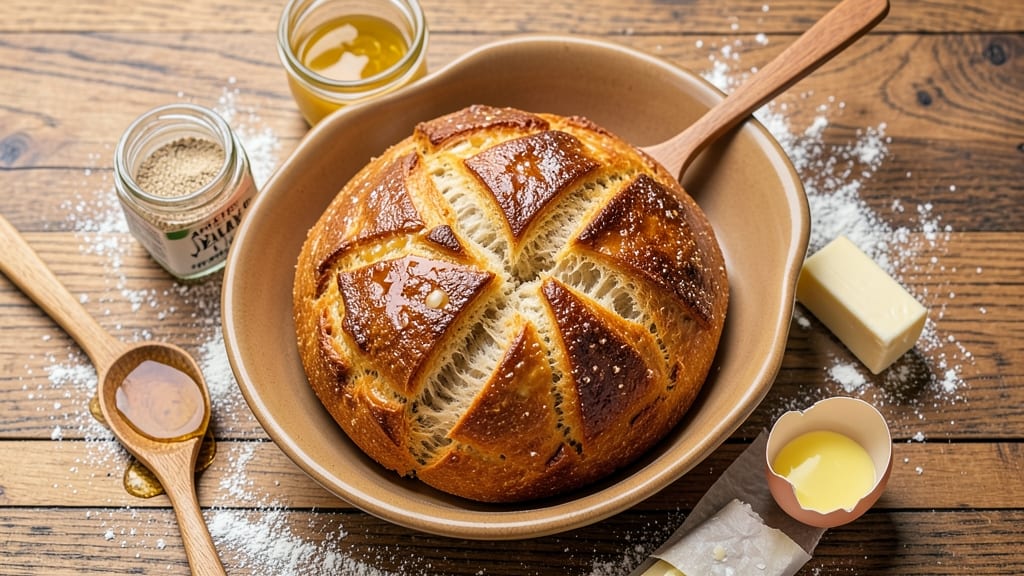
This Babish bread recipe delivers the perfect balance of sweet, spiced swirls and a golden, crusty crown—all in one satisfying bake. What makes this loaf special is its rich, honey-infused dough wrapped around a cinnamon-sugar filling, creating a tender yet sturdy texture that holds up beautifully.
The secret lies in proper proofing and shaping, ensuring that signature swirls stay intact while the crust develops a satisfying crunch.
Traditionally, Babish bread is shaped into a round loaf with intricate swirls, but you can also adapt it into a braided version for a rustic touch. The dough requires patience—kneading develops gluten for structure, while proofing allows the yeast to work its magic.
Don’t skip the egg wash; it gives that irresistible shine and helps the crust achieve its signature golden-brown finish.
By the time it emerges from the oven, you’ll have a loaf with a crusty crown and a soft, fragrant interior, where the honey-spiced swirls melt into every bite.
The aroma alone will have everyone gathering around the table. This recipe is foolproof, whether you’re baking for a holiday gathering or treating yourself to a homemade indulgence.
For extra richness, add raisins or chopped nuts to the dough, or boost the spice with cardamom or nutmeg. The possibilities are endless, but the foundation remains the same: a perfectly balanced, sweet-savory loaf that’s as beautiful as it is delicious. Let’s get baking!
Ingredients for babish bread
Sweet swirls meet golden crust—these 13 ingredients create Babish bread magic.
| Ingredient | Amount | Notes |
|---|---|---|
| All-Purpose Flour 🌾 | 5 cups | Spooned and leveled for accuracy |
| Granulated Sugar 🍚 | ¼ cup | For dough sweetness balance |
| Active Dry Yeast 🍞 | 2 ¼ tsp | Ensure freshness (test in warm water) |
| Honey 🍯 | ½ cup | Wildflower preferred for depth |
| Unsalted Butter 🧈 | ½ cup | Cold, cubed for easier mixing |
| Large Eggs 🥚 | 2 whole | Room temperature for even baking |
| Whole Milk 🥛 | ¾ cup | Warmed to room temperature |
| Salt 🧂 | 1 tsp | Diamond Crystal kosher preferred |
| Ground Cinnamon 🌿 | 1 ½ tsp | Freshly ground for best flavor |
| Brown Sugar 🍚 | ½ cup | Packed for filling consistency |
| Vanilla Extract 🍯 | 1 tsp | Pure, not imitation |
| Egg Wash 🥚 | 1 whole | 1 egg beaten with 1 tbsp water |
| Coarse Sugar 🍚 | ¼ cup | For topping before baking |
The flour is your foundation, so grab King Arthur or Gold Medal for that perfect balance of protein and tenderness. Honey? Wildflower or clover from a local market adds depth—avoid that overly processed grocery store kind. Butter matters too: Plugrá or Land O'Lakes cultured gives the best flavor. For the yeast, check the expiration date—if it doesn’t foam in warm water, toss it. The cinnamon should smell fresh and vibrant, not dusty or stale. Pro tip: Toast your brown sugar for the filling to caramelize slightly before mixing.
No honey? Maple syrup works in a pinch—reduce other liquids slightly to balance. Substituting butter? Coconut oil at room temperature mimics texture but lacks flavor. For the filling, white sugar can replace brown if you’re in a hurry, but the molasses in brown sugar adds moisture. Egg wash? Milk + melted butter works too—just skip the shine. The vanilla extract is non-negotiable here; imitation won’t cut it. If you’re feeling fancy, add a pinch of cardamom to the dough—trust me, it elevates everything.
Store the dough in the fridge for up to 24 hours if prepping ahead—let it come to room temp before shaping. The filling keeps for 3 days in the fridge, but make it fresh for best texture. Once baked, this loaf stays fresh for 3 days at room temperature wrapped in a towel, or 5 days in an airtight container. Freeze slices for 3 months—toast straight from frozen for maximum crunch. And if anyone asks, the secret to those perfect swirls? Keep your hands warm while shaping—cold dough sticks like glue.
Why You'll Love This Recipe
- No-Fuss Rise Time: I swear by this—just toss the yeast into warm honey and water, let it bubble for five minutes, then mix. No waiting hours for dough to proof; it’s ready in one rise cycle, and honestly? That’s a game-changer for me.
- Sweet Butter Magic: That honey-sweetened dough? It’s not just good—it’s dangerously good. The butter gets worked into the flour until it’s like tiny crumbs, then the yeast wakes up and makes the whole loaf smell like a bakery. (Yes, even on a Tuesday night.)
- Breakfast to Dessert: Serve it warm with jam for breakfast, toast it with cinnamon sugar for a snack, or slice it thin for a dessert with whipped cream. I’ve even used the scraps for croutons—this bread does everything.
- Budget-Friendly Staples: Flour, sugar, butter—these are pantry basics. No specialty ingredients, no last-minute grocery runs. And leftovers? They last forever in the freezer—perfect for when you’re too tired to bake.
Step-by-step instructions for honey-spiced swirl bread
Here's how to craft this showstopping bread with its signature honey-spiced swirls and golden crust.
Activate the Yeast and Mix the Dough
In a small bowl, combine the 0.75 cup whole milk (warmed to 110°F) with the 0.5 cup honey and 2.25 tsp active dry yeast. Let this sit for 5-10 minutes until frothy—you'll see bubbles forming on the surface. This tells you your yeast is alive and ready to work.
In a large mixing bowl, whisk together the 5 cups all-purpose flour, 0.25 cup granulated sugar, 1 tsp salt, and 1.5 tsp ground cinnamon. Make a well in the center and pour in the yeast mixture, 2 whole large eggs, and 0.5 cup cold unsalted butter (cut into cubes). Mix with a wooden spoon until combined, then turn out onto a lightly floured surface.
Knead Until Silky Smooth
Knead the dough for 8-10 minutes by pressing down and folding it over itself, rotating the dough as you go. You're looking for a smooth, elastic texture that springs back when poked. If the dough feels too sticky, add 1 tablespoon flour at a time until it comes together cleanly.
Here's the thing—don't rush this step. Proper kneading develops gluten, which gives your bread its structure. When the dough passes the "windowpane test" (stretch a small piece thin enough to see light through it), it's ready. Place the dough in a lightly greased bowl, cover with a damp towel, and let it rise in a warm place for 1-1.5 hours or until doubled in size.
Prepare the Filling and Shape the Loaf
While the dough rises, make the filling by combining 0.5 cup brown sugar, 1 tsp vanilla extract, and 2 tablespoons whole milk in a small bowl. Set aside.
Once the dough has risen, punch it down to deflate it slightly. Roll it out into a 12x18-inch rectangle on a floured surface. Spread the filling evenly over the dough, leaving a ½-inch border uncovered. Starting from the long side, roll the dough tightly into a log, pinching the seam to seal. Place the log seam-side down in a greased 9x5-inch loaf pan.
Proof and Bake to Golden Perfection
Cover the loaf pan with a damp towel and let the dough proof for another 45-60 minutes until it rises about 1 inch above the pan. Preheat your oven to 375°F while the bread proofs. Brush the top of the loaf with the egg wash (1 egg beaten with 1 tablespoon water) and sprinkle evenly with the 0.25 cup coarse sugar.
Bake for 45-50 minutes until the bread is deep golden brown and sounds hollow when tapped on the bottom. The internal temperature should reach 190-200°F. If the top browns too quickly, tent the loaf with foil after 20 minutes to prevent over-browning while the center cooks through.
Cool and Serve with Confidence
Remove the bread from the oven and let it cool in the pan for 10 minutes, then transfer to a wire rack to cool completely. This resting period is crucial—it allows the bread to set properly and prevents a gummy texture. The swirls should be visible through the crust, and the aroma should be irresistible.
Slice the bread into ½-inch thick pieces and serve warm. Each bite should deliver a perfect balance of tender, slightly sweet dough and that caramelized honey-spice filling. Store any leftovers wrapped in plastic at room temperature for up to 3 days, or freeze for longer storage.
Pro Tips For Making Babish Bread
- MEASURE YEAST BY VOLUME: Your measuring spoon isn’t your friend here—yeast clumps like a stubborn toddler. Use a kitchen scale for 7 grams (about 2 ¼ teaspoons) or spoon it straight from the jar into warm liquid without packing it down. I learned this the hard way when my first batch rose like a sad pancake instead of a fluffy cloud.
- SOAK FLOUR IN HONEY: Mix the honey with the warm water before adding yeast—this dissolves it completely and feeds the yeast faster. Skip this, and you’ll get uneven fermentation. (Yes, even if you’re impatient like me.) Also, use room-temperature honey—cold syrup slows everything down.
- DON’T OVERMIX THE DOUGH: Once you add the flour, stop stirring after 2–3 minutes. Overworking the dough develops gluten, and babish bread should be tender, not chewy. Glove your hand, wet it, and do a quick stretch-and-fold instead—just enough to combine. Your future self will thank you when the crumb stays soft.
- USE COLD BUTTER FOR LAYERS: Cut the butter into tiny cubes and freeze them for 10 minutes before folding into the dough. This keeps them firm during shaping, so they create those dreamy, flaky layers instead of melting into a greasy mess. (I was skeptical until I tried it—now I never skip this step.)
Serving suggestions for this recipe
Morning Coffee Pairing
This honey-spiced loaf is pure morning coffee magic. The warm cinnamon and caramelized honey notes complement the bitterness of a dark roast beautifully. I love pairing it with a French press brew—the rich, velvety texture of the bread soaks up the coffee perfectly.
For an extra treat, add a drizzle of local honey to your coffee—it mirrors the bread’s sweetness and creates a cohesive flavor experience. ☕
Afternoon Tea Service
Transform your afternoon tea into a showstopper with Babish bread as the star. Serve ½-inch slices alongside classic tea sandwiches (think cucumber or smoked salmon) and a Earl Grey or Chai tea.
The bread’s honey-spiced filling pairs wonderfully with the black tea’s tannins, while the buttery crust adds a luxurious touch. For a modern twist, offer lavender shortbread on the side—the floral notes contrast beautifully with the bread’s warmth.
Holiday Breakfast Spread
This bread is a crowd-pleaser at holiday brunches. Arrange it alongside scrambled eggs with chives, crispy bacon, and fresh berries for a balanced plate. The sweet-spiced filling balances savory elements, while the crusty exterior adds satisfying texture.
I like to serve it warm with a side of whipped cream and a sprinkle of cinnamon—it’s like dessert for breakfast. For a festive touch, add edible gold leaf to the top before serving—it elevates the presentation instantly. 🎄
Dessert Reimagined
Who says bread can’t be dessert? Serve this loaf with a scoop of vanilla bean ice cream or a dollop of whipped cream for a sweet finish. The warm, spiced filling melts into the cold cream, creating a decadent treat.
For a boozy twist, pair it with a spiced rum or bourbon—the caramel and cinnamon notes harmonize perfectly. Garnish with a sprinkle of toasted pecans for crunch and texture contrast.
Giftable Presentation
This bread makes an incredible gift—just slice it, wrap it in parchment paper, tie it with a ribbon, and pair it with a small jar of local honey or a bag of coffee beans. The presentation is as impressive as the flavor.
For a rustic touch, place slices on a wooden board with a sprinkle of coarse sugar and a cinnamon stick. It’s perfect for housewarming gifts or teacher appreciation boxes. The aroma alone will make it feel special. 🎁
Savory Contrast Plating
For a savory-sweet balance, serve Babish bread alongside charcuterie boards with cured meats, sharp cheeses, and pickled vegetables. The sweetness of the bread cuts through the saltiness of prosciutto or aged cheddar, while the crusty exterior provides a satisfying bite.
I like to add olive tapenade or marinated artichokes for a Mediterranean twist. The contrast of flavors makes every bite exciting. 🧀
Nutrition facts
Frequently asked questions
Why does Babish bread have swirls instead of being plain?
The signature swirls come from rolling the dough around a cinnamon-sugar filling, creating a beautiful pattern and extra flavor in every bite. This technique—inspired by traditional European sweet breads—adds visual appeal and a delightful contrast between the tender dough and spiced center. The swirls also help distribute moisture evenly for a perfectly moist loaf.
Can I make Babish bread without a loaf pan?
Shape the filled dough into a round loaf on a parchment-lined baking sheet for a free-form look. Brush with egg wash and sprinkle with coarse sugar, then bake at 375°F for 40-45 minutes. For extra crustiness, bake on a preheated pizza stone or baking steel. The texture will be slightly different but still delicious.
What if my dough doesn't rise properly?
Cold temperatures or old yeast are usually the culprits. First, check your yeast by testing it in warm water with sugar—it should foam within 5-10 minutes. If not, replace it. For rising issues, try these fixes: place the dough in a warm oven with a bowl of hot water, or use a proofing box. Also ensure your dough is in a draft-free spot at 75-80°F. Patience is key—don't rush the process!
How do I store Babish bread to keep it fresh?
Wrap cooled slices in plastic wrap or aluminum foil and store at room temperature for up to 3 days. For longer storage, freeze individual slices for 3 months. To revive, toast straight from frozen for maximum crunch. Never refrigerate the whole loaf—this dries out the crust too quickly. A bread box helps maintain freshness longer than plastic containers.
Can I add raisins or nuts to the dough?
Yes! Fold in ½ cup raisins or ½ cup chopped walnuts/pecans during the final kneading stage. For nuts, toast them first to enhance flavor. Just reduce the filling sugar slightly (¼ cup) to balance the extra sweetness. The texture will be heartier, but the swirl technique remains the same. Perfect for adding crunch!