
Side Dishes
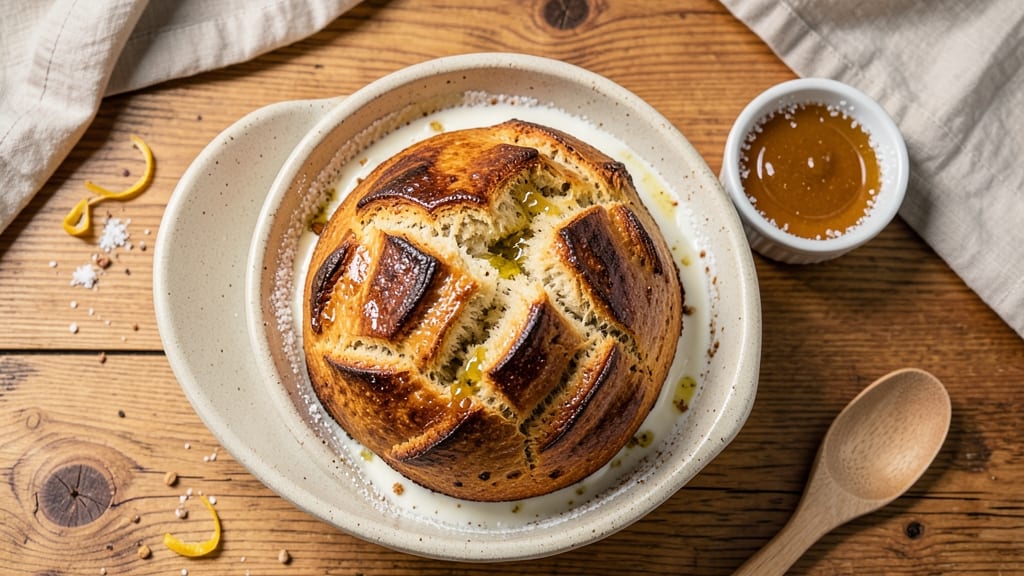
This almond flour yogurt bread recipe delivers a perfect balance of nutty richness and airy tenderness—ideal for vegan diets or gluten-free needs.
The secret lies in the almond flour's natural moisture retention and the tangy kick of plant-based yogurt, creating a loaf that's crisp on the outside yet soft and fluffy inside.
I developed this recipe after struggling to find a vegan bread that didn’t crumble or taste dry, and this version consistently impresses with its structure and flavor.
The process is straightforward but requires attention to hydration and proofing time. Unlike traditional bread, almond flour absorbs moisture differently, so we’ll use a mix of plant-based yogurt and flaxseed for binding—no eggs or dairy needed.
The result is a golden-brown loaf with a subtle almond aroma that pairs beautifully with soups, spreads, or even as a base for sandwiches. Perfect for those seeking a lighter, nutrient-dense alternative to white bread, this recipe delivers restaurant-quality texture without the fuss.
Baking time is 35-40 minutes at 350°F, yielding a loaf that’s crisp enough to hold its shape yet tender enough to slice cleanly. The key to success is ensuring the almond flour is finely ground and the dough rests long enough to develop gluten-like elasticity.
Whether you’re baking for a meal prep staple or a special occasion, this bread’s versatility and health benefits make it a standout in any kitchen.
For best results, store leftovers in an airtight container for up to 5 days or freeze slices for quick toast. The nutty flavor also makes it a great base for savory toppings like hummus or avocado. Ready to bake? Let’s get started with the step-by-step instructions below.
Ingredients for almond flour yogurt bread
These twelve ingredients transform into a golden loaf with perfect crispness and airy crumb—no crumbling, no dryness.
| Ingredient | Amount | Notes |
|---|---|---|
| Almond Flour 🌰 | 3 cups | Finely ground, blanched preferred |
| Unsweetened Plant-Based Yogurt 🥛 | 1 ½ cups | Soy or coconut works best |
| Ground Flaxseed 🌾 | ¼ cup | Mixed with 0.75 cup water |
| Granulated Sugar 🍚 | ¼ cup | Or coconut sugar for refined-free |
| Extra-Virgin Olive Oil 🫒 | ½ cup | Light or fruity variety |
| Baking Powder 🧂 | 1 tbsp | Aluminum-free preferred |
| Salt 🧂 | ½ tsp | Fine sea salt preferred |
| Apple Cider Vinegar 🍎 | 1 tbsp | For tangy activation |
| Vanilla Extract 🌿 | 1 tsp | Pure, high-quality |
| Water 💧 | ¾ cup | Filtered preferred |
| Sesame Seeds 🌻 | 2 tbsp | For topping, optional |
| Poppy Seeds 🌻 | 1 tbsp | For topping, optional |
Almond flour is non-negotiable here—Bob's Red Mill or Anthony's Goods are my go-tos for consistent texture. The finely ground variety ensures a tender crumb, while pre-ground almonds from bulk bins often lack the same moisture retention. For the yogurt, soy-based brands like Silk or Forager provide the right tang and protein structure. If you're using coconut yogurt, opt for the full-fat version—it mimics dairy's richness better. The flaxseed mixture acts as our egg substitute, so grind it fresh right before mixing to avoid thickening.
No plant-based yogurt? Unsweetened almond milk plus 1 tbsp lemon juice works in a pinch, though texture may vary slightly. Substituting sugar? Maple syrup at 3/4 cup adds moisture but requires adjusting the water slightly. The apple cider vinegar can be swapped for white vinegar or lemon juice, but ACV gives that subtle depth. For a nut-free version, replace the almond flour with sunflower seed flour—just expect a denser crumb. The sesame and poppy seeds are purely decorative but add a satisfying crunch; skip them if you're avoiding seeds entirely.
This dough needs at least 30 minutes of rest—don't rush it. Store wrapped in a clean kitchen towel for 24 hours to enhance flavor. The baked loaf keeps beautifully in an airtight container for 5 days at room temperature or 2 weeks in the fridge. For freezing, slice first—3 months works perfectly for toast. The nutty aroma intensifies overnight, making leftovers even more irresistible. Toast slices directly from frozen for crispy results.
Why You'll Love This Recipe
- No Mixer Needed: I swear by this dough—just fold the almond flour and yogurt until it clumps, then let the flaxseed do the heavy lifting as a binder. No stand mixer, no fuss, just a bowl and your hands.
- Tangy-Sweet Magic: That yogurt’s acidity cuts through the richness of the almond flour, while a touch of sugar keeps it from tasting like a health-food lecture. Honestly, the first bite makes me forget it’s "good for you."
- Breakfast or Snack: Toast it for crunchy French toast, slice it for sandwiches, or pack it for lunch—it holds up everywhere. My kids even ask for it plain, which, between us, is the highest praise.
- Lasts All Week: The flaxseed keeps it moist, so a loaf lasts me five days without drying out. I bake two at a time, freeze one, and thank my future self when I’m too tired to shop.
Step-by-step instructions for almond flour yogurt bread
This nutty, airy loaf comes together with minimal effort but delivers maximum flavor and texture.
Create the Flaxseed Egg Substitute
In a small bowl, whisk together the 0.25 cup ground flaxseed and 0.75 cup water. Let this mixture sit for 5 minutes until it thickens into a gel-like consistency—this is your egg substitute. The flaxseed will absorb the water and form a binding agent that mimics the structure of eggs in traditional bread.
This step is crucial because almond flour lacks gluten, so we need this flax "egg" to provide structure. Stir occasionally to ensure even thickening. If you prefer, you can mix it now or wait until later, but letting it sit helps maximize its binding properties.
Combine Wet Ingredients for Maximum Flavor
In a large mixing bowl, combine the 1.5 cups unsweetened plant-based yogurt, 0.5 cup extra-virgin olive oil, 0.25 cup granulated sugar, 1 tbsp apple cider vinegar, 1 tsp vanilla extract, and the flax egg mixture. Whisk vigorously for 2-3 minutes until fully blended and smooth.
The apple cider vinegar might seem unusual, but it reacts with the yogurt to create a tangy lift that mimics the chemical leavening of traditional bread. The olive oil adds moisture and richness, while the vanilla extract enhances the overall flavor profile. This mixture should be thick but pourable—if it's too stiff, add 1-2 tablespoons of water to reach the right consistency.
Incorporate Dry Ingredients Gently
In a separate bowl, sift together the 3 cups almond flour, 1 tbsp baking powder, and 0.5 tsp salt. Gradually add this dry mixture to the wet ingredients while stirring gently with a spatula. Be careful not to overmix—just combine until no dry spots remain. Overmixing can develop gluten-like properties in the almond flour, which can make the bread dense.
Once combined, the batter should be thick but spreadable. If it's too dry, add 1 tablespoon of water at a time until it reaches a smooth, cohesive consistency. The texture should resemble thick pancake batter. This is where the magic happens—the almond flour absorbs the moisture while the baking powder begins to activate, setting the stage for a light, airy crumb.
Prepare and Bake the Loaf
Preheat your oven to 350°F and lightly grease an 8x4-inch loaf pan with olive oil or line it with parchment paper. Pour the batter into the prepared pan and smooth the top with a spatula. Sprinkle evenly with 2 tbsp sesame seeds and 1 tbsp poppy seeds for added texture and visual appeal.
Bake for 45-50 minutes, or until a toothpick inserted into the center comes out clean and the top is golden brown. The bread should spring back slightly when pressed gently. If the top browns too quickly, tent the loaf with aluminum foil to prevent over-browning while ensuring it cooks through evenly. The internal temperature should reach 205°F for a fully baked loaf.
Cool and Slice for Perfect Texture
Remove the loaf from the oven and let it cool in the pan for 10 minutes, then transfer it to a wire rack to cool completely for at least 30 minutes. This cooling period is essential—it allows the bread to set properly and prevents it from becoming gummy or crumbly.
Once fully cooled, slice the loaf into 8 even pieces using a serrated knife. Each slice should reveal a light, airy crumb with subtle nutty flecks from the almond flour. The exterior should be crisp, while the interior remains soft and moist. Store any leftovers in an airtight container at room temperature for up to 3 days or in the refrigerator for up to 5 days. For longer storage, wrap individual slices in plastic wrap and freeze for up to 3 months.
Pro Tips For Making Almond Flour Yogurt Bread
- Mix the Flaxseed First: Almond flour loves moisture, but ground flaxseed needs time to gel properly. Stir it into the yogurt at least 5 minutes early—let it sit while you measure everything else, or your bread will turn out denser than a brick.
- Don’t Overmix the Dough: This isn’t pancake batter. Once the wet ingredients hit the almond flour, stop folding after two turns—any more and you’ll kick out the air bubbles, leaving you with a sad, flat loaf. Think "gentle but thorough," not "beat it like a smoothie."
- Preheat Pan and Oil: Cold pans make for uneven baking. Heat your loaf pan for 10 minutes while the oven preheats, then brush it with olive oil—not just the bottom. That extra coating keeps the sides from sticking, especially since almond flour lacks gluten’s natural release.
- Use Room-Temp Yogurt: Cold yogurt throws off the yeast (if you’re using it) and makes the dough sluggish. Let it sit out for 20 minutes before mixing—yes, even if it’s plant-based. Your bread’s rise and texture will thank you.
Best sauces and condiments for this recipe
Sweet Spreads
This bread pairs beautifully with honey-almond butter—mix 2 tbsp almond butter with 1 tbsp honey and a pinch of sea salt for a nutty-sweet contrast.
For a fruity twist, try fig jam or raspberry preserves warmed slightly with a splash of orange juice to enhance the bread’s natural tang. 🍯
Savory Toppings
For a hearty breakfast, spread smoked almond butter with a drizzle of sriracha and sliced avocado. I also love hummus with a sprinkle of za’atar and crumbled feta (or vegan feta) for a Mediterranean-inspired bite. The bread’s crisp exterior holds up perfectly to these toppings without getting soggy.
Herb-Infused Oils
Drizzle the warm bread with infused olive oil—combine ¼ cup olive oil with 1 tbsp chopped rosemary, 1 tsp garlic powder, and a pinch of red pepper flakes.
Heat gently until fragrant, then drizzle over slices for a savory, aromatic finish. This works especially well with marinated olives or whipped goat cheese.
Spicy Dips
For a kick, serve with spicy tahini sauce—blend ½ cup tahini, 2 tbsp lemon juice, 1 tbsp maple syrup, and 1 tsp chili flakes until smooth. The bread’s nutty flavor balances the tahini’s richness while the chili adds a satisfying heat. 🌶️
Creamy Cheese Pairings
If you’re not vegan, brie or camembert melts beautifully on toasted slices. For a plant-based option, try cashew cream cheese—blend 1 cup soaked cashews, 2 tbsp lemon juice, and 1 tbsp nutritional yeast until smooth. The tangy yogurt bread complements the creamy, umami-rich cheese perfectly.
Sweet & Salty Combos
Layer dark chocolate spread (like Nutella or homemade almond butter chocolate) with a sprinkle of flaky sea salt for a decadent dessert toast. The bread’s crispness contrasts the chocolate’s richness, while the salt cuts through the sweetness. Perfect for a quick, satisfying treat! ✨
Nutrition facts
Frequently asked questions
Can I substitute regular yogurt for plant-based yogurt in this recipe?
While you can use dairy yogurt, the recipe was designed for plant-based versions to maintain vegan compatibility. Dairy yogurt may alter the texture slightly, making the bread denser. If you must use it, reduce the total liquid by 2 tablespoons to compensate for the extra moisture in dairy yogurt.
Why does my almond flour bread turn out dense instead of airy?
Overmixing the batter or skipping the 30-minute rest are the most common culprits. Almond flour lacks gluten, so gentle folding is key—mix just until combined. Also ensure your almond flour is finely ground (not almond meal) and that you're using fresh baking powder. The flax egg substitute must fully thicken before mixing too!
How do I make this bread nut-free?
Replace the almond flour with sunflower seed flour (1:1 ratio) for a nut-free version. Note that the texture will be slightly denser, but it'll still be delicious. For the yogurt, choose a seed-based variety like sunflower seed yogurt if available. The sesame and poppy seed toppings can be omitted entirely for a completely nut-free bread.
Can I bake this in a different pan shape?
Yes! This recipe works well in 9x5-inch loaf pans (add 5-10 minutes to baking time) or even as free-form rounds on a parchment-lined baking sheet. For rounds, bake at 325°F for 30-35 minutes until golden. The key is adjusting for your pan's dimensions—smaller pans need longer baking times to fully cook through.
Why does my bread crack on top when baking?
This usually happens from sudden temperature changes or overproofing. Ensure your oven is fully preheated before adding the bread, and avoid opening the oven door during the first 25 minutes of baking. If using a loaf pan, grease it well or line with parchment paper to prevent sticking. For free-form bread, tent with foil if the top browns too quickly.