
Breakfast & Brunch
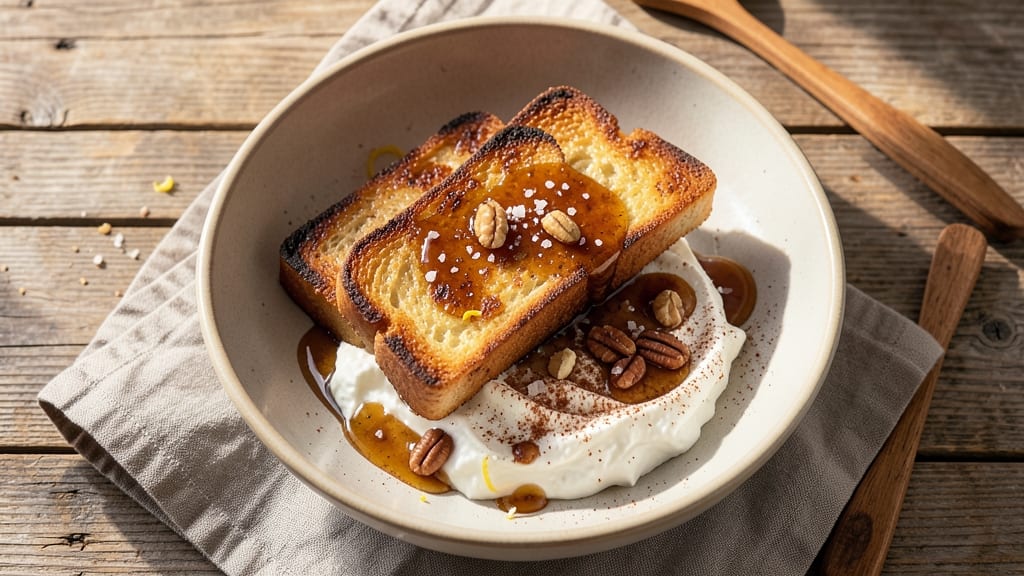
This artisan bread French toast recipe transforms stale loaves into a breakfast masterpiece with a crispy-golden crust and pillowy softness inside. The secret lies in using artisan bread—its dense texture absorbs the custard perfectly while creating that coveted caramelized exterior.
I’ve perfected this method over years of testing, ensuring every bite delivers that ideal balance of crisp and tender.
The process is straightforward yet rewarding: thick slices of bread soak in a rich egg custard infused with vanilla and cinnamon, then cook to a golden finish. Whether you prefer the classic stovetop method or a quick oven bake, the result is consistently impressive.
The key is patience—let the bread soak just long enough to absorb the custard without falling apart, and cook it low and slow for even browning.
What makes this dish truly special is how the artisan bread’s character shines through. A crusty baguette yields a satisfying crunch, while a soft sourdough creates a melt-in-your-mouth experience. Serve with warm maple syrup, fresh berries, or a dusting of powdered sugar for a touch of elegance.
This isn’t just French toast—it’s a breakfast that feels like a treat.
For an extra touch, drizzle with Nutella or top with whipped cream and caramelized bananas. The possibilities are endless, but the foundation remains the same: crispy edges, soft centers, and a custard so rich it feels indulgent. Let’s get started—your taste buds will thank you.
Ingredients for artisan bread french toast
Transform stale artisan bread into a crispy-golden masterpiece with these rich, flavorful ingredients.
| Ingredient | Amount | Notes |
|---|---|---|
| Artisan Bread Loaf 🍞 | 1 whole | Stale or slightly dried for best texture |
| Large Eggs 🥚 | 4 whole | Room temperature for even cooking |
| Whole Milk 🥛 | 1 cup | Full-fat for creaminess (2% works too) |
| Pure Vanilla Extract 🌿 | 1 tbsp | High-quality for authentic flavor |
| Ground Cinnamon 🌶️ | 1 ½ tsp | Freshly ground for best aroma |
| Granulated Sugar 🍚 | ½ cup | White or brown for caramelization |
| Unsalted Butter 🧈 | 2 tbsp | Melted for crispy crust (full-fat preferred) |
| Pure Maple Syrup 🍁 | ¼ cup | Grade B for deeper flavor (optional) |
| Salt 🧂 | ½ tsp | Kosher or sea salt for balance |
| Freshly Ground Black Pepper 🌶️ | ¼ tsp | Freshly cracked for subtle heat |
| Powdered Sugar 🍚 | 2 tbsp | For dusting (optional garnish) |
| Fresh Berries 🍓 | 1 cup | Strawberries or raspberries (optional) |
The bread is non-negotiable here—artisan loaves with dense texture absorb the custard perfectly. Baguettes or sourdough work best, but any crusty bread will do. For extra authenticity, grab a loaf from a local bakery or the artisan bread section at Whole Foods. If your bread is too fresh, toast it lightly first to dry out the crumb. The eggs? Room temperature is key—they'll emulsify better with the milk, giving you that silky custard. I always crack mine into a measuring cup first to avoid shells in the batter, and trust me, it's worth the extra second.
No vanilla extract? Vanilla sugar or even a scraped vanilla bean will work in a pinch. The cinnamon is where the magic happens—freshly ground has way more aroma than pre-ground, but if that's all you've got, it's still better than skipping it. For the sugar, I prefer white for a classic touch, but brown sugar adds subtle caramel notes if you're feeling fancy. Butter matters too—European-style or cultured butter gives the best flavor, but any unsalted butter works. If you're watching calories, you can use half butter, half olive oil without sacrificing crispiness. And for the berries? Frozen works fine if you're not near a market—just toss them in a bowl of hot water to thaw before serving.
This custard keeps for 3 days in the fridge, but it's best used fresh. Store it in a sealed container with parchment between layers to prevent sogginess. The bread itself? Wrap it tightly in plastic and keep it at room temperature for up to a week—it'll dry out perfectly for French toast. For make-ahead prep, assemble the custard mixture the night before and refrigerate. The bread slices can soak right in the morning. Pro tip: Double the recipe—leftovers reheat beautifully in a toaster or skillet, and they're perfect for breakfast the next day.
Why You'll Love This Recipe
- I’ll be real: this feeds a crowd without stress. The cinnamon-vanilla custard is universally loved, and it’s the kind of dish where even picky eaters ask for seconds. (Yes, even on a Tuesday night.)
- No Stale Leftovers: Honestly, that crusty artisan loaf? It’s made for this. The egg-milk-soak turns tough bread into something tender, so even day-old slices get a second life—no sad, dry toast here.
- Crowd-Pleaser Breakfast: I’ll be real: this feeds a crowd without stress. The cinnamon-vanilla custard is universally loved, and it’s the kind of dish where even picky eaters ask for seconds. (Yes, even on a Tuesday night.)
- One-Bowl Magic: Three ingredients, one bowl, done. Crack eggs, pour milk, stir in vanilla and cinnamon—no measuring cups, no extra pans. That’s the kind of recipe that makes you question why you ever did anything fancy.
Step-by-step instructions for artisan bread French toast
Here's how to transform your artisan loaf into golden, crispy perfection with a soft interior.
Prepare the French Toast Batter
In a large bowl, whisk together the 4 whole Large Eggs until they're completely combined with no streaks remaining. The eggs should be at room temperature for even cooking—this prevents them from curdling when they hit the hot pan. Add the 1 cup Whole Milk, 1 tbsp Pure Vanilla Extract, 1.5 tsp Ground Cinnamon, 0.5 cup Granulated Sugar, 0.5 tsp Salt, and 0.25 tsp Freshly Ground Black Pepper. Whisk vigorously until smooth and fully incorporated, about 2 minutes. The mixture should be thick but pourable—this ensures maximum absorption into the bread and that signature crispy crust.
I like to let the batter rest for 5 minutes before using it. This allows the cinnamon to bloom and the sugar to slightly dissolve, enhancing the flavor when it hits the hot pan. The batter should have a rich, spiced aroma—this is your first sign that everything's ready to go.
Cut and Soak the Artisan Bread
Slice the 1 whole Artisan Bread Loaf into ¼-inch thick slices—thinner slices will crisp up faster, while slightly thicker slices give you more of that pillowy interior. I use a sharp serrated knife for clean cuts and to prevent the bread from squishing. Arrange the slices on a wire rack set over a baking sheet to catch any excess batter.
Working quickly, dip each slice into the batter, turning to coat both sides completely. Let the excess drip off for 10-15 seconds before transferring to the pan. Don't rush this step—even coating ensures every bite has that perfect balance of crispy exterior and soft center. If you're using 1 cup Fresh Berries, slice them now and set aside for serving.
Cook to Crispy-Golden Perfection
Melt 2 tbsp Unsalted Butter in a large skillet over medium heat until it foams but doesn't brown. Add the bread slices and cook for 2-3 minutes per side until they develop a deep golden brown crust. Here's the thing—you want to see bubbles form on the surface and the edges become crispy, but the center should still feel slightly yielding when you press gently with a spatula. The butter should sizzle gently, not smoke, so adjust the heat if needed.
For extra richness, I like to add 0.25 cup Pure Maple Syrup to the pan during the last minute of cooking. Spoon it over the top and let it caramelize slightly—this adds a beautiful gloss and deeper flavor. Watch carefully as the syrup heats; you want it to coat the toast but not burn. Flip only once to maintain that perfect crust.
Serve Immediately with Fresh Garnishes
Transfer the crispy French toast to a serving platter and dust generously with 2 tbsp Powdered Sugar while still hot. The sugar will melt slightly from the residual heat, creating a delicate, sweet coating. Serve immediately with the 1 cup Fresh Berries on the side or arranged on top for a pop of color and freshness. The contrast between the warm, spiced toast and cool berries is what makes this dish truly special.
Each slice should have a crispy, caramelized exterior that gives way to a soft, custardy interior—this is the hallmark of perfect French toast. The cinnamon and vanilla should be aromatic, while the maple syrup adds a subtle depth. Enjoy while warm, as the texture changes quickly once removed from the pan.
Pro Tips For Making Artisan Bread French Toast
- USE DAY-OLD BREAD: Fresh artisan bread soaks up too much liquid and turns gummy. I learned this the hard way—my first batch was soggy and sad. Toss that loaf in the freezer overnight, then thaw it slightly before slicing. The starchy crust will crisp up beautifully while the inside stays tender.
- WHISK EGGS LIKE A MANIAC: No one likes lumpy French toast. Beat those eggs with whole milk until the mixture is smooth and slightly frothy—about 30 seconds with a whisk or a quick pulse in the blender. That extra effort makes the texture creamy, not gluey. (Yes, even if you’re impatient like me.)
- SKIP THE OVERCROWDING: A packed pan steams the bread instead of searing it. Give each slice space—think "snug but not squished"—so the edges get golden and crisp. I used to rush this, and my toast came out pale and sad. Trust me, a little patience here changes everything.
- TOAST THE BREAD FIRST: Sounds weird, but it works: Run your artisan slices under hot water for 10 seconds, then toast them lightly in a dry pan for 30 seconds per side. The crust gets extra crunch, and the egg mixture clings better. My grandmother swore by this, and she was right—it’s the thing that makes this dish feel restaurant-worthy.
Make-ahead tips for leftovers
Prep Ahead Batter
Mix the custard batter the night before and store it in an airtight container in the fridge. The flavors meld beautifully overnight, and the cinnamon aroma intensifies. When ready to cook, let it sit at room temperature for 10 minutes before using—this prevents temperature shock when hitting the hot pan.
I like to cover it with plastic wrap pressed directly on the surface to keep it smooth and prevent a skin from forming. 🌶️
Soak Bread Slices
Slice the artisan bread and arrange the slices on a wire rack over a baking sheet. This keeps them from getting soggy while you prepare the custard.
For make-ahead convenience, soak the bread slices in the batter up to 4 hours ahead—store them in a single layer on a tray lined with parchment paper. When ready to cook, simply reheat the pan and finish frying. The bread will absorb the custard perfectly even after sitting.
Freezer-Friendly Assembly
Assemble the French toast completely and freeze it on a tray before transferring to a ziplock bag. Cook from frozen using medium-low heat for 3-4 minutes per side—just add an extra 30 seconds to the cooking time.
The texture remains crispy outside and soft inside, though the custard may be slightly firmer. Reheat in a 350°F oven for 5-7 minutes if you prefer a warmer, more traditional texture. 💫
Reheat Leftovers
Store cooked French toast in an airtight container for up to 3 days. Reheat slices in a skillet with butter over medium heat for 2-3 minutes per side until golden.
For a quick option, use a toaster set to medium—this restores some crispiness but may dry out the center slightly. I always add a splash of milk to the pan when reheating to revive the custard's richness.
Batter Refresh
If you've prepped the batter ahead but it's been in the fridge for more than 24 hours, whisk in 1 extra tablespoon of milk to restore its pourability. The custard thickens when chilled, so a quick stir with a fork ensures smooth dipping.
For extra insurance, let it sit at room temperature for 15 minutes before using—this prevents clumping when coating the bread. Trust me, this small step makes all the difference! ⏰
Nutrition facts
Frequently asked questions
Can I use any type of bread for this recipe?
Artisan bread is ideal because its dense texture absorbs the custard perfectly while maintaining structure. For best results, choose crusty baguettes, sourdough, or ciabatta—these hold up well during frying. Avoid soft white breads like brioche, as they'll turn soggy. If you're out of artisan bread, a stale baguette or crusty whole wheat works well too!
Why does my French toast turn out greasy instead of crispy?
Greasy French toast usually means the pan is too hot or the butter is overused. Use medium heat and just 2 tablespoons of butter for the whole batch. The key is patience—let the butter foam but not brown before adding the bread. Also, make sure your bread slices are ¼-inch thick and coated evenly in the custard. Overcrowding the pan also causes greasiness!
How do I make this recipe gluten-free?
Replace the artisan bread with a high-quality gluten-free bread like Schär or Canyon Bakehouse. Their dense texture mimics artisan bread better than most store brands. For the custard, use gluten-free oats (if you're adding them) and ensure all spices are certified gluten-free. The cooking method stays the same—just watch your slices closely as gluten-free bread can crisp faster!
Can I make this ahead of time for a brunch?
Assemble the custard batter the night before and refrigerate. Soak the bread slices in the batter up to 4 hours ahead and store them on a wire rack. Cook fresh in the morning for the best texture. For a truly make-ahead option, freeze the assembled French toast (before cooking) on a tray, then transfer to a bag. Cook from frozen using medium-low heat for 3-4 minutes per side.
What's the secret to that perfect crispy crust?
The magic happens with three things: room-temperature eggs and milk (they blend better), medium heat (not high!), and patient cooking. Let the butter foam before adding bread, and cook until you see bubbles form on the surface. The crust should be deep golden brown—almost caramelized—while the center stays soft. A splash of maple syrup in the last minute adds extra crispiness!