Main Courses
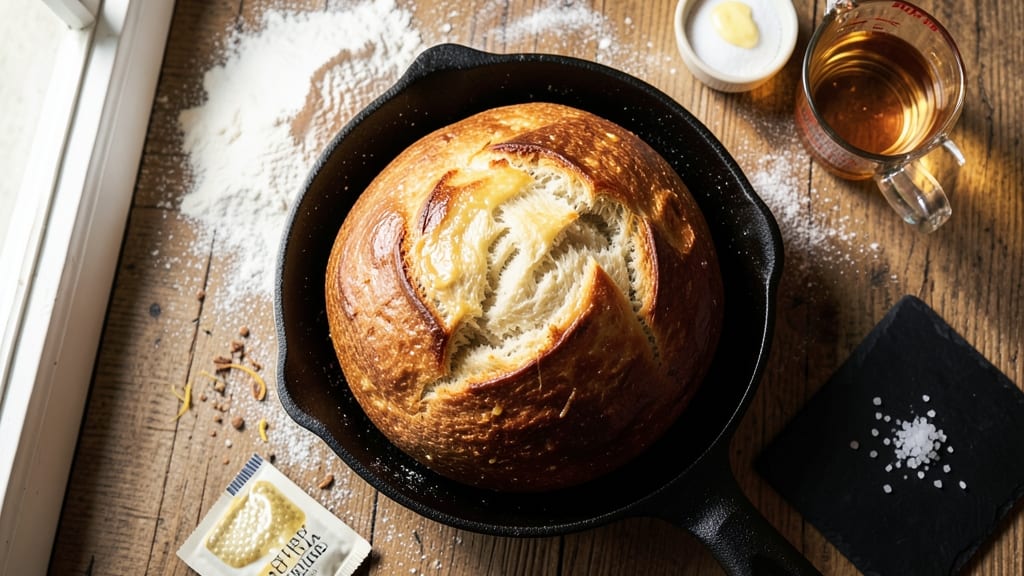
This Amish friendship bread recipe card preserves a tradition of generosity that began in Lancaster County kitchens over a century ago. The bread's signature cardboard box shape isn't just practical—it's a symbol of sharing, often given to neighbors, new mothers, or those in need.
What makes this recipe special is its simplicity: just flour, yeast, and a few pantry staples transformed into a loaf that bakes to a golden, crusty perfection with a tender interior.
The traditional method calls for shaping the dough into a distinctive box shape using a cardboard loaf pan, then baking until the crust turns a deep amber hue.
This recipe delivers that classic texture—crispy edges that give way to soft, fluffy bread inside—while staying true to the Amish values of frugality and community. The dough requires just 15 minutes of active prep time before rising, making it perfect for both experienced bakers and beginners.
What you'll achieve is a loaf that's sturdy enough to hold its shape yet tender enough to melt in your mouth, with a subtle sweetness that comes from the natural fermentation.
The aroma alone—warm, buttery, and slightly yeasty—will fill your home and remind everyone why this bread has become a beloved tradition. Whether you're baking for a gift or simply enjoying the process, this recipe captures the heart of Amish hospitality.
For those who want to adapt the recipe, consider adding a touch of honey or cinnamon to the dough for a lightly sweetened variation, or sprinkle coarse salt on top before baking for a savory twist.
The key remains the same: bake with care, share with love, and let the tradition continue. Here's how to make it.
Ingredients for amish friendship bread recipe card
Pantry staples that transform into a tradition of generosity and warmth.
| Ingredient | Amount | Notes |
|---|---|---|
| All-Purpose Flour 🌾 | 5 cups | Unbleached preferred for traditional flavor |
| Active Dry Yeast 🍞 | 2 ½ tsp | Ensure yeast is fresh for best rise |
| Granulated Sugar 🍚 | ¼ cup | White sugar for subtle sweetness |
| Unsalted Butter 🧈 | ½ cup | Cold, cubed for even distribution |
| Warm Water 💧 | 1 ¼ cups | 110°F for optimal yeast activation |
| Salt 🧂 | 1 ½ tsp | Diamond Crystal preferred for texture |
| Large Egg 🥚 | 1 whole | Room temperature for smooth dough |
| Cardboard Loaf Pan 📦 | 1 whole | Standard 8.5x4.5-inch size |
| Coarse Salt 🧂 | 1 tbsp | For sprinkling on top crust |
| Cornmeal 🌽 | 2 tbsp | For dusting work surface |
The flour is the foundation—King Arthur or Gold Medal brands deliver consistent results. Active dry yeast should be no older than 4 months for reliable rising; check the date on the package. Warm water is critical: too hot kills yeast, too cool slows fermentation. Store-bought butter works fine, but Amish cooks often used homemade—the difference is subtle but adds character. If your butter is salted, reduce the added salt by half a teaspoon. The egg binds everything together, so room temperature is key—no cold lumps in your dough.
No active dry yeast? Instant yeast works at half the amount—just mix it directly with the flour. Short on butter? Vegetable oil or lard (for a richer flavor) substitutes at the same quantity. The sugar can be swapped for honey or maple syrup, but reduce to 2 tablespoons to avoid over-sweetening. Cardboard loaf pans vary by brand—standard size is 8.5x4.5 inches, but check your pan before baking. For a savory variation, omit the sugar entirely and add 1 teaspoon garlic powder to the dough. The coarse salt topping is optional but adds that classic Amish touch.
Fresh yeast lasts 3 months in the fridge, longer in the freezer. Store flour in airtight containers to prevent weevils. The dough can be shaped 24 hours ahead and refrigerated, covered—let it sit at room temperature for 30 minutes before baking. Baked loaves keep 3-4 days at room temperature wrapped in a clean kitchen towel, or freeze for up to 3 months for gift-giving. The cardboard pan can be reused once or twice before it loses its shape—just clean it thoroughly between uses.
Why You'll Love This Recipe
- No-Knead Magic: I swear by this recipe—just mix the flour, yeast, sugar, and butter with warm water, let it rise overnight, and bake. That’s it. No standing at the counter, no overworking the dough. The yeast does all the work while you sleep.
- Sweet Butter Bliss: That rich, warm butter folded into the dough? It melts into every bite, giving it a tender crumb and a subtle sweetness. Honestly, the sugar isn’t even needed to make it taste incredible—it’s the butter that steals the show.
- Gift-Worthy Loaves: Between us, this bread is the go-to for show-and-tell. Wrap a warm loaf in a tea towel, tie it with twine, and suddenly you’ve got a homemade present that looks (and tastes) like it came from a bakery. My mom’s book club requests them every holiday.
- Pantry Staple Power: You’re already using flour, sugar, and butter—this recipe just adds yeast and water. No specialty ingredients, no last-minute grocery runs. And once you bake a batch, the leftovers toast into crispy perfection for days. Budget-friendly? Absolutely. Reliable? Even more so.
Step-by-step instructions for Amish friendship bread
This traditional recipe delivers tender, crusty loaves with a heartwarming tradition behind every bite.
Activate the Yeast and Prepare the Dough
In a large mixing bowl, combine the 1.25 cups warm water (tested at 110°F) with the 0.25 cup granulated sugar and 2.5 tsp active dry yeast. Let this sit for 5-10 minutes until foamy—this confirms your yeast is active. If it doesn't foam, start fresh with new yeast.
In a separate bowl, whisk together the 5 cups all-purpose flour and 1.5 tsp salt. Create a well in the center and pour in the yeast mixture along with the 0.5 cup cold cubed unsalted butter and 1 whole large egg. Using a wooden spoon or dough whisk, gradually mix until a shaggy dough forms. The butter should remain in small clumps at this stage.
Knead the Dough Thoroughly
Lightly flour a clean work surface and turn out the dough. Sprinkle the surface with 2 tbsp cornmeal to prevent sticking. Knead the dough for 8-10 minutes by hand, folding and pressing until smooth and elastic. You'll know it's ready when it springs back when pressed and doesn't stick to your fingers.
For best results, I use a bench scraper to cut and fold the dough during kneading—this develops gluten more efficiently. If the dough feels too sticky, add flour 1 tablespoon at a time until it becomes manageable. Shape the dough into a round ball and place it in a lightly oiled bowl.
First Rise for Flavor Development
Cover the bowl with a damp kitchen towel and let the dough rise in a warm place for 1-1.5 hours, or until it has nearly doubled in size. The kitchen should be warm—75-80°F is ideal. If your kitchen is cool, place the bowl near a warm oven with the light on.
During this rise, the dough will develop its signature open crumb structure. Gently press two fingers into the dough—if the indentation remains, it's ready. This first rise is crucial for creating the airy texture that makes Amish Friendship Bread so special.
Shape and Second Rise in Cardboard Pan
Punch down the risen dough to release air, then divide it into 4 equal portions (about 1 cup each). Shape each portion into a smooth ball. Grease the cardboard loaf pan lightly with butter to prevent sticking, then place one dough ball in the pan. Repeat with the remaining dough balls, spacing them evenly.
Cover the pan with a clean kitchen towel and let rise for another 30-45 minutes until the dough reaches the top of the pan. The edges should look puffy and slightly rounded. This second rise ensures each loaf will have a proper oven spring when baked.
Bake to Golden Perfection
Preheat your oven to 375°F. While the oven heats, sprinkle the tops of the loaves with 1 tbsp coarse salt. Bake for 25-30 minutes until the loaves are golden brown and sound hollow when tapped on the bottom. The internal temperature should reach 190-200°F.
For that classic Amish touch, transfer the baked loaves to a wire rack and let cool for 10 minutes before removing from the pan. The cardboard will crisp slightly as it cools, creating that signature crunch. Once completely cooled, wrap each loaf in parchment paper and tie with twine—ready to share with friends and neighbors.
Pro Tips For Making Amish Friendship Bread Recipe Card
- MEASURE BUTTER COLD: Take that unsalted butter straight from the fridge—no softening needed. I learned this the hard way when I melted it into the dough, and the bread turned out dense and greasy instead of flaky. Just grate or cut it into small cubes so it distributes evenly without warming the dough.
- LET YEAST BLOOM FIRST: Skip mixing the yeast with flour right away—dissolve it in warm water with sugar first, then wait 5–10 minutes until it’s frothy. I used to toss it in dry, and the dough always took twice as long to rise. This step guarantees your yeast is active and ready to work.
- PUNCH DOWN GENTLY: When deflating the dough, use your fists to press down slowly and evenly—no aggressive slamming. I was rough with mine once, and the gluten overworked, making the bread tough. Think "squeeze and release" like kneading, not a workout for your hands.
- USE A THERMOMETER FOR WATER: Warm water should be 110°F (43°C)—not boiling, not room temp. I eyeballed it once and ended up with sluggish yeast. A quick check with a thermometer ensures your yeast wakes up fast and your dough rises predictably. (Yes, even if you’re impatient like me.)
Troubleshooting this dish
Dough Not Rising?
If your dough fails to rise, check the yeast freshness first—old yeast loses potency. Always test water temperature with a thermometer (should be 110°F); too hot kills yeast, too cool slows it. I’ve found that King Arthur brand flour works best for consistent rising.
If your kitchen is cold, place the bowl near a warm oven with the light on to create a cozy environment. 🌡️
Sticky Dough Issues
Sticky dough usually means too much moisture or under-kneaded gluten. If it’s too wet, add flour 1 tablespoon at a time while kneading. For stubborn stickiness, chill the dough for 15 minutes before handling.
I swear by cornmeal on the work surface—it prevents sticking better than flour alone. If the dough tears while shaping, let it rest 5 minutes before continuing.
Uneven Baking
Uneven browning often happens when pan placement is off. Rotate the pan halfway through baking for even heat distribution. If the tops aren’t golden, tent with foil to prevent over-browning.
For darkened bottoms, ensure your oven rack is in the middle position—this prevents heat from concentrating too low. A lightly greased pan also helps even baking.
Cardboard Burns or Warps
Cardboard pans can burn if the oven is too hot or the pan is too close to heating elements. Reduce temperature to 350°F if needed, or place the pan on the middle rack.
For warping, ensure the dough is evenly divided and the pan isn’t overfilled. I’ve had success with double-layered cardboard (two thin boxes taped together) for extra sturdiness.
Dense or Heavy Texture
Over-kneading or skipping the first rise often causes dense bread. Knead just until smooth (8-10 minutes), and never skip the 1-1.5 hour rise—this develops the open crumb.
If your dough feels tough, it may need more butter (add 1 tablespoon at a time). For extra tenderness, brush the baked loaves with melted butter while still warm.
Nutrition facts
Frequently asked questions
Why does Amish Friendship Bread use a cardboard pan?
The cardboard pan gives the bread its signature shape and creates that distinctive crispy texture when cooled. It's also a practical way to package the bread for gifting—just wrap with twine and present! The tradition started as a way to share warm loaves with neighbors without needing special equipment.
Can I make this bread without yeast?
Not traditionally—this recipe depends on yeast for that light, airy texture. However, you could try a quick-pan version with baking powder (replace yeast with 2 tsp baking powder and reduce water by 0.25 cup), but the flavor and texture won't be the same. The yeast gives it that authentic Amish bread character.
How do I store leftover Friendship Bread?
Wrap cooled loaves tightly in parchment paper and store at room temperature for 3-4 days in an airtight container. For longer storage, freeze for up to 3 months. To revive, warm slices in a 200°F oven for 5-10 minutes—they'll taste almost fresh!
What's the best way to give this bread as a gift?
Wrap each cooled loaf in parchment paper, tie with twine, and add a handwritten note. For extra presentation, place in a brown paper bag with a sticker that says "Amish Friendship Bread." The tradition is about sharing warmth, so presentation matters just as much as the bread itself!
Can I make this bread in a regular loaf pan?
Yes, but you'll lose the signature cardboard texture. Use a 9x5-inch loaf pan and bake at 375°F for 30-35 minutes. For best results, grease the pan well and brush with melted butter before baking. The flavor will still be delicious, though!