
Side Dishes
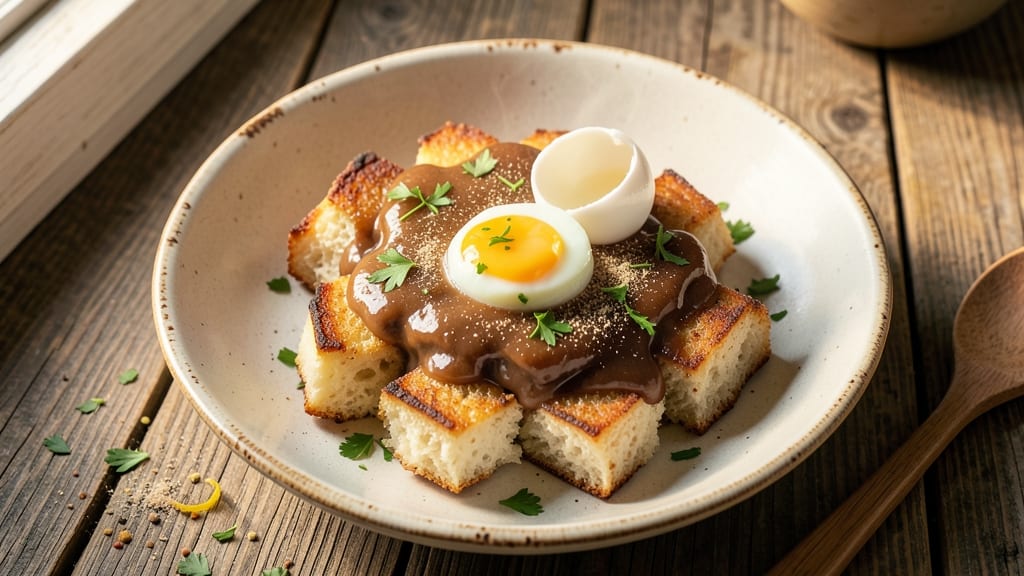
Austrian bread dumplings deliver the kind of comforting, melt-in-your-mouth texture that turns simple meals into something extraordinary. These traditional Semmelknödel transform day-old bread into pillowy, savory dumplings infused with fresh herbs and nutmeg—a staple in Austrian cuisine that pairs perfectly with rich gravies or roasted meats.
The secret lies in soaking the bread just enough to soften without turning it mushy, then shaping and cooking them to achieve that signature tender-yet-firm bite.
What sets these dumplings apart is their versatility and simplicity—just five core ingredients (plus a few pantry staples) create a dish that feels both rustic and refined.
The process is straightforward: tear bread into cubes, soak in warm milk with eggs and butter, then form into smooth, compact balls before boiling or frying. The result?
Dumplings that absorb flavors beautifully while maintaining their shape, making them the ideal side for hearty stews or as a standalone comfort food.
The aroma alone—warm, buttery, with hints of nutmeg and parsley—will have everyone at the table anticipating the first bite. These dumplings are rich enough to stand alone but humble enough to complement any main dish, whether you're serving them with creamy mushroom sauce or alongside roasted chicken.
The key to success is patience in the soaking and shaping stages, ensuring each dumpling holds together perfectly when cooked.
Perfect for family dinners, holiday feasts, or when you want to elevate a simple meal, these bread dumplings prove that comfort food doesn’t require complicated techniques—just time and attention to detail. Let’s get started on creating your own batch of these Austrian classics.
Ingredients for austrian bread dumplings
Five core ingredients transform stale bread into pillowy, savory Austrian dumplings with just a few pantry staples.
| Ingredient | Amount | Notes |
|---|---|---|
| Day-Old White Bread 🍞 | 4 cups | Torn into 1-inch cubes |
| Whole Milk 🥛 | 2 cups | Warm, not hot |
| Large Eggs 🥚 | 4 whole | Room temperature preferred |
| Unsalted Butter 🧈 | ½ cup | Cold, cubed |
| Fresh Parsley 🌿 | ¼ cup | Finely chopped |
| Ground Nutmeg 🌶️ | ½ tsp | Freshly grated preferred |
| Salt 🧂 | 1 tsp | Kosher or sea salt |
| All-Purpose Flour 🌾 | ½ cup | For dusting |
| Vegetable Oil 🫒 | ½ cup | For frying |
The bread is everything here—day-old white bread with a slight crust works best. Look for a sturdy loaf from the bakery section (the kind that stays fresh for days), not the soft sandwich bread. If you're using a baguette or sourdough, tear it into slightly larger cubes—about 1.5 inches—to handle the denser texture. Warm milk is key; it should feel cozy to the touch but not hot enough to cook the eggs. Whole milk gives the richest flavor, but any milk will work in a pinch. I usually grab mine from Trader Joe's since it's affordable and reliable.
No fresh parsley? Dried parsley at half the amount works, but it won't have the same bright flavor. Short on nutmeg? Ground cinnamon at a quarter teaspoon adds warmth, though it won't be the same. The butter must be cold—cut it into small cubes so it melts gradually in the milk. For the oil, vegetable or canola oil is ideal, but any neutral oil (like sunflower) works. If you're frying, keep the oil at 350°F—too hot and they'll brown too fast before cooking through. The flour is just for dusting your hands and the counter, so don't skimp on quality here either.
These dumplings reheat beautifully—just drop them in simmering water for 3-4 minutes. They're even better the next day, so make a double batch if you can. Store any leftovers in an airtight container in the fridge for up to 5 days. For freezing, shape them as directed, then freeze on a tray before transferring to a bag. Thaw in the fridge overnight and reheat gently. I always make these ahead for Sunday dinner—they're a crowd-pleaser that feels fancy but is simple to prepare.
Why You'll Love This Recipe
- I’ll be real: the second day is often better. The bread soaks up flavors overnight, and reheated with a pat of butter? Pure satisfaction—no one ever skips seconds.
- No Waste, All Flavor: I swear by using day-old bread—no sad ends here. Toss in milk, egg, and butter, and suddenly you’ve got a dumpling so rich and tender, no one would guess it started as yesterday’s sandwich crust.
- One-Bowl Wonder: Honestly, this is the kind of recipe where you mix, shape, and boil—no fancy steps. The parsley brightens it up just enough to feel special, but the real magic is how effortless it is.
- Budget Dinner Hero: Between us, these dumplings stretch a meal like nothing else. Pair them with a simple sauce or roasted veggies, and suddenly you’ve fed the whole family for less than takeout.
Step-by-step instructions for Austrian bread dumplings
Here's how to create tender, herb-infused dumplings that melt in your mouth.
Prepare the Bread Base
Tear the 4 cups day-old white bread into 1-inch cubes and spread them evenly on a baking sheet. Toast in a 350°F oven for 10-12 minutes until lightly golden and completely dry. This step removes excess moisture, which is crucial for preventing gummy dumplings later.
While the bread toasts, warm the 2 cups whole milk in a small saucepan over medium-low heat until it reaches 110°F—just warm to the touch, not boiling. This temperature ensures the milk won't scald the eggs when mixed later. Let it cool slightly before using.
Mix the Dumpling Dough
In a large mixing bowl, combine the toasted bread cubes, warm milk, 4 whole large eggs, 0.5 cup unsalted butter (cubed), 0.25 cup finely chopped fresh parsley, 0.5 tsp ground nutmeg, and 1 tsp salt. Use a wooden spoon to gently fold everything together until the butter melts and the mixture forms a thick, shaggy dough.
Here's the thing—don't overmix. You want the dough to hold together when pressed, but it should still look slightly uneven. If it feels too dry, add 1-2 tablespoons of warm milk at a time until it comes together. The dough should be soft enough to shape but not sticky. Let it rest for 5 minutes while you prepare the frying setup.
Shape and Fry the Dumplings
Heat 0.5 cup vegetable oil in a large skillet over medium heat until it reaches 350°F—it should shimmer gently when a small piece of bread is dropped in. Working in batches, roll the dough into 6 equal-sized balls (about 2 inches in diameter). Gently flatten each one slightly to create a ½-inch thick disc. Dust with 0.5 cup all-purpose flour to prevent sticking.
Carefully slide the dumplings into the hot oil, being careful not to overcrowd the pan. Fry for 2-3 minutes per side until golden brown and crispy on the outside. The oil temperature is critical—if it's too cool, the dumplings will absorb too much oil and become greasy. If they brown too quickly, reduce the heat slightly and continue frying.
Finish and Serve
Once golden brown, transfer the fried dumplings to a paper towel-lined plate to drain excess oil for 1 minute. Serve immediately while still warm and crispy on the outside, with a soft, pillowy center. For extra flavor, sprinkle with additional chopped parsley or a pinch of ground nutmeg right before serving.
These dumplings are best enjoyed fresh, straight from the fryer. They pair beautifully with savory sauces, roasted meats, or even a simple butter-lemon drizzle. The key to success is keeping everything warm and crispy—don't let them sit too long before serving, or they'll lose their texture.
Pro Tips For Making Austrian Bread Dumplings
- Soak Bread Properly: Use cold milk for soaking—hot milk makes the bread gummy. Cut the day-old bread into 1-inch cubes and soak them for exactly 10 minutes, no longer, or they’ll turn to mush. I learned this the hard way after serving a batch that fell apart like wet cardboard.
- Whisk Eggs Like a Pro: Beat the eggs until they’re frothy but not stiff—think soft peaks, not meringue. This ensures the dumplings bind without turning dense. I was skeptical until I tried it; the texture is noticeably lighter when the eggs are just whipped, not overworked.
- Don’t Overmix the Dough: Stir the soaked bread, milk, eggs, and parsley just until combined—lumps are fine, but don’t turn it into glue. Overmixing makes the dumplings tough. I skip this when I’m lazy, but the dish is noticeably better when I don’t force it.
- Boil Gently, Not Furiously: Simmer the dumplings in salted water at a low, steady bubble—too much heat and they’ll crack open. Use a pot large enough to avoid crowding, or they’ll stick together. Sounds weird, but it works: perfectly shaped, intact dumplings every time.
Creative variations of austrian bread dumplings
Herb-Infused Variations
Swap the parsley for fresh dill or chives to brighten the flavor profile—about ¼ cup finely chopped works perfectly. For a savory twist, add 1 tbsp fresh thyme alongside the parsley.
I once made a batch with lemon zest (about 1 tsp) for a zesty kick that paired wonderfully with roasted chicken. 🌿
Cheesy Twist
Add ½ cup grated Gruyère or sharp cheddar to the dough mixture for extra richness. The cheese melts into the dumplings during frying, creating a creamy center. For a lighter option, use feta crumbles—just 2 tbsp—to add tang without heaviness. These cheesy dumplings are perfect with tomato-based sauces.
Spiced Up
Boost warmth by adding ½ tsp ground allspice or ¼ tsp smoked paprika to the dough. For a subtle kick, mix in ½ tsp cayenne pepper—just enough to add depth without overpowering. These spiced dumplings shine with beef stews or smoky barbecue sauces. 🌶️
Sweet Glazed Option
For a dessert twist, brush the fried dumplings with 2 tbsp honey mixed with 1 tsp cinnamon while still warm. Top with toasted pecans for crunch.
These sweet dumplings pair beautifully with vanilla ice cream or whipped cream. The secret is keeping the glaze simple—too much sugar makes them soggy.
Boiled vs. Fried
For a lighter texture, boil the shaped dumplings in salted water for 8-10 minutes until they float. This method works well for soups or gravies. To crisp them up afterward, pan-fry in 1 tbsp butter for 1-2 minutes per side.
The boiled version is ideal for holiday meals where you want to avoid extra oil.
Regional Twists
In Bavaria, these dumplings often include potato starch (about 2 tbsp) for a firmer texture. For a Hungarian-inspired version, add 1 tbsp sour cream to the dough and top with caramelized onions.
Both variations keep the same core technique but add unique cultural flavors that feel equally comforting. 🗺️
Nutrition facts
Frequently asked questions
Can I use fresh bread instead of day-old bread for these dumplings?
Fresh bread works in a pinch, but day-old bread is ideal because it's drier and absorbs the milk better without turning mushy. If you must use fresh bread, tear it into slightly larger cubes and toast them for 15-20 minutes at 350°F to remove excess moisture. This extra step prevents gummy dumplings and ensures they hold together during frying.
How do I fix dumplings that fall apart when frying?
Dumplings fall apart when the dough is too wet or not properly shaped. First, check if you added too much milk—stick to the 2 cups called for. Also, ensure you're rolling the dough into firm balls (not loose clumps) and pressing them gently to create a smooth surface. If they still crumble, chill the dough for 10 minutes before shaping to help it firm up.
Can I make these dumplings ahead of time?
Shape the dumplings and store them in an airtight container in the fridge for up to 3 days. To serve, fry them fresh from the fridge (no thawing needed) or reheat in a skillet with 1 tbsp butter for 2-3 minutes per side until crispy. For freezing, shape them as directed, then freeze on a tray before transferring to a bag. Thaw overnight in the fridge and reheat gently.
What's the best way to serve these Austrian bread dumplings?
These dumplings are incredibly versatile! Serve them with rich gravies, roasted meats like pork or chicken, or alongside creamy mushroom sauce. For a lighter option, pair with a simple butter-lemon drizzle. They also make a hearty standalone dish when topped with caramelized onions or a sprinkle of Gruyère cheese. The crispy exterior and soft interior make them perfect for soaking up flavors.
Why does my dough look too dry or crumbly?
If your dough feels too dry, it's likely because the bread absorbed too much moisture during toasting or the milk wasn't warm enough. Gradually add 1 tablespoon of warm milk at a time until the dough holds together when pressed. Avoid overmixing—just fold gently until combined. If the dough is still crumbly, try adding 1 extra egg yolk to help bind it. The texture should be soft but not sticky.